
'%20id='ico-down'%20stroke='%23000000'%20stroke-width='1.5'%3e%3cg%20transform='translate(1092.250000,%20254.750000)'%3e%3cpolyline%20id='Path-2-Copy-4'%20transform='translate(5.500000,%202.750000)%20scale(1,%20-1)%20rotate(-180.000000)%20translate(-5.500000,%20-2.750000)%20'%20points='0%200%205.5%205.5%2011%200'%3e%3c/polyline%3e%3c/g%3e%3c/g%3e%3c/g%3e%3c/svg%3e)


Healthcare
Healthcare Basics
Best Money Saving Apps in the Netherlands for Expats
Adjusting to the cost of living in the Netherlands is much easier when your tools match your daily habits. The best saving apps for expats not only track basic expenses but integrate directly with Dutch bank accounts, local retail loyalty programs, and SEPA payments. Here is a breakdown of the top options available to help you trim everyday costs on everything from groceries to recurring bills.


Key takeaways
These picks were filtered for Dutch fit, English usability, the type of saving they offer, and the trade-off to check before you download.
- Dyme: Automatically tracks subscriptions and recurring expenses across Dutch bank accounts to spot hidden costs and bill leaks.
- Scoupy: Delivers supermarket cashback and weekly grocery discounts by scanning physical receipts from local retailers.
- Too Good To Go: Offers heavily discounted “Surprise Bags” of surplus food from Dutch bakeries, cafes, and grocery stores.
- Woolsocks: Links to your primary bank account to deliver automatic cashback, digital gift card rewards, and spending insights.
- NS and OVpay: Optimizes daily Dutch public transit costs by tracking travel history and identifying cheaper subscription passes.
- Wise: Cuts foreign currency fees by allowing you to hold, convert, and spend multiple currencies alongside your main Dutch bank account.
- N26: Features flexible digital sub-accounts and budget-tracking tools to help manage daily spending from a mobile app.
Dyme
Dyme is one of the strongest budgeting tools for expats looking to plug hidden household leaks. Operating under a Dutch Central Bank (DNB) license, the app links directly to major Dutch institutions like ING, ABN AMRO, and Rabobank to give you a single dashboard for all your recurring bills. It excels at detecting active subscriptions and automating cancellations or contract switches. Keep in mind that unlocking full budgeting controls and custom categories requires a paid tier, and auto-categorization can still occasionally mislabel generic bank descriptions.
Why Dyme suits Dutch bills and subscriptions
Dutch households quickly build up SEPA Direct Debit charges, meaning automatic bank-to-bank bill payments, for telecoms, insurance, utilities, streaming, and gym memberships. Dyme becomes useful when those payments are grouped in one view instead of being buried across old statements.
Expatica tip: Annual price rises are much easier to catch when recurring charges sit in one place.
Scoupy
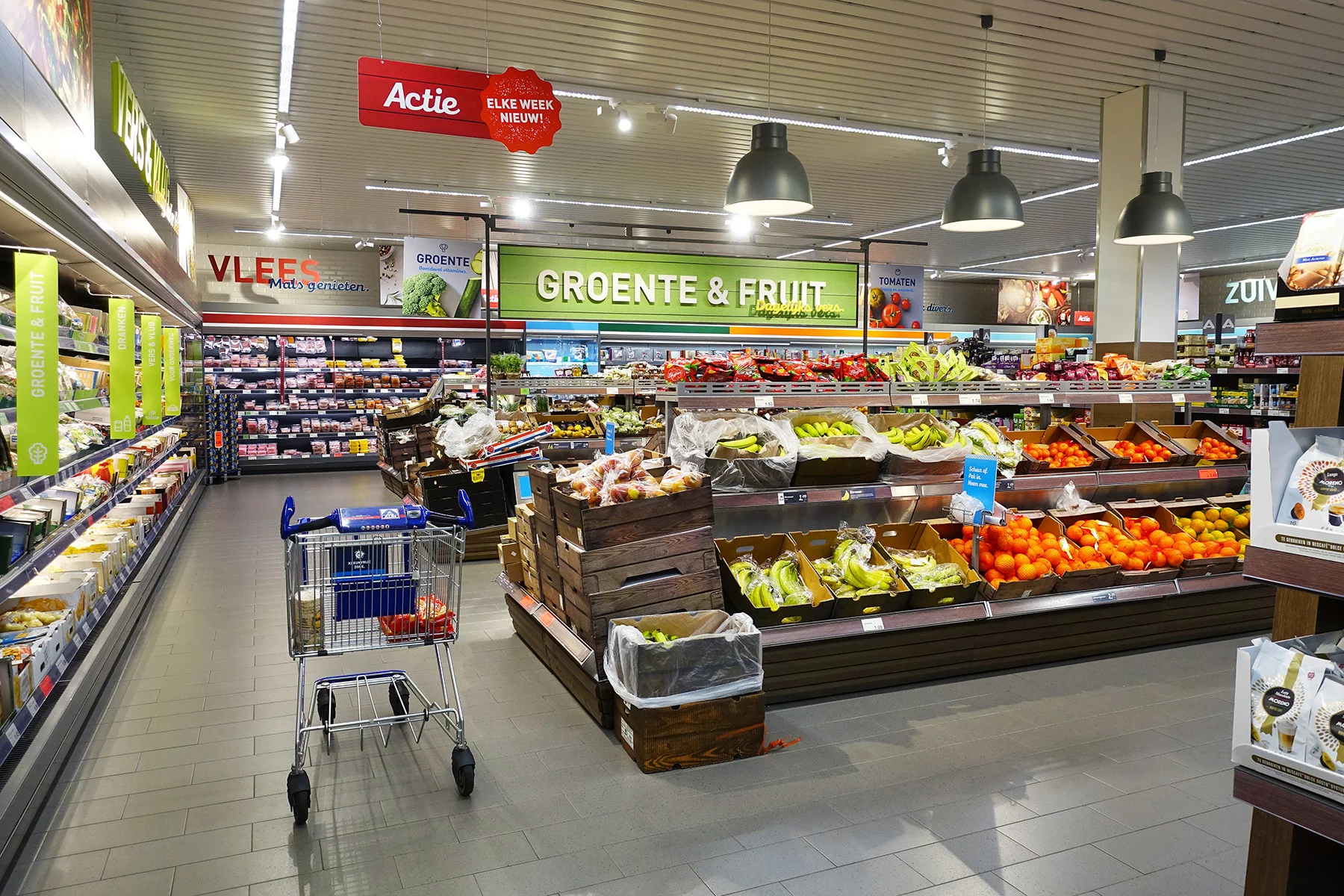
Scoupy is built specifically for saving on Dutch grocery runs without needing a full budgeting system. Instead of store-wide discounts, the app focuses on brand-specific cashback and product trial offers across major supermarkets like Albert Heijn, Jumbo, Lidl, and Plus. You buy the featured item, scan your register receipt, and receive a refund directly into your bank account. Because offers change weekly and require manual scanning, it rewards shoppers who like planning meals around deals rather than those looking for passive savings.
Too Good To Go
Too Good To Go is a practical anti-waste app for cutting food spend when you are flexible. In Dutch cities it works best for bakery pickups, supermarket extras, and prepared meals near stations or offices, so it can chip away at lunch and snack costs as well as your grocery bill. One thing worth knowing is that the saving comes from Surprise Bags of unsold food, not from choosing an exact basket. If you like predictability or have strict dietary needs, the trade-off is obvious: pickup times and contents can vary.
Woolsocks
For expats who struggle to stick to rigid budget limits, Woolsocks offers a more relaxed, reward-driven approach to money management. By combining automatic merchant cashback, digital voucher deals, and basic transaction overviews, the app fits right into daily life in the Netherlands. Its biggest appeal lies in earning passive perks without requiring active tracking. The main trade-off is that full functionality, like automatic rewards, depends on linking your main Durch bank account, so you will want to verify which local stores are currently participating.
Where cashback and round-ups help most
Cashback and automatic micro-savings help most when your spending is already digital, like getting money back on household purchases, while small round-ups build a buffer for annual bills or travel. Check the official app page before you sign up, because partners and saving mechanics can change.
NS app and OVpay
For many expats in the Netherlands, no best money saving apps shortlist is complete without transport. The NS app and OVpay help you see what you actually spend on trains, buses, trams, and metro, which matters when daily commuting or hybrid office life starts eating into your budget.
OVpay, the national tap-in payment system for public transport, is especially useful because its app shows travel history, payments, missed check-ins, and expense claims. The NS app helps with route planning and makes it easier to compare pay as you go with a travel product, especially if you regularly use public transport in the Netherlands.

Compare the maths if you have:
- Daily commuting
- Part-time office travel
- Off-peak train use
- Frequent city transport
The saving comes from choosing the right product for your pattern, not from the app alone.
N26
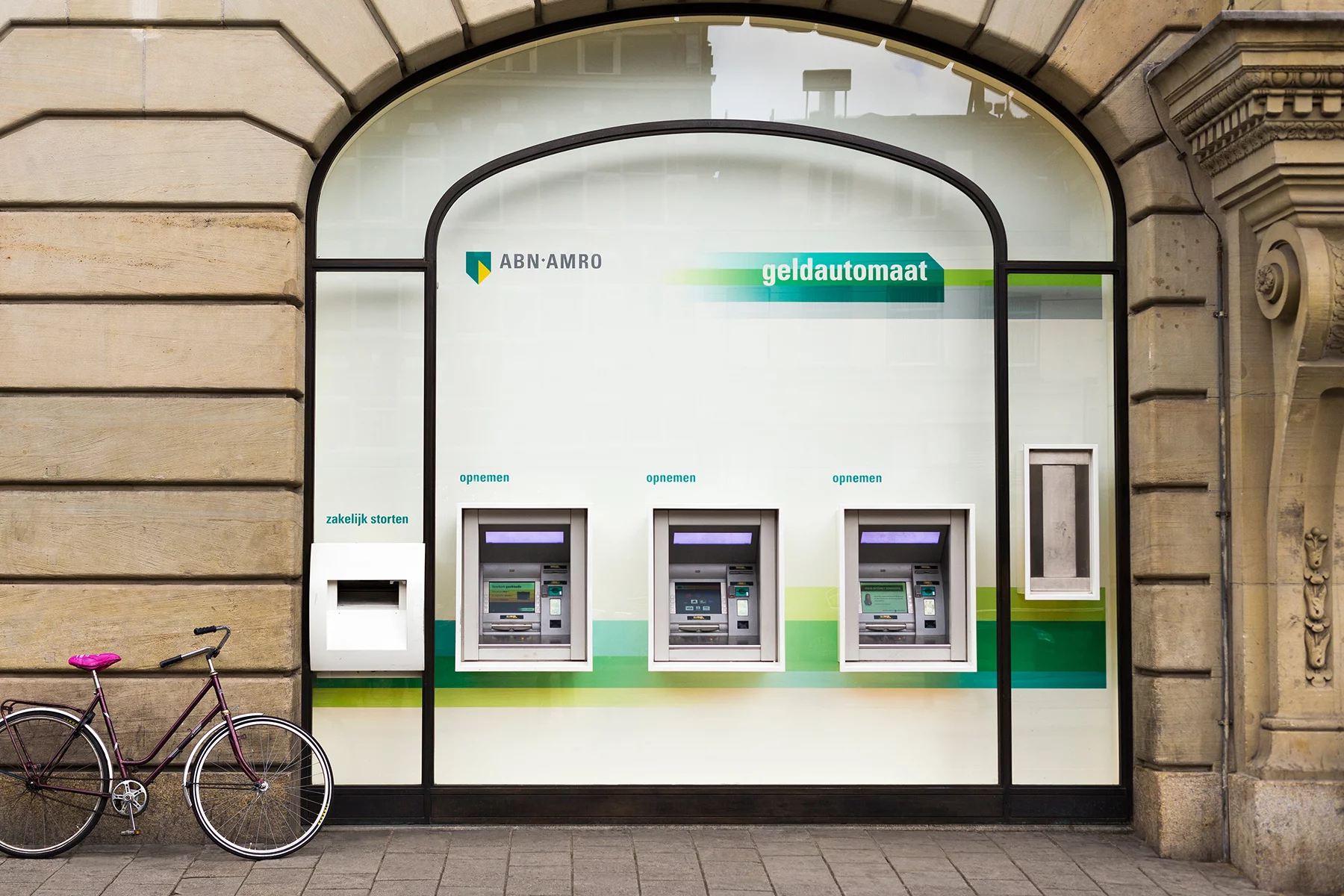
N26 is worth considering if you want mobile-first everyday money management, especially for spending insights, shared bills, and Spaces sub-accounts. That can be handy for flatmates or couples settling in, but it works best alongside, not instead of, opening a Dutch bank account.
What to check before relying on a non-Dutch IBAN
Convenience in the app is not the same as full local fit. Check your own salary flow, direct debits, landlord preferences, and service onboarding before you rely on any non-Dutch or non-local-first setup.
Wise
Wise is most useful when your savings problem sits in currency conversion rather than groceries or subscriptions. If you get paid in one currency, spend in euros, send money home, or need to move funds for deposits or travel, a multi-currency setup can make costs clearer. It also makes sense as a companion to local banking, especially if you are comparing mobile banking in the Netherlands and still setting up day-to-day Dutch money habits. It is not a full answer to every local banking task, so check current pricing and features before relying on it.

When a multi-currency account can save money
Exchange costs become a real budgeting issue when money comes in one currency and goes out in euros, or when you make regular international transfers. The useful comparison is the total cost, not just the headline fee.
FAQ
Frequently asked questions about best money saving apps in the Netherlands
What is the best budgeting app in the Netherlands? 
There is no single best budgeting app choice in the Netherlands for every expat. Dyme is stronger for local budgeting and subscriptions, while Woolsocks or N26 may suit you better if you want passive insights or app-based spending tools.
Which money saving apps work with Dutch bank accounts?
That depends on the app and your bank. Local-first tools such as Dyme and Woolsocks are the clearest place to start, but connections with ING, ABN AMRO, Rabobank, and other accounts can change, so check the official pages before sign-up.
Are cashback and grocery savings apps worth using in the Netherlands?
Often, yes, but only if you use them consistently. A cashback app Netherlands option like Woolsocks or a grocery savings app choice like Scoupy can help, but the value depends on current supermarket, pharmacy, or merchant participation and whether you are willing to do the extra steps.
Can Wise or N26 replace a Dutch banking app?
For some needs, yes, but not for every Dutch banking scenario. Wise is stronger for cross-border transfers, while N26 can help with day-to-day app management, but many expats still prefer a local banking app for the smoothest local setup.
Which apps help cut transport, subscription and household costs in the Netherlands?
Dyme is useful for subscriptions and recurring bills, while the NS app and OVpay help you review commuting costs. For annual charges, allowances, and the wider budget picture, it also helps to understand taxes in the Netherlands.
Useful resources
Information checked 4th September 2026
Related Articles



Editor's picks
 Human and civil rights in the NetherlandsFrom the right to protest to protection from discrimination, here's what you need to know about human rights in the Netherlands.
 Child benefits in the NetherlandsYou can claim different types of child benefits in the Netherlands, to help with the costs of child-rearing, schooling, and childcare.
 Primary schools in the NetherlandsConfused by the primary school system in the Netherlands? We explain how it works, from educational approaches to international options.
Did you find this guide helpful?