'%20id='ico-down'%20stroke='%23000000'%20stroke-width='1.5'%3e%3cg%20transform='translate(1092.250000,%20254.750000)'%3e%3cpolyline%20id='Path-2-Copy-4'%20transform='translate(5.500000,%202.750000)%20scale(1,%20-1)%20rotate(-180.000000)%20translate(-5.500000,%20-2.750000)%20'%20points='0%200%205.5%205.5%2011%200'%3e%3c/polyline%3e%3c/g%3e%3c/g%3e%3c/g%3e%3c/svg%3e)



The Netherlands is a fantastic base for business studies, but picking an MBA programme is about practical fit rather than prestige alone. Your choice should line up with your career background and long-term career goals in Europe.
This guide offers a realistic breakdown for international applicants. We evaluate top institutions like RSM and Nyenrode while mapping out total investment costs and post-graduation visa pathways.
Key takeaways
- Full-time MBAs, executive tracks, and specialized master’s options are not interchangeable, as each targets a specific background and career goal.
- Leading business schools in the Netherlands generally charge between €49,000 and €70,000 in tuition, before factoring in administrative fees.
- High GMAT scores are not always mandatory, since many schools accept the GRE, an Executive Assessment, or their own in-house entry test instead.
- International students can take advantage of the zoekjaar scheme, an IND permit granting a one-year window to secure a job in the Netherlands post-graduation.
- Where you live impacts both your daily budget and your professional network, so consider whether you want the fast-paced environment of Amsterdam or the different lifestyle and cost perks of Rotterdam, Breukelen, or Maastricht.
Is the Netherlands good for an MBA?
The Netherlands works well for MBA candidates who want an English-taught classroom and access to an international business setting. Amsterdam, Rotterdam, and the wider Randstad give you strong employer access, while the country’s compact size makes travel and networking easier.
A common question is whether rankings alone tell you enough. In real life, career events, company projects, alumni reach, and location often matter more than a headline table position.
In the Netherlands, the strongest networking value often comes from employer links in Amsterdam and Rotterdam rather than from rankings alone, so compare career events and company projects as closely as you compare tuition.
The trade-off is cost and uncertainty. A Dutch MBA can be expensive, housing is tight, and outcomes still depend on your prior work experience, sector fit, and sometimes Dutch language ability after graduation.
If you are early in your career, one thing worth knowing is that a specialist master’s may fit better than an MBA. Dutch school websites often place MBA and MSc pages close together, but they target entirely different career stages.
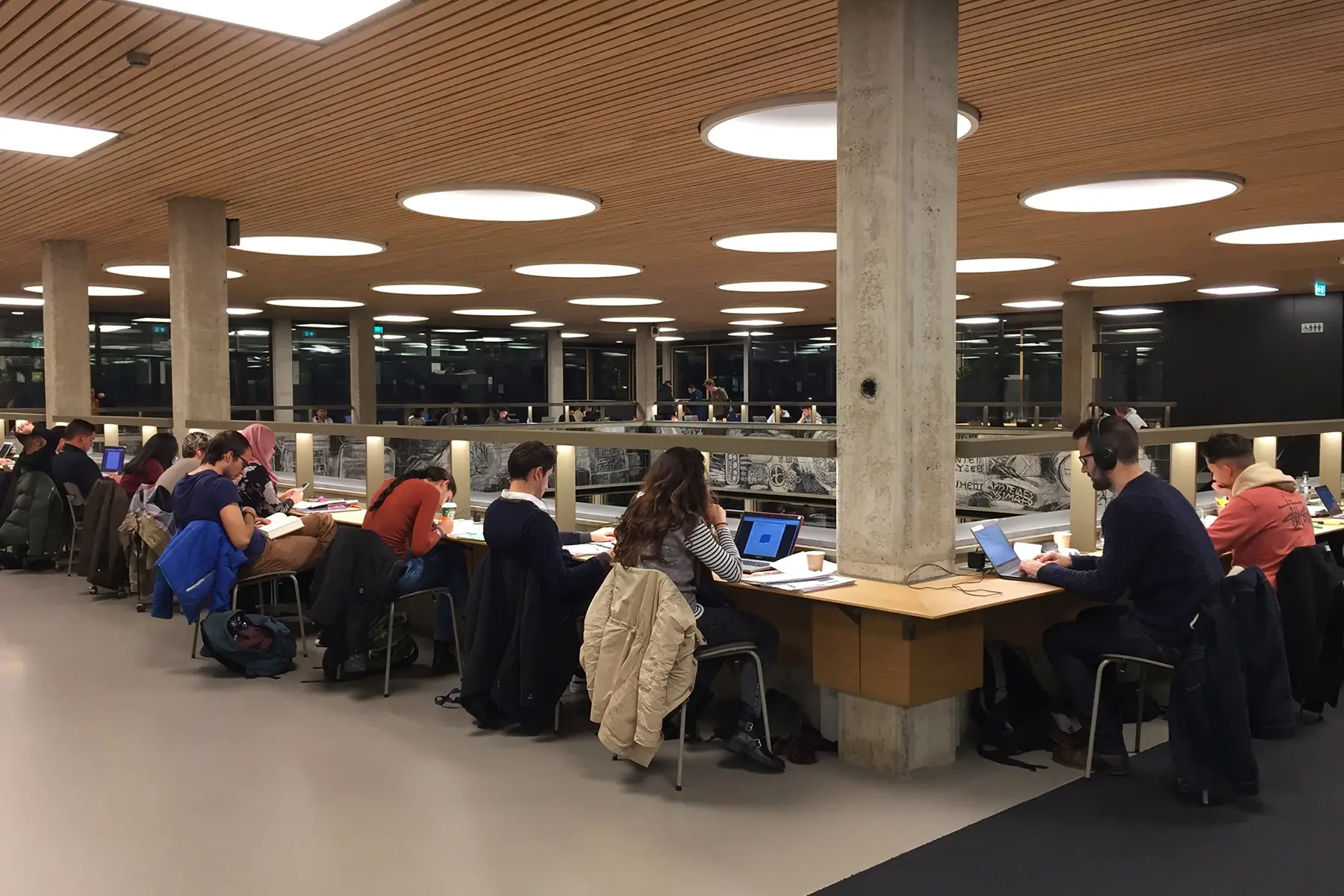
Best MBA programmes in the Netherlands
If you are building a shortlist, start with format, work experience, city, and total cost rather than branding alone. For a wider look at Dutch universities, Expatica’s guide helps with the wider higher education landscape.
| School | City | Format and duration | Indicative tuition | Best fit |
|---|---|---|---|---|
| Rotterdam School of Management | Rotterdam | Full-time, 12 months | €70,000 | Career switchers who want a large international cohort and strong employer exposure |
| Nyenrode Business University | Breukelen and Amsterdam | Full-time, 14 months, plus executive option | €49,000 full-time | Applicants weighing campus life, Dutch business links, and alternatives to GMAT only |
| Amsterdam MBA | Amsterdam | Full-time, 12 months | €52,000 | Applicants who want Amsterdam location, a city-centre network, and a smaller cohort |
| Maastricht-based MBA options | Maastricht | Format varies by provider | Verify on provider site | Applicants who want a smaller city, cross-border setting, and potentially lower living pressure |
Rotterdam School of Management
RSM’s International Full-time MBA runs for 12 months and is positioned as a premium option. It suits readers aiming for a career switch, especially if they already have solid work experience and want a highly international class in Rotterdam.
Current admissions guidance points to an undergraduate degree, at least three years of postgraduate experience, and a test score through GMAT, GRE, Executive Assessment, or RSM’s BAT. RSM also places heavy weight on career transition and employment in the Netherlands and Europe.
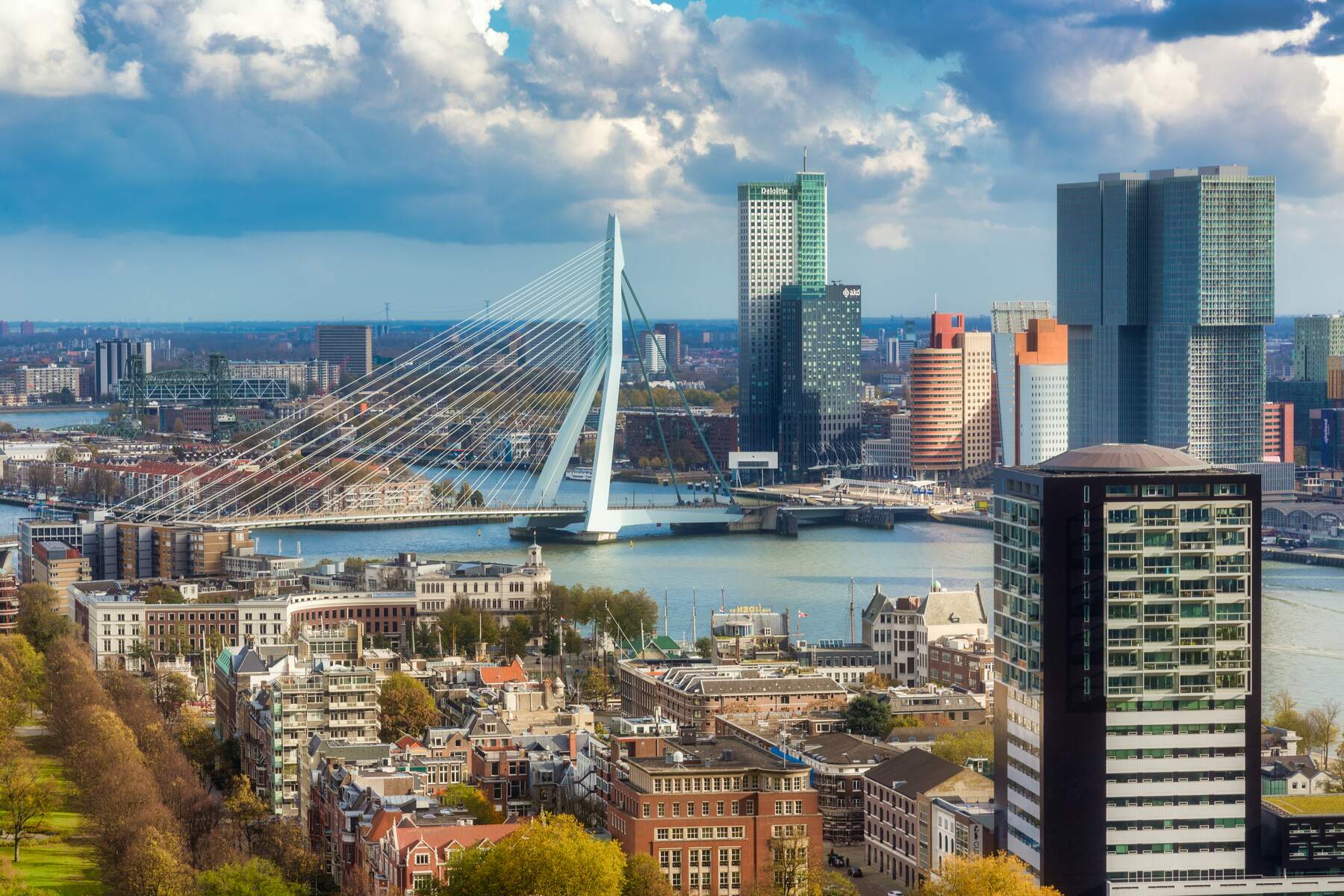
Nyenrode Business University
Nyenrode is useful if you are comparing a classic campus-based MBA with an executive route. Its full-time Impact MBA runs for 14 months in Breukelen, while the executive option is designed for professionals who want to keep working.
Nyenrode is one of the most flexible options for applicants aiming to avoid traditional standardised testing. You can submit a GMAT or GRE score, or choose to sit the school’s proprietary LTP test. Just keep in mind that a GMAT waiver simply changes the type of assessment you take, rather than removing test requirements entirely.
Amsterdam Business School
Studying at Amsterdam Business School puts you right in the commercial heart of the Netherlands. The full-time Amsterdam MBA combines an intensive, one-year curriculum with immediate access to a dense network of international headquarters, tech scale-ups, and global consultancies right on your doorstep.
Make sure you double-check course titles during your research, as the faculty also runs part-time and sector-specific executive formats. Comparing these options carefully ensures you apply for the degree that matches your availability and experience level rather than an executive variant.

Maastricht-based MBA options
Studying in Maastricht suits applicants looking for an international environment without the housing pressure and fast pace of Amsterdam. Its unique location on the border of Belgium and Germany makes it a good choice if you want to build a career network that spans multiple European markets.
Because local management programs are organised through Maastricht School of Management (MSM) at Maastricht University, delivery formats vary significantly. Take time to compare the intensive residential full-time MBA with part-time executive and online options to ensure the workload fits your professional commitments.

What do admissions teams look for?
While every business school shapes its application process differently, admissions teams generally focus on a common set of requirements:
- A recognised prior degree
- Several years of professional experience for most MBAs
- English proficiency
- A CV and references
- Motivation essays
- An interview
- A quantitative or analytical screen
Where applicants often run into trouble is assuming that one school’s entry guidelines apply across the board. In reality, Dutch institutions vary widely when it comes to test requirements, entrance exam exemptions, and minimum career length.
GMAT, English tests, and work experience
Your career history plays a big role in a Dutch MBA application. Most full-time tracks expect at least three years of professional experience, though executive options typically look for candidates with proven management or leadership background.
When it comes to testing, always review specific requirements directly on each school’s admissions portal. Institutions accept various combinations of the GMAT, GRE, Executive Assessment, or their own internal exams, alongside English tests like IELTS or TOEFL. Crucially, coming from an English-speaking background or holding a prior degree taught in English does not automatically guarantee an exemption, so verify waiver policies well before applying.
Can you do an MBA in the Netherlands without GMAT?
Yes, sometimes, but the important detail is how. Some schools offer alternatives, exemptions, or their own assessments, especially for applicants with stronger quantitative education or more experienced profiles.
A common misconception is that “without GMAT” means no academic screening at all. However, schools may still require an in-house analytical test, a competence test, or stronger evidence from your degree and work history.
How much does an MBA in the Netherlands cost?
MBA costs in the Netherlands go well beyond tuition. You need to budget for application fees, housing deposits, insurance, transport, books or software, and your first month or two before everything settles.
One thing worth knowing is that general Dutch master’s fee guides can understate MBA reality. MBA tuition sits far above standard public master’s fees, so always compare the specific programme page, not just country averages.
Tuition, scholarships, and application fees
On this shortlist, tuition currently runs from roughly €49,000 to €70,000. Application or assessment fees can sit on top, and scholarships exist, but they rarely make an MBA cheap in the way some readers hope.
If you are paying deposits from abroad, you can compare Wise for international transfers and a multi-currency account if you want to hold euros before paying school or housing bills.
Living costs in Dutch MBA cities
Rental prices differ sharply across university towns. Amsterdam remains the most expensive option, whereas studying in Rotterdam gives you a bit more scope to balance location with budget. Moving away from the main commercial hubs to campuses in Breukelen or Maastricht can lower your living expenses, though high demand for housing remains a factor nationwide.
Beyond tuition, ensure your upfront budget covers your initial six-week setup period. You will need immediate cash for rent, security deposits, public transport, health insurance, and local municipal registration fees. Treat your accommodation search as a day-one priority to secure a place well before your course begins.

What happens after graduation?
For many readers, this is the deciding factor. A Dutch MBA may feel more worth the cost if it gives you a realistic route to stay, search, and then move onto an employer-sponsored permit.
Current official guidance points to a one-year orientation year after eligible graduation. Immigration policy can change, so you should verify the latest rules with IND and not rely on old claims or forum posts.

The orientation year after your MBA
Current IND guidance points to a one-year orientation year, not 18 months.
- It is designed to let eligible graduates stay in the Netherlands to look for work or start a business.
- It can help bridge the gap between graduation and a later work-based permit.
- You should confirm eligibility, timing, and application steps directly with IND before making plans.
Career services, networking, and EU job access
Do not judge career support by one sentence on a brochure page. Compare employer events, coaching, company projects, alumni access, and whether the city gives you regular contact with recruiters in your target sector.
A Dutch MBA can improve your access, but it does not guarantee a job. The more your prior experience, target role, and local networking line up, the stronger your likely return.
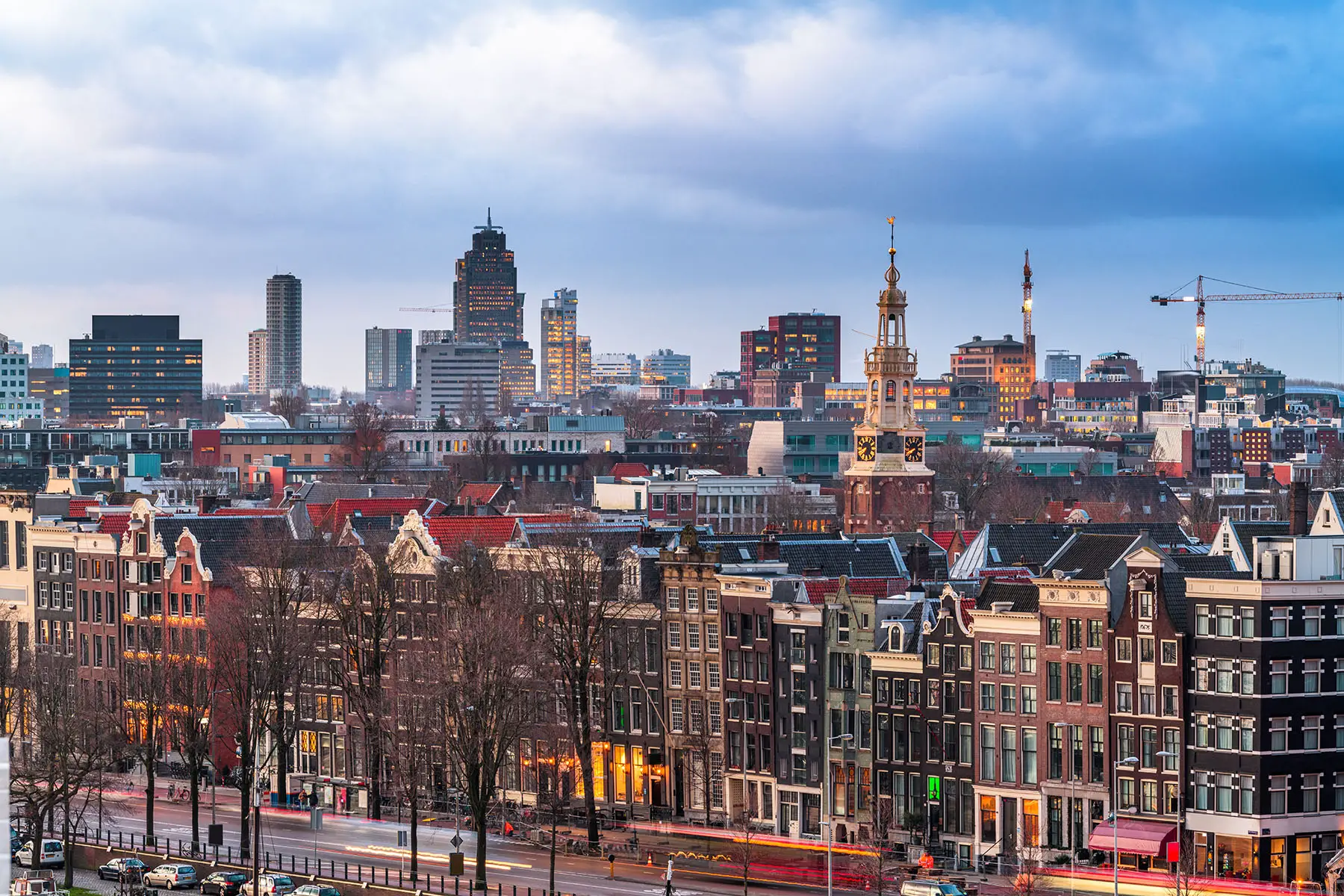
How to shortlist and apply
Use a simple process so you do not lose time comparing the wrong things:
Define the outcome you want, such as a career switch, acceleration, entrepreneurship, or European relocation.
Choose the right format, whether that’s a full-time MBA, executive MBA, or specialist master’s.
Check admissions fit first, especially work experience, English rules, and test options.
Compare total cost, not tuition alone, including housing and first-month setup.
Verify the visa route and post-study rules with IND.
Apply early enough to leave time for housing, permits, and document checks.
One student writing for Study in NL described the housing search as so difficult that they started before admission was fully settled. That is a good reality check for MBA applicants too.
Expatica tip: Housing timelines can become a bigger risk than application timelines in Dutch cities, so once you are admitted, treat accommodation as urgent, not as a later admin task.
How to manage tuition and everyday money in the Netherlands
The practical challenge for many new arrivals is timing. You may need to pay an application fee, tuition deposit, rent deposit, and daily living costs before your Dutch setup is fully in place.
Major local banks such as ING, ABN AMRO, and Rabobank may still be part of your long-term banking setup, but they are not always your first step on day one. New arrivals often need a bridge for sending money into euros, covering early bills, and paying while they wait for every local process to catch up. Expatica’s guide to getting a BSN in the Netherlands is useful here because registration affects many other setup tasks.
If you’re after a convenient solution, Wise can help with international transfers, holding euros in a multi-currency account, and spending with a debit card during the first months and when travelling between the Netherlands and home. Wise allows you to open an account before you move, giving you the ability to hold and manage euros immediately. This setup can be particularly useful for paying tuition deposits or housing fees from your home currency, allowing you to avoid the high exchange rate markups or processing delays sometimes associated with international wire transfers.
FAQ
FAQ
Which MBA is best in the Netherlands for international students? 
There is no single best MBA for everyone. The right choice will depend on your career stage, budget, city preference, and whether you need a full-time or executive format. Compare format, admissions fit, and employer links before you compare reputation alone.
Is the Netherlands good for MBA jobs after graduation?
It can be, especially if your experience fits sectors that hire internationally and you use the year well for networking. But the orientation year does not guarantee a job, and outcomes still depend on your background, target role, and sometimes Dutch language ability.
Can international students work while studying for an MBA in the Netherlands?
Rules depend on your nationality and permit type. Non-EU students usually face tighter conditions than EU or EEA students, and employer paperwork can still matter. Always check the current IND rules before taking a job.
Do you need Dutch for an MBA in the Netherlands?
Many MBA programmes are taught in English, so Dutch is often not needed for admission or classroom learning. But Dutch can still help with networking, team culture, and some job searches after graduation.
Useful resources
Information checked 8th August 2026