If you are an expat, digital nomad, retiree, or long-stay visitor, tax residence often changes whether the Italian government looks only at Italian-source income or at your wider income position. Once you understand residence, the broader taxes for expats in Italy picture becomes much easier to follow.
In this guide, we’ll explore the main tests, how day counting works in practice, what documents to keep, and what to do if Italy and another country could both claim you as a tax resident.
Note that it’s important not to mix this up with visa rules or local registration alone. They can overlap with tax residence, but they do not answer the same question.
Key takeaways
- Calendar year: Italy assesses residence over the tax year, 1 January to 31 December. Count your days and ties by calendar year, not by visa or lease dates.
- 183 days is not the only trigger: Physical presence is just one test. Also review your family ties, your home setup and your local registration.
- Part-days usually count: Fractions of a day can count, including arrival and departure days. Keep flight, train and hotel records if your count is close.
- Anagrafe registration: Being on the local resident register is highly relevant. Since 2024 it is a rebuttable presumption, not the whole test. Keep your registration date, cancellation date and housing records.
- Dual residence: Two countries can both claim you as a tax resident. Check the treaty position before assuming where you are resident for tax purposes.
Wise for managing Italian tax payments in euros
- Wise for managing Italian tax payments in euros
- Hold while you wait: Keep funds in supported currencies during a refund claim
- Pay in EUR: Convert and send euros for Italian payments, fees shown upfront

No commitment required
What the 183-day rule means in Italy
Italy’s tax year runs from 1 January to 31 December. Under the post-2024 rules in Legislative Decree 209/2023, later explained by Agenzia delle Entrate Circular 20/E, being physically present in Italy for most of that year can make you a tax resident.
“Most of the year” has a specific meaning under the current day-count rules:
- In a normal year, the threshold is 183 days.
- In a leap year, the threshold is 184 days.
- Non-consecutive days can be added together across the same calendar year.
- Fractions of a day can count, so arrival and departure days usually count as days in Italy.
That last point matters. If you land late in the evening or leave early in the morning, the day can still count for physical presence.
For example, if you arrive on 2 July and leave on 31 December in a normal year, both the first and last day count. That gives you 183 days in Italy, even though you were not there for six full months.
The days also do not need to come from one continuous stay. A spring visit, summer return, and fall work period can all be added together if they fall in the same tax year.
Other tests that can make you tax resident
183 days is not a safe harbor. Under the current framework, the tests are alternative, which means meeting any one of them for most of the tax year can be enough.
Many people wrongly assume that staying under the physical-presence threshold settles the issue. It does not. You can stay under 183 days and still face Italian residence risk if your personal and family life, your usual home, or your resident-register position still points to Italy.
That is especially relevant for people who keep a family base in Italy, split time with a second home, or work remotely for a foreign employer from Italian soil. Owning property or holding a visa is not decisive by itself, but neither point should be treated as irrelevant.
Italy-based cross-border tax specialists at Taxing.it make the same point in their post-2024 guidance: the tests are alternative, so staying under 183 days does not settle the question on its own.
Domicile, habitual abode, and anagrafe
Italy now defines domicilio for tax residence as the place where your personal and family relationships mainly develop. In plain English, that usually means asking where your close family life is centered, not just where you earn money.
Residenza, or habitual abode, looks more like your usual home in practice. It is the place that functions as the base of day-to-day life, even if you also spend time elsewhere. Someone can therefore spend time abroad and still face questions if Italy remains the place they habitually return to.
Registration in the anagrafe, the resident population register managed through your local Comune, or municipality, also matters. Since 2024, being entered in the resident register for most of the year is no longer the whole test on its own, but it still creates a strong presumption that Italy is your tax residence unless the facts point clearly the other way. Because local data now feeds into the national ANPR system, the admin trail is easier to trace than many expats might assume.

Expatica Content Editor
Connor Glaze
Insider Tip
Registering with the anagrafe to solve a local admin problem can still create a tax-residency trail, so keep copies of your registration date, any later cancellation, and related housing documents.
What becoming tax resident in Italy can change
The main practical shift is usually between worldwide taxation for residents and Italian-source taxation for non-residents. This difference is why the residence question matters long before you get to forms and filing deadlines.
If Italy treats you as resident, your wider reporting position can also change. This may affect how you look at foreign salary, pensions, rent, investments, or bank accounts, even if the final tax result depends on treaties or credits.
In practice, this can affect which return you use, whether foreign income needs to be declared, and whether you need to think about foreign-asset reporting. It does not mean every euro is taxed twice, but it does mean you should stop thinking only in terms of days spent in Italy. At the same time, non-resident does not mean tax-free, because Italian-source salary, rent, or other income can still be taxed in Italy.
| Position | What usually changes | Action point |
| Italian tax resident | Italy may look at worldwide income, not only income connected to Italy. | Review foreign income, foreign assets, and possible treaty relief. |
| Non-resident for Italian tax purposes | The Italian government usually focuses on Italian-source income only. | Check whether any work, rent, or other income counts as Italian-source income. |
| Unclear or dual-residence case | Two countries may both apply their domestic rules first. | Review the treaty before assuming which country ‘wins’. |
Worldwide income, foreign assets, and treaty tie-breakers
- Worldwide income: Residents may need to consider income from inside and outside Italy, not just local salary.
- Foreign assets: Some readers may also have foreign-asset reporting issues if they are resident in Italy.
- Treaty tie-breakers: If two countries both say you are resident, a double taxation agreement for expats in Italy may help decide which country counts as your residence for treaty-covered purposes.
Italy generally does not use a broad domestic split-year system, so do not assume that a mid-year move automatically divides the tax year into a resident part and a non-resident part. Some treaties can soften the result in specific cross-border cases, but you should treat those as exceptions that need checking, not default outcomes.

How to check your status step by step
Work through these checks in order. It is easy to reach the wrong conclusion by skipping ahead.
Count your days for the calendar year. Use the period from 1 January to 31 December, not your visa validity or rental period. Add non-consecutive days together, and count arrival and departure days if they qualify. Do not confuse this with Schengen, visa, or lease limits, because Italy counts residence by the tax year.
Review where your personal and family life is centered. Ask where your partner, children, and everyday personal ties are mainly based during the year. Think about where you return after trips, where you spend ordinary time, and which country looks most like your real home life.
Check your home setup and local registration. Did you establish a stable home in Italy, register with the anagrafe, or leave a paper trail that shows Italy as your usual base? A leased apartment, family home, or long-stay arrangement can all matter, but property ownership alone still does not give a final answer.
Check whether another country might also claim you. If yes, compare both countries’ domestic tests and then review the treaty tie-breaker rules. Start with the official treaty list, then move to the text of the treaty itself if the answer isn’t clear.
For practical verification, use passport stamps where available, boarding passes, booking confirmations, lease dates, utility records, and any Comune registration paperwork. If needed, ask the local registry office to confirm the dates held on file. A spreadsheet or simple calendar is fine, as long as it matches the documents.
Evidence and records to keep
Keep a simple file with:
- Boarding passes and travel confirmations
- Lease agreements or property-use records
- Hotel or short-stay booking records
- Utility bills
- Comune registration and cancellation paperwork
- Notes on where your spouse, partner, or children lived during the year
- Emails or letters confirming a change of address
- Any calendar or diary that matches your travel pattern
Keep this evidence in case you’re questioned later or if your situation is a borderline case.
Common scenarios for expats, nomads, and long-stay visitors
Note that these examples are editorial scenarios, not legal rulings. The point is not to give a verdict on each case, and show which facts tend to drive risk.
If you are working remotely, Expatica’s digital nomad visa in Italy guide covers the immigration side, but immigration status and tax residence are separate questions.
| Scenario | Main pressure point | Next review |
| A digital nomad spends seven months in Italy | Physical presence alone may be enough to trigger residence. | Count the days carefully and then check whether another country also claims residence. |
| A second-home owner stays under 183 days | Day count may help, but habitual-home or family-tie questions can still matter. | Review how the home is used, how long it is available, and where daily life is really centered. |
| Someone’s spouse and children remain in Italy | Personal and family ties may point to Italy even below 183 days. | Check where close family life is mainly based during the calendar year. |
| A new arrival registers locally after moving mid-year | Anagrafe registration can create a strong residence presumption. | Check the registration date, housing evidence, and whether a treaty could matter. |
Practical note: if you split time between countries, your tax-year diary should match your housing, registration, and family-tie evidence, not just your flight calendar.

What to do next if your position is unclear
If your facts are mixed, stay practical. Start by checking the latest Agenzia delle Entrate residence guidance, then gather your travel, housing, and registration evidence in one place. If you move from planning into filing or registration, keep your codice fiscale, or Italian tax identification number, handy as well.
Next, review whether another country may also treat you as resident and whether a treaty changes the picture. Online forum answers can help you spot issues, but they are not enough to rely on when the facts are close.
Before you file, register, or rely on non-resident treatment, speak to a qualified commercialista, a CAF, or Fiscal Support Centre, or a cross-border tax adviser. If a return may be due, Expatica’s filing income taxes in Italy guide is a useful next read alongside the official filing instructions. Sending a simple timeline and your key documents before the first meeting will usually make that advice more useful.

Managing cross-border money while living between countries
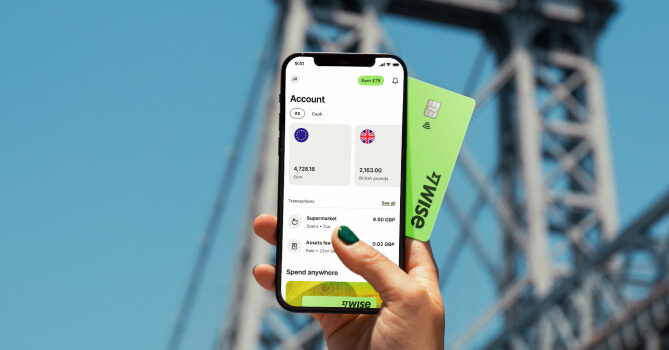
If you split time between Italy and another country, you may also need a practical way to move money between currencies and spend in more than one place. A free-to-open Wise account can be useful for that kind of day-to-day money management, especially if you want to cover rent, daily spending, or transfers without opening a new account in every country.
Something to note: Wise does not determine tax residency, replace tax advice, or file taxes for you.
Am I automatically tax resident in Italy after 183 days? 
183 days can be enough under Italy’s physical-presence test, so it is a major trigger. But “automatic” can still be misleading, because the wider residence framework and any treaty position may also matter. If another country also claims you, the treaty analysis becomes important.
Do arrival and departure days count in Italy?
Usually yes. Italy’s post-2024 guidance says fractions of a day can count for physical presence, so arrival and departure days can matter if your total is close to the threshold. That is why boarding passes and booking records are important to keep.
Can I be tax resident in Italy even if I stay fewer than 183 days?
Yes, potentially. Italy may still look at your domicilio, your habitual home, or your resident-register status, so staying under 183 days is not a complete answer on its own. Family ties and a settled home base can matter as much as the travel count.
Does anagrafe registration make me tax resident in Italy?
It is highly relevant and can support an Italian residence position, but it is not a standalone magic rule. Since 2024 it works as a rebuttable presumption, which means the dates and surrounding facts still matter. Registering to solve a local admin problem is therefore something to document carefully.
How do double tax treaties affect Italy tax residency?
If two countries both treat you as tax resident under their domestic rules, a treaty may help decide which one counts as your residence country for treaty-covered purposes. Treaties usually look at factors such as permanent home, center of vital interests, and habitual abode. The answer depends on the treaty wording and your facts, so it’s worth checking with a professional.
This guide reflects official post-2024 guidance from Agenzia delle Entrate, or Italy’s Revenue Agency, checked in September 2026, but residence decisions are fact-specific and rules can change.
Sources
Expatica’s experts are all about providing the most up to date and accurate information. All guides are fact checked, and whenever we use external sources (like government websites or research papers) we’ll make a note of them here so you can check them out too.
- Residence for tax purposes, Agenzia Entrate
- Individual – Residence, Worldwide Tax Summaries
- Italian Statutory Tax Residence Test For Individuals, Taxing.it
- Tax Residency in Italy for Individuals and Companies, AC Legal
- Taxes for expats in Italy: how do they work and how to pay, Expatica
- The tax system in Italy, Expatica
- How to file your income taxes in Italy in 2026, Expatica
- Digital Nomad Visa in Italy, Expatica
- US remote worker relocating to Italy, Expat
- Tax-Habitual Residence, Expat Forum