




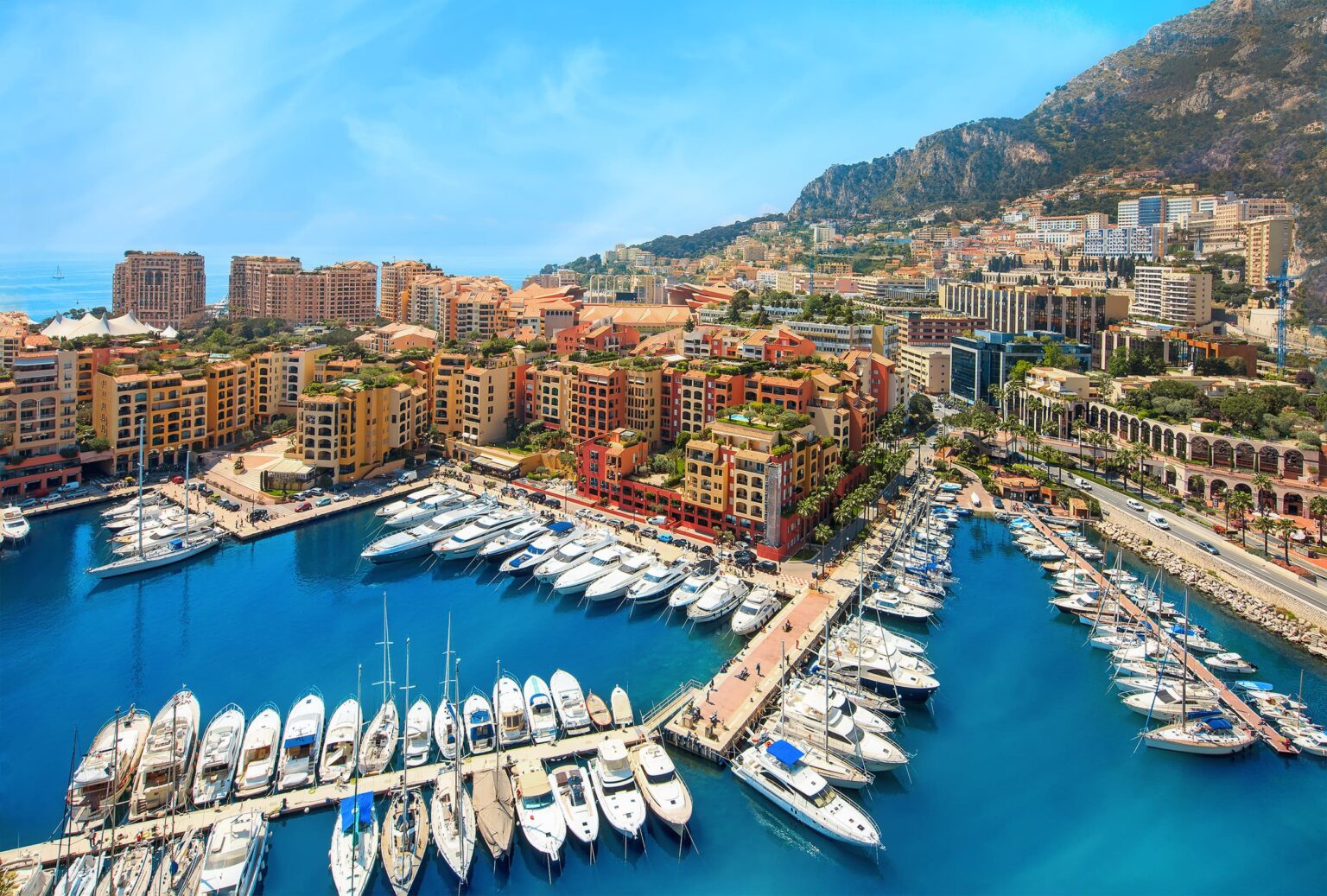
Monaco is one of the world’s most expensive places to live, and housing is by far the biggest factor shaping an expat budget. Everyday costs such as groceries, transport, healthcare, and leisure can also add up quickly, especially for families. If you’re considering moving to Monaco, it helps to understand both the typical monthly expenses and the extra costs that are easy to overlook. This guide breaks down the main costs of living in Monaco so you can compare your options and build a more realistic budget.
Prices in Monaco can change quickly. The figures below combine official Monaco sources, local guidance, and widely used cost databases, so treat them as a starting point and check current listings and official pages before making decisions.
Key takeaways
- Biggest expense: Housing is usually the main budget driver in Monaco.
- Single-person budget: Modest living can still be expensive once rent is included.
- Family budget: Larger housing, childcare, and school fees can push costs much higher.
- Nearby France: Living over the border can reduce rent, but adds commuting and residency considerations.
- Everyday costs: Groceries and transport are expensive, but housing is usually the bigger financial shock.
- Tax context: Most Monaco residents do not pay personal income tax, but nationality and individual circumstances matter.
Wise Account for managing Monaco living costs
- Hold and convert supported currencies for Monaco expenses.
- Plan euro spending across Monaco, France, and home.
- Check fees before international transfers.

What does it cost to live in Monaco overall?
The short answer is: a lot, especially if you want to live in Monaco itself rather than across the French border. For most expats, rent is the factor that changes the budget most dramatically. Once housing is in place, groceries, transport, and everyday spending still matter, but they usually do not compare with accommodation costs.
A useful way to think about Monaco is to separate the cost of living excluding rent from full monthly spending including rent. Someone who already has subsidized housing, for example, will have a very different budget from someone entering the rental market at current Monaco prices.
For this guide, the monthly budget estimates include rent, utilities, groceries, transport, basic healthcare costs, and moderate leisure spending.
Sample monthly budgets for different households
The following table gives broad monthly estimates for several household types.
| Household type | Broad monthly range | Main cost drivers |
|---|---|---|
| Single person | €4,500 to €8,000+ | Rent, utilities, food, transport |
| Couple | €7,000 to €12,000+ | Larger rent, dining, lifestyle spending |
| Family of 4 | €12,000 to €25,000+ | Housing, childcare, school fees, transport |
These are broad ranges, not fixed budgets. A family using international schools or premium housing can easily spend more, while a single person living very modestly or commuting from outside Monaco may spend less.
Housing costs in Monaco
Housing is the defining cost of life in Monaco. The principality is tiny, demand is intense, and available rental stock is limited. That means even small apartments can command prices that would be considered very high in most other European cities.
Rent depends on location, building standard, view, size, and whether service charges are included. Central areas and sea-facing properties typically cost more, while more practical neighborhoods may offer slightly better value. Even then, “better value” in Monaco still means expensive by international standards.
The following ranges give a broad indication of current rental expectations.
| Property type | Indicative monthly range |
|---|---|
| Studio | €3,000 to €5,000+ |
| 1-bedroom apartment | €4,500 to €8,000+ |
| 2-bedroom apartment | €8,000 to €15,000+ |
| Family-sized apartment | €9,000 to €15,000+ |
These figures are broad indicators rather than market-wide averages. Current listings can fall below or well above these ranges depending on location, size, building standard, services, and view, so check live listings before setting your budget.
If you are comparing renting with ownership, Expatica’s guide to buying property in Monaco covers the purchase side in more detail.
Is it cheaper to live in France and commute to Monaco?
For many people, yes. It is often cheaper to live just across the French border and commute into Monaco. Towns such as Beausoleil, Cap-d’Ail, Roquebrune-Cap-Martin, Menton, and even Nice can offer lower rents than Monaco itself.
Cheaper rent does not automatically make this the best overall choice. You need to weigh commuting time, parking, residency status, border logistics, and your lifestyle. If you work in Monaco every day, being nearby can matter just as much as the rental savings.
A border-based setup can make sense if:
- You want a larger home for the same budget.
- You are happy to commute daily.
- You want more choice in the rental market.
- You are comfortable managing cross-border practicalities.
Everyday costs: food, utilities, and lifestyle
Once housing is accounted for, the rest of the budget becomes easier to manage, although it still adds up. Groceries in Monaco are expensive compared with many other places, but you can control some of your spending by shopping carefully and limiting premium purchases.
Dining out is where lifestyle inflation can creep in. A coffee, lunch, or casual dinner may not seem excessive in isolation, but regular spending on restaurants, drinks, and socializing can quickly increase monthly costs. The same applies to premium convenience services and frequent taxi use.
Typical everyday costs include:
- Groceries and household essentials
- Casual meals and coffee
- Basic utilities
- Broadband and mobile plans
- Occasional leisure and entertainment
Some expats are surprised by how much they spend on services rather than goods. Service charges, parking, premium childcare, and convenience spending can push monthly totals up faster than expected.
What usually costs more than newcomers expect?
Three commonly overlooked expenses are service charges, parking, and lifestyle inflation. If you live in a building with premium facilities, monthly outgoings can be much higher than the rent figure alone suggests.
Other common surprises include:
- Frequent dining out
- Childcare and family services
- Car-related costs
- Higher spending in a premium local market
Daily costs are usually easier to control than housing costs. If you need to reduce your budget, shopping habits and transport choices generally offer more flexibility than rent.
Getting around Monaco and the Riviera
Monaco is small enough that walking is often the easiest and cheapest way to get around. For many residents, that reduces the need for daily transport spending.
The local bus system, run by Compagnie des Autobus de Monaco (CAM), is the main public transport option. Monapass also lets passengers buy and manage tickets digitally. Taxis are available, but they are not a budget transport option for everyday use.
Official CAM fares listed in the source material include:
- €1.50 per trip via Monapass or contactless
- €2.00 when purchased on board
- €5.50 for a 24-hour pass
- €22 for a monthly public pass
If you live in Monaco or nearby on the French side, public transport costs can remain manageable, but parking and car ownership may add up quickly. This is especially relevant if you commute regularly across the Riviera.
Healthcare, insurance, and education costs
Healthcare in Monaco is generally high quality, but expats still need to understand how reimbursement and coverage work. Depending on your situation, you may need private insurance or a top-up policy to cover gaps.
For families, education can become one of the largest budget items after housing. International schools, childcare, and extracurricular activities can materially change what an affordable monthly budget looks like.
When planning your budget, remember to include:
- Healthcare contributions or insurance
- Private top-up coverage if needed
- Nursery or childcare fees
- School fees
- Books, uniforms, and activities
For families, the combination of housing and education is often the deciding factor. A move that looks possible on paper can become much more expensive once school costs are included.
What families should budget extra for
Families should set aside more money for childcare, international school fees, extracurricular activities, larger homes, and transport. Even small recurring costs can add up quickly when several people are involved.
If you are moving with children, check school admissions, fee structures, and waiting lists early. In Monaco, family budgeting is not just about rent. It is about the full lifestyle package.
Salaries, taxes, and what affects affordability
Affordability in Monaco depends not only on prices, but also on income and tax position. Monaco is widely known for having no personal income tax for most residents, but that does not mean every expat’s situation is identical.
Your nationality, cross-border arrangements, and home-country tax obligations can all affect the outcome. French nationals are a key exception under the France-Monaco tax convention, while residents of other nationalities may still have tax or reporting obligations elsewhere. Expatica’s guide to taxes in Monaco explains the broader context.
In practice, think about 3 questions:
- What is my likely housing cost?
- What is my expected income after tax?
- What obligations may still apply in another country?
Those factors matter more than any single headline price.
Managing money between Monaco, France, and home
If you are moving between currencies or paying expenses in more than 1 country, managing your money efficiently matters. Many expats need to convert funds into euros, track spending across borders, and understand the fees involved in paying rent or other expenses.
A Wise Account can be a useful option for holding and converting supported currencies and managing international spending, especially if you are comparing costs between Monaco, France, and your home country. It is not a replacement for legal, tax, or banking advice.
If you are also arranging local banking, Expatica explains what to expect when opening a Monaco bank account as a foreigner.
A simple checklist for new arrivals:
- Check your euro spending needs before you move.
- Compare exchange rates before large transfers.
- Keep a clear view of recurring expenses in each country.
Final thoughts
The cost of living in Monaco is high, but the size of the expense depends heavily on how and where you live. Monaco itself may justify the premium for some expats, while living just across the French border can be a more realistic option for others. Budget conservatively, verify current prices, and decide early whether you want a Monaco-based or cross-border lifestyle. If you’ll be managing money across currencies as part of your move, a Wise Account can be one option alongside your broader financial arrangements.
Sources
Expatica’s experts are all about providing the most up to date and accurate information. All guides are fact checked, and whenever we use external sources (like government websites or research papers) we’ll make a note of them here so you can check them out too.
- Official economic and demographic statistics, Monaco Statistics
- Practical guidance for settling in Monaco, Monaco Service Public – Settling in Monaco
- Residence permit procedure for new residents, Monaco Service Public – Residence permits
- Healthcare reimbursement guidance, Monaco Service Public – Healthcare reimbursement
- Official overview of taxation in Monaco, Monaco Service Public – Tax
- Public transport information, Compagnie des Autobus de Monaco
- Current commuting fare information, Compagnie des Autobus de Monaco – Commuting
- Regular bus route information, Compagnie des Autobus de Monaco – Regular routes
- Digital transport ticketing information, Monapass
- Euro foreign exchange reference rates, European Central Bank
- Supporting cost-of-living data for Monaco, Wise – Monaco cost of living
- Crowdsourced prices and living-cost estimates, Numbeo – Monaco cost of living
- Crowdsourced cost-of-living estimates, Expatistan – Monaco cost of living
- Local supporting guide to everyday costs, Monaco Pratique – Cost of living
- Supporting expat guidance for Monaco, Expat Focus – Monaco guide
- Supporting guide to living costs and healthcare context, Global Health – Monaco cost of living