
'%20id='ico-down'%20stroke='%23000000'%20stroke-width='1.5'%3e%3cg%20transform='translate(1092.250000,%20254.750000)'%3e%3cpolyline%20id='Path-2-Copy-4'%20transform='translate(5.500000,%202.750000)%20scale(1,%20-1)%20rotate(-180.000000)%20translate(-5.500000,%20-2.750000)%20'%20points='0%200%205.5%205.5%2011%200'%3e%3c/polyline%3e%3c/g%3e%3c/g%3e%3c/g%3e%3c/svg%3e)




'%20fill='%23000000'%3e%3cg%20id='icons'%20transform='translate(56.000000,%20160.000000)'%3e%3cpath%20d='M144,7339%20L140,7339%20L140,7332.001%20C140,7330.081%20139.153,7329.01%20137.634,7329.01%20C135.981,7329.01%20135,7330.126%20135,7332.001%20L135,7339%20L131,7339%20L131,7326%20L135,7326%20L135,7327.462%20C135,7327.462%20136.255,7325.26%20139.083,7325.26%20C141.912,7325.26%20144,7326.986%20144,7330.558%20L144,7339%20L144,7339%20Z%20M126.442,7323.921%20C125.093,7323.921%20124,7322.819%20124,7321.46%20C124,7320.102%20125.093,7319%20126.442,7319%20C127.79,7319%20128.883,7320.102%20128.883,7321.46%20C128.884,7322.819%20127.79,7323.921%20126.442,7323.921%20L126.442,7323.921%20Z%20M124,7339%20L129,7339%20L129,7326%20L124,7326%20L124,7339%20Z'%20id='linkedin-[%23161]'%3e%3c/path%3e%3c/g%3e%3c/g%3e%3c/g%3e%3c/svg%3e)
'%20fill='%23000000'%3e%3cg%20id='icons'%20transform='translate(56.000000,%20160.000000)'%3e%3cpath%20d='M335.821282,7259%20L335.821282,7250%20L338.553693,7250%20L339,7246%20L335.821282,7246%20L335.821282,7244.052%20C335.821282,7243.022%20335.847593,7242%20337.286884,7242%20L338.744689,7242%20L338.744689,7239.14%20C338.744689,7239.097%20337.492497,7239%20336.225687,7239%20C333.580004,7239%20331.923407,7240.657%20331.923407,7243.7%20L331.923407,7246%20L329,7246%20L329,7250%20L331.923407,7250%20L331.923407,7259%20L335.821282,7259%20Z'%20id='facebook-[%23176]'%3e%3c/path%3e%3c/g%3e%3c/g%3e%3c/g%3e%3c/svg%3e)

Managing money between currencies adds another layer of difficulty, especially if you earn or pay taxes in multiple countries. Wise can simplify the process by helping you hold, convert and send money between Swiss francs and other currencies at transparent exchange rates.
We’re explaining how to file your 2025 Swiss taxes when you live abroad, including your rights and obligations, key exemptions and deductions and the practical steps to complete your return correctly and on time:
Do I have to file/pay Swiss taxes as a Swiss living abroad?
Yes, you may still have a Swiss tax-filing or payment obligation, even if you live abroad. If you maintain tax residency in Switzerland or receive Swiss-source income while living abroad, you generally must file a return or pay limited tax in Switzerland.
In Switzerland, the tax system is based on residency, meaning that if you are deemed a Swiss tax resident you are liable for Swiss tax on your worldwide income and wealth. If you are a non-resident, you are taxed only on Swiss-source income, such as Swiss employment, property, dividends or interest.
A common misconception is that simply moving abroad means you can stop filing Swiss taxes. In fact, you may still be obliged to declare Swiss-source income or face consequences for unfiled returns.
Who is considered a Swiss resident for tax purposes?
It’s important to note that individuals are considered Swiss residents if they:
- Take up legal residence in the country
- Have a domicile (permanent home) in Switzerland, meaning your personal and economic “centre of vital interests” is there.
- Stay for a period of 90 days without gainful occupation or work in the country for over 30 days during a calendar year.
Categories of taxpayers:
- Resident taxpayers: Those with domicile or effective residence in Switzerland, who are taxed on worldwide income and wealth.
- Non-resident taxpayers (limited tax liability): Those living abroad with Swiss-source income only and are taxed only on that Swiss-source income.
- Quasi-residents / special cases: Some individuals live abroad but still maintain strong ties to Switzerland, and may elect or be treated for Swiss tax purposes as if resident.
Having a filing requirement does not always mean you owe additional tax. For residents you file a full return; for non-residents you may merely pay a withholding or limited tax on Swiss income.
For official Swiss guidance on residency and tax liability, please see the Federal Tax Administration (FTA) website on residence rules.

Who is exempt from filing their Swiss taxes?
Exemption from filing may apply if you are a non-resident living abroad and you no longer receive any Swiss-source income, either from employment, rental, dividends, or pensions, and no longer maintain Swiss domicile or vital ties.
In such cases Switzerland generally defers tax liability to your country of residence. However, if you still receive Swiss-source income you may still need to declare or pay Swiss tax even as a non-resident.
What taxes do I have to pay if I’m a Swiss citizen/resident living abroad?
For resident taxpayers in Switzerland:
- Taxed on worldwide income and wealth, covering federal, cantonal and municipal levels.
- Federal income tax is progressive (the top federal rate is around 11.5 % as a rough guide) and cantonal and municipal taxes vary widely by canton. Some cantonal/municipal tax multipliers can push effective rates significantly higher.
For non-resident taxpayers (limited tax liability):
- Only taxed on Swiss-source income and assets, for example, Swiss employment, property in Switzerland, dividends from Swiss companies, or interest on Swiss bank accounts.
- No general flat national “non-resident rate” applies because tax depends on the canton and type of income. Withholding or source taxes also often apply on Swiss-source income.
Will I be double-taxed on my income? (Double taxation and exemptions for Swiss expats)
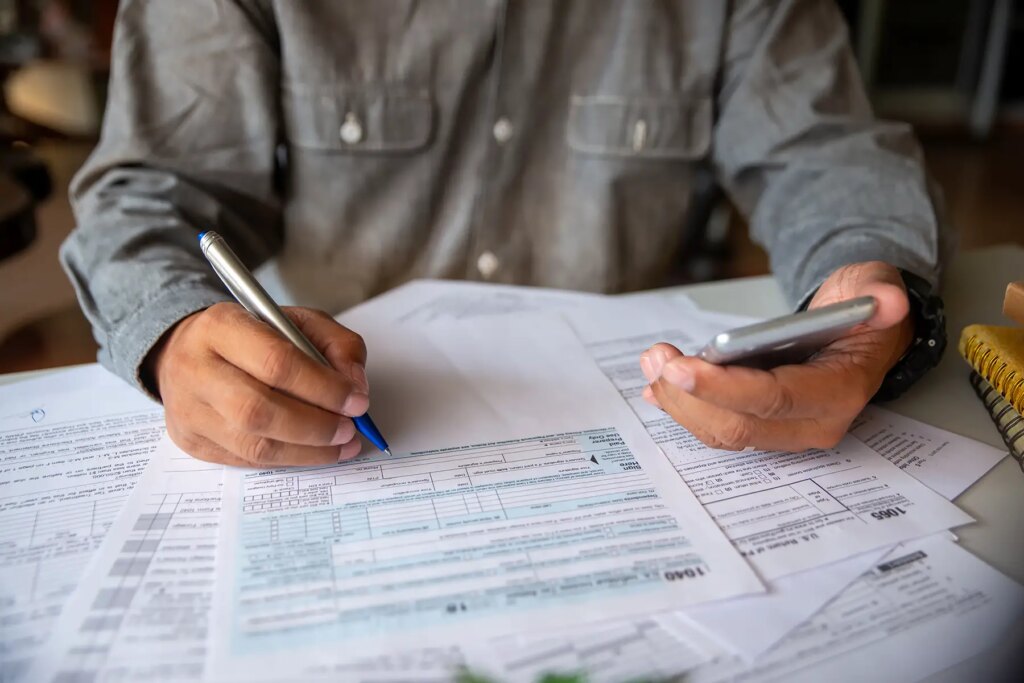
If you live abroad but still earn income liable to tax in Switzerland, you might worry that you’ll be taxed twice – once in Switzerland and again in your country of residence. The good news is that Switzerland has an established network of double taxation treaties (DTAs) and relief mechanisms, so you’ll generally not pay tax on the same income twice. For example, under most treaties, Switzerland uses the “exemption with progression” method, meaning your foreign-source income may be exempt from tax in Switzerland, but it still counts toward determining your tax rate.
Switzerland’s DTAs also allow for foreign tax credits or exemptions for Swiss residents who pay tax abroad, ensuring you’re not penalised for working across borders. As a result, you’ll usually claim relief either in Switzerland or in the other country, depending on which treaty applies and how your residency is classified.
Swiss tax exemptions, deductions, and credits for expats
If you’re filing Swiss tax from abroad or still maintaining Swiss tax ties, there are several deductions, exemptions and credits you can use to reduce your tax burden. Keep in mind that many benefits depend on the canton where you were last resident or where your income arises, so eligibility and limits can vary.
Key exemptions and deductions include:
- Exemption with progression for foreign-source income – If you are resident in Switzerland and earn income abroad, that income is usually exempt from Swiss tax but still influences your applicable tax rate.
- Professional expenses and relocation costs for expatriates – Certain employment-related expenses (such as commuting from abroad, temporary accommodation and relocation) can be deducted if you meet criteria and depending on cantonal rules.
- Standard deductions – Available to all resident taxpayers and include:
- Contributions to recognised pension accounts (Pillar 2 & 3a) with a federal cap for 2025 of 7,258 CHF (with an occupational pension) or 36,288 CHF (without).
- Health and accident insurance premiums – deductible up to CHF 1,700 for single taxpayers at the federal level, with higher limits set by cantons.
- Interest on loans and mortgages, commuting costs and charitable donations.
Be mindful of pension and offshore banking implications. Swiss tax authorities require disclosure of global income and assets for residents, and non-residents may still need to report Swiss-source accounts or investments.
Claiming every deduction and credit you qualify for is essential, as small overlooked amounts can make a noticeable difference to your final tax bill.

Reducing your tax liabilities when filing Swiss taxes abroad
Some strategic considerations to help manage your tax exposure include:
- Are you better off being taxed as a resident or a non-resident in Switzerland?
- What deductions, credits and expenses do you qualify for (such as relocation or pension contributions)?
- What income tax has already been withheld in Switzerland or abroad?
- Are you receiving a Swiss pension or a foreign pension, and how will it be treated under the applicable tax treaty?
- What about transferring your savings? Using a Wise multi-currency account can help you hold CHF and other currencies, convert when rates are favourable, and pay tax bills.
- Can you claim a personal or family tax credit, such as for dependants, disability or alimony payments?
These steps won’t eliminate tax altogether, but they’ll help you take advantage of available reliefs and avoid paying more than necessary.
How and when to file your Swiss taxes from abroad

The tax system in Switzerland is administered by the Federal Tax Administration (FTA) at the federal level and by each canton’s tax authority at the cantonal/communal level. Taxpayers in Switzerland operate under a self-assessment system, meaning you are responsible for submitting the correct return on time. However, deadlines, forms and procedures vary by canton, so living abroad doesn’t necessarily eliminate these obligations.
The tax year in Switzerland runs from 1 January to 31 December. As a rule of thumb, tax returns for income earned in a given year (e.g., 2024) are filed by 31 March of the following year (for many cantons), and extensions are often available until September or November depending on the canton.
Filing methods and required forms
The specific tax form you use depends on your canton of last residence, your status (resident vs non-resident), and whether you are subject to withholding tax. You will typically receive your “Steuererklärung” or “déclaration d’impôt” from your cantonal tax office after you deregister or during the usual filing season.
Here are the typical submission options:
- Online/e-filing – electronic filing platforms are available in most cantons and increasingly recommended, especially for complex cross-border situations.
- Paper filing by post – you can still submit a paper form to your cantonal tax office if required.
- Phone/in-person support – cantonal tax administrations may give assistance via phone or in-person, especially useful if you now live abroad.
- Tax clinics or fiduciary assistance – many tax advisors specialise in expat returns and hold clinics for Swiss nationals living overseas. You can also have a tax advisor complete your tax return for you.
If filing by paper from abroad, send your return to the cantonal tax office of your last Swiss place of residence.
Documentation you’ll need:
- Your Swiss national identity or tax number
- Personal details (name, overseas address, last Swiss address)
- Income from Switzerland and abroad (employment, pension, business, rental, dividends)
- Deduction details (pension contributions, insurance premiums, orwork-related costs)
- Foreign tax paid and foreign assets if you’re a Swiss resident
What foreign income should I declare on my Swiss tax return?
Your declarable income depends on whether you are taxed as a Swiss resident (worldwide income) or non-resident (Swiss-source income only). Typical categories include:
- Employment income and business/self-employment income
- Rental income (Swiss and possibly foreign if you are a resident)
- Pensions from Switzerland and abroad
- Investment income, dividends, or interest
- Foreign financial assets or Swiss-source assets
- Capital gains from foreign investments (if taxable under canton rules)
When reporting foreign income, convert amounts into Swiss francs (CHF) using the official rate of exchange or a cantonal accepted rate. Tools like Wise can simplify conversion and cross-border transfers, making it easier to calculate accurate CHF equivalents.
How to pay your Swiss taxes from abroad
Once your final assessment notice is issued, you’ll usually have 30 days to pay the amount shown.
Payment methods for expats include:
- Bank transfer to the Swiss tax account designated on your assessment
- SEPA transfer if your bank allows CHF/Euro conversion and accepts Swiss account details
- International transfer from your home country bank (watch out for currency conversion and bank fees)
If you need to convert from another currency to make your tax payment, services like Wise can be a good low-cost option. Using a Wise multi-currency account enables you to hold CHF, convert when rates are favourable, and send directly to your Swiss tax bill with fewer hidden fees and often at lower cost than international bank transfers
If payment is late, Swiss federal and cantonal authorities impose penalty interest and late-payment charges.
Late tax returns and penalties in Switzerland
Filing late or not at all can trigger administrative fines, interest charges and discretionary assessments. For example:
- Many cantons impose a reminder fee or late-submission penalty and may carry out an ex officio assessment at the tax office’s discretion.
- Repeated non-compliance or failure to declare Swiss-source or worldwide income (in resident cases) can lead to tax evasion investigations, fines up to 10,000 CHF or more in severe cases.
Missing the deadline or neglecting filing obligations can result in paying more tax or reduced control over your assessment, which is why it’s best to act early or file a justified extension.
Managing currency exchange
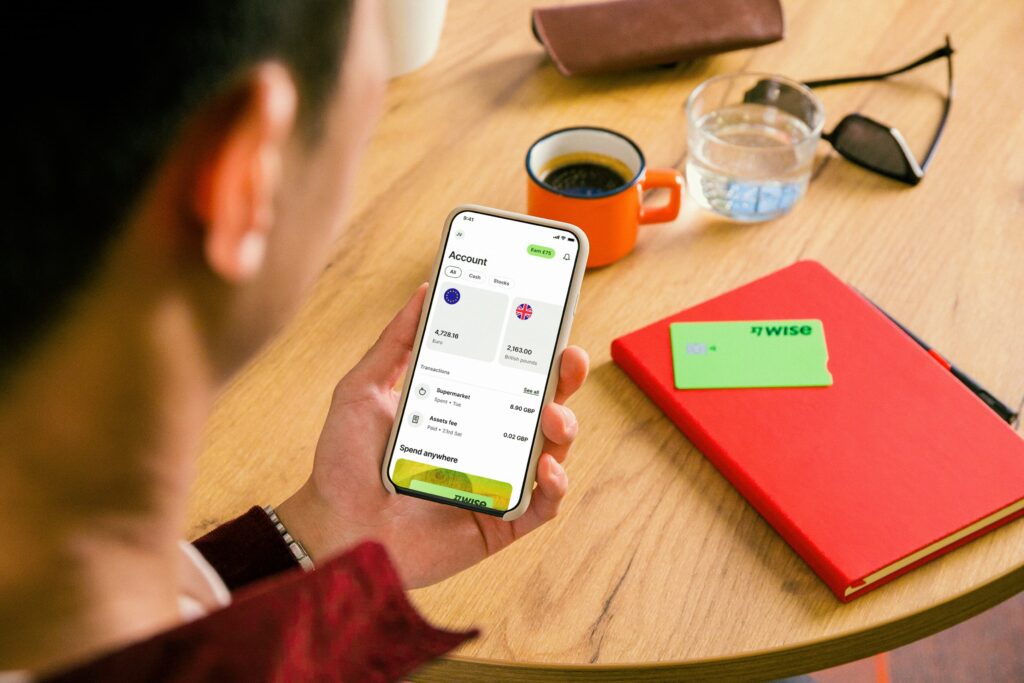
Exchange rate fluctuations can have a noticeable effect on your income, savings and tax calculations when you live abroad but still earn or pay taxes in Switzerland. If your income is in another currency, even small shifts in rates can change how much you owe once converted into Swiss francs (CHF). Because the Swiss tax authorities require income to be reported in CHF using official exchange rates published by the Federal Tax Administration (FTA), timing and consistency in conversions matter for those declaring foreign earnings or investments.
For expats, currency movements also influence how easily you can manage cross-border finances. Converting income or paying bills via banks can often involve hidden markups, slow transfers, or unpredictable conversion rates. This is where you can lose a significant amount of money without even realising it. Keeping some of your income in CHF and the rest in your local currency can help reduce these risks and make it easier to handle Swiss tax payments or investment income from abroad.
On a typical tax bill of 2,000 CHF a bank’s markup of 3% means you’re paying up to 100 CHF extra in hidden conversion fees. Exchange rates don’t change the amount of Swiss tax you owe, but these fees can make your CHF payment substantially more expensive in your local currency. You are needlessly losing money just to pay your taxes.
A Wise multi-currency account offers a convenient way to overcome and manage these challenges. You can hold, convert, receive and send money in multiple currencies, including CHF, at the mid-market rate. This makes it simpler to move funds between countries or pay your Swiss tax bill directly from your CHF balance without relying on costly international bank transfers.
What to do when leaving Switzerland
If you’re moving abroad permanently, you’ll need to take a few important administrative steps before you leave Switzerland. The first is to deregister from your local commune and register your departure with the cantonal population office. The process formally ends your Swiss residence for both administrative and tax purposes. Once deregistered, your tax affairs are transferred to the cantonal tax authority for a final assessment.
Before departure, it’s essential to file your final tax return for the period up to your moving date so that the tax office can calculate any outstanding payments or refunds and close your file as a Swiss resident. If you continue to receive Swiss-source income after leaving, such as from employment, pensions, or property, you may still be taxed as a non-resident under the limited tax liability system. You should also check whether your new country has a double taxation treaty with Switzerland to prevent being taxed twice on the same income.
Keep access to your Swiss bank or tax accounts for a few months after leaving, as refunds or bills may still be processed during that time and set up a Wise multi-currency account before you move to make managing Swiss francs from abroad easier. You can hold both CHF and your new local currency, convert at the mid-market rate, and send or receive payments for taxes, salary, or pension without expensive cross-border fees.
Returning to Switzerland
If you decide to move back to Switzerland, you must re-register with your local commune within 14 days of arrival. This reinstates your entry in the cantonal and national population registers and re-establishes your tax residency. Once you’re registered, your tax obligations resume automatically, and you’ll once again be subject to federal, cantonal and communal taxes on your worldwide income and wealth.
You should also inform your cantonal tax office and, if applicable, your former Swiss pension fund or insurer that you’ve returned. If you earned income abroad before coming back, this may need to be declared on your first Swiss tax return under Switzerland’s double taxation treaties.
Setting up or reactivating a Swiss bank account, or using a multi-currency option, like Wise, can make it easier to receive income, convert currencies and manage your tax payments as you settle back in.
Useful resources
- Federal Tax Administration (FTA) – Official authority for federal income tax and international taxation. Provides information on tax returns, deadlines, and online filing.
- Double taxation agreements – Overview of Switzerland’s treaties with other countries, including which income types are covered and how relief is applied.
- Swiss Association of Tax Advisors (TREUHAND|SUISSE) – Directory of licensed fiduciaries and tax professionals who can assist Swiss citizens and expats with cross-border taxation.
- ch.ch – Official Swiss government portal – General information for residents and expats on registration, moving abroad, and taxation.
- Wise – Multi-currency account for managing payments and currency conversion across borders, helping you send or receive CHF and other currencies with transparent fees.