
'%20id='ico-down'%20stroke='%23000000'%20stroke-width='1.5'%3e%3cg%20transform='translate(1092.250000,%20254.750000)'%3e%3cpolyline%20id='Path-2-Copy-4'%20transform='translate(5.500000,%202.750000)%20scale(1,%20-1)%20rotate(-180.000000)%20translate(-5.500000,%20-2.750000)%20'%20points='0%200%205.5%205.5%2011%200'%3e%3c/polyline%3e%3c/g%3e%3c/g%3e%3c/g%3e%3c/svg%3e)


Finance
Taxes
How to file your 2026 UK taxes as an expat living abroad
Are you a British citizen living abroad? Find out whether you still need to file your UK taxes with the HMRC, and all the details on when, where, and how.

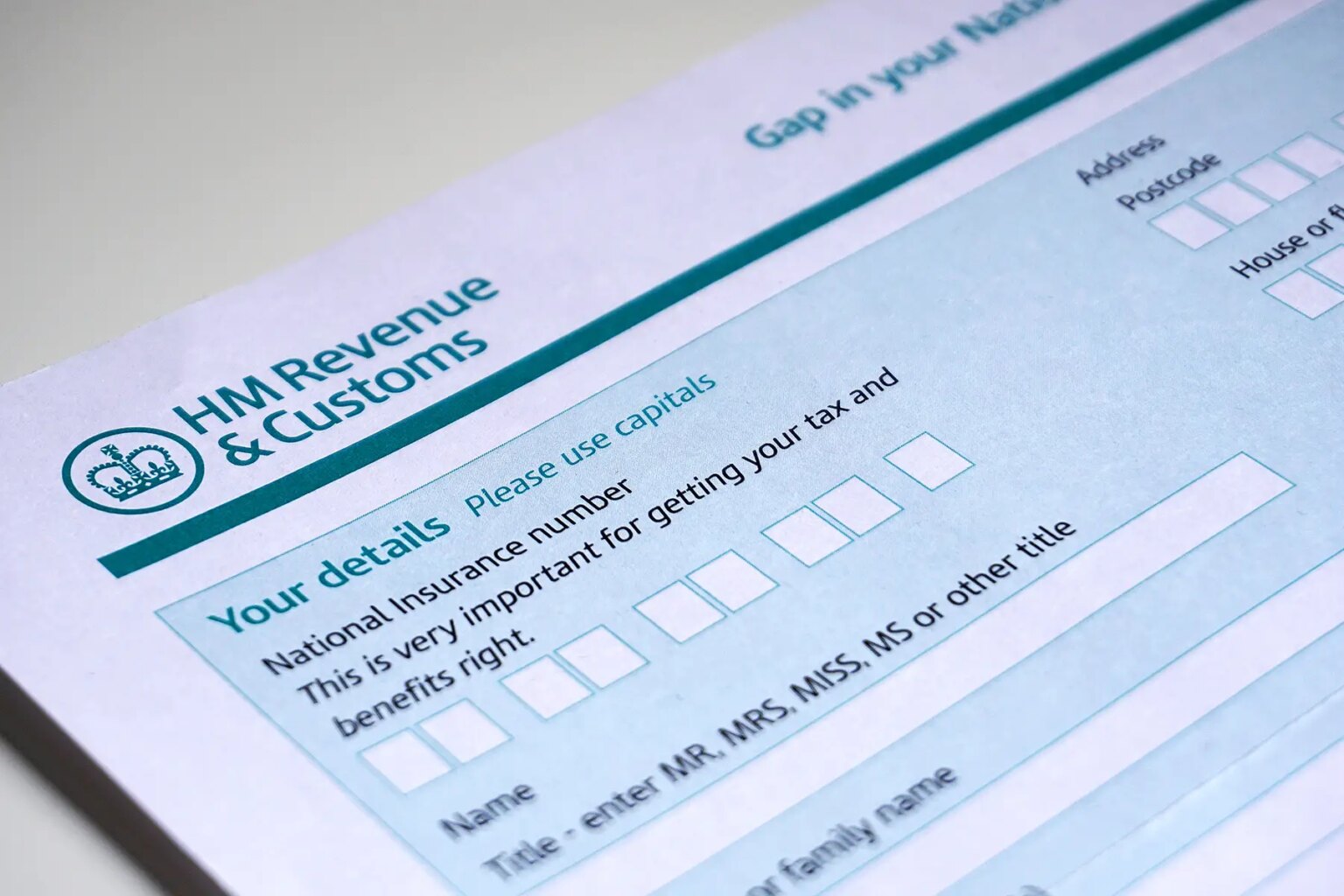
When leaving the United Kingdom to live abroad, it’s possible that you may not also joyfully be leaving your fiscal obligations behind – if you still have any source of income in the UK, for example. But don’t worry, there are agreements in place to prevent double taxation. Here’s the lowdown on how to file your UK taxes if you’ve moved to a foreign country:
Wise
Do your finances go beyond borders? Then you need a fast and secure way to move money internationally. Wise is a global leader in online international money transfers, letting you move money at an exchange rate several times cheaper than your bank. Whatever your personal or business needs, Wise can make your money go further.

Do I have to file a UK income tax return if I live abroad?
In short, only if you earn income in the UK.
In general, you will have to pay income tax in the UK if you are:
- a UK resident who must pay UK income tax on their worldwide income
- a non-resident living in the UK
- a non-resident who earns income in the UK
What taxes do I have to pay?
The UK has a progressive tax system, meaning that you pay a higher rate the more you earn. This applies to all countries that make up the United Kingdom (England, Scotland, Wales, and Northern Ireland), and includes:
- income taxes
- property taxes capital gains taxes
- inheritance taxes
- Value Added Tax (VAT)
However, non-residents usually don’t have to pay either capital gains tax or inheritance tax. More information is available from the UK government.
If you are a UK national who has moved abroad, you will be liable for income tax on earnings from:
- Salary earned in the UK
- Private UK pension
- Rental income on property owned in the UK
- Savings interest
You may also need to fill in a tax return and pay income tax if you have moved abroad in the last year and worked as self-employed in the UK or earned any untaxed income in the tax year preceding your move.
Who is considered a UK resident?
You will be considered a UK resident for tax purposes if you meet at least one of the following criteria:
- Live in the UK for at least 183 days during a tax year.
- Own property in the UK in which you live for 91 consecutive days, 30 of which need to be during the tax year being assessed.
- Work full-time in the UK for a 365-day period and at least one of those days was in that tax year
However, you can qualify as a non-resident if you either:
- Spent fewer than 16 days in the UK (or 46 days if you have not been a UK resident for the previous three tax years)
- Worked abroad full-time (35 hours a week) and spent fewer than 91 days in the UK, of which no more than 30 were spent working
Double-taxation and UK tax allowances
No, you probably won’t have to pay taxes on the same income twice! You can claim the following allowances to offset your UK tax bill as an international:
- Personal allowance (£12,570, for the 2025/26 tax year) available to all UK citizens, citizens of the European Economic Area (EEA), or if you’ve worked for the government at any point in the tax year
- Double-tax relief if any of your income is taxed twice (by the UK and also by your country of residence) as long as your country of residence has a double-taxation agreement with the UK
How to reduce your liabilities when filing UK taxes abroad
There are many ways that you can look to lessen your tax liabilities in the UK when you move abroad. Beyond maintaining a non-resident status, you can:
- Ensure that you hold any immovable assets situated in the UK: For example, property, in joint names with your spouse/partner for tax mitigation
- Transfer movable cash assets into an offshore bank account: These are accounts that are part of UK banks but with favorable tax arrangements, ensuring that any interest earned is not subject to tax while you remain overseas
- Consolidate your UK pension entitlements: You can achieve this by transferring your UK occupational pension scheme or Personal Pension Plan to a Qualifying Recognized Overseas Pension Scheme
- Look into the possibility of claiming an income tax refund on departing the UK: If you’ve been employed in the UK before leaving, you may not have received the full benefit of the personal tax allowance you’re entitled to through your salary. If this is the case, you might be able to recover some of the tax already paid through PAYE.
- Register under the Non-Resident Landlord Scheme: This applies if you are letting out property in the UK. If you are approved under this scheme, you can receive rental income without any tax deductions.

It’s a good idea to sit down and have a discussion with a financial advisor or tax expert before moving. They can advise you on how to plan your finances and meet your UK tax obligations once you relocate abroad.
Filing your UK taxes from abroad
If you’re liable for expat tax in the UK when you move abroad, you must file an annual tax return and pay any tax owed to the UK’s tax office, the HMRC.
The annual deadline for doing this depends on whether you are a UK resident or non-resident.
The UK tax year starts on 6 April and finishes the following 5 April. Income tax of UK employees is normally collected through Pay As You Earn (PAYE) which is deducted before the salary is paid.
When to file your UK tax return
UK residents have until 31 January each year to file their return for the previous tax year (e.g., until 31 January 2026 to file their 2024–2025 tax return) if using the online self-assessment tax return system. If filing a return by paper, the deadline falls three months earlier, on 31 October (e.g., 31 October 2026 for a 2025–2026 tax return).
Non-residents cannot access the HM Revenue and Custom (HMRC) online tax return system. They must file their annual return by 31 October each year if submitting by post. However, they can use the January deadline if they submit using commercial software or submit electronically through an accountant or financial professional.
How to file your UK taxes
To file an online tax return, set up a gateway account with HMRC, apply for a Unique Taxpayer Reference (UTR) number, and activate your account using a code sent to you in the post.
If you’re filling in a paper form for your expat tax in the UK, you must complete the SA100 form and send it to the HMRC. You also need to fill in the SA109 form if you are a non-resident.
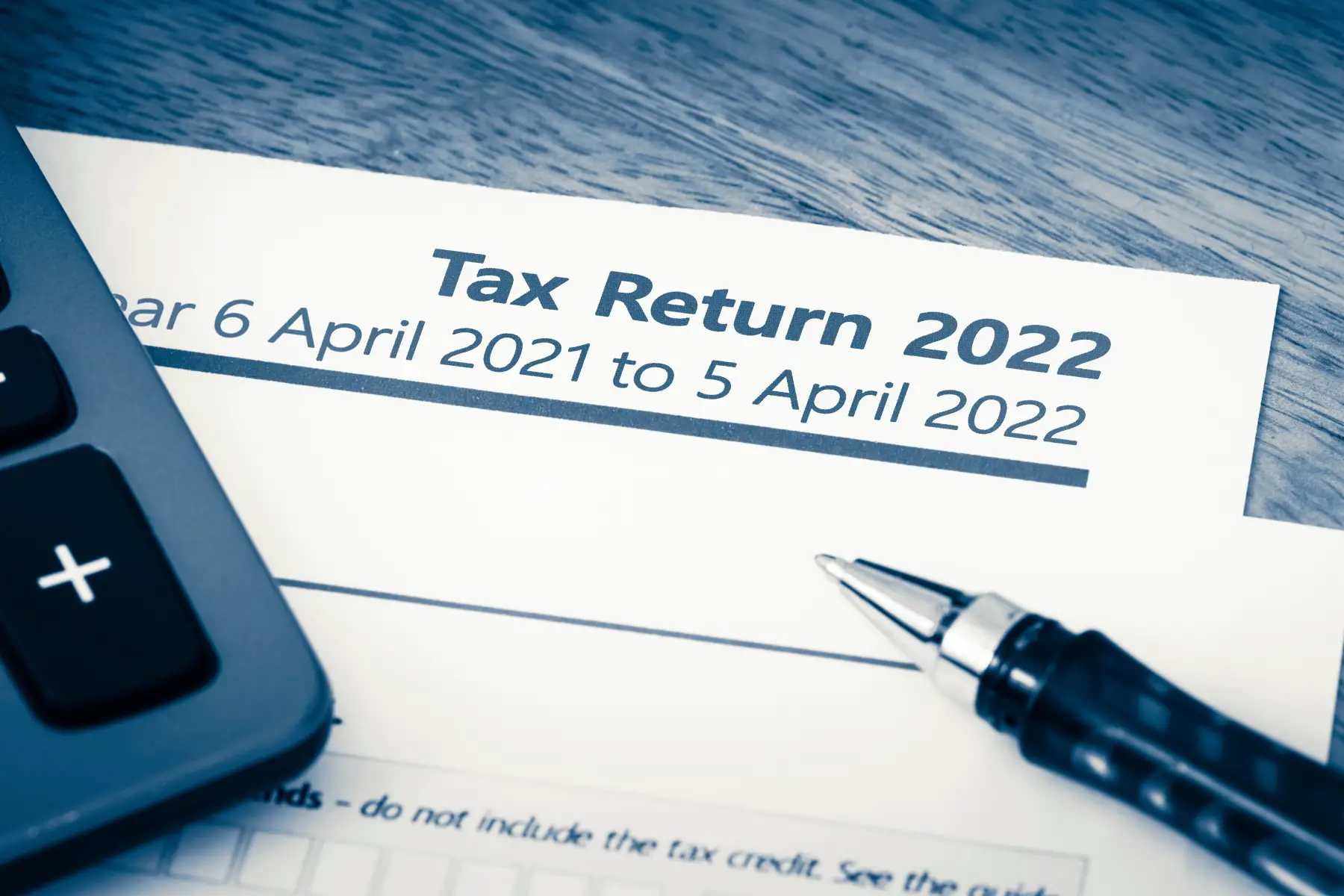
Whether you are filing online or by paper copy, you must declare all untaxed income and give details of any allowances, expenses, and other deductions so that you can calculate the tax you need to pay.
When and how to pay your UK tax when you live abroad
You usually have to pay tax owed on other forms of income, including self-employed and freelance income, no later than 31 January following the tax year for which it is due.
The deadlines for paying any tax owed in the UK are:
- 31 January 2026 for any tax owed for the 2024/25 tax year
- 31 July 2026 for the advanced payment on your 2025/26 bill, unless your tax bill is under £1,000 or you qualify for an exemption on making the advanced payment
- 31 October 2026 for paper tax returns for the 2025/26 tax year
You can pay your UK expat tax in a number of different ways. These include:
- Direct Debit
- Bank transfer
- Debit or credit card
- Through your bank
- By check through the post
- Through your PAYE tax code if this is available
You should ask for confirmation that HMRC has received this payment. If you are paying online, you should receive an automatic confirmation. Bear in mind that the HMRC needs to receive check payments sent through the post by the deadline, so make sure you mail them well in advance.
You can read more information on paying your UK tax bill in our article about Income tax in the UK, and on the HMRC website.
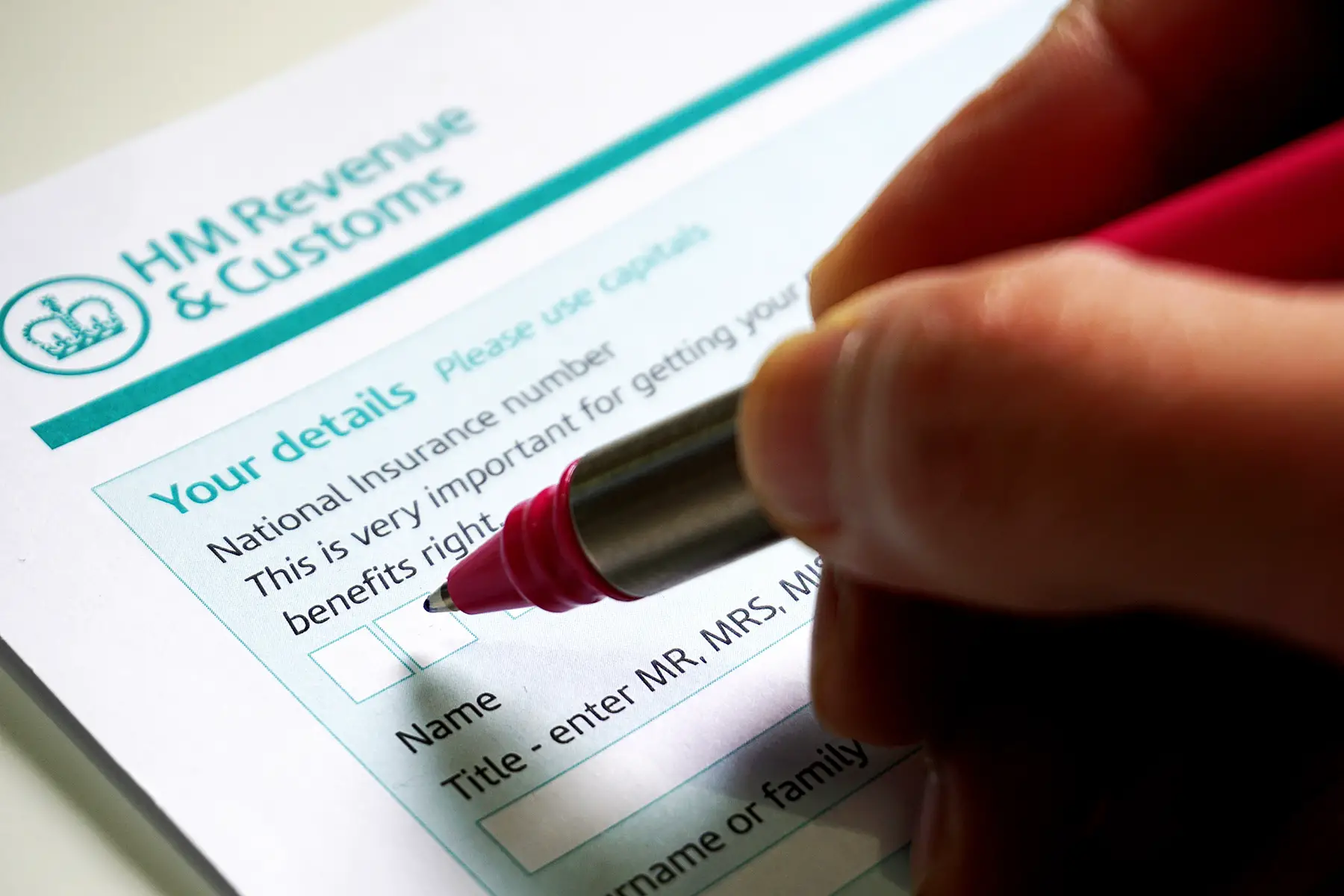
Late tax returns in the UK
You will be penalized if you submit your tax return or make a tax payment late in the UK. If your tax return is up to three months late, you will need to pay a fine of £100. This amount will rise if you exceed three months. HMRC can also apply a daily interest to fines that are more than three months late.
If you have a reasonable excuse, you can appeal your tax penalty.

For more information about penalty rates, visit the HMRC website.
Organizing your income when leaving the UK
Arranging your finances when moving abroad takes planning. It’s not just about opening a bank account or transferring money to your new place of residence. You need to think carefully about managing any income streams you have and how you will be taxed on them.
Part of this will depend on what the tax system is in the country you are relocating to, and whether they have any tax agreements in place with the UK. It is a good idea to have a chat with a financial advisor or at least do some research ahead of your move.
If you are going to become a non-resident of the UK for tax purposes, you will need to make sure that you follow the regulations to secure non-resident status. You will then need to make arrangements for any UK income streams, for example, UK pensions or investment plans. Is it better for you to keep them in the UK or transfer them to your new place of residence? Can you easily do this?
Returning to the UK
You need to take real care if, having spent time as a non-resident, you decide to return. The UK has an evolved system of taxation, including income tax of up to 45% (48% in Scotland), a wide-ranging capital gains tax (up to 28%), and inheritance tax on estates (up to 40%), as well as a not-insubstantial social security levy.
Any exposure to the UK tax system as a resident requires careful planning in advance. This is particularly the case where substantial assets and shareholdings are concerned.
You must also ensure that you disclose and document your return to the UK. Ensure that you properly plan your taxes and account for the potential swings in post-Brexit currency exchange rates. This lessens your liabilities once you return to the UK.

If you are planning to return to the UK after a period abroad, it is a good idea to speak to a financial advisor to make sure that you fully understand the financial implications of making the move.
Advice on filing UK taxes abroad
To fully inform yourself and plan effectively, you should seek advice from a UK tax advisor well-versed in UK expat taxes and the requirements of your new home country.

Alternatively, you can speak to a company that advises internationals on global tax affairs in order to file your UK taxes from abroad efficiently.
Useful resources
- HMRC Online – Government portal where you can submit tax returns, containing advice on UK taxes
- Self-assessment tax forms – official UK tax return forms



Did you find this guide helpful?