
'%20id='ico-down'%20stroke='%23000000'%20stroke-width='1.5'%3e%3cg%20transform='translate(1092.250000,%20254.750000)'%3e%3cpolyline%20id='Path-2-Copy-4'%20transform='translate(5.500000,%202.750000)%20scale(1,%20-1)%20rotate(-180.000000)%20translate(-5.500000,%20-2.750000)%20'%20points='0%200%205.5%205.5%2011%200'%3e%3c/polyline%3e%3c/g%3e%3c/g%3e%3c/g%3e%3c/svg%3e)


Moving
Visas & Immigration
France Schengen visa from the UK
For UK British citizens, visiting France is usually visa-free for up to 90 days in any 180-day period, but moving for longer typically requires a long-stay visa, and this guide explains the applicable routes, requirements, costs, and planning steps.


Moving to France after Brexit is different from visiting, so the real decision is often between visa-free scouting travel and the right long-stay route. If you are a British citizen moving from the UK to France, you usually do not need a France Schengen visa for a short trip, but you usually do need a long-stay visa if your move will last more than 90 days. Most British citizens can visit France visa-free for up to 90 days in any 180-day period. This guide covers who still needs a Schengen visa from the UK, which long-stay routes apply, the documents and fees to check, and what to plan before and after arrival.
This article is general information, not legal advice; check France-Visas, GOV.UK, and TLS contact before booking travel, movers, or housing.
Key takeaways
- Most British citizens do not need a France Schengen visa for visits up to 90 days in any 180 days. Count all Schengen days, not just France days.
- UK residents with other nationalities may still need a Schengen visa. Use the France-Visas visa wizard and the UK country page to check.
- If you are moving for more than 90 days, the real route is usually a long-stay visa or VLS-TS. Choose your route by work, study, family, visitor, or self-employment.
- Most UK applications start on France-Visas and are submitted through TLScontact centres in London, Manchester, or Edinburgh, unless a special consular route applies.
- Some long-stay visas must be validated after arrival through ANEF, while others require a residence permit application at your local préfecture.
Wise for visa and relocation payments
Applying from the UK can mean paying visa fees, travel costs, and early deposits in euros before you have a French bank account. A Wise account lets you hold and convert GBP and EUR, send low-cost transfers, and pay by card while you move.

No commitment required
Do UK citizens need a France Schengen visa from the UK?
No, most British citizens do not need a France Schengen visa from the UK for short visits. They can usually travel visa-free to France and the wider Schengen area for up to 90 days in any 180 days, as long as the trip fits short-stay purposes such as tourism, family visits, short study, or business meetings.
The confusion starts because visiting France before a move and relocating to France are not the same thing. A short house-hunting trip may fall within the visa-free short-stay rules, depending on what you plan to do while in France. A real relocation, with a stay beyond 90 days, a job start, a study program, or family settlement, usually needs a long-stay visa instead.
- Some British movers assume they need a Schengen visa before anything else. In practice, most only need one for certain short-stay cases, while the move itself usually points to a long-stay route.
- Another common mix-up is treating a scouting trip like a relocation. Short visits and long-term residence sit under different rules.
- Buying a home can support your plans, but it does not by itself give you residence rights in France.
Use the France-Visas visa wizard and GOV.UK France entry requirements to check the current rule for your passport, travel purpose, and length of stay.
Practical tip: if you are signing a lease, planning utilities, or staying beyond 90 days, your real task is usually choosing the correct long-stay route before you pay for the move.
Moving to France from the UK after Brexit explains the wider rule change.
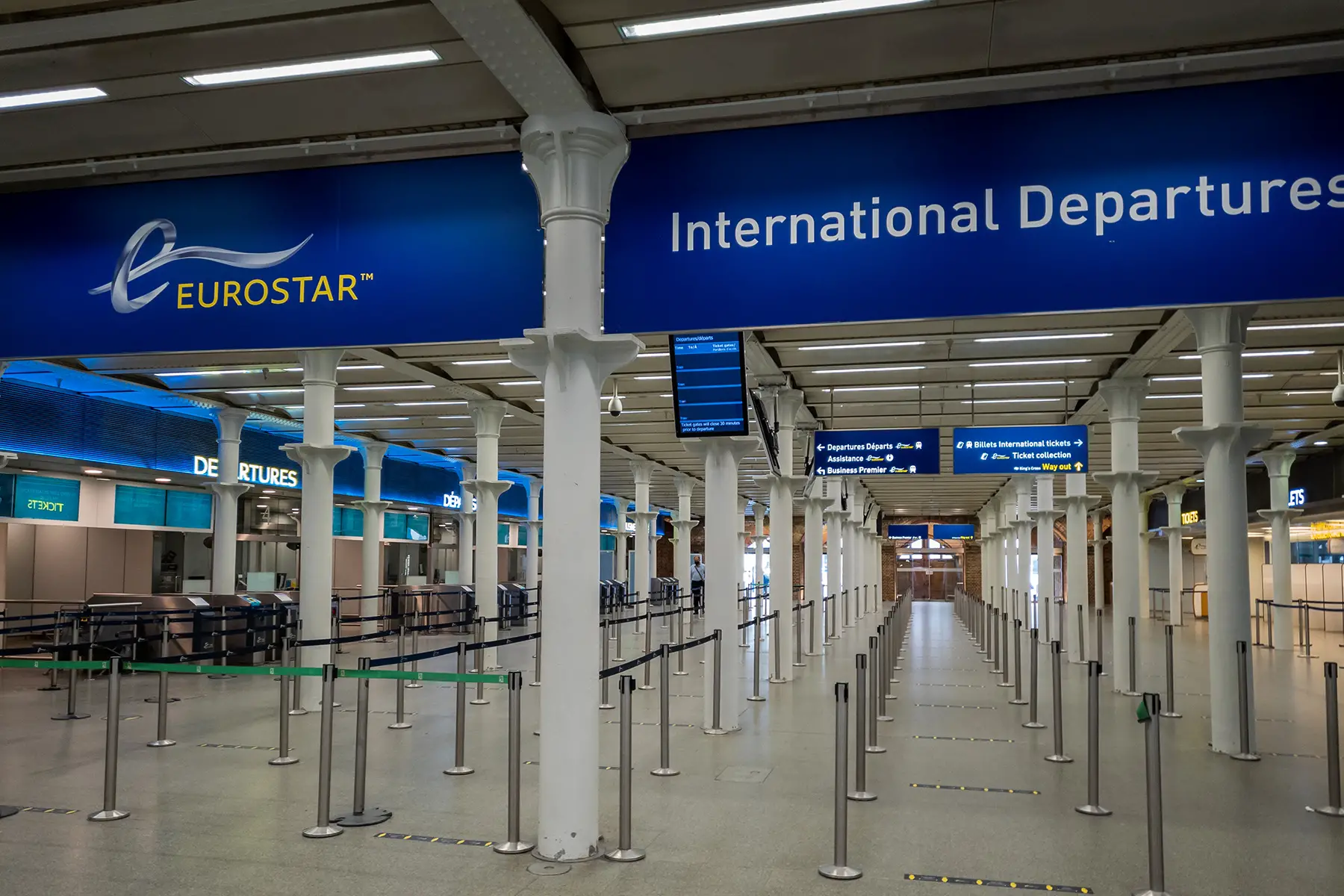
When does a France Schengen visa apply from the UK?
The rule depends less on where the trip starts and more on your passport, residence status, and travel purpose. British citizens, UK residents with other nationalities, and a smaller group of special cases can follow different rules.
Non-British UK residents and visa-required nationalities
People living in the UK who do not hold a British passport may still need a France Schengen visa, even if their journey starts in Britain. Several factors affect this, including nationality, UK residence status, and travel purpose, so static lists go out of date quickly.
Instead of relying on old blog posts or forum threads, start with the France-Visas visa wizard. Then open the France-Visas United Kingdom page to see the UK submission route for your case.
Special cases that can confuse applicants
Some applications look simple until one detail changes the rule. If you are staying with friends or family, border officers may ask for an attestation d’accueil, which is a host invitation certified at the local town hall. If you are only transiting through a French airport, the rule depends on whether you stay in the international zone and whether your final destination is outside Schengen.
The 90/180 rule applies across the Schengen area, not just France. If you spend 30 days in France, 30 in Spain, and 40 in Italy, that is 100 Schengen days. Second-home stays can also require proof of ownership or tenancy at the border.

If you are moving to France, which long-stay visa do you need?
If your move will last more than 90 days, the real question is not whether you need a Schengen visa but which long-stay route fits your purpose. French visas: how to immigrate to France in 2026 explains the wider system, while the route below helps British movers narrow the next step.
Main long-stay routes for British movers
| Route | Who it fits | What to prove | After arrival |
|---|---|---|---|
| Visitor | Retirees and other non-working movers | Funds, accommodation, health cover, no local work | Usually validate a VLS-TS or follow residence instructions |
| Work visas in France | People moving for a French job | Contract, employer documents, route-specific requirements | Validate or move into residence-permit steps |
| French student visas | People on a longer study route | Acceptance, funding, accommodation | Usually validate after arrival |
| How to apply for a spouse visa for France | People joining eligible family | Relationship documents and sponsor status | Validate or apply for residence status |
| Self-employed or business route | Freelancers and founders | Business or economic viability evidence, financial resources, and route-specific supporting documents | Follow the route-specific residence steps |
Use France-Visas for the exact document list because requirements change by route and personal situation.

Why a long-stay visa is not the same as a Schengen visa
A Schengen visa, or visa-free short stay, is about temporary presence. A long-stay visa is about legal residence, and it can affect work rights, local registration, and what you must do after arrival.
For example, a two-week trip to compare towns or attend property viewings can sit inside the short-stay rule. A nine-month move to start work, study, join family, or retire normally needs a long-stay route, and often later admin such as a carte de séjour or VLS-TS validation.
How to apply from the UK step by step
Check the route in France-Visas. Use the visa wizard first, because it tells you whether you need a short-stay visa, a long-stay visa, or no visa for that trip.
Complete the online application. France-Visas is the official portal for creating the file and getting your route-specific checklist.
Gather your supporting documents. Match every document to the exact purpose of stay shown in the portal, not to a friend’s case or an old forum post.
Book the submission appointment. In the UK, most applications are lodged through TLScontact France visa centres, and UK residents can usually choose London, Manchester, or Edinburgh. Some special short-stay family cases can still go direct through the French Consulate in London.
Attend the appointment and provide biometrics if required. Bring the printed appointment confirmation, your passport, and your documents in checklist order.
Track the file and wait before making expensive commitments. France-Visas lets you follow the request, but timing can still change with season, appointment pressure, and file quality.
Worth flagging: print your France-Visas appointment confirmation and organise your supporting documents in the same order as the official checklist before your TLScontact appointment.
Documents, fees, and timelines to check before you apply
Documents cause more delays than the form itself. Treat France-Visas as your live checklist, then use the points below to pressure-test your file.
- Passport validity matters before anything else.
- Proof of accommodation can be a hotel booking, rental plan, or attestation d’accueil.
- Financial evidence should match the route you are using.
- Insurance rules can differ between short-stay entry and long-stay applications.
- Official photo and translation requirements can vary by application, so check the France-Visas document list for your route.
- Biometrics are common, especially for first-time or non-reusable cases.
- Fees and processing times vary by route, season, and appointment availability.
| Item | What to check | Why it matters |
|---|---|---|
| Passport | Issue date, expiry date, blank pages | Wrong validity can stop the application or border entry |
| Accommodation proof | Booking, tenancy plan, or host invitation | France wants to see where you will stay |
| Financial evidence | Savings, income, sponsor proof, route-specific thresholds | Short-stay and long-stay checks are not the same |
| Insurance | Border or visa cover where required | Missing cover can delay or weaken the file |
| Fees | Visa fee table on France-Visas UK, plus TLScontact service fees | Budget for both the visa and the submission process |
| Timelines | Appointment lead time and processing time | There is no fixed UK-wide timeline |
The France-Visas United Kingdom page says you can usually apply up to 180 days before travel. It also says TLScontact’s basic service fee is usually between €40 and €55 per appointment, while the visa fee itself depends on the route.
A common snag is certified French translations and document order, especially when civil-status or financial papers come from different issuers.
Fees, appointment availability, and processing guidance can change. Check the current France-Visas UK and TLScontact information before applying.
Planning your move after visa approval
Once your visa is approved, check the wording on the sticker straight away. A VLS-TS, visa de long séjour valant titre de séjour, is a long-stay visa that also works as a residence permit for its first validity period, and it usually needs online validation through the ANEF portal within three months of arrival. If your visa says you must apply for a carte de séjour within two months, apply for your residence permit through the relevant préfecture within the deadline shown on your visa.. OFII, the French Office for Immigration and Integration, can also call some VLS-TS holders for extra formalities.

Proof of address, called a justificatif de domicile, often unlocks several early tasks in France. You may need it for banking, utilities, school admin, and some health paperwork. Guide to getting health insurance in France in 2026 and 10 things to do during your first week in France can help you plan those first local steps.
Your first weeks can also create a GBP-to-EUR cash-flow gap because deposits, rent, and setup bills may land before your French banking is fully ready. How to open a bank account in France in 2026 explains the local route. A Wise account can be one option for holding GBP and EUR, converting between them, and managing early relocation spending while you arrange local banking, but it is not a visa product and should not be treated as guaranteed proof of funds.


Common mistakes UK applicants make
- Mixing up a short-stay trip with a long-term move. Decide first whether you are visiting, scouting, or relocating.
- Miscounting Schengen days across countries. France days are not counted on their own if you also travel in Spain, Belgium, or Italy.
- Assuming a home purchase gives residence rights. It does not.
- Paying major move costs before approval. A good file still does not guarantee a fixed outcome date.
- Submitting from memory instead of live instructions. Re-check France-Visas and TLScontact before you press ahead.
Conclusion
Most British citizens can make short visits to France without a Schengen visa, but a move lasting more than 90 days usually points to a long-stay route. The key is to separate scouting travel from residence and use France-Visas to match your purpose to the correct application. Build your file from the live official checklist, leave time for the appointment and processing, and follow the post-arrival steps written on your visa. Recheck official guidance before committing to non-refundable move costs.
FAQ
Frequently asked questions
Where do you apply for a France visa in the UK? 
Start on France-Visas, which shows whether you need a visa and how to submit. In the UK, most applicants then book through TLScontact and attend a centre in London, Manchester, or Edinburgh, so check the latest appointment instructions before proceeding.
How much money do you need to show for France entry from the UK?
The amount depends on whether you are entering visa-free, applying for a short-stay visa, or using a long-stay route. Accommodation also matters, so check the current France-Visas and border-entry guidance rather than relying on old figures.
How long does a France visa take from the UK?
There is no fixed answer. Timing depends on visa type, season, appointment availability, and file completeness. France-Visas UK advises applying well ahead of travel and checking the current processing guidance for your route.
Sources
- GOV.UK – Entry requirements: France travel advice: visa-free short-stay, passport, border-document, attestation d’accueil, second-home, and EES guidance; checked on 19 August 2026.
- France-Visas – Check your visa need: official visa-wizard process and airport-transit guidance; checked on 19 August 2026.
- France-Visas – United Kingdom: UK application routing, TLScontact centres, filing window, service-fee range, and timing guidance; checked on 19 August 2026.
- France-Visas – Long-stay visa: short-stay and long-stay distinctions, VLS-TS, and residence-permit follow-up; checked on 19 August 2026.
- France-Visas – Arrival in France: post-arrival validation, border documents, financial-means guidance, and OFII references; checked on 19 August 2026.
- France in the United Kingdom – Applying for a visa: application sequence from the UK, including France-Visas, submission, and tracking; checked on 19 August 2026.
- TLScontact – France Visa Application Centres: UK centre locations and appointment-flow information; checked on 19 August 2026.
- Administration numérique pour les étrangers en France (ANEF): VLS-TS validation and foreign-national administrative follow-up; checked on 19 August 2026.
- Service-Public – Entry of a foreigner in France: official signposting on short-stay and long-stay entry rules; checked on 19 August 2026.
- Wise account: product information for holding and managing multiple currencies for cross-border spending; checked on 19 August 2026.


Did you find this guide helpful?