
'%20id='ico-down'%20stroke='%23000000'%20stroke-width='1.5'%3e%3cg%20transform='translate(1092.250000,%20254.750000)'%3e%3cpolyline%20id='Path-2-Copy-4'%20transform='translate(5.500000,%202.750000)%20scale(1,%20-1)%20rotate(-180.000000)%20translate(-5.500000,%20-2.750000)%20'%20points='0%200%205.5%205.5%2011%200'%3e%3c/polyline%3e%3c/g%3e%3c/g%3e%3c/g%3e%3c/svg%3e)


Living
House & Home
Supermarkets and grocery stores in Belgium
Think Belgian food is all about beer and waffles? Think again. Discover more with our guide to supermarkets and grocery stores in Belgium.

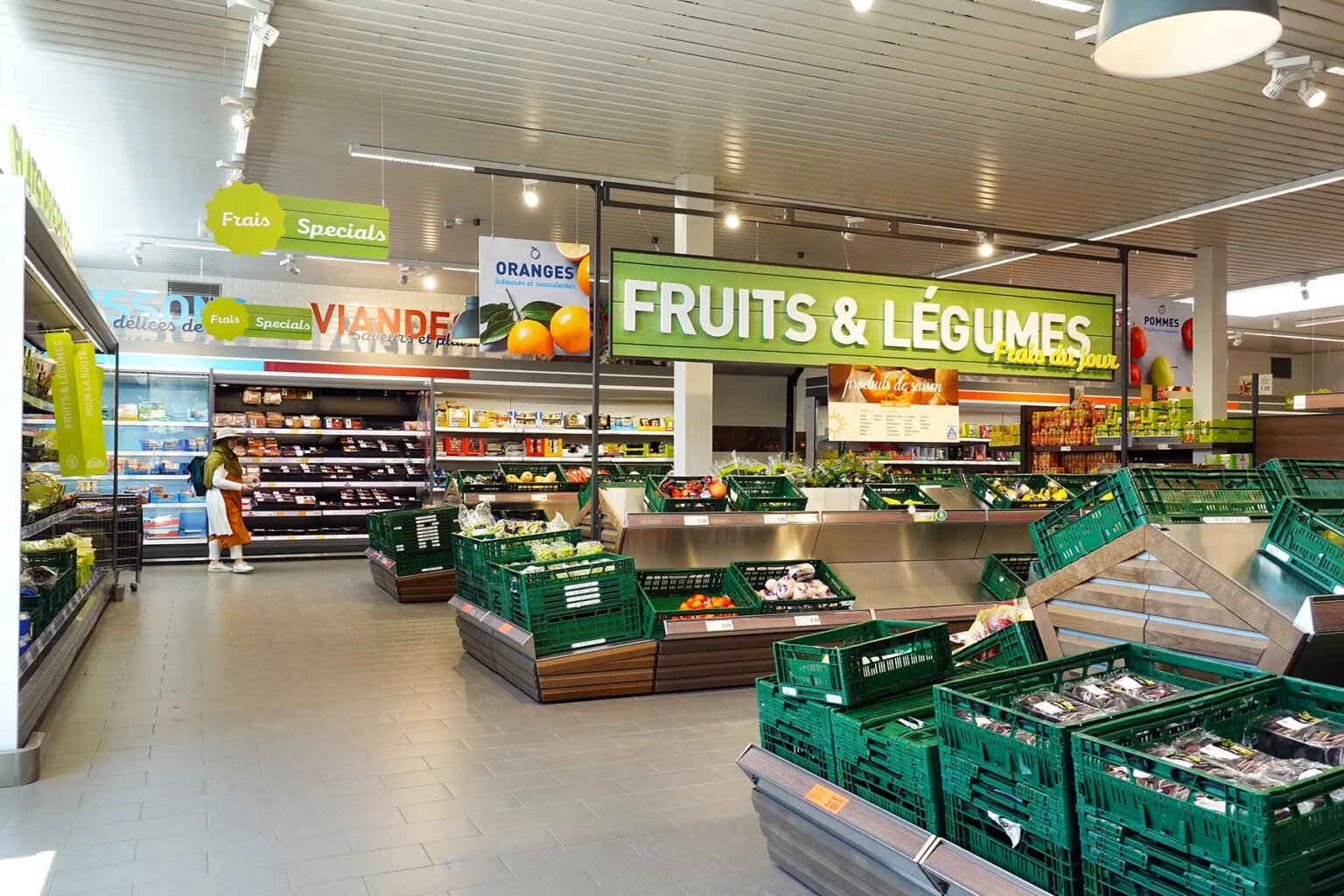
As an expat, you’ll soon realize just how adventurous grocery shopping has become. Faced with aisles of products you’ve never seen before, a trip to the local supermarket can quickly feel like a casual exploration into the unknown. Food shopping has never felt less of a chore.
If you’re moving to Belgium, you’ll soon find the local grocery stores are well-stocked with a wide range of domestic and international products. But before you grab a shopping cart, this helpful guide provides everything you need to know about supermarkets and grocery stores in Belgium. It includes the following information:
Ekomenu
Want to eat healthily in Belgium but not sure where to start? Check out Ekomenu for 100% organic meal-prep boxes – good for you and the environment. There’s an option for all kinds of diets and preferences, so you can design your personal vitamin-packed meal plan. Rustle up something delicious with Ekomenu.

Grocery shopping in Belgium
The local supermarket will probably be one of the first places you visit when you arrive in Belgium. It might not seem like the kind of grocery store you know from home, but you’ll find a wide range of products and you might even be surprised at just how much there is in stock.
However, if supermarkets aren’t your thing, there are plenty of other options for buying Belgian groceries. These include local fresh food markets, specialty shops, and online services that see food delivered straight to your door. And if you don’t like cooking, you’ll find a range of restaurants, cafés, and snack bars in all Belgian towns and cities.
Supermarkets in Belgium
Generally speaking, Belgium supermarkets have a good selection of products, and most towns, villages, and city neighborhoods will have at least one grocery store. In central areas of Brussels, Antwerp, and other cities, supermarkets tend to be on the small side, but you’ll be surprised at how much they still stock.
Belgian groceries aren’t the cheapest. In fact, it’s estimated that a third of Belgians regularly cross the border to buy their groceries in other countries. Supermarkets in Germany, France, and the Netherlands are on average 10% cheaper than their Belgian counterparts. However, if you know your local stores, you can buy groceries without traveling abroad.
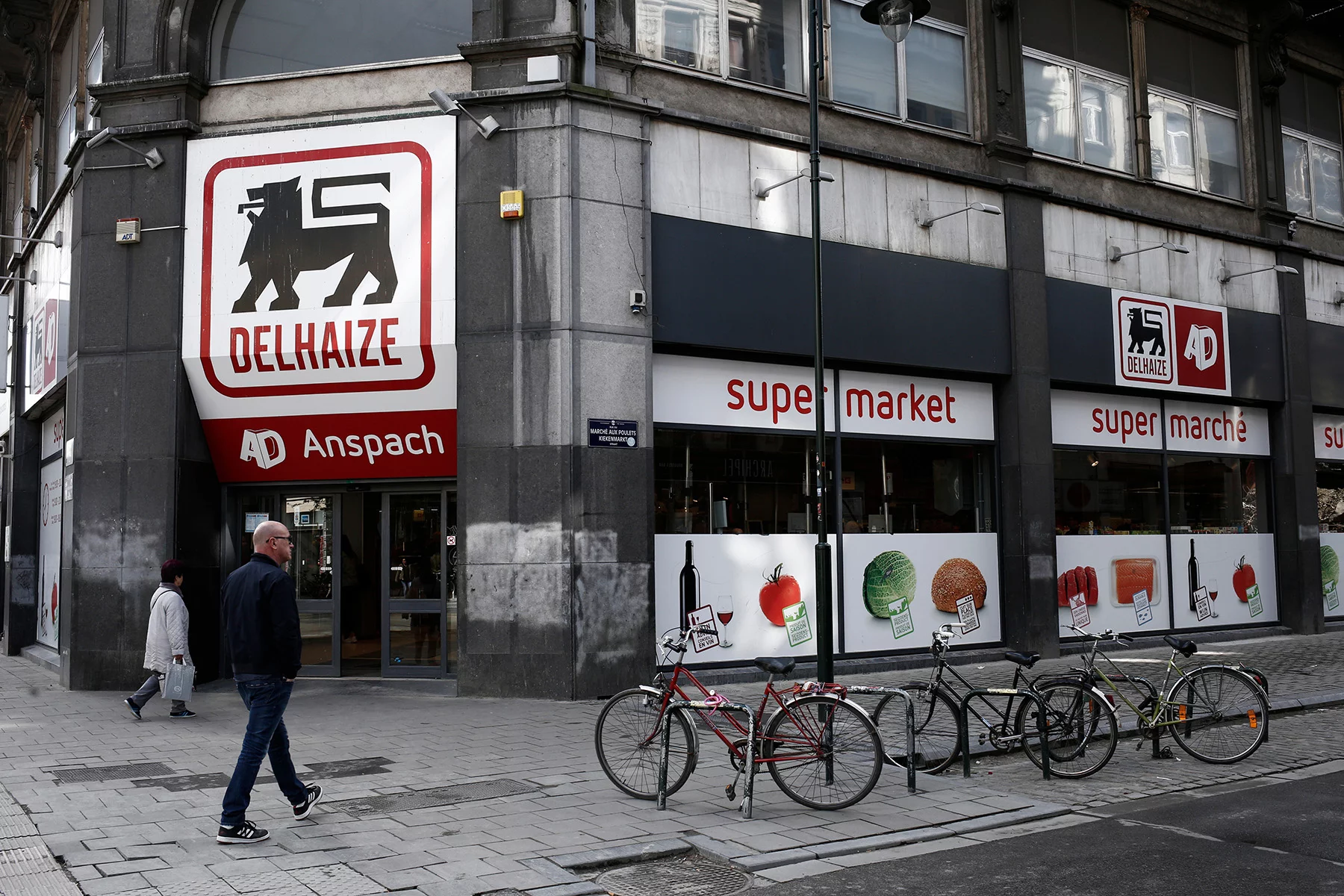
For expats living in Belgium, cross-border shopping can be an attractive option, especially if you live near the borders with France, Germany, Luxembourg, or the Netherlands. While all these countries use the euro, making currency exchange less of a concern, it’s still worth considering payment methods carefully. Whether you’re shopping in Belgium, France, Germany, or the Netherlands, having a card that gives you the mid-market exchange rate in euros can make cross-border shopping even more economical. The convenience of Belgium’s central location means you can easily compare prices and product selections across multiple countries.

You’ll find a range of food and drinks inside Belgian supermarkets. Many will have in-store bakeries that sell a selection of bread and pastries. You’ll also find plenty of offers that can help you navigate those costlier Belgian grocery stores with ease.
Belgian supermarket chains
Belgium has plenty of supermarket chains to choose from. Most chains are now nationwide, although some disparities still exist between regions. This is particularly true when comparing the Dutch-speaking Flanders in the north with French-speaking Wallonia in the south. Some of the main chains you’ll find in Belgium include:
- Carrefour Market: The French chain is also one of Belgium’s biggest chains, with over 400 supermarkets across the country. Larger hypermarket formats are simply called Hypermarket Carrefour.
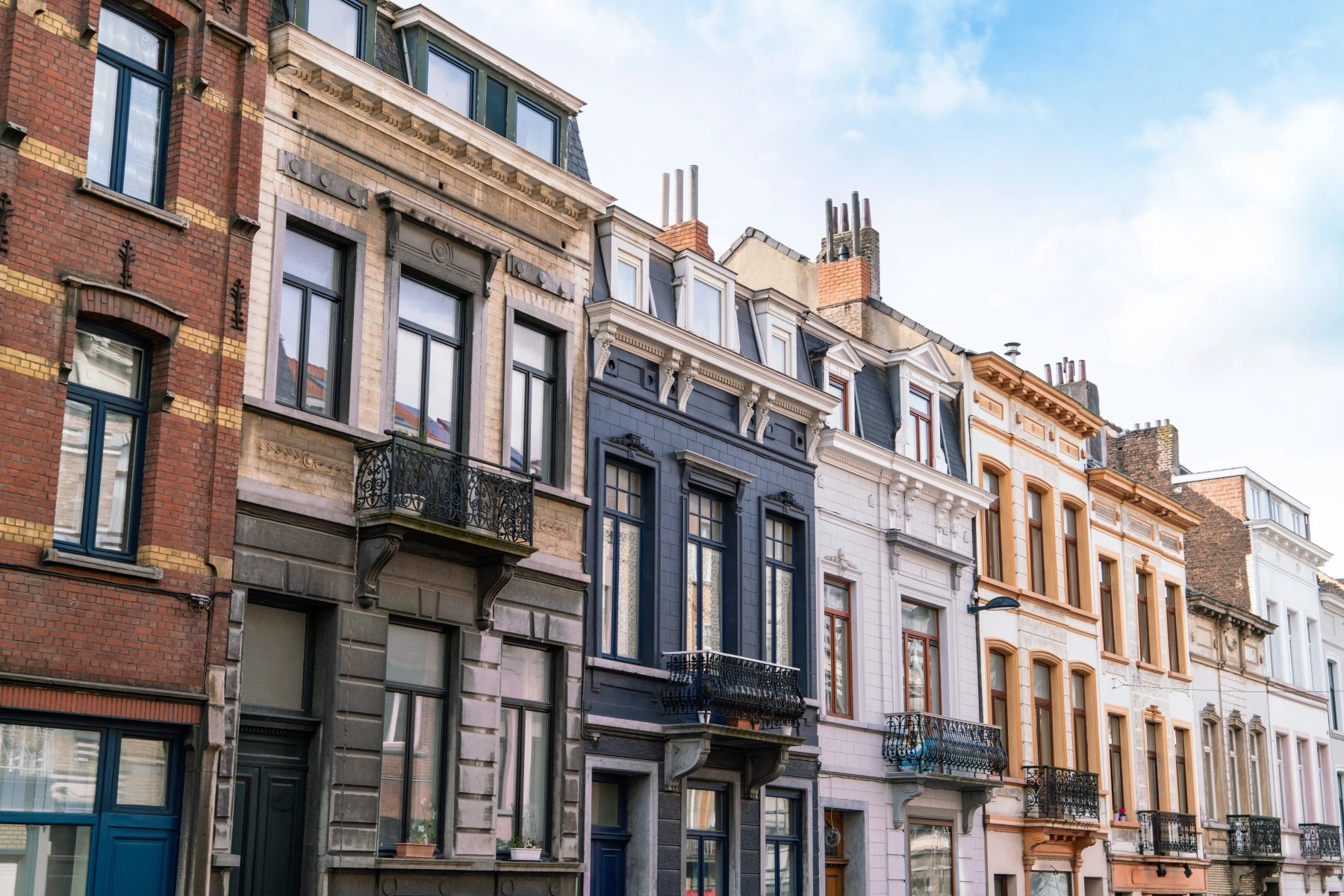
- Delhaize/AD Delhaize: The largest Belgian chain operates around 350 supermarkets across the country, as well as a few hypermarkets. Delhaize also operates the Food Lion stores in the US.
- Colruyt: Generally one of the more affordable Belgian supermarkets, Colruyt has over 200 stores across the country. Stores are basic but well-stocked and have plenty of in-store offers.
- Albert Heijn: The Dutch premium supermarket chain has over 40 stores in Flanders. You can pick up a Bonus card in-store for savings. Albert Heijn is part of the same company as Delhaize.
- Match/Smatch: Confusingly operating under two different but very similar names, this supermarket has over 100 supermarkets located across Flanders and Wallonia.
- Spar: The Dutch retailer has over 300 stores across Belgium. Most of these stores are located in Dutch-speaking Flanders.
You’ll likely come across other supermarket chains in Belgium, which often change depending on your region.
Discount supermarket chains in Belgium
If you don’t fancy crossing the border and the main chains are still a little too expensive, why not check out one of these discount retailers instead?
- Aldi: With over 400 stores across Belgium, you’re more likely to find an Aldi than any other retailer. The German discounter offers a basic but affordable product range.
- Lidl: Another German discounter, Lidl has around 300 stores in Belgium, offering an affordable range of food and non-food items in their no-frills supermarkets.
Belgian specialty supermarkets
If you’re looking for something a little more niche when it comes to your grocery shopping, Belgium also has specialty supermarkets. These offer more particular product ranges and include:
- Bio-Planet: Part of the Colruyt supermarket group, Bio-Planet is a biological supermarket with a wide range of organic and eco-friendly products. There are over 20 stores nationwide.
Supermarket opening times
Generally speaking, Belgian supermarkets are open from 08:00–20:00 Monday to Saturday. In larger towns and cities, you’ll likely find supermarkets open longer than this. However, Belgian supermarkets can be temperamental so you may not. Therefore, be prepared ahead of time and check opening hours before you leave home.
Supermarkets still tend to be closed on Sundays although this is slowly changing in certain areas.
Things you need to know about supermarkets in Belgium
As an expat, there are certain things you need to know before going wild in those Belgian supermarket aisles. Here are some pointers to keep in mind:
- Check the opening times: Supermarkets are generally shut on Sundays. However, some may be open so check ahead. Some may be closed on other days during the week instead.
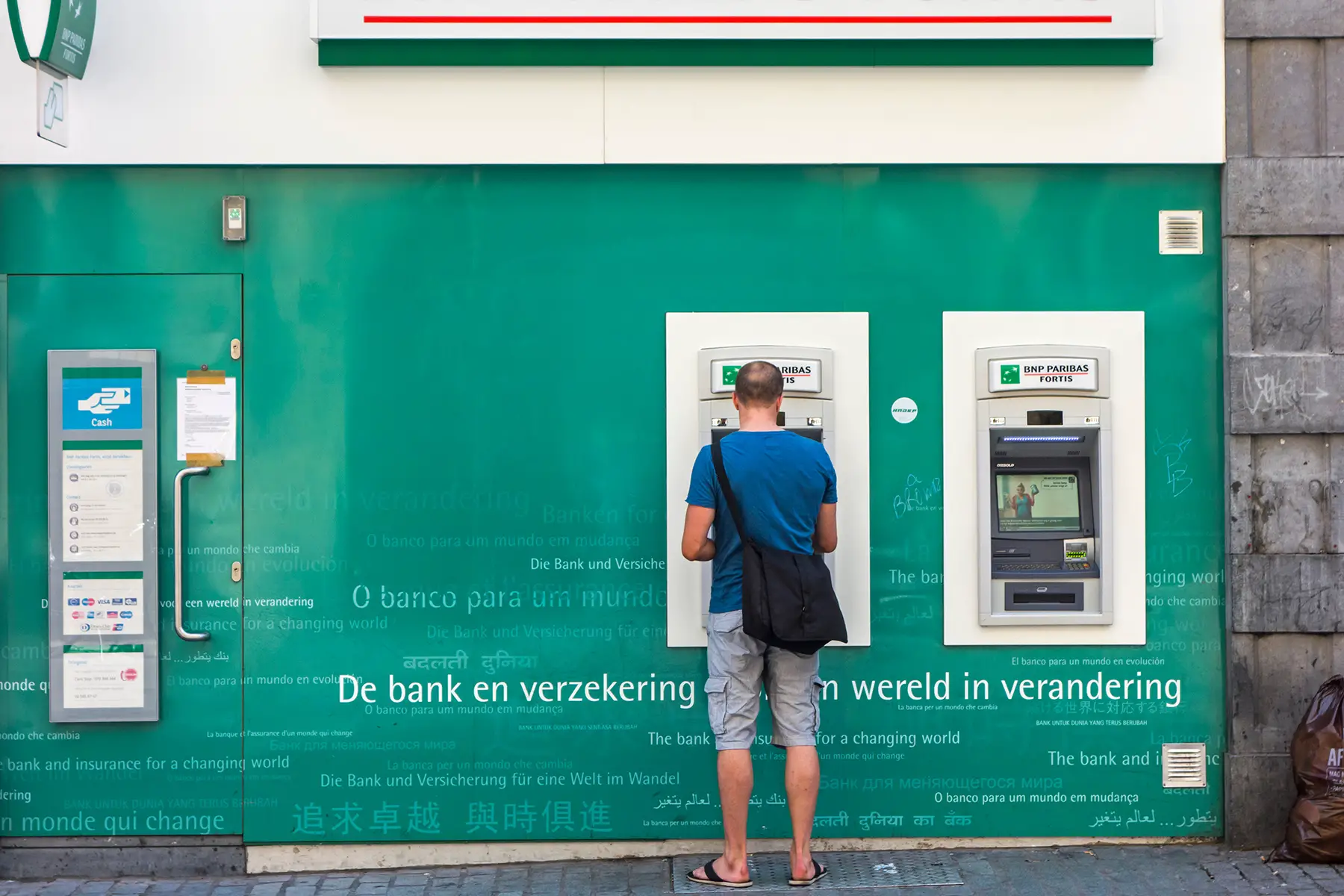
- You might not be able to use a card: Confusingly for expats and visitors alike, some Belgian supermarkets don’t accept major credit cards. You can avoid awkward moments by opening a Belgian bank account, which gives you a Bancontact card you can use in stores.
- Bring your own bags: Like in many other European countries, Belgian supermarkets charge for plastic bags. Most will sell them at the register for a small fee but most locals bring their own.
- On your bike: In many city center locations, supermarkets won’t have car parks. This means you’ll have to carry home what you buy. In some cities, particularly Antwerp and other Flemish cities, many locals cycle to the store.
Payment options for expats
The Bancontact card requirement at many Belgian supermarkets can be a real challenge when you first arrive in the country. Opening a Belgian bank account typically takes several weeks, and you’ll need proof of address and other documentation that you might not have immediately. Yet you need to buy groceries from day one—creating a frustrating situation where you can’t easily pay for essentials during your first weeks in Belgium.
This payment gap affects many new arrivals, particularly in smaller supermarkets or local chains that primarily accept Bancontact. While larger stores and chains are more likely to accept international cards, you can’t always rely on having one nearby. Carrying cash is one option, but it’s not always practical or safe, especially for larger shopping trips.
Fortunately, there are alternative solutions that can bridge this gap. International debit cards like Wise work at Belgian supermarkets because they’re issued as Mastercard. You’ll get the mid-market exchange rate when spending in euros, without needing to wait for a local bank account. This means you can focus on settling into your new home without worrying about how you’ll pay for groceries in those crucial first weeks.
Wise
Managing your money as an expat doesn’t have to be complicated. The Wise card works everywhere that accepts Mastercard, so you can pay at Belgian supermarkets without needing a local bank account. Plus, you’ll always get the mid-market exchange rate when spending in euros or managing money from your home country.
Food delivery services in Belgium
If you are unable to visit the supermarket or prefer the convenience of home delivery, then you’re in luck. Many Belgian supermarkets offer home delivery services, including Colruyt and Carrefour. Furthermore, there are a growing number of online-only supermarkets in Belgium, including Hopr.
You can simply shop online and choose your delivery slot.
There are a number of other delivery options in Belgium, including meal-kit providers. These companies deliver pre-prepared meal kits to your front door; filled with seasonally fresh ingredients and recipes to create your own meals at home. Belgian meal-kit providers include:
If cooking at home sounds too much like hard work, you’re in luck. Belgium has a whole menu of other options, including some excellent cafes and restaurants in Brussels and across the country. Alternatively, there are plenty of food delivery platforms that can connect you with your favorite local takeaways and restaurants. Belgian delivery platforms include:
Ethnic grocery stores in Belgium
Because Belgian supermarkets are known for their premium prices, many expats do their grocery shopping in the country’s many ethnic supermarkets. These are particularly popular with expat arrivals from Asia and the Middle East as they often stock a wider range of international foods than local supermarket chains. They are often much cheaper, too.
Most city neighborhoods will have an ethnic grocery store where you can pick up household essentials alongside global foods. However, the price and quality of these everyday items can vary significantly, so you may prefer to mix up your shopping habits.
Food shopping at Belgian markets
For a more authentic grocery shop, why not grab your tote bag and head to one of Belgium’s food markets? You’ll find a good range of food markets to choose from in many large towns and cities.
Most of these markets will have a range of stalls. Some will sell everyday foods like fresh produce, meat, and dairy. Others will also have more niche offerings, such as foods from around the world. You’ll also be able to find plenty of food trucks selling hot meals and snacks, so make sure you leave room!
Specialty stores in Belgium
As you might expect from Belgium, there are a whole host of specialty stores to choose from. If you like your meat, you’ll find butchers and poultry shops, among others. You’ll even find the odd horsemeat store. Cold meats and paté are bought at charcuteries, while cheese can be found at specialty cheese stores.
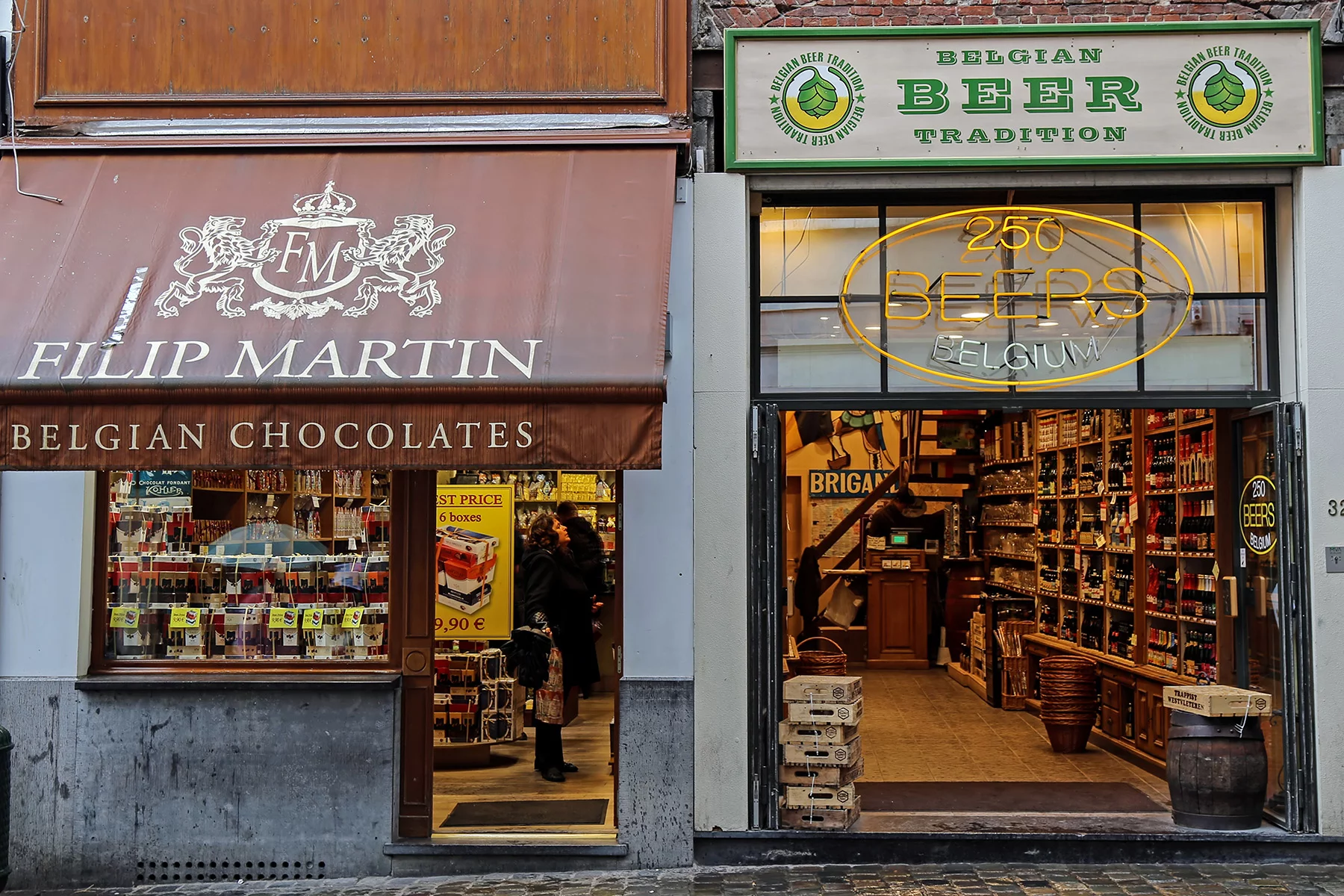
Being Belgium, there are also plenty of chocolate shops to explore. You can expect to pay a little more in the tourist parts of the major towns and cities, especially Bruges. Be sure to visit these stores during the major holidays like Christmas and Easter for seasonal treats and gifts.
Convenience stores
Sometimes you just need to quickly grab something to eat or drink. In Belgium, you’ll be able to do this at one of the country’s many convenience stores. Many of these are independently run, however, most of the big supermarket chains also have a convenience section. Some chains you may see are:
- Spar
- Carrefour Express
- White Night
- Delhaize Shop & Go
Liquor stores in Belgium
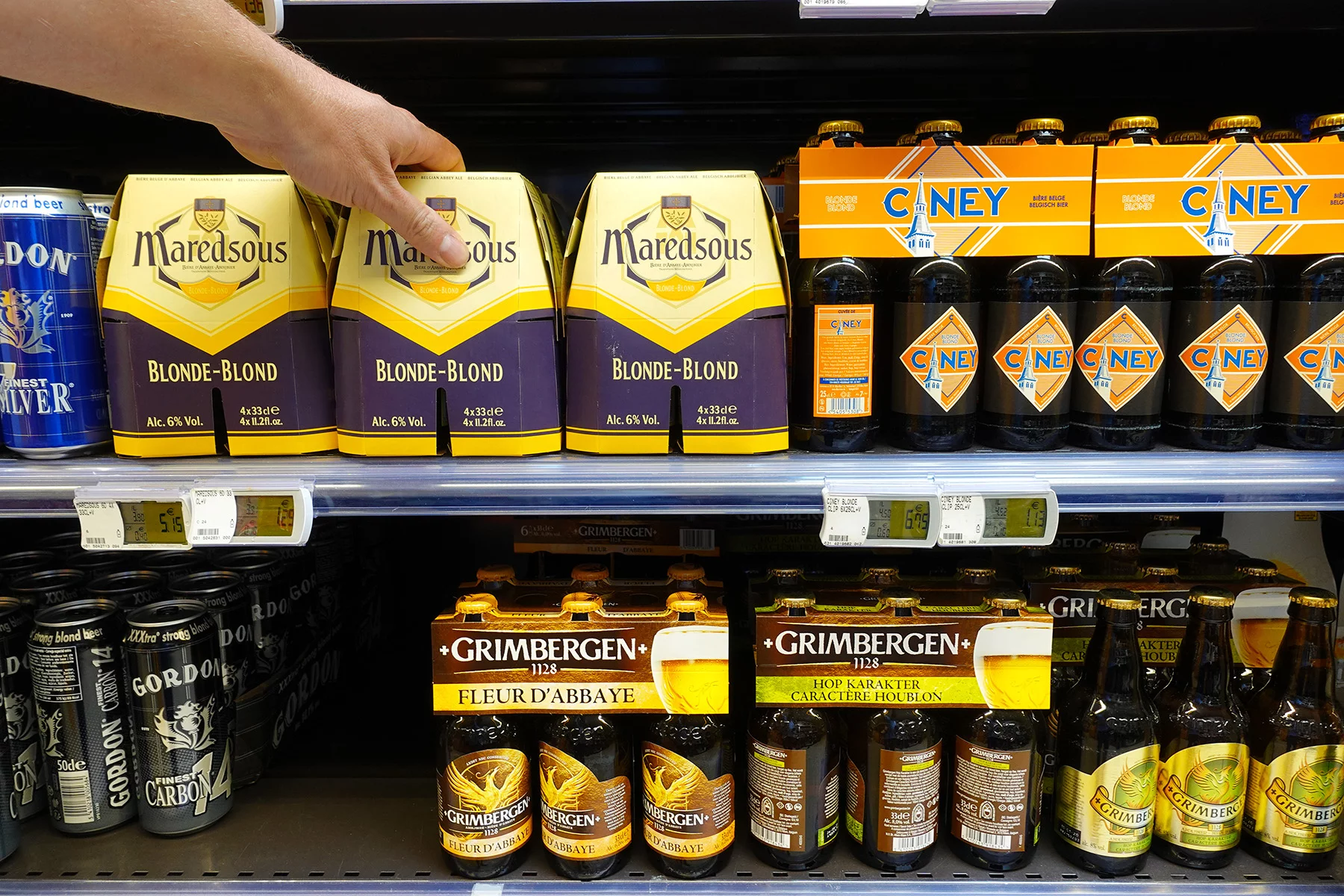
You’ll be able to buy wine and Belgian beer at all supermarkets in Belgium. Stronger spirits are available at the in-store counter, alongside cigarettes and other tobacco products. You’ll still come across specialty liquor and wine stores in Belgian neighborhoods, too.
Buying groceries from home
Missing food from home? Belgium is quite multicultural, which means it’s fairly easy to get hold of food from around the world. This is particularly true in bigger cities such as Brussels, Antwerp, and Ghent, which have well-established ethnic communities.

However, if that’s not enough, there are also online grocery stores that can deliver foods internationally, including British Corner Shop for all your favorites from the UK.
When ordering from international grocery stores, using a multi-currency account like Wise can simplify payments, as you can hold and spend in different currencies with the mid-market exchange rate


Did you find this guide helpful?