
'%20id='ico-down'%20stroke='%23000000'%20stroke-width='1.5'%3e%3cg%20transform='translate(1092.250000,%20254.750000)'%3e%3cpolyline%20id='Path-2-Copy-4'%20transform='translate(5.500000,%202.750000)%20scale(1,%20-1)%20rotate(-180.000000)%20translate(-5.500000,%20-2.750000)%20'%20points='0%200%205.5%205.5%2011%200'%3e%3c/polyline%3e%3c/g%3e%3c/g%3e%3c/g%3e%3c/svg%3e)


Education
Higher Education
Master’s degrees in Belgium for international students
Belgium can be a strong place to study for a master’s degree, with respected universities, English-taught options, and easy connections across Europe, but higher education is organized by communities rather than one single national system.



Admissions rules, fees, deadlines, and language requirements can therefore differ between institutions and programs. This guide helps you compare master’s degrees in Belgium and plan for admissions, tuition, scholarships, visa timing, housing, and first-month money tasks.
Key takeaways
- Most master’s programs in Belgium are 60 or 120 ECTS, which usually means one or two academic years.
- English-taught master’s programs are common, especially at graduate level, but housing, enrollment, or municipality steps may still run through Dutch or French systems.
- There is no national admissions portal. You usually apply directly to each university or school.
- EU/EEA and non-EU students can face different tuition rules, visa steps, and proof-of-funds checks.
- For the 2026–2027 academic year, the Belgian Immigration Office lists the non-EU proof-of-subsistence threshold at €1,062 net per month.
- Start early if you need translations, legalization, diploma recognition, or a visa appointment.
Simplify international tuition payments with Wise
Managing multi-currency expenses for your studies in Belgium doesn’t need to be complicated. Wise lets international students send tuition payments, hold multiple currencies, and spend like a local with transparent exchange rates and low fees, making cross-border money management effortless.

How master’s degrees work in Belgium
Belgium follows the Bologna model, so a master’s degree normally comes after a bachelor’s degree and uses ECTS, the European credit system. A 60 ECTS program usually takes one academic year, while 120 ECTS usually takes two.
A common question is whether Belgium has one national system for master’s admission. It does not. The Flemish and French-speaking systems can use different institutions, fee rules, and information channels, even when the degree structure looks similar.
- Compare the institution first, not just the subject title.
- Check whether the program is at a university, a university college, or a specialized school.
- Expect admissions, fees, and student support to vary by institution.
- Treat every deadline, language promise, and tuition example as program-specific.
Communities, institutions, and teaching languages
Flemish institutions mainly operate in Dutch, French-speaking institutions mainly operate in French, and Brussels-based options can sit across both systems. Many master’s degrees in Belgium for international students are taught partly or fully in English, but that does not mean every administrative step will be.
How to choose the right master’s program
If you are still exploring universities in Belgium, use broad lists for orientation, then move quickly to the official program and admissions pages. Choose based on subject fit, language level, budget, city, and timeline, not just name recognition.
Compare the curriculum, thesis or internship format, teaching language, and international-student support. Deadlines can also differ by faculty, even within the same university.
| University | Community | Typical master’s language | Typical length | Fee page to check | Admissions page to check |
|---|---|---|---|---|---|
| KU Leuven | Flemish | English or Dutch, program dependent | Usually 60 or 120 ECTS | Official tuition fees page | Official application page |
| Ghent University | Flemish | English or Dutch, program dependent | Usually 60 or 120 ECTS | Official tuition fees page | Official application page |
| UCLouvain | French-speaking | English or French, program dependent | Usually 60 or 120 ECTS | Official tuition fees page | Official application page |
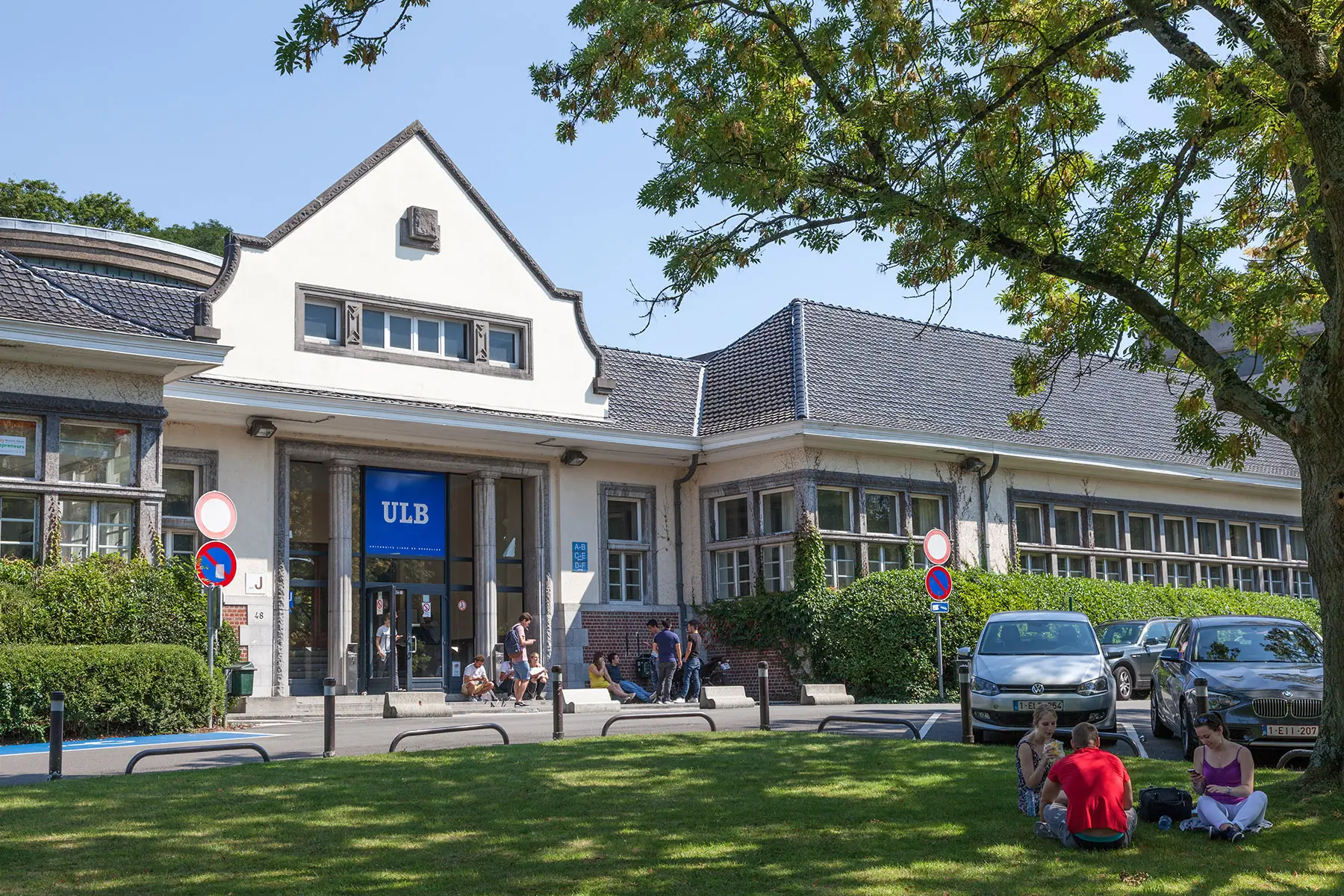
| ULB | French-speaking, Brussels | English or French, program dependent | Usually 60 or 120 ECTS | Official tuition fees page | Official application page |
What to verify on each university page
Before relying on any example, confirm the language of instruction, degree length, current tuition page, admissions deadline, required documents, and any scholarship or visa notes. Also check whether the university asks for translations, legalization, or an application fee.
Aggregator pages and old rankings are useful for browsing, but they often miss faculty-level changes that matter later.

Admission requirements and credential checks
Admission requirements for a master’s in Belgium usually start with a relevant bachelor’s degree or equivalent, plus transcripts, a passport or ID copy, and an application filed directly with the institution. Many universities also ask for a motivation letter and CV, while some programs want references or proof of prior coursework in specific subjects.
Some faculties or schools add interviews, portfolios, entrance exams, or extra selection steps, especially in arts, medicine, or specialized professional programs.
Use this working checklist before you apply:
- Relevant bachelor’s degree or recognized equivalent
- Transcript of records
- Passport or national ID copy
- CV and motivation letter
- Language test result, if required
- Certified translation or legalization, if required
- Program-specific extras such as references, portfolio, GMAT, interview, or exam
Language tests, transcripts, and equivalence
English-taught programs often still require proof of English, and accepted tests or score thresholds vary by institution. Study in Flanders says B2 English is typical for many English-medium programs, while official French-speaking guidance also points many international students toward B2 in the language of instruction.
If your documents were issued abroad, you may also need certified translations, legalization, apostilles, or a diploma equivalence route. NARIC-Vlaanderen is a common starting point for Flanders, while the French Community equivalence service is a common starting point for French-speaking Belgium.

Tuition fees, scholarships, and proof of funds
Tuition fees for a master’s in Belgium can look reasonable next to some other study destinations, but published figures are not national averages. They change by community, institution, program, and nationality, so compare public-framework guidance with the exact fee page for your course.
For 2026–2027, Study in Flanders lists a general full-time 60 ECTS guideline of €1,181.40 for EU/EEA nationals and €5,300 to €12,000 for many non-EU full-time programs. In French-speaking Belgium, official 2025–2026 guidance says EU students can face a maximum annual tuition fee of €1,194, while many non-EU students pay a total of €5,369 unless an exemption applies. Advanced master’s degrees, MBAs, and some special cases can differ.
| Community or framework | Common EU/EEA logic | Common non-EU logic | What to verify | Timing note |
|---|---|---|---|---|
| Flemish public framework | 2026–2027 guideline of €1,181.40 for 60 ECTS | Often €5,300 to €12,000 | Exact program fee page and any application fee | Check fees before you accept the offer |
| French-speaking public framework | Maximum annual tuition fee of €1,194 in 2025–2026 | Often €5,369 total unless exempt | Exemption rules, faculty exceptions, and payment schedule | Annual circulars can change details |
| Institution-specific exceptions | Reduced or special rates may apply | Scholarships, assimilation, or special categories may change totals | Scholarship terms, refund rules, and accepted payment method | Scholarship deadlines can come first |
Scholarships do exist, but timing matters. The official Master Mind Scholarship in Flanders and Brussels is one example, and its process can move earlier than course deadlines. If you are paying a deposit or tuition from abroad, compare the total transfer cost and timing carefully, but follow the school’s accepted payment instructions.

EU/EEA and non-EU cost differences
EU/EEA students usually see lower published public-framework fees and usually do not need a Belgian study visa, though local registration can still apply. Non-EU students often face higher tuition, more document work, and earlier pressure on deadlines.
- For 2026–2027, the Belgian Immigration Office lists the minimum proof of subsistence at €1,062 net per month for study stays.
- Exemptions, scholarships, or assimilated-status rules can change the final amount, so budget only after you check your own category.
Housing, visas, and student administration
Once you have an admission letter, non-EU students should move into visa planning quickly because embassy appointments and document checks can take time. If you need a longer stay, review the official rules and your next steps for Belgian student visas as soon as your offer looks realistic.
EU/EEA students usually do not need a study visa, but they may still need local registration after arrival. Housing should not wait until the last minute, especially for September intake cities where supply tightens early.
Shortlist programs and collect admissions documents.
Apply early, confirm housing options, and prepare proof of funds if a visa is likely.
After arrival, complete enrollment and register with your municipality or city hall as required.
If you will need euros for rent, deposits, or early expenses, plan how you will access funds in Belgium before you arrive. That helps with day-one costs, but it does not replace any university or immigration financial-proof requirement.
Arrival checklist for international students
Confirm your housing, complete municipality or city-hall registration where required, and follow any residence-permit step if you are a non-EU student. You may also need to arrange international student insurance in Belgium and plan first-month payments such as rent, transport, and groceries.

Managing tuition and living costs across borders
Moving money for a master’s in Belgium is not just about the headline tuition fee. You may need to pay an application fee, a housing deposit, first-month living costs, or a tuition installment on a schedule that does not match your home currency.
If your university accepts payment from abroad, an international transfer service such as Wise can help some students send euros, hold multiple currencies, and use a card for local expenses after arrival. Wise is a payment institution, not a bank, and availability, features, and suitability depend on your country, account eligibility, and the institution’s payment requirements. It does not replace any blocked-account rule, sponsor requirement, or university-mandated payment channel, and some students may still later open a local account with a bank such as BNP Paribas Fortis, KBC, or Belfius.
FAQ
Frequently asked questions about master's degrees in Belgium
Can international students study a master's in Belgium in English? 
Yes, many Belgian master’s programs are taught in English, especially at graduate level. Availability depends on the institution and subject, and some admissions, housing, or municipality steps may still involve Dutch or French.
How much does a master's degree in Belgium cost?
The total cost depends on the community, institution, program, and nationality. Tuition is only one part of the budget, and EU/EEA and non-EU students often face different fee rules.
What are the admission requirements for a master's in Belgium?
Most applicants need a relevant bachelor’s degree, transcripts, language proof, and supporting documents such as a CV or motivation letter. Some programs also ask for interviews, portfolios, or extra credential checks, and diploma recognition or translations may apply.
Are there scholarships for international master's students in Belgium?
Yes, master’s scholarships in Belgium exist through communities, universities, and some official programs. Check early, because scholarship deadlines often arrive before final course deadlines.
When should non-EU students apply for a master's in Belgium?
Non-EU students should usually start earlier than local or EU/EEA applicants because admissions, document checks, and visa steps take time. The exact deadline comes from the institution, but earlier preparation is useful when proof of funds or visa appointments are involved.
Sources
Expatica’s experts are all about providing the most up to date and accurate information. All guides are fact checked, and whenever we use external sources (like government websites or research papers) we’ll make a note of them here so you can check them out too.
- Overview of studying in Belgium and the community-based education system, Belgium.be — Coming to study in Belgium
- Official starting point for diploma-equivalence guidance, Belgium.be — Equivalence of diplomas
- Application procedures and institution-level application guidance in Flanders, Study in Flanders — How to apply
- General diploma, language, and admission requirements in Flemish higher education, Study in Flanders — Admission requirements
- Public-framework tuition guidance and links to institutional fee information, Study in Flanders — Tuition fees
- Visa, solvency, and registration guidance for international students in Flanders, Study in Flanders — Visa requirements
- Admission and enrolment conditions for master's studies in French-speaking Belgium, Wallonie-Bruxelles Campus — Master's degree studies
- Registration-fee framework for higher education in French-speaking Belgium, Wallonie-Bruxelles Campus — Registration fees
- Official student proof-of-subsistence threshold and accepted evidence, Belgian Immigration Office — Sufficient means of subsistence
- Foreign diploma recognition guidance for the Flemish Community, NARIC-Vlaanderen
- Official scholarship information for eligible international master's students in Flanders and Brussels, Study in Flanders — Master Mind Scholarships


Did you find this guide helpful?