
'%20id='ico-down'%20stroke='%23000000'%20stroke-width='1.5'%3e%3cg%20transform='translate(1092.250000,%20254.750000)'%3e%3cpolyline%20id='Path-2-Copy-4'%20transform='translate(5.500000,%202.750000)%20scale(1,%20-1)%20rotate(-180.000000)%20translate(-5.500000,%20-2.750000)%20'%20points='0%200%205.5%205.5%2011%200'%3e%3c/polyline%3e%3c/g%3e%3c/g%3e%3c/g%3e%3c/svg%3e)



Key takeaways
| Topic | What it means | Why it matters | What to do next |
|---|---|---|---|
| Bonds | A bond is a loan to a government or company that usually pays interest and returns capital at maturity. | It can add lower-volatility assets to a portfolio, but prices still move. | Decide whether you want direct bonds or a fund. |
| Gilts vs corporate bonds | Gilts are UK government bonds, while corporate bonds are issued by companies. | Gilts usually have lower credit risk, while corporate bonds can offer higher yields with more default risk. | Compare issuer strength, maturity date, and yield. |
| Direct bonds vs funds | You can buy one bond yourself or buy a fund or ETF that holds many bonds. | Funds and ETFs are often simpler for beginners and can spread risk more widely. | Choose the route that matches your budget and monitoring effort. |
| UK account wrappers | Common wrappers include a Stocks and Shares ISA, SIPP, or general investment account. | The wrapper can change how returns are taxed and whether contributions are allowed. | Check HMRC rules and your residency status first. |
| Main risks | Bond prices usually fall when interest rates rise, and company issuers can default. | A high coupon alone does not mean a better deal. | Review yield, price, credit rating, and time horizon together. |
| Expat checks | Funding from abroad, FX costs, and overseas tax reporting can all affect the result. | Small friction points can reduce returns or create admin later. | Compare the final GBP amount received and check reporting rules in each relevant country. |
Step 1: understand what bonds mean in the UK
In UK investing, bonds usually mean tradable securities such as gilts, corporate bonds, bond funds, and bond ETFs. That is different from “investment bonds” sold by insurance providers, which usually wrap investments inside a life insurance product, as MoneyHelper explains.
A common question is whether bonds and gilts are different products. Gilts are one part of the bond market because they are bonds issued by the UK government, while other bonds may be issued by companies or held through pooled investments.
- Gilts: UK government bonds, often used by investors who want sterling exposure and lower credit risk.
- Corporate bonds: loans to companies that can offer higher yields than gilts but involve more issuer risk.
- Bond funds: pooled funds that hold many bonds and are generally priced once a day.
- Bond ETFs: exchange-traded funds that hold many bonds and trade on an exchange during market hours.
Gilts, corporate bonds, bond funds and bond ETFs
According to the Debt Management Office, gilts are sterling liabilities issued by HM Treasury and listed on the London Stock Exchange. Corporate bonds work in a similar basic way, but your credit risk depends on the company rather than the UK government, so the issuer’s financial strength matters more.
Bond funds and bond ETFs can be easier for beginners because one purchase gives you exposure to many holdings. A direct bond has a maturity date, but a fund usually does not mature in the same way, so its price and income profile can behave differently over time.
| Type | Typical risk level | How it is bought | Who it may suit |
|---|---|---|---|
| Gilts | Lower credit risk | Through a broker or platform | Investors who want UK government bond exposure |
| Corporate bonds | Higher than gilts | Through a broker or platform | Investors comfortable with issuer risk |
| Bond funds | Varies by holdings | Through a fund platform or broker | Beginners who want diversification |
| Bond ETFs | Varies by holdings | On an exchange through a broker | Investors who want diversification and intraday trading |
Risk levels are relative and depend on factors such as maturity, interest-rate sensitivity, issuer quality, and the fund’s underlying holdings.

Step 2: choose how you want to invest
The key question is practical rather than theoretical. Do you want the clearer end date of a direct bond, or the simpler diversification of a fund or ETF?
Think in terms of workload. Direct bonds can make more sense when you want to hold to maturity and understand the bond terms, while funds or ETFs can be more straightforward when you want broad exposure without building a ladder of individual holdings.
Direct bonds vs funds: which route suits beginners?
Direct bonds give you more control over maturity date, coupon, and issuer. They can also make it easier to plan around a known date, but you may need a larger order size and you have to monitor each holding yourself.
Bond funds and bond ETFs remove some of that complexity because the manager or index determines the holdings. A platform may also require a larger minimum for a direct bond than for a bond ETF, which means a smaller account can often achieve broader diversification through funds.
- Choose direct bonds if you want a known maturity date.
- Choose direct bonds if you are comfortable checking yield to maturity, credit rating, and liquidity.
- Choose funds or ETFs if you want diversification from one trade.
- Choose funds or ETFs if you are investing smaller amounts regularly.
- Choose funds or ETFs if you want less day-to-day monitoring.
Which route may fit cautious investors, income seekers, or long-term savers?
A cautious reader may care less about finding the highest bond yield and more about reducing surprises. Diversified bond funds, short-duration funds, or high-quality gilts may therefore be easier to assess than a small basket of individual corporate bonds.
An income-focused reader may pay closer attention to the coupon, but the coupon is not the whole story. Yield and yield to maturity matter because they reflect the price you pay and the return you may receive if the issuer keeps making payments as expected.
A long-term saver may compare bonds with the rest of their portfolio rather than treating them as a stand-alone decision. Suitability depends on your time horizon, risk tolerance, and tax position, so speak to a regulated adviser if you are unsure whether a particular route fits your circumstances.
Step 3: choose the right UK account and platform
Before you buy anything, you usually need two pieces of infrastructure: an appropriate account wrapper and a platform or broker that offers the bond products you want.
For new arrivals, setup can be the hidden blocker. You may need ID, a UK address, an accepted funding method, and sometimes a local bank relationship, so it can help to sort out the basics first with Expatica’s guide to opening a bank account in the UK.
What you may need before you start:
- photo ID
- proof of address
- a bank account or accepted funding method
- clarity on whether the platform supports direct bonds, funds, ETFs, or all three
ISA, SIPP or general investment account
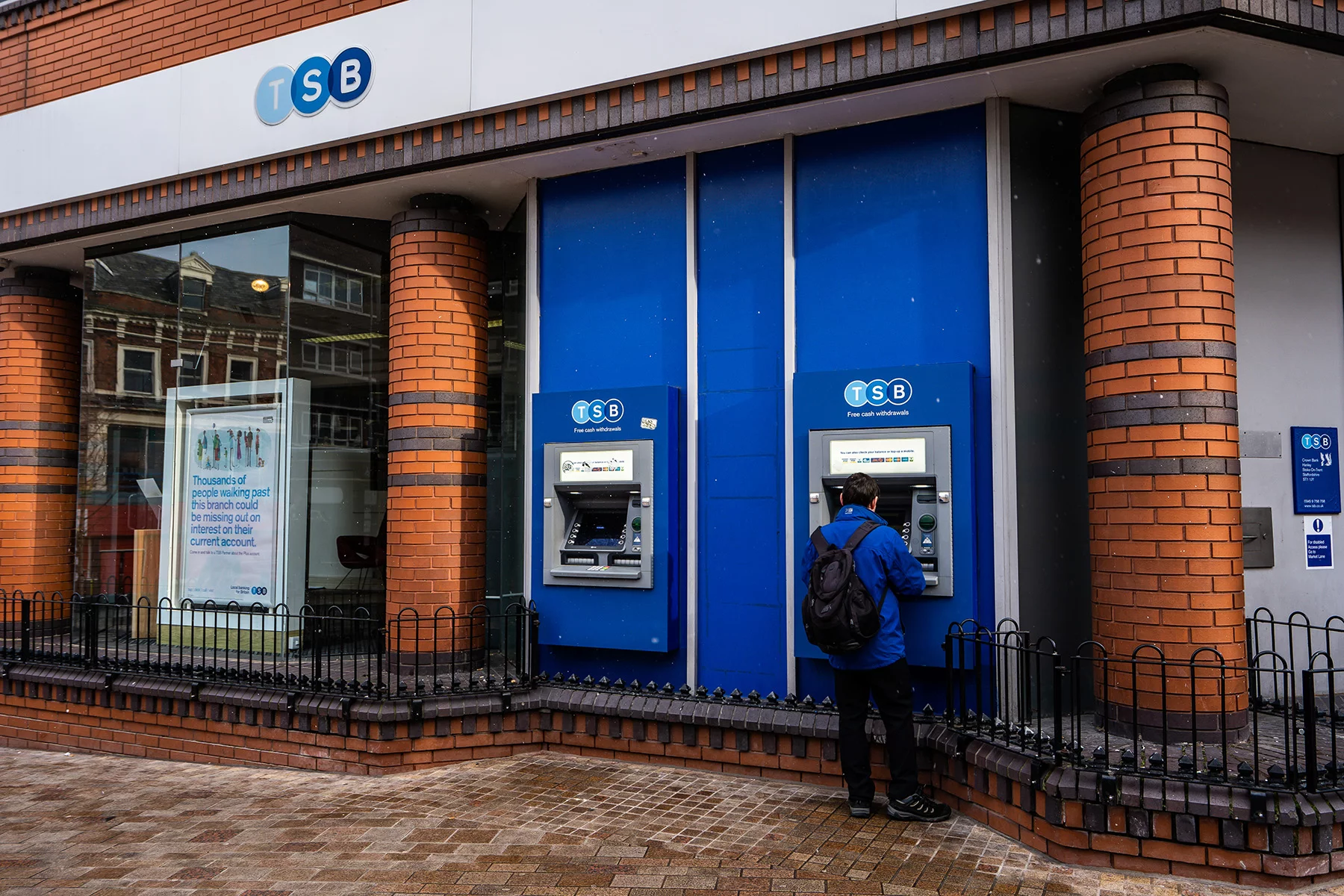
In the UK, the main wrappers are a Stocks and Shares ISA, a SIPP, and a general investment account. A Stocks and Shares ISA can shelter investments from UK tax within the wrapper, a SIPP is a pension wrapper for long-term retirement saving, and a general investment account is the standard taxable option when the others do not fit.
GOV.UK currently lists a £20,000 annual ISA allowance and explains that eligibility depends on residence and other conditions. Expats should check the latest HMRC rules alongside wider guidance on the UK tax system before contributing.
| Wrapper | Main purpose | General tax treatment | What to verify next |
|---|---|---|---|
| Stocks and Shares ISA | Flexible investing | Gains and income are generally sheltered from UK tax inside the wrapper | HMRC eligibility and subscription rules |
| SIPP | Retirement investing | Pension wrapper with its own tax rules and access limits | Contribution limits and withdrawal rules |
| General investment account | Investing without wrapper limits | Tax may apply depending on income, gains, and circumstances | How income and gains may need to be reported |
Tax treatment depends on individual circumstances and can change. Check the current rules before relying on a wrapper or allowance.
What to check in a broker or platform
The right broker or investment platform depends on the type of bond investment you want to buy. Some platforms focus on funds and ETFs, while others also provide access to direct gilts and corporate bonds, so start with product access before comparing headline fees.
Verify that the firm is authorised for the service it offers by using the FCA Firm Checker. One example for readers comparing broad bond access is Interactive Brokers, which provides access to UK gilts and other global bonds and offers a bond search tool; it is still only one option and not a default choice for every investor.

Check these points:
- product range, including direct gilts, corporate bonds, funds, and ETFs
- dealing method and minimum order size
- research tools, including filters for maturity, yield, and credit quality
- platform, custody, dealing, and FX fees
- settlement details and how clearly the provider explains them
Step 4: review costs, risks and tax basics before you buy
A high coupon can look attractive, but bond investing still involves price risk, issuer risk, inflation risk, liquidity risk, and tax differences. The full cost matters more than one visible fee.
The contents of this article are for informational purposes only and do not constitute financial, investment, legal, or tax advice. Investments can fall as well as rise, you may get back less than you invest, and corporate issuers can default. Decisions related to tax should be made after thorough research, consultation, and verification with a qualified financial or legal adviser.
Fees, yields and minimum investment sizes
The coupon is the interest rate used to calculate a bond’s regular interest payments. Yield reflects the return relative to the price you pay, while yield to maturity estimates the total return if you hold a direct bond to maturity and the issuer keeps paying as expected.
Before buying, compare dealing fees, platform fees, fund charges, the bid-ask spread, and any FX cost if you are converting from another currency. Banks and specialist platforms may price investing and currency conversion differently, so recheck the provider’s current charges and the final amount invested.
Compare before you buy:
- clean price and total cost, including accrued interest if shown
- yield and yield to maturity, not just the coupon
- annual fund charge if using a bond fund or bond ETF
- minimum investment size for direct bonds
- FX spread and transfer cost if funding from abroad
UK tax and residency points expats should verify
Tax can be the point where a simple plan becomes complicated, especially for people who move between countries.
- Outside wrappers: coupons and other investment income may be taxable, and different rules can apply to direct holdings and funds.
- Inside wrappers: an ISA or SIPP can change the UK tax result, but eligibility and contribution rules still matter.
- Residency: UK tax residence, treaty position, foreign income rules, and overseas reporting obligations can all affect the outcome.
- How to verify: start with HMRC, then review practical filing guidance such as how to file income taxes in the UK if you need to report investment income.
- Gilts: gains on qualifying UK government gilts are generally exempt from Capital Gains Tax, but coupon income and special cases can be treated differently, so confirm the current HMRC position for your exact setup.
Step 5: fund your account and make your first bond investment
Once you have chosen a route, the buying path is usually straightforward: fund the account, search for the product, review the key bond or fund details, place the order, and check the settlement confirmation.
Do not overcomplicate your first purchase, but slow down enough to read what you are buying. A short-dated gilt fund, a bond ETF, and an individual corporate bond can all sit under “bonds”, yet they behave differently when rates, credit conditions, or your own plans change.
Moving money from abroad without losing too much to FX
For expats, currency conversion is one of the easiest places for costs to go unnoticed. If your savings are still in EUR, USD, or another home currency, the visible transfer fee is only part of the story, and the FX spread can change how much GBP reaches your investment account.

Banks can handle the transfer, but you should compare the full conversion result rather than only the upfront fee. For background on routes and costs, see international money transfers in the UK. Readers who want to hold a home currency and GBP before funding a broker may also find the Wise Review, how to use Wise in the UK as an expat, and best multi-currency account in the UK useful. A Wise account can help you hold supported currencies, convert money into GBP, and send money onward before investing, but it does not sell bonds or provide investment advice.
Use this checklist before converting:
- compare the quoted exchange rate with the mid-market rate
- check the final GBP amount, not just the transfer fee
- confirm whether your broker accepts third-party or multi-currency funding
- keep transfer confirmations for tax and administration
- test the process with a smaller amount first if you are unsure

Wise for converting money before investing
A Wise account can help you hold supported currencies and convert money into GBP before transferring it to an investment platform that accepts this funding method.

Placing the order and checking settlement details
At the point of purchase, focus on the bond terms or fund facts rather than the marketing label. Check the product name, maturity date, yield, ongoing charges, and whether you are looking at an individual bond, a bond fund, or a bond ETF.
Limited liquidity can affect the price you receive, especially in smaller or less-traded issues. If the description includes unfamiliar terms such as callable, duration, or investment grade, stop and read the platform’s explanation before buying.
- Confirm the exact product name and issuer.
- Check maturity, coupon, price, and yield.
- Review fees, minimum size, and any FX charge.
- Place the order using the platform’s dealing screen.
- Check the contract note and settlement confirmation afterwards.
Step 6: monitor your bonds and decide what to do next
Buying is not the end of the process. If you own an individual bond, decide whether you plan to hold it to maturity or might sell earlier, because interest-rate moves can affect the market price long before the maturity date arrives.
For example, if rates rise after you buy a direct gilt, its market price may fall even though the amount due at maturity has not changed, assuming the issuer continues to pay as expected. If you use a bond fund instead, regular contributions and periodic reviews may make more sense than trading in and out based on short-term rate headlines.
Review these points from time to time:
- your time horizon
- diversification across issuers and maturities
- fees and FX costs
- whether the holding still fits your original goal
Conclusion
Investing in UK bonds starts with choosing between direct gilts or corporate bonds and diversified funds or ETFs. The account wrapper, platform access, fees, tax residence, and FX costs can matter as much as the headline coupon. Compare the product’s yield, maturity, credit risk, liquidity, and total cost together, and verify current tax and platform rules before acting.
FAQ
Investing in bonds in the UK
Can expats buy UK government bonds? 
Many expats living in the UK can access gilts through UK investment platforms, but access depends on the provider’s onboarding checks, accepted residency documents, and account rules. Expect to provide ID, address evidence, and tax information, and do not assume every platform accepts every residency profile.
Are gilts tax free in the UK?
Not in every respect. Gains on qualifying UK government gilts are generally exempt from Capital Gains Tax, while coupon interest and other returns can be taxed differently depending on the holding, wrapper, and your circumstances. Check current HMRC guidance before acting.
Should beginners buy individual bonds or bond funds?
Many beginners prefer bond funds or ETFs because they are easier to diversify and can be bought in smaller amounts. Individual bonds can still make sense if you understand maturity, pricing, liquidity, and issuer risk and want more direct control.
Can I hold bonds in an ISA or SIPP?
Many bond investments can be held in a Stocks and Shares ISA or SIPP, including many funds, ETFs, and some direct bonds, but the available range depends on the platform. Expats should verify current eligibility and contribution rules before relying on the wrapper.
How do rising interest rates affect bond prices?
When interest rates rise, existing bond prices usually fall because newer bonds may offer more attractive yields. This matters most if you might sell before maturity, while a holder of an individual bond who stays to maturity remains focused on the issuer continuing to make the promised payments.
Sources
- UK Debt Management Office: definition, structure, coupon, maturity, and market information for gilts, checked on 17 July 2026.
- GOV.UK: ISA types, annual allowance, and residence eligibility, checked on 17 July 2026.
- HM Revenue & Customs: Capital Gains Tax exemption for qualifying gilt-edged securities, checked on 17 July 2026.
- HM Revenue & Customs: residence-based foreign income and gains rules for qualifying new UK residents, checked on 17 July 2026.
- Financial Conduct Authority: firm authorisation and permission checks, checked on 17 July 2026.
- MoneyHelper: distinction between insurance-style investment bonds and tradable bonds, checked on 17 July 2026.
- Interactive Brokers U.K. Limited: bond product access and search tools, checked on 17 July 2026.


