
'%20id='ico-down'%20stroke='%23000000'%20stroke-width='1.5'%3e%3cg%20transform='translate(1092.250000,%20254.750000)'%3e%3cpolyline%20id='Path-2-Copy-4'%20transform='translate(5.500000,%202.750000)%20scale(1,%20-1)%20rotate(-180.000000)%20translate(-5.500000,%20-2.750000)%20'%20points='0%200%205.5%205.5%2011%200'%3e%3c/polyline%3e%3c/g%3e%3c/g%3e%3c/g%3e%3c/svg%3e)


Finance
Insurance
Shakai hoken vs kokumin kenko hoken in Japan: an expat guide
If you live and work in Japan, you will usually need health cover, but the route depends on your job and status. The key difference between shakai hoken and kokumin kenko hoken is who enrols you, how contributions are paid, and what wider benefits may be included.


Understanding which system applies to you can help you register correctly, budget for contributions, and avoid gaps in your health insurance. This guide is for information purposes only and explains the differences between shakai hoken and kokumin kenko hoken, looking at how each one works.
Cigna Global
Enjoy peace of mind while living in Japan with Cigna Global’s long-term international health insurance plans (12+ months). Get tailored coverage, direct billing with many providers, complex case management, and global care on demand, with access to a global network of 2.4 million hospitals and healthcare professionals.

No commitment required
Key takeaways
- Shakai hoken (社会保険) is employer-based social insurance, typically covering health insurance and employees’ pension insurance for eligible workers.
- Kokumin kenko hoken (国民健康保険) is municipal National Health Insurance, generally for residents who are not covered by an employment-based health insurance scheme.
- With shakai hoken, your employer normally handles enrolment, and your contributions are generally deducted directly from your salary.
- With kokumin kenko hoken, you normally register through your municipality and pay the required premiums yourself.
- Your insurance arrangements may need to change when you start or leave a job, move to another municipality, or experience another change in eligibility, so update the relevant authorities promptly.
- Kokumin kenko hoken premiums and payment arrangements can vary by municipality, so check with your local city or ward office for the rules and amounts that apply to you.
What is the difference between shakai hoken and kokumin kenko hoken?
The two terms sound similar, but they refer to different parts of Japan’s social insurance system.
Shakai hoken is commonly used to describe employer-based social insurance. For eligible employees, this generally includes Employees’ Health Insurance and Employees’ Pension Insurance, with contributions deducted from salary and the employer handling enrolment.
Kokumin kenko hoken is Japan’s National Health Insurance system. Municipal National Health Insurance generally covers residents who are not enrolled in an employment-based or other applicable health insurance scheme, which can include freelancers, self-employed people, students, unemployed people, and some workers who are not covered through their jobs.
| Insurance name | What it is | Registration process |
| Shakai hoken | Employment-based social insurance | Your employer generally handles enrolment |
| Kokumin kenko hoken | National Health Insurance for people without other applicable health cover | You normally register yourself through your municipality |
What shakai hoken usually includes
In an employment context, shakai hoken generally includes:
- Employees’ Health Insurance
- Employees’ Pension Insurance
- Long-term care insurance contributions, where applicable
Your employer usually handles enrolment, and your share of the contributions is deducted from your salary. For many expats, this can make the administrative side relatively straightforward because much of the process is handled through the employer.
What kokumin kenko hoken usually includes
Kokumin kenko hoken provides public health insurance. Unlike employment-based shakai hoken, it does not bundle health insurance with Employees’ Pension Insurance.
If you are required to join, you normally register through the municipality where you live and pay the relevant premiums yourself. Depending on your age and circumstances, you may also need to enrol separately in Japan’s National Pension system and pay pension contributions.
Who usually joins each scheme, and when do expats switch?
If you are a full-time employee at a workplace covered by the system, you will generally be enrolled in shakai hoken. If you are self-employed, unemployed, between jobs, or otherwise not covered by an employment-based health insurance scheme, you may need to join kokumin kenko hoken instead.
Many expats switch between the two as their circumstances change in Japan. A newcomer who is not yet covered through work may initially need municipal National Health Insurance before moving to shakai hoken when eligible employment begins. Someone leaving a salaried job may need to move in the other direction if they are no longer covered by employment-based insurance.
Common expat scenarios
| Situation | Which scheme usually applies? | What to check |
| You arrive in Japan before your first job starts | Kokumin kenko hoken may be needed temporarily | Check when you become eligible for National Health Insurance and when employer cover starts |
| You begin a full-time job with benefits | Shakai hoken generally applies | Ask HR to confirm your eligibility and effective date |
| You are freelance or self-employed | Kokumin kenko hoken generally applies if you have no other applicable health cover | Register with your municipal office |
| You are a dependent spouse | You may qualify as a dependent under your spouse’s employment-based health insurance | Check the scheme’s residence, relationship, and financial-dependency requirements |
The answer can change according to your exact circumstances. Working hours, employer size, age, income and dependency status, and residence status can all be relevant, particularly for part-time workers and dependants.
Documents, deadlines, and the arrival gap
A common issue for expats is the period between becoming resident in Japan and starting employment-based insurance.
If you become eligible for National Health Insurance because you are resident in Japan and do not have other applicable health cover, you generally need to complete the relevant notification with your municipality within 14 days.
When you later become covered through an employer, you should also complete the necessary procedure to leave National Health Insurance rather than assuming this happens automatically.
Keep these points in mind:
- Confirm your exact work start date.
- Ask HR to confirm your shakai hoken eligibility and effective date.
- Check whether you need temporary municipal National Health Insurance before employer cover begins.
- Keep any paperwork from your ward or city office.
- Save proof of payment if you are billed manually.
Failing to complete the appropriate procedures can lead to backdated premiums or additional administration later. If you are unsure which system applies, check with your employer and your municipal National Health Insurance office rather than assuming you are already covered.
How do costs, dependants, and pension work?
The two schemes differ in a number of ways, including how contributions are calculated, and how dependants and pension coverage work.
With shakai hoken, health insurance contributions are generally linked to your salary and shared between employer and employee. Employees covered by the system will generally also be enrolled in Employees’ Pension Insurance (kōsei nenkin).
With kokumin kenko hoken, the premium is usually billed through your municipality. The amount varies according to local rules, household composition, and factors including the previous year’s income, so costs can differ between municipalities.
Shakai hoken costs and dependent cover
Shakai hoken can be attractive because the employer generally pays part of the health insurance contribution.
That does not mean it is always cheaper in every situation, but the employee’s share is normally deducted directly from salary rather than arriving as a separate health insurance bill.
Important points:
- health insurance contributions are generally linked to salary
- the employer typically pays part of the premium
- eligible dependent family members can generally receive health coverage without an additional health insurance premium
- employees covered by the system will generally also contribute to Employees’ Pension Insurance, with contributions shared between employer and employee
If you have a spouse or children, check whether they meet the income and other conditions to qualify as dependants under Employees’ Health Insurance.
Kokumin kenko hoken costs and separate pension
Kokumin kenko hoken can be harder to predict because premiums are calculated according to municipal rules and household circumstances.
For newcomers, the calculation can be particularly confusing because the income-related part of the premium generally reflects previous-year income. Someone with little or no relevant previous-year income may therefore initially pay less than they do in a later year once their income is reflected in the calculation.
Also remember that kokumin kenko hoken is separate from kokumin nenkin. If you are aged 20–59 and are not covered by Employees’ Pension Insurance or another applicable pension category, you will generally need to enrol in and pay National Pension separately, although exemptions or payment deferrals may be available in some circumstances.
In practical terms, that means your monthly Japan budget may need to cover:
- municipal health insurance
- National Pension contributions, if applicable
- rent and utilities
- transport and day-to-day spending
This is why it is useful to understand both health insurance and pension costs when planning your budget in Japan.
How do you pay kokumin kenko hoken bills in Japan?
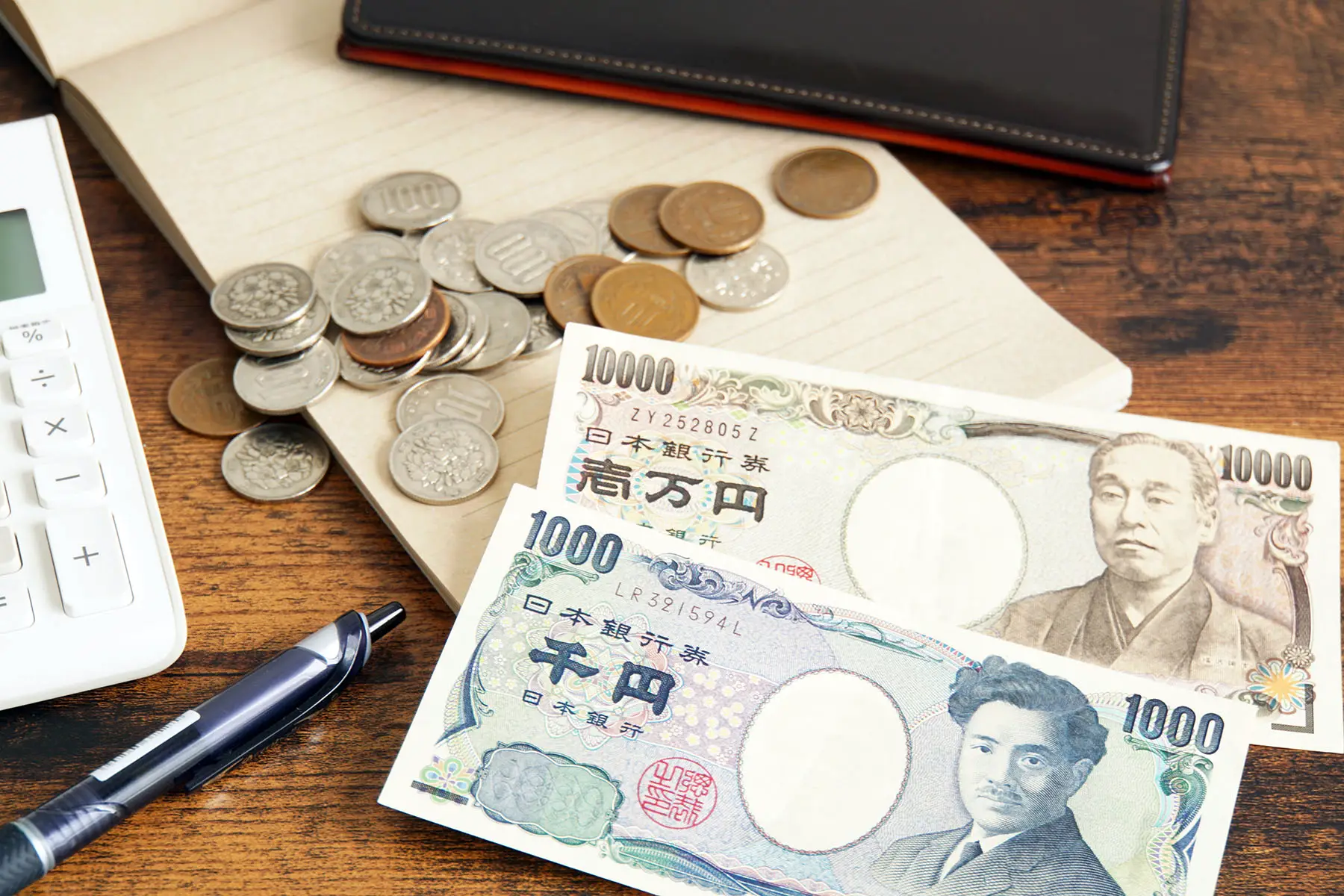
If you are enrolled in kokumin kenko hoken, you will generally pay your premiums directly to your municipality rather than through payroll. Payments are often divided into instalments during the year, although the schedule varies by municipality.
The exact methods depend on your city or ward, but common options can include:
- account transfer or direct debit from a Japanese bank account
- payment at a municipal counter
- payment at a convenience store, where supported
- post office or other local payment channels, where available
Some municipalities also support online or smartphone payment methods. Always check your payment notice and municipality’s current guidance for the accepted methods and due dates.
Payment methods, due dates, and what to verify
Payment slips usually show the amount due, payment deadline, and the reference information you need.
Before paying, check:
- payment period or instalment
- the due date
- which payment methods your municipality accepts
- whether you should keep proof of payment
- whether your insurance status has recently changed
If you move, change jobs, or switch from municipal cover to shakai hoken, keep your records until everything is updated. Joining employer-based insurance does not necessarily complete the withdrawal process for kokumin kenko hoken, so check whether you need to notify your municipality and return or update your health insurance credentials.
Moving overseas funds into JPY for insurance costs
Some newcomers still hold savings overseas when the first insurance payments become due. If you need to fund a Japanese bank account or convert money into yen for monthly costs, it helps to compare the exchange rate and fees first.
A service such as Wise can be useful for moving money between currencies. Wise generally uses the mid-market exchange rate for currency conversion and shows its transfer fee upfront, which can make the cost easier to understand before sending money.
Wise is not an insurance provider and does not pay your insurance bill for you. However, if you need to transfer overseas funds into yen before paying municipal expenses, it can provide another option for managing the currency conversion.
Should expats add private health insurance?
Foreign residents who meet Japan’s public health insurance requirements generally need to enrol in an applicable public scheme. Private health insurance is usually something you buy in addition to public cover rather than as a replacement for it.
Some expats consider private cover for:
- additional international healthcare benefits
- coverage of any gaps before public insurance begins
- English-language or multilingual support, where offered
- emergency evacuation or repatriation cover
- benefits or treatment not fully covered by the public system
Whether you need additional cover depends on your circumstances, travel plans, and the benefits included in the policy.
When a private top-up can help
Private cover can be useful if you want benefits beyond those provided by Japan’s public health insurance system.
For example, you might consider it if you:
- want broader international medical coverage
- travel frequently outside Japan
- want evacuation or repatriation benefits
- want access to additional services or benefits covered by a particular private policy
If you are required to participate in Japan’s public health insurance system, however, private insurance generally does not replace that obligation.
Where Cigna can fit for newcomers or added cover
Cigna Global is one example of an international health insurer that expats in Japan may consider alongside other providers. Its international plans offer different levels of medical coverage, with optional benefits available depending on the plan.
If you are comparing Cigna or another private insurer, check the geographical coverage, exclusions, deductibles, benefit limits, waiting periods, and claims arrangements before buying.
Private international insurance should be presented as an optional additional layer of cover for eligible residents, rather than as a substitute for Japan’s mandatory public health insurance.
FAQ
Frequently asked questions about shakai hoken vs kokumin kenko hoken in Japan
Do I need kokumin kenko hoken if my job starts a few weeks after I arrive? 
Possibly. If you become resident in Japan and are eligible for National Health Insurance but your employer-based health insurance has not started yet, you may need to enrol in kokumin kenko hoken for the period in between. Check with your municipal office and employer to confirm the dates your coverage begins and ends.
Can I stay on shakai hoken after leaving a job in Japan?
In some cases, you can continue your former Employees’ Health Insurance through the voluntary continuation system (nin’i keizoku). Eligibility and application deadlines apply; for example, under Kyokai Kenpo you generally need at least two continuous months of prior coverage and must apply within 20 days of losing eligibility. You will also normally pay the full premium yourself because your former employer no longer contributes.
Is kokumin kenko hoken cheaper in your first year in Japan?
It can be, but not for everyone. Premiums depend partly on previous-year income as well as household circumstances and municipal rules. A newcomer with little or no relevant previous-year income may therefore have a lower income-based premium component initially, but other charges can still apply and costs vary by municipality.
How can expats pay kokumin kenko hoken bills if they still hold money overseas?
Many people first transfer money into JPY and then pay the municipal bill locally. A service like Wise can help with the transfer step if you want transparent FX and fees.
Does private health insurance replace public insurance in Japan?
No, not for eligible long-term residents. Private insurance is usually supplementary rather than a substitute for mandatory public cover.
Final word
If you are trying to understand whether shakai hoken or kokumin kenko hoken applies to you, start with your work status. If your job makes you eligible for employer-based social insurance, you will generally join shakai hoken. If you are not covered by an employer or another applicable public health insurance scheme, kokumin kenko hoken will often apply instead.
For expats, the real challenge is not just understanding the names. It is knowing when to enrol or switch schemes, what you need to pay, and how to make those payments on time.
Useful resources
(accessed 9th September 2026)



Did you find this guide helpful?