





Monaco residency looks straightforward until you reach the paperwork. This guide breaks down the official Monaco residency permit process in plain English and separates fixed rules from points that vary by case. If you are planning a move to Monaco, nationality affects the route as much as your long-term plans because EEA and non-EEA applicants do not follow the same pre-arrival steps. Below, you’ll find the key documents, the order of the application, official fees, renewals, and the line between residency and tax residency.
This guide is for general information only, so confirm current rules with Monaco authorities and, where needed, a qualified immigration or tax adviser.
Key takeaways
- You generally need a Monaco residency permit if you are 16 or over and want to live in Monaco for more than three months.
- EEA applicants, and some equivalent-status nationals such as Swiss citizens, usually do not follow the same pre-arrival visa route as most non-EEA applicants.
- The core evidence is accommodation in Monaco, proof of sufficient financial resources, and background or civil-status documents.
- Many non-EEA applicants need a French long-stay visa type D, which is the long-stay national visa used before the Monaco residence permit application can move ahead.
- The first permit is usually the temporary card, valid for one year, with an official first-issue fee of €80.
- A Monaco residency permit is not the same thing as a Monaco residence certificate for tax purposes.
Wise: manage your Monaco relocation money
- Hold and convert currencies for deposits, rent, and early living costs
- See the exchange rate and fees before you send money abroad
- Keep transfer records handy for landlords, banks, and permit paperwork

Who needs a Monaco residency permit?
This process applies to foreign nationals aged 16 or over who want to stay in Monaco for more than three months or set up home there. It is about legal residence, not short visits, tourism, or regular commuting from nearby France.
Nationality does not decide this question on its own. The starting point is the length and purpose of your stay, then nationality determines which application route you follow.
EEA vs non-EEA applicants
If you are an EEA national, or an equivalent-status national such as a Swiss citizen, you normally do not take the same visa-first route as a US, UK, or Indian applicant. Many non-EEA nationals need a French long-stay visa type D for Monaco before they can complete the permit process.
How to verify: check the official Monaco residence permit procedure and France-Visas before you book appointments, because nationality rules and exceptions can change.
Monaco residency permit requirements
Monaco’s Residents’ Section, called the Section des résidents, sits within the Direction de la Sûreté Publique, or Police Department. When it reviews a first application, it is usually looking at three pillars: accommodation, financial resources, and background documents.
In practice, accommodation means a real home in Monaco that fits your household, not just a mailing address. Financial proof can come from salary, business income, pension, savings, or support from another person, depending on your profile.
Good character evidence usually means recent criminal record extracts, or their local equivalent, covering the relevant places where you lived before arrival. Official pages may also use the term residence permit, even though many readers search for residency permit.
Proof of accommodation and sufficient funds
Accepted accommodation routes broadly include owning a home, renting a home, or staying with a close relative, spouse, or partner under the right supporting paperwork. The home also needs to be large enough for the people who will live there.
Monaco does not publish one universal government minimum bank balance for every applicant. Official guidance talks more broadly about sufficient financial resources, and in some cases asks for a Monaco bank reference in an approved format.
Market sources often cite high private-bank figures, but those reflect private-bank practice rather than government policy. Banks in Monaco, such as CFM Indosuez and Société Générale Private Banking Monaco, may have their own onboarding checks, so use them as examples only.
Documents, translations and background checks
Before you submit anything, turn the official list into a dated checklist.
- Valid passport, plus your visa or French residence permit if relevant
- Recent birth certificate, and marriage or divorce records if they apply
- Criminal record extracts from the countries where you lived in the previous five years
- The attestation sur l’honneur, a sworn declaration for a first application
- Translations if a document is not in French, English, or Italian
Check issue dates before you apply. Some documents must be less than three months old, and stale paperwork can stall a complete file.
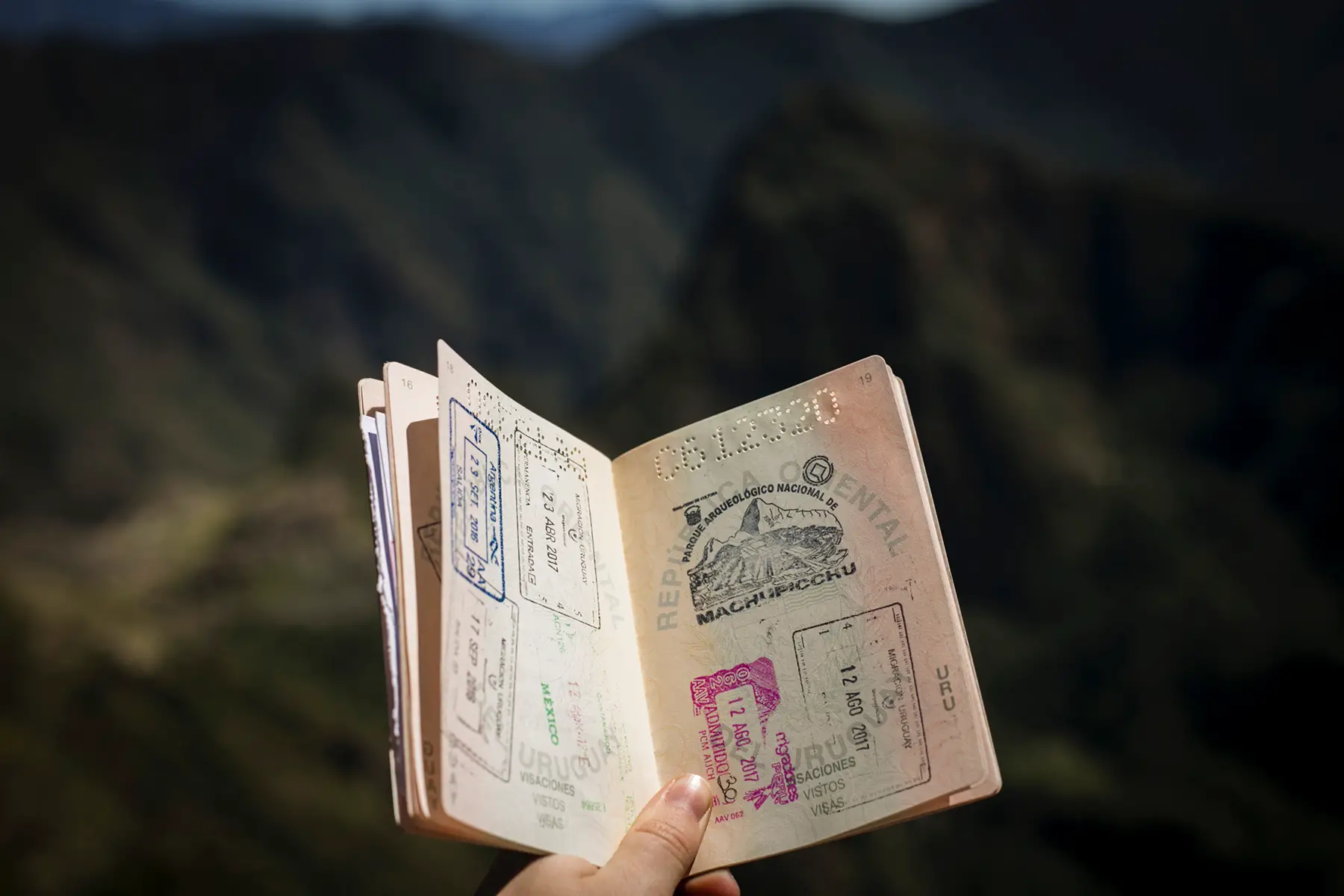
How to apply for a Monaco residence permit
Follow this sequence, because doing the visa step, banking step, or interview preparation too early can create avoidable delays.
Confirm your route by nationality. EEA applicants can usually move straight to the Monaco permit process, while many non-EEA applicants first need a French long-stay visa type D for Monaco.
Secure qualifying accommodation in Monaco. If you are renting, make sure the lease is properly registered and that the address evidence matches the file you plan to submit.
Prepare financial proof and civil documents. This usually means evidence of income, savings, pension, or support, plus identity records, civil-status documents, and criminal record extracts.
Obtain the visa if required. If you have already been in France for more than a year, official Monaco guidance points to a transfer of residency route via the French Embassy in Monaco rather than the standard consulate route.
Submit the application online or by paper file. Monaco allows both, but online applicants still need the attestation sur l’honneur, meaning a sworn declaration for the first application.
Attend the interview once the Residents’ Section decides your application is admissible. This is an individual appointment, and you are generally expected to bring the original documents.
Collect the card and pay the issue fee if the application is approved. If you are accepted, the Residency Section arranges a later appointment for registration and card issue.
For applicants abroad, the visa step is often the real gatekeeper. For applicants already linked into the French administrative system, the route can be different, which is why copying another person’s timeline is risky.
Application timeline and interview
How long Monaco residency takes depends on nationality, visa needs, document readiness, and appointment availability. Online estimates from forums or adviser sites are best read as illustrations, not guarantees.
Once an application is judged admissible, the interview stage can move forward, but you should expect to present originals and answer practical questions about your accommodation or situation. If anything in the file does not match, same-day progress can slow down.
Bring originals, copies, translations, and address-linked documents in the same order as your checklist. Applicants who do this usually spend less time sorting papers at the counter.
Monaco permit fees, card types and renewals
If you are approved, you usually start with the temporary card and then move through later categories only if your residence in Monaco is real and continuous enough to qualify. Approval once does not lock in future renewals or a later ten-year card.
| Permit type | When available | Validity | First issue fee | Renewal fee |
|---|---|---|---|---|
| Temporary | First-time residents | 1 year | €80 | €40 |
| Ordinary | After more than 3 years in Monaco | 3 years | €100 | €50 |
| Privileged | After at least 10 years in Monaco, subject to statutory exceptions | 10 years | €160 | €80 |
| Spouse of a Monegasque national | After more than 1 year in Monaco | 5 years | €80 | €40 |
Late renewals carry an additional €50 fee. Monaco also charges €80 for a duplicate card and €30 to update a permit after a change in civil status, family circumstances, or address.
When budgeting for these fees alongside deposits, housing, and other relocation expenses, our guide to moving your finances abroad covers some of the broader financial preparation involved in an international move.

Monaco carte de séjour types
You will often see the French term carte de séjour, which simply means residence permit card. The main labels are temporaire for the first one-year card, ordinaire for the three-year stage, and privilégié for the ten-year stage.
There is also a spouse of a Monegasque national category, but it only applies in that specific family situation. Knowing the French labels helps when you read official forms, renewal letters, and third-party guides.
Monaco residency vs tax residency
A Monaco residency permit does not automatically make you a Monaco tax resident. The permit lets you reside legally in Monaco, while tax recognition depends on a separate residence certificate process and separate supporting evidence.
Official Monaco rules for the tax residence certificate require foreign applicants to hold a valid residence card and establish that Monaco is their principal or habitual residence, their home where the principal residence cannot be determined, or the main centre of their activities. Principal or habitual residence means at least 183 days a year in Monaco, or fewer than 183 days if the applicant spends more time in Monaco than in any other country. The certificate is valid for one year and carries a €600 issuance fee.
| Topic | Residency permit | Tax residence certificate |
|---|---|---|
| Purpose | Legal right to live in Monaco for more than three months | Document used for tax formalities and proof requests |
| Authority | Residency Section of Monaco Police Department | Same authority, but under a separate certificate procedure |
| Common proof | Accommodation, funds, ID, civil-status and background documents | Valid residence card, proof of accommodation, utility bills, and any additional supporting documents requested by the administration |
| Key implication | Does not settle tax status on its own | Separate tests and evidence still matter |
The under-six-month exemption rule applies to Monaco’s administrative residence certificate rather than the certificate used for tax formalities. This is another reason to keep residency status and tax residency separate in your planning. Once the requirements that apply to you are clear, you can turn to the practical side of your move, including how you will manage money across borders. Opening a Wise account can be one option for holding and converting currencies and making international transfers as you settle in Monaco.
Common mistakes to avoid
These are the errors that most often create extra work or false expectations:
- Assuming the visa step never applies. Check your nationality route before you book housing, translations, or travel.
- Treating a private-bank figure from a website or video as an official state minimum. Verify current fund expectations with Monaco authorities and the bank involved.
- Mixing up residency and tax residency. A permit and a tax residence certificate are related, but they are not the same outcome.
- Using old or untranslated records. Criminal checks, birth records, and other civil documents can expire for application purposes.
- Assuming you can mainly live in France and treat Monaco status as automatic. Genuine residence matters for renewals and for any later tax questions.
If you will also be managing accounts or transfers in more than one country, our guide to cross-border international banking for expats explains the wider options available when living internationally.

Final thoughts
Getting a Monaco residency permit is mainly a matter of following the correct nationality route and assembling consistent evidence of accommodation, finances, identity, and background. Prepare time-sensitive documents carefully and avoid relying on private-bank practices or online timelines as if they were official rules. Keep the residence permit separate from the tax residence certificate, as they serve different purposes and use different evidence. Before filing or renewing, check the latest Monaco Government and France-Visas guidance and seek specialist advice where your immigration or tax position is complex.
FAQ
Frequently Asked Questions about Monaco residency permits
Do non-EEA nationals need a French long-stay visa for Monaco? 
Many do. Official Monaco guidance says most non-EEA applicants need a French long-stay visa type D for Monaco before the residence permit step, although some routes and exceptions depend on where you already live and your exact status.
How much money do you need for a Monaco residency permit?
There is no single published government minimum that fits every case. Official rules refer to sufficient financial resources, and some applicants may need a Monaco bank reference, so figures online should be read as private-bank practice rather than a universal state rule.
Can you get Monaco residency without buying property?
Yes. Buying is not the only accommodation route. Renting, or in some situations being hosted under the right supporting paperwork, can also work if the home is in Monaco and the file meets the current official conditions.
How long does Monaco residency approval take?
There is no guaranteed timeline. Processing can depend on nationality, visa needs, document readiness, and appointment availability, so fixed estimates should be treated as illustrative rather than certain.
Can family members join a Monaco residency application?
Often, yes, but each family member still needs supporting paperwork. Accommodation size, relationship documents, passports or IDs for children, and case-specific records can all affect how a family file is assessed.
Is Monaco residency the same as Monaco tax residency?
No. A residency permit gives you the right to live in Monaco, while tax-residency recognition follows a separate certificate process with its own evidence.
Can you live in France and keep Monaco residency?
Monaco residency is intended to reflect genuine residence in Monaco. If you mainly live elsewhere, especially in France, that can create renewal or tax-residency questions, so case-specific advice may be appropriate.
Sources
Expatica’s experts are all about providing the most up to date and accurate information. All guides are fact checked, and whenever we use external sources (like government websites or research papers) we’ll make a note of them here so you can check them out too.
- Residence permit eligibility, accommodation and financial evidence, documents, filing and interview procedure, Monaco Government — How to apply for a residence permit
- Residence card categories, validity periods, renewals and practical resident procedures, Monaco Government — The residence permit
- Legal rules on residence cards, including permit categories, eligibility thresholds and validity periods, Legimonaco — Sovereign Ordinance No. 3.153 of 19 March 1964
- Official first-issue and renewal fees for residence cards, including late renewal, duplicate and change-of-details fees, Legimonaco — Ministerial Order No. 2020-814 of 30 November 2020
- Practical application procedure and supporting evidence for a residence certificate used for tax formalities, Monaco Government — How to apply for a residence certificate for tax purposes
- Legal distinction between administrative and tax residence certificates, tax-residence criteria and one-year certificate validity, Legimonaco — Sovereign Ordinance No. 8.566 of 28 March 1986
- Official €600 fee for a residence certificate issued for tax formalities, Legimonaco — Sovereign Ordinance No. 11.401 of 21 November 1994
- Official residency hub for renewals, certificates and changes of circumstances, Monaco Government — Residency
- Long-stay visa requirements and supporting documents for foreign nationals settling in Monaco, France-Visas — Monaco
- Official Wise eligibility information confirming that people living in Monaco can hold money in a Wise account, Wise Help Centre — Where do I need to live to hold money with Wise?
- Official Wise account information on holding, converting and sending money in different currencies, Wise Help Centre — What is a Wise Account?