
'%20id='ico-down'%20stroke='%23000000'%20stroke-width='1.5'%3e%3cg%20transform='translate(1092.250000,%20254.750000)'%3e%3cpolyline%20id='Path-2-Copy-4'%20transform='translate(5.500000,%202.750000)%20scale(1,%20-1)%20rotate(-180.000000)%20translate(-5.500000,%20-2.750000)%20'%20points='0%200%205.5%205.5%2011%200'%3e%3c/polyline%3e%3c/g%3e%3c/g%3e%3c/g%3e%3c/svg%3e)


Lifestyle
Food & Drink
An overview of French food and cuisine
Curious to know more about French cuisine, its key ingredients, history, and what makes it world-famous? We explain it all in this complete guide.

Whether you relish snails in garlic sauce or not, French cuisine is undeniably iconic. From the simple crunchy baguette to the rich sauces, creamy gratins, and luscious pastries, its staples have even inspired and shaped Western gastronomy into what it is today. If you go to a restaurant, chances are you will find some trace of French cuisine. With a history dating as far back as the Middle Ages, the nation is proud of its culinary contributions to the world – and it should be.
But why does French cuisine get so much hype? Well, this helpful guide is here to uncover some of its secrets; from its rich history and use of fresh ingredients to the mysterious French diet paradox, which may just rest on the country’s fondness for fresh butter. So hold on to your baguettes, get your cheese platter ready, and crack open your wine as we dive into what makes French cuisine so appetizing, including the following:
Allianz Travel
Get insured for your next trip with Allianz Travel. A world-leader in travel insurance, their tailor-made plans will safeguard you on your trips within and beyond France. Whether you’re planning a weekend-getaway or moving your life overseas, have complete peace of mind wherever you go with Allianz Travel.

Cuisine in France
The French cuisine tradition was born in the Middle Ages when it was customary to hold banquets among the aristocrats. Back then, it was just as important to satiate appetites with thick and flavorful sauces and pies as it was to impress guests with how the table looked. After all, presentation was all the rage and chefs would place gold and silver leaves on the food. Sometimes, they would even go so far as to grotesquely sew a roast swan back into its skin.
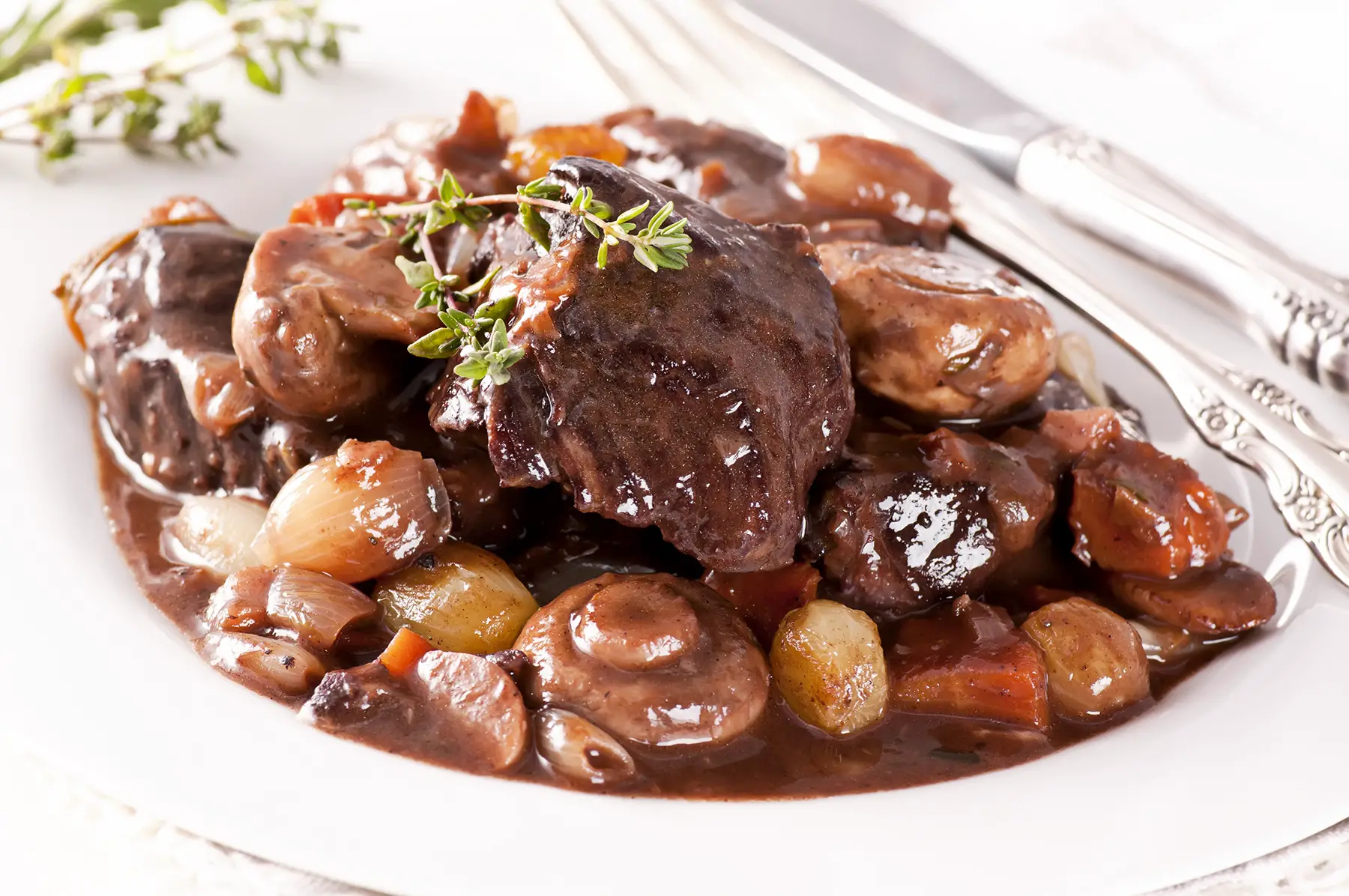
Similar to other cuisines, French gastronomy didn’t evolve in isolation. It drew inspiration from many of its neighbors, which led to the creation of a vast menu of regional dishes and variations influenced by Spain, Italy, Switzerland, and Belgium. Still, it rests on the laurels of its own staples. After all, you can’t call it a French diet if it’s not slathered in fatty animal products and red wine!
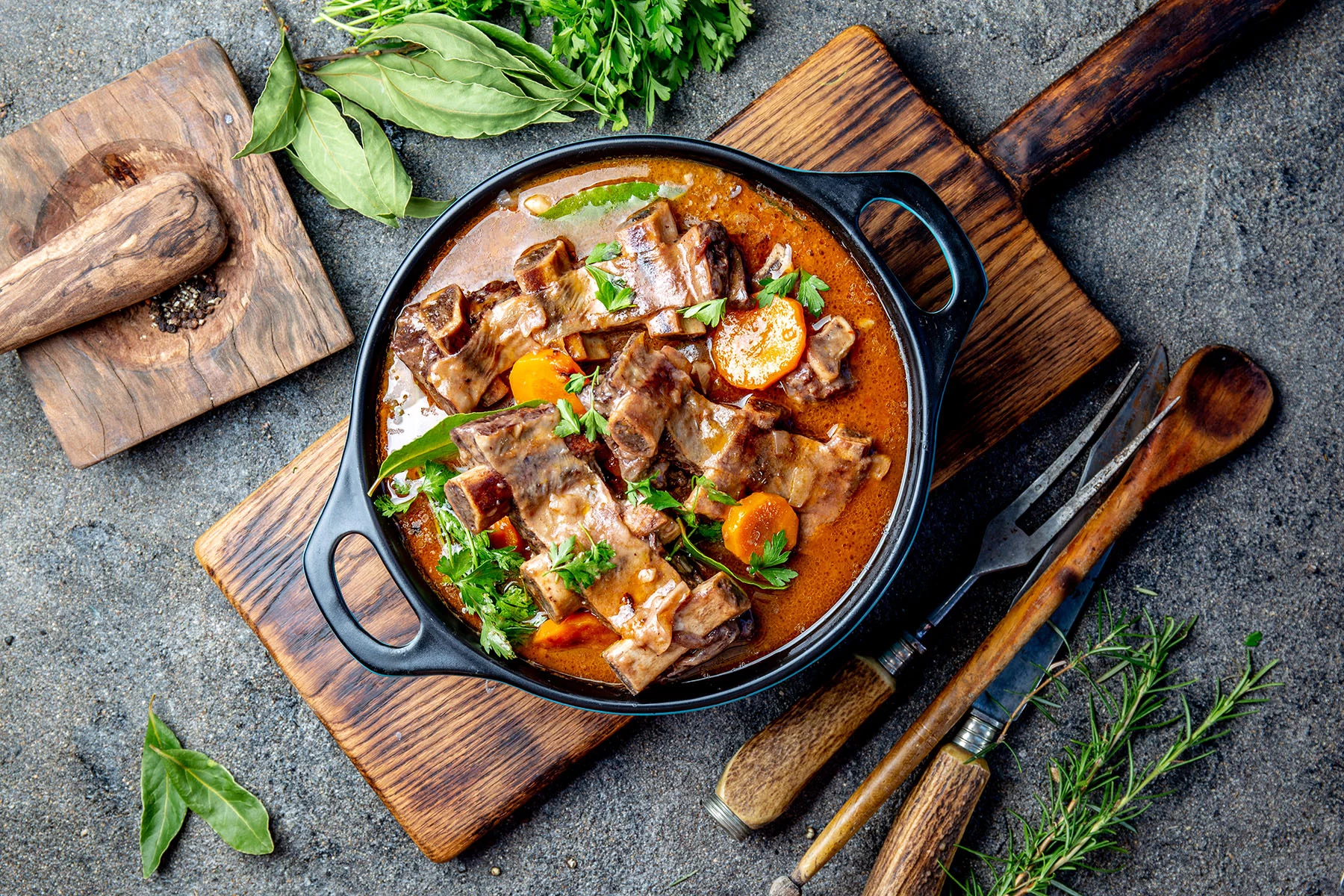
That said, the French are a surprisingly healthy bunch. In fact, OECD reports indicate that obesity rates and mortality due to dietary issues are much lower in France than in the rest of the EU. This contradiction has puzzled scientists so much that it even has a name: the French Paradox. A 2006/7 study published in the British Journal of Nutrition gives several explanations for this. One of them is that the kind of saturated animal fat consumed by French people is healthier than the processed trans fat used in countries with high heart disease rates. The country is also famous for being the masters of portion control.
The French diet
You’ll be hard-pressed to find a French person eating quinoa or drinking green juice. That said, they do tend to use natural, unprocessed ingredients that are rich in vitamins and minerals. Generally speaking, the nation is fond of simpler, healthier foods such as bread, yogurt, and soups. In this respect, the French diet is close to the Mediterranean one.
Breakfast in France
The French word for breakfast is le petit-déjeuner, which literally means “small lunch,” with emphasis on the small. This is because French people tend to skip breakfast and have a cup of black coffee, tea, or café au lait (coffee with milk). However, if they do have breakfast, it is usually simple and involves some bread or pastry along with jams, honey, or butter.

Lunch in France
Le déjeuner, which – you guessed it – means lunch in French, is typically a several-course affair. This is usually the heartiest meal of the day and is typically eaten between 11:30 and 14:00. It will usually include the following:
- Entrée (appetizer) such as a salad, soup, terrine, or pâté
- Plat principal (main course) with a choice of meat with potatoes, rice, pasta, or vegetables
- A cheese course or a dessert
If they aren’t eating lunch at a restaurant, the French usually have a sandwich or bread with spreads, soup, salad, or charcuterie at home. The most important thing for them, however, is that they eat in the company of others.
Dinner in France
What French people eat for dinner (le dîner in French) depends on how much they indulged at lunch. They usually keep it simple and have it around 19:30 or 20:00. However, there are, of course, days when even the French feel lazy and pop a frozen pizza in the oven. Otherwise, though, their dinner of choice would consist of the following:
- A starter with salad, vegetable (raw or cooked), soup, or cured meat
- A meat dish with boiled vegetables, stew, or gratin for the main course
- Cheese and bread
- Yogurt with some fruit for dessert
- And a nicely paired (French!) wine
Snacks in France
It is fair to say that French people are generally not the snacking type. They tend to fill up on a hearty lunch or dinner instead of snacking in between. That said, French parents usually give their children snacks after school, at around 16:00. This even has a name – le goûter. This is almost always sweet and can be anything from a chocolate croissant to fruit.

This trend is starting to catch on with adults, too. So don’t be surprised if you find your coworker munching on a cookie with their afternoon coffee or tea.
Ingredients in France
Essentially, French cuisine favors healthier ingredients with as little processing as possible. As a result, popular ingredients throughout the country are simple yet full of flavor and nutrients. This includes everything from flour and butter to meats and vegetables.
Meat in France
If you prefer a plant-based diet, then we have some bad news for you. French cuisine favors meat so much that almost all of the nation’s well-known dishes feature some kind of animal product. Therefore, it is safe to say that it is not very environmentally-friendly. Thankfully, this is helped by the fact that the French eat just as much poultry and game meat – which are known to be greener alternatives to lamb and beef. What’s more hopeful is a recent report suggesting that overall meat consumption has been decreasing in French households. It seems that people are taking an increasingly positive attitude towards vegetarianism.
Cured meat (charcuterie)
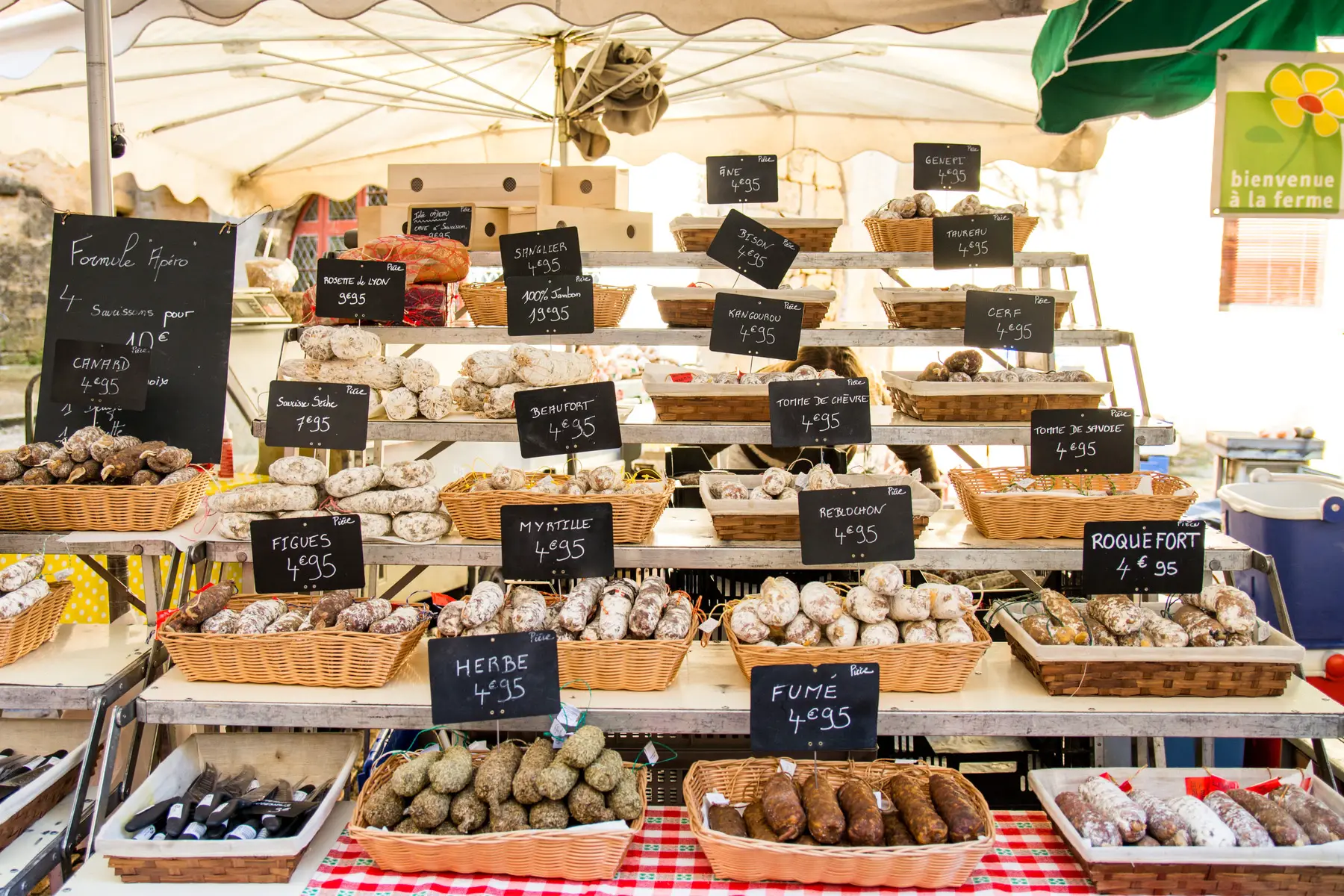
French people standardized cured meat in the 15th century, which largely contributed to putting it on the global map. The most popular types of cured meat are jambon (dried ham) and saucisse (cured sausage). Most regions in France also have their own takes and specialties.
Pork (porc)
Pork cuts are slightly different in France. The bacon we know, for instance, is not so common in France. Instead, people tend to have their bacon cut thicker to make lardon. Other common cuts are poitrine (pork belly), échine (the area near the blade bone and spare ribs), épaule (shoulder), and plat de côtes (where the hand and the belly meet). Pork cuts are used in some popular dishes such as chou farci (cabbage leaves stuffed with pork), petit salé aux lentilles (pork stew with lentils), and porc aux pruneaux (roast pork with prunes).
Lamb (agneau)
Some cuts that are specific to lamb include gigot d’agneau (leg of lamb), collet (scrag), poitrine (breast), côtelette (cutlet), and selle d’agneau (saddle). Some famous recipes made with lamb are navarin (stew with veggies and lamb), gigot d’agneau pleureur (lamb roast), and clapassade (simmered lamb with olives, honey, and star anise).
Beef (bœuf)
Common cuts of beer include bifteck (steak), bavette (undercut), steak haché (ground beef), romsteak (rump steak), and entrecôte (ribeye). Besides the world-famous châteaubriand, steak tartare, and steak frites, there is a wealth of French beef recipes.
Poultry (volaille)
The French diet encompasses every type of poultry you can imagine. Usually, French people buy their poultry, including lapin (rabbit), from specialty shops. Other types of poultry include poulet (chicken), coq (cockerel), dinde (turkey), and volaille (fowl). Some popular French poultry recipes include coq au vin (rooster stew with red wine), confit de canard (slow-roasted duck), magret de canard (seared duck breast), among others.
Offal (abats) and game (gibier)
If you’re feeling adventurous, then you’ll be glad to know that French cuisine features a variety of offal and game meat dishes. In fact, these are staples in kitchens throughout Lyon, which is widely considered to be the gastronomic capital of France with its famous neighborhood bouchons.
Fish and seafood in France
With coastlines meeting the Mediterranean Sea and the Atlantic Ocean, it’s no surprise that French cuisine incorporates a lot of fish and seafood. People throughout the country enjoying eating everything from moule (mussel) and coquilles Saint-Jacques (scallops) to anguilles (eels) and seiche (cuttlefish).
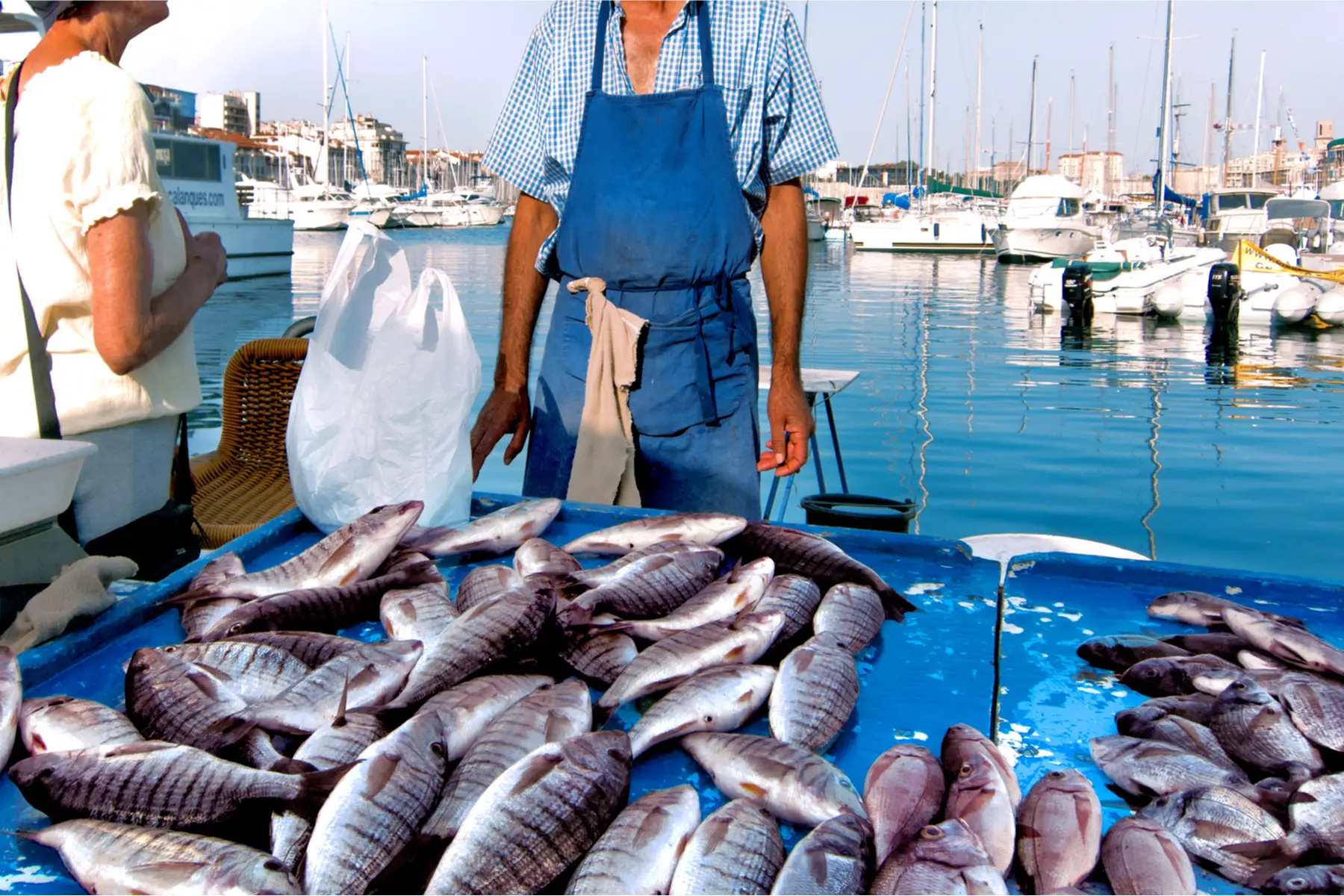
Some other common types of fish and seafood in France include the following:
- Homard (lobster) – used in creamy and spicy bisque soup and the extravagant lobster Thermidor
- Rascasse (red scorpionfish) – used in the luxurious bouillabaisse, which can set you back a hefty €200 when eaten as a meal for two
- Carpe (carp) – used together with other freshwater fish in the classic matelote stew
- Lotte (monkfish) – used in bourride, aka bouillabaisse’s cousin, which is made with white fish
Vegetables in France
Like its Dutch almost-neighbor, France enjoys its potatoes, and these are a staple of its cuisine. In fact, according to Statista, 57% of the French population named pomme de terre (potato) as their favorite vegetable in 2018. Other popular options include tomate (tomato), carotte (carrot), endive (chicory), courgette (zucchini), and oignon (onion). In fact, two of the most famous French dishes are vegetable-based: the colorful ratatouille and soupe à l’oignon, which has warmed souls since Roman times.
Fruits in France
Since Roman times, fraise (strawberry) has been considered a symbol of Venus, the Goddess of Love, and associated with love and romance. It should come as no surprise, therefore, that it is the most popular fruit in France. Pomme (apple), pêche (peach), banane (banana), melon (melon), orange (orange), clémentine (clementine), cerise (cherry), and framboise (raspberry), follow it, respectively. Raisin (grape), on the other hand, are not as popular and are generally preferred in their liquid, head-spinning form.
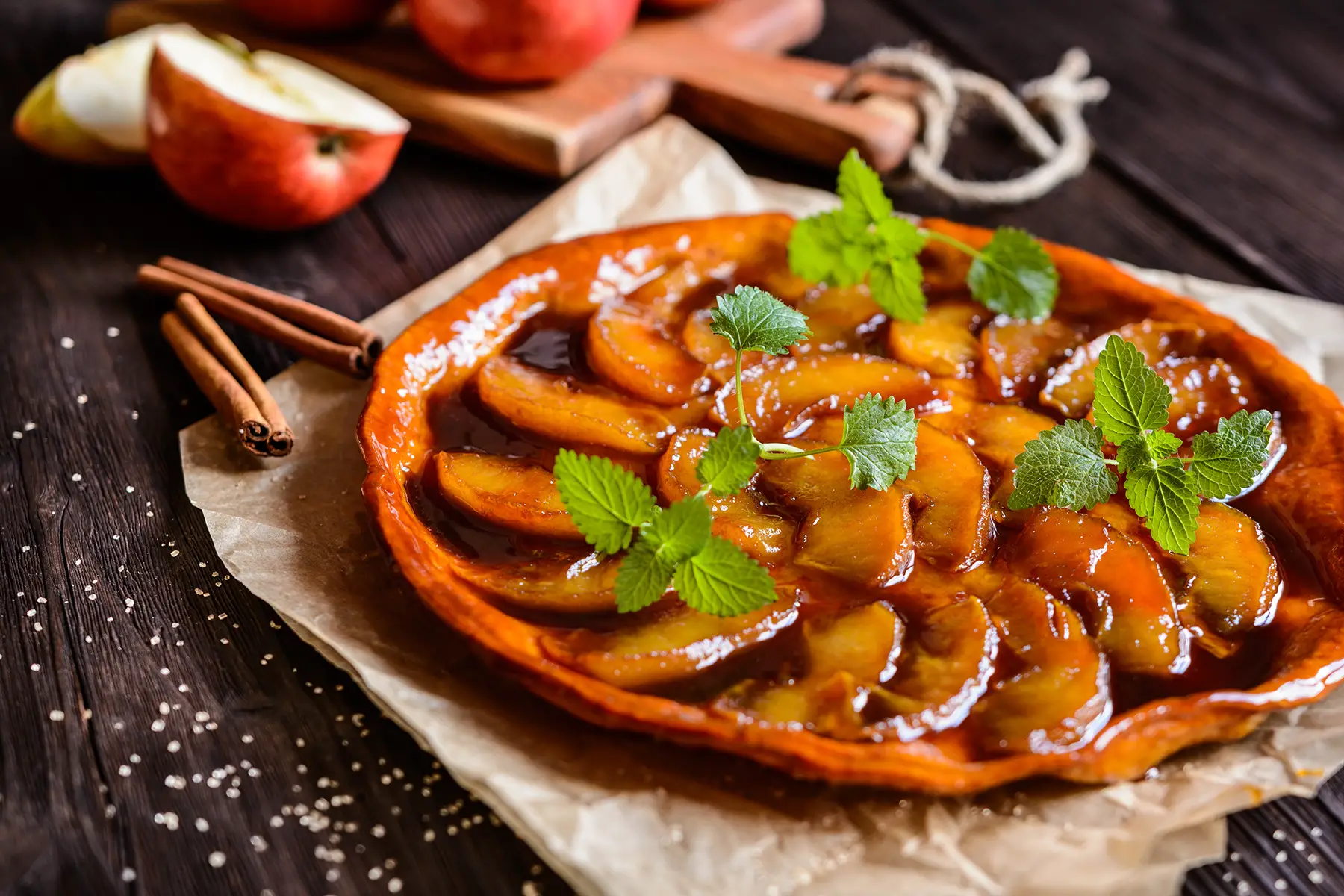
You can always trust the French to put a buttery twist on fruit, too. Tarte Tatin, for instance, which was actually invented by accident, is a signature recipe that uses apples. And, if you’re feeling peckish and want a little afternoon boost, you can always find a crêperie and enjoy tucking into a crêpe with Nutella and bananas or berries.
Carbohydrates in France
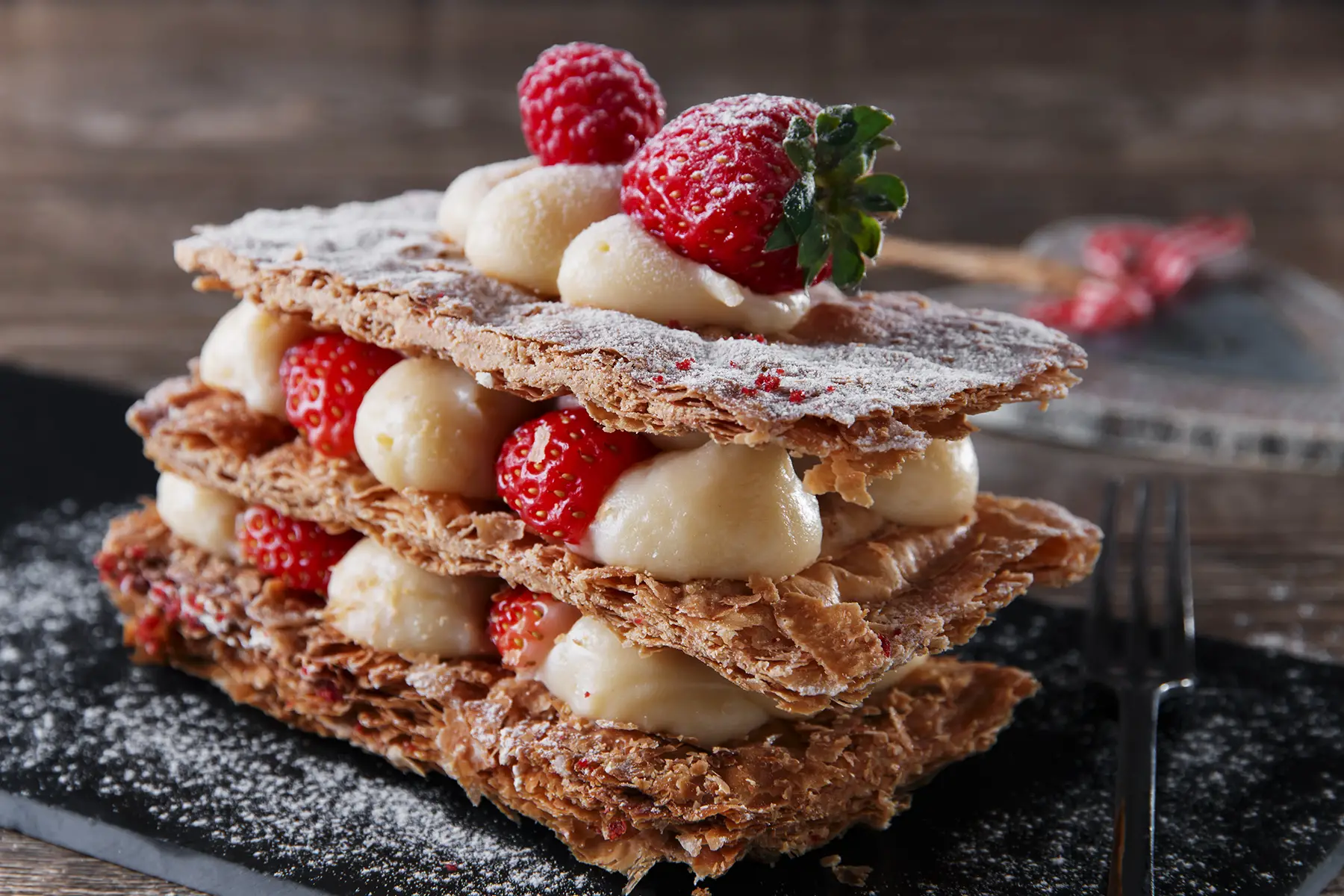
The French are responsible for creating delectable pastries such as the croissant, éclair, brioche, profiterole, beignet, pain au chocolat, mille feuille, and macaron. In fact, it wouldn’t be an exaggeration to say that pastries are a central axis of French culture. After all, the famous phrase “Let them eat cake” is known around the world; even though there is little evidence to support the claim that Marie Antoinette actually said such a thing. With so many sweet temptations on offer, therefore, trying to maintain a low-carb diet while living in France might be a challenge, to say the least.
When you think of a French person, do you imagine someone in a striped shirt and a beret carrying a baguette? Well, while you would be wrong about the striped shirt and beret part, you’d be right about the baguette. According to L’Observatoire du Pain (yes, you heard it right, the Bread Observatory), French people buy six billion baguettes per year. So chances are, you might spot people carrying them when you’re out and about.
Cheese and wine in France
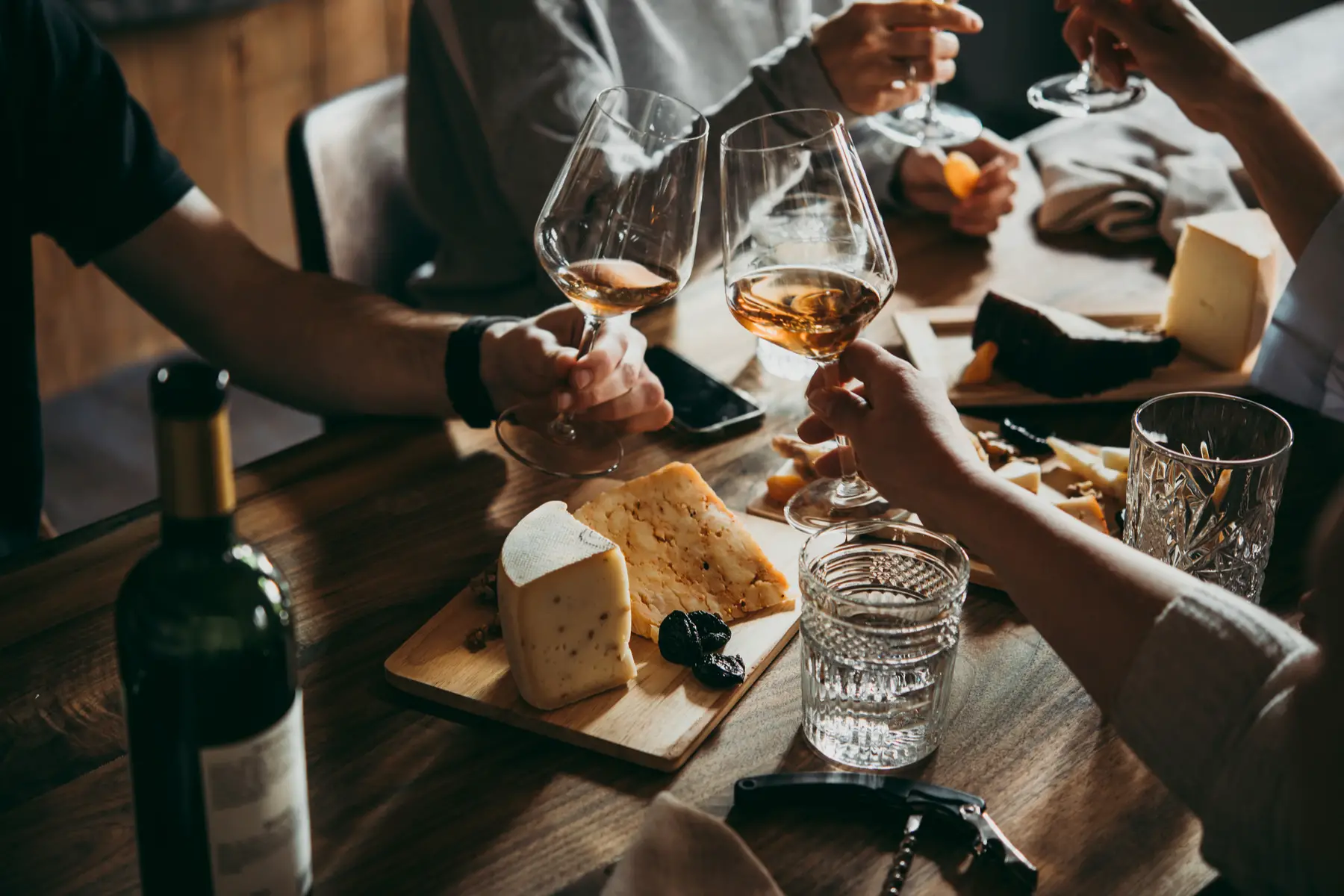
It would be a sin not to pair up the two most compatible components of French cuisine – cheese and wine. In fact, these two things go together so well that research has even been conducted to try and understand why. According to a study from 2012, the astringent qualities of wine lead to a dry sensation in the mouth, which the creaminess of cheese balances out. Another study from 2016 shows that participants consistently reported a better experience of drinking wine when they had it with cheese.
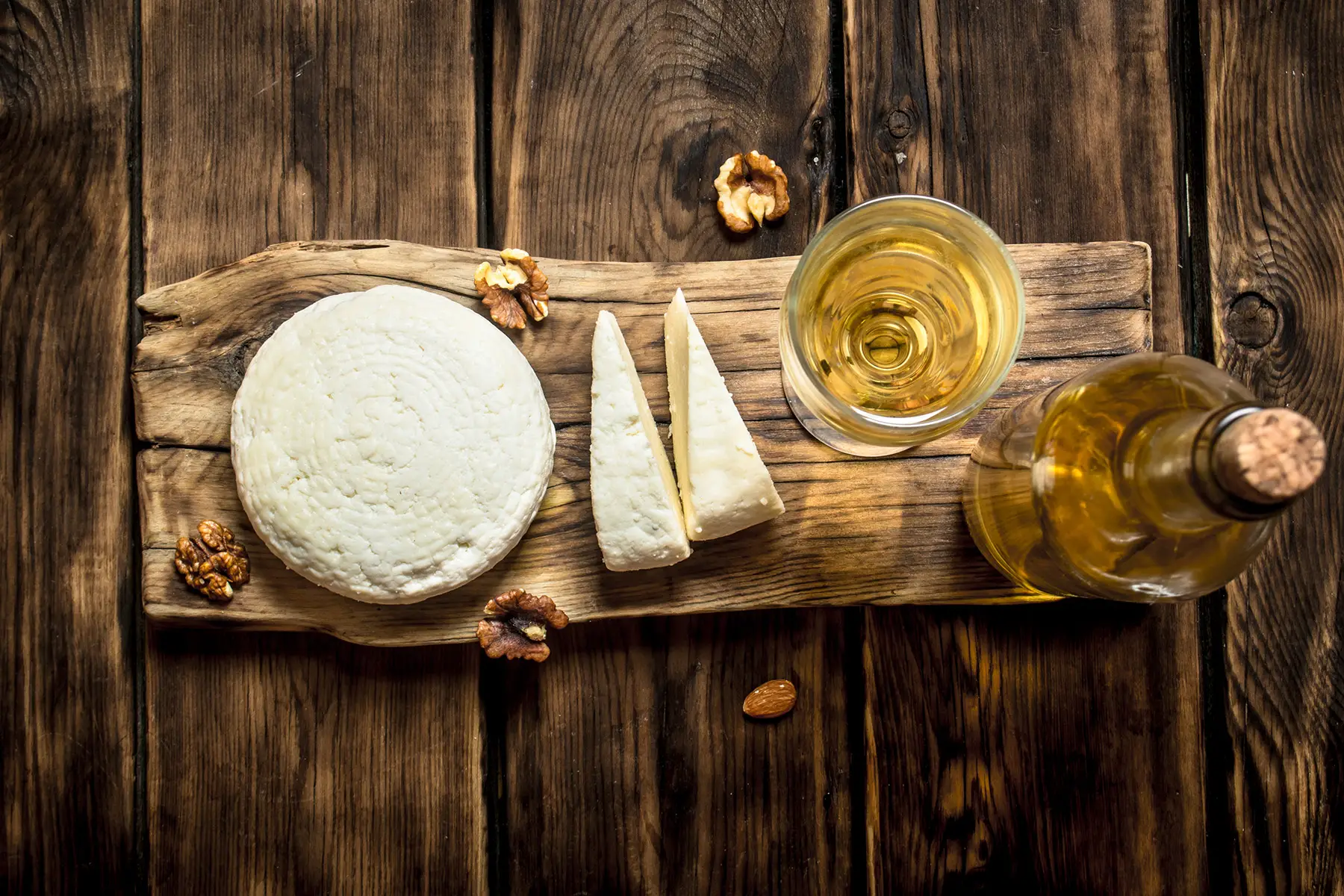
You could quite literally try a different type of cheese and wine every day of the year in France and never have to repeat the same pairing twice. Sound overwhelming? Well, fear not, because our ultimate guide to French wine can help you get your sea legs in this dizzying world.
Herbs and spices in France
French cooking is all about elegance and simplicity, and using quality ingredients that are in season is key. Although French cuisine doesn’t rely too much on spices, they are still used to add a layer of flavor and to highlight the main ingredient in the dishes. In addition to noix de muscade (nutmeg) and safran (saffron), popular spices include the following:
- Fines herbes – translated as delicate herbs, fines herbes refer to ciboulette (chives), persil (parsley), estragon (tarragon), and cerfeuil (chervil). These require a shorter cooking time and are added to delicate ingredients such as chicken, fish, and eggs.
- Persillade – made from chopped parsley, garlic, oil, and vinegar, you can use this seasoning mix to bring flavor to anything from fish to roasted potatoes… and snails.
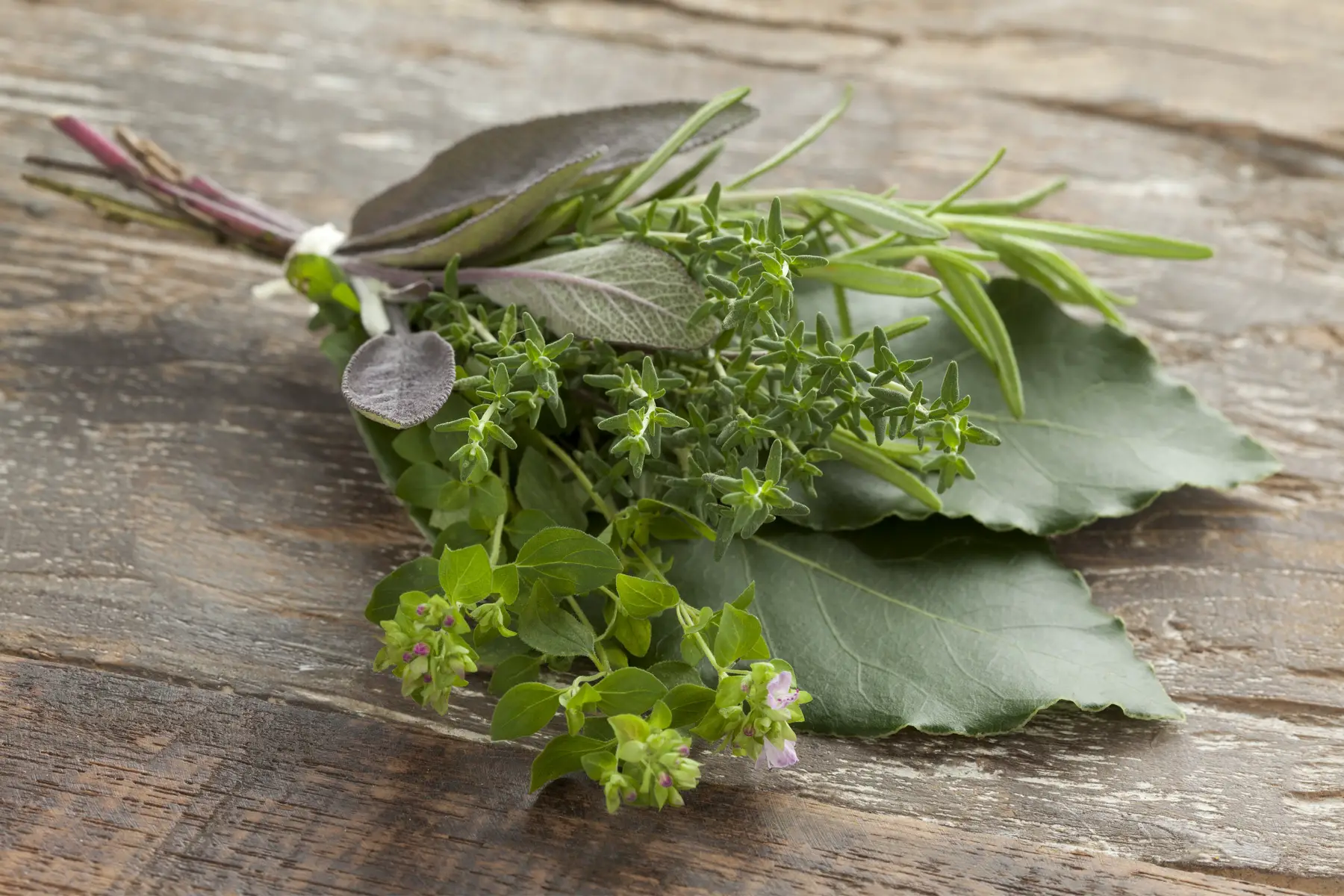
- Herbes de Provence – possibly the most well-known of spice mixes, Herbes de Provence combines marjolaine (marjoram), romarin (rosemary), thym (thyme), origan (oregano), and sometimes even lavande (lavender) to enrich your stews – and Ratatouille.
- Bouquet garni – more of a cooking method, bouquet garni (“garnished bouquet”) is a bundle of herbs tied together with string to flavor soups, stocks, stews, and casseroles. Don’t forget to take it out before wolfing down your delectable creation, though!
Sauces and condiments in France
French chef Marie-Antoine Carême is known as the founder of haute cuisine and published L’art de la cuisine française au dix-neuvième siècle in the 19th century. In his book, he identifies what he calls sauces mères (mother sauces), which are a group of sauces that a lot of other petites sauces (“daughter” sauces) around the world are based on. Here are some of them:
- Béchamel – this rich and creamy versatile sauce that we all know and love is generally made by mixing flour and butter (roux) with cream. It is traditionally used in pasta, lasagna, and gratin dishes.
- Velouté – like béchamel, the base of this sauce is roux, which is then mixed with animal stock. You can enrich velouté by adding different ingredients to create variations, such as allemande (with heavy cream and lemon juice) and cardinal (with lobster butter and cayenne pepper).
- Espagnole – this is a flavor-heavy mother sauce, which is made by mixing dark brown roux with beef or veal stock, tomato sauce, and mirepoix (chopped carrots, celery, and onions). You can use this sauce to give your soups, stews, and meat dishes more body.

- Sauce tomate – arguably the most commonly used mother sauce, this is generally made by mixing onions, garlic, and tomatoes. If you feel fancy, though, you can also experiment with salted pork breast, mirepoix, and white stock. This versatile sauce is used in various dishes ranging from pizza to shakshuka.
- Hollandaise – originally mentioned as a daughter sauce in Carême’s book, Hollandaise uses emulsification to bind butter and lemon juice together with egg yolks. It requires more effort to make, but the reward is a fancier take on mayonnaise that can be used in dishes such as eggs Benedict.
Famous dishes in France
Curious to try some of the most well-known dishes from France? Then check out these top 10 French foods, along with recipes for you to try at home. Here are some other favorites you might be tempted to taste:
- Quiche – the savory cousin of pie, quiche is essentially a pastry filled with eggs and cream mixed with meat, cheese, vegetables, or seafood. You can make your own version by adding any hearty ingredients your heart desires. The most famous recipe is Quiche Lorraine, which is made from bacon.
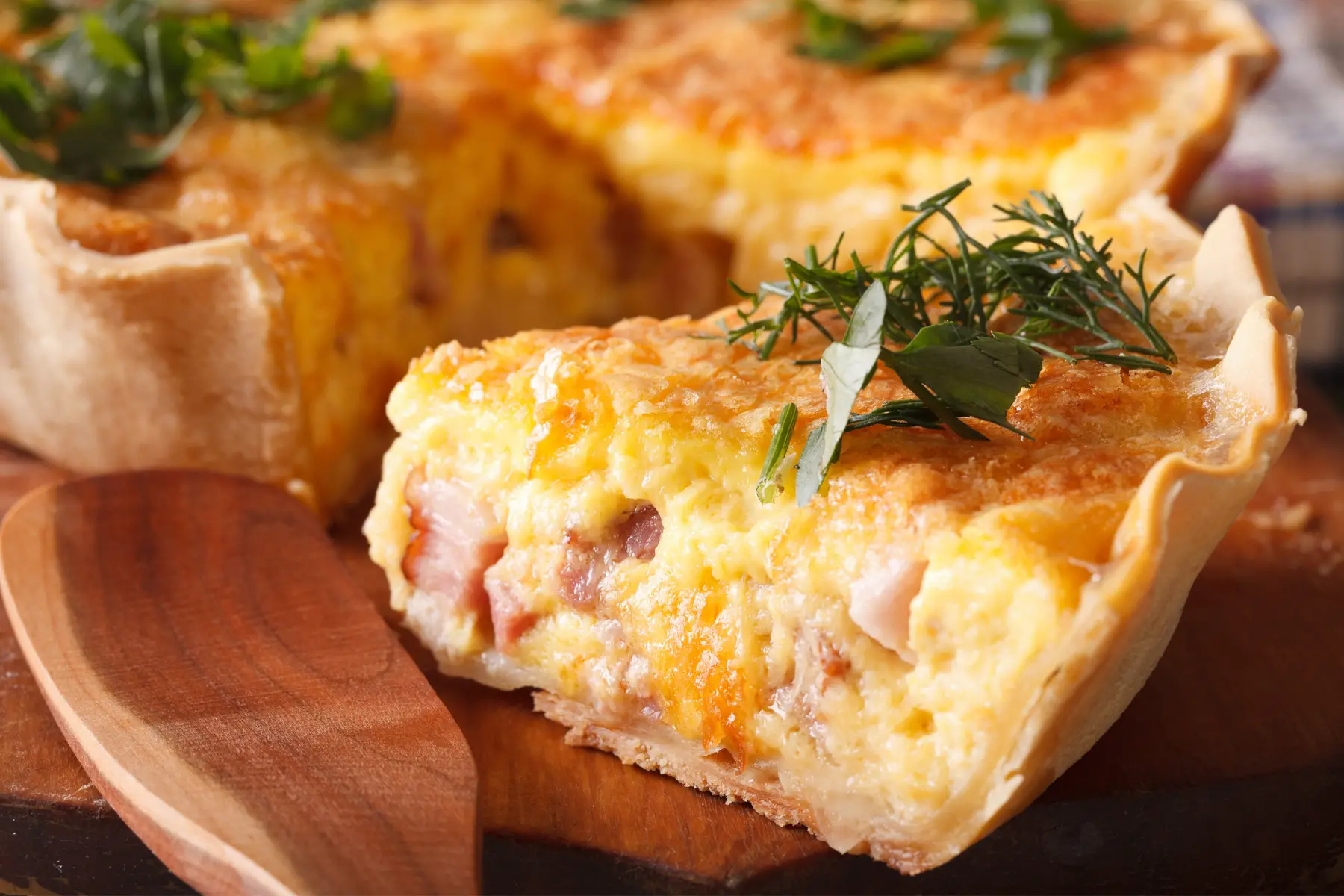
- Gratin Dauphinois – hailing from southeastern France, this baked potato dish is the crown jewel of the winter dinner table. You can make your own version by combining layers of sliced potatoes with milk and cream, topped with breadcrumbs or grated cheese.
- Croque monsieur – this fancy French take on the grilled cheese sandwich consists of two slices of bread dipped in egg batter, with ham in between, and topped with melted Gruyère cheese. You can take your croque monsieur to god-tier by serving it with béchamel sauce!
Famous desserts in France
Did you know that the word dessert actually comes from the French word desservir, which means “to clear the table”? Well, these delectable sweet dishes certainly live up to their name as you’ll want to gobble every crumb.

Here are some of the most popular desserts in France:
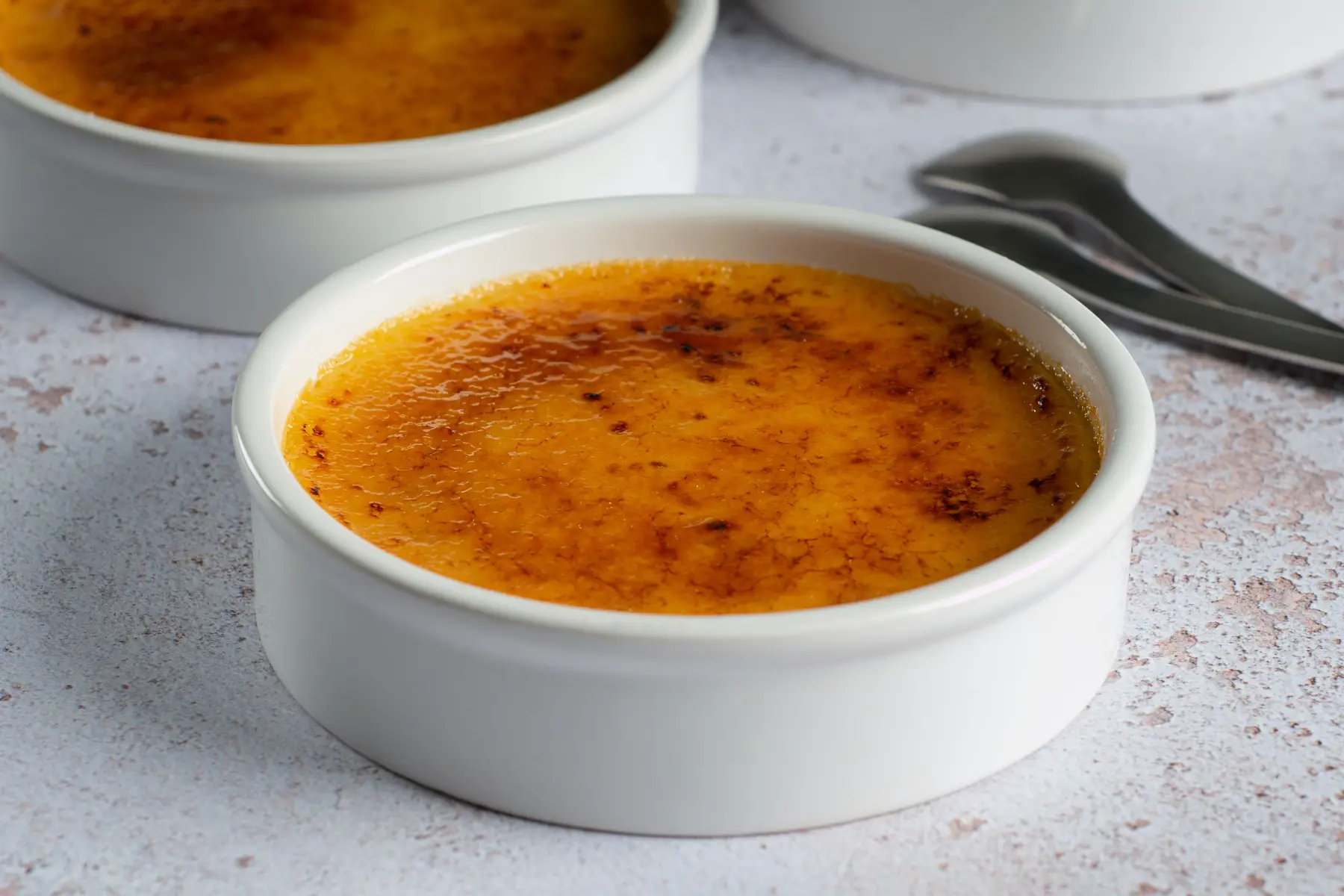
- Crème brûlée – a scene-stealer in the French film Amélie, this custard-based dessert combines egg yolk, sugar, vanilla, and heavy cream. The key to a perfect crème brûlée, however, is its caramelized sugar crust which makes a satisfying crunch sound when broken.
- Macaron – hailing from the Renaissance era, the fashionable macaron is a meringue-based cookie sandwich that comes in a myriad of flavors ranging from raspberry and lemon to Mexican spice and lavender.
- Canelé – originating in the region of Bordeaux, the canelé currently reigns supreme in every pâtisserie in France. The caramel-crusted rich pastry is made using rum and vanilla but has a pleasantly surprising creamy custard center.
Regional differences in French cuisine
French cuisine owes its richness to diverse culinary traditions from around the country. Each region has its own recipes, cooking methods, and flavors that contribute to the nation’s vibrant kitchen. Below are some of the main culinary regions in France.
Champagne, Alsace, and Lorraine
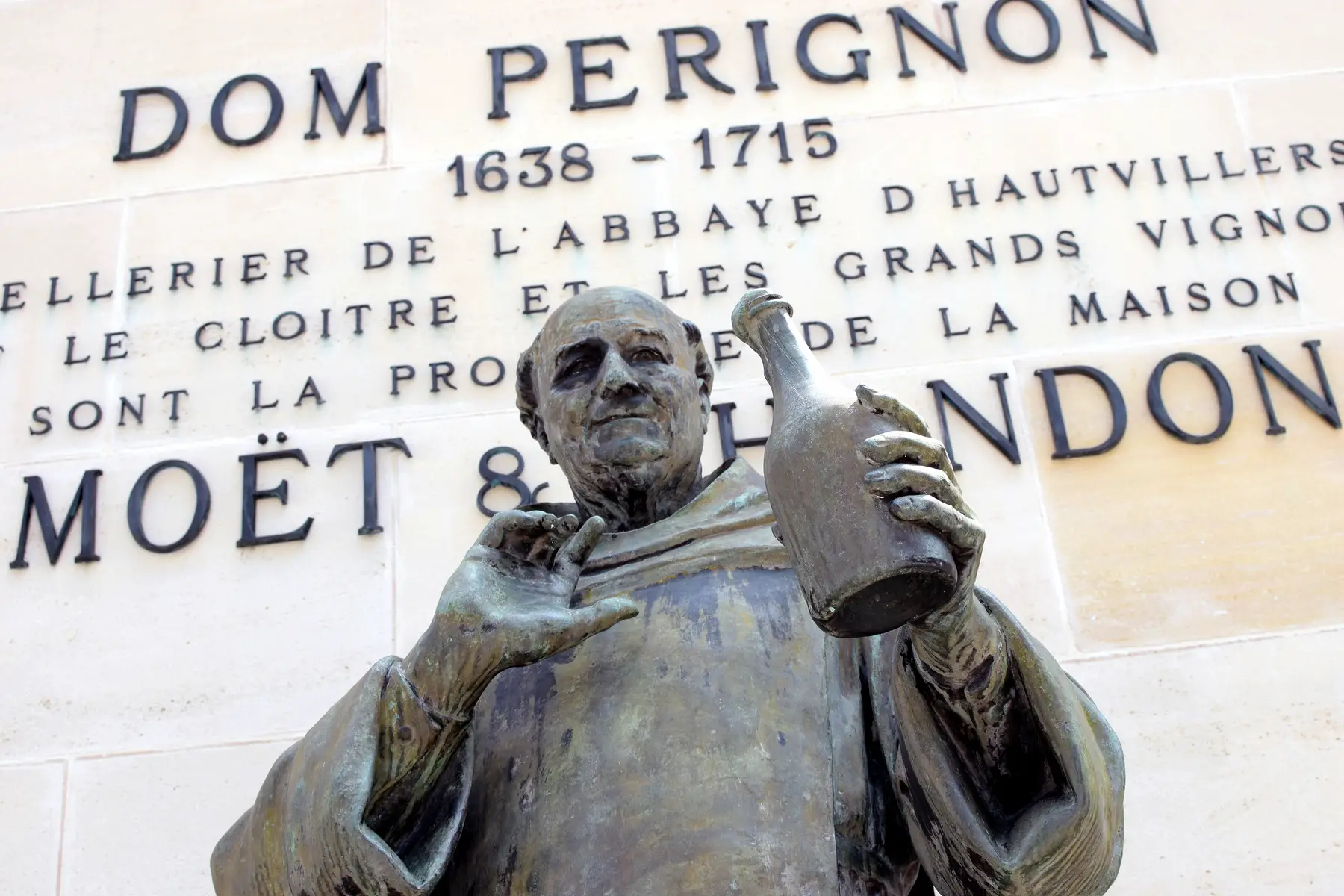
Of course, the Champagne region is famous for its fantastic sparkling wine. But on the cuisine side, it is known for producing quality game and ham, as well as fresh fruits and preserves. Due to the vast abundance of fruit such as cherries, raspberries, and prunes, the area also produces schnaps. Lorraine, meanwhile, is particularly well-known for its classic quiche and tart. While Alsace brings influences from neighboring Germany to the table with dishes such as choucroute garnie (the French take on sauerkraut).
Bordeaux, Périgord, Gascony, and Basque country
Wine, truffles, fish, lamb, pâtés, foie gras, and more. This region should really be in the French dictionary under “bon vivant” (meaning “good living”). Paired with a beautiful bottle of fine Bordeaux wine, this is a foodie’s paradise. Just make sure you work up an appetite first, as the region is home to heavy, farm-based cuisine; featuring everything from chicken, turkey, pigeon, goose, and duck to lamb and beef. Armagnac, a distinctive tasting brandy made from distilled wine, is also made in Gascony.
Provence-Alpes-Côte d’Azur
This huge Mediterranean region in the South of France is famous for its beautiful blend of Italian, Spanish, and French cuisine. It is well-known for its herbs, fruits, vegetables, and seafood. It is also the birthplace of some of France’s most iconic dishes, including ratatouille, bouillabaisse, and salade Niçoise. The region has several sweet delicacies up its sleeve as well, including tarte tropézienne and nougat – a wonderfully chewy confectionary.
Useful resources
- TasteAtlas – an interactive map of France that allows you to explore recipes from each region
- The Guardian – an article on the rise and fall of French cuisine
- Love to Know – provides more information on the history of French cuisine
- BuzzFeed – an article on classic French meals you need to try before you die



Did you find this guide helpful?