
'%20id='ico-down'%20stroke='%23000000'%20stroke-width='1.5'%3e%3cg%20transform='translate(1092.250000,%20254.750000)'%3e%3cpolyline%20id='Path-2-Copy-4'%20transform='translate(5.500000,%202.750000)%20scale(1,%20-1)%20rotate(-180.000000)%20translate(-5.500000,%20-2.750000)%20'%20points='0%200%205.5%205.5%2011%200'%3e%3c/polyline%3e%3c/g%3e%3c/g%3e%3c/g%3e%3c/svg%3e)


Moving
Visas & Immigration
Swiss visas: how to immigrate to Switzerland in 2026
Moving to Switzerland? Find out whether you need a Switzerland visa or permit to live, study, or work in the country.

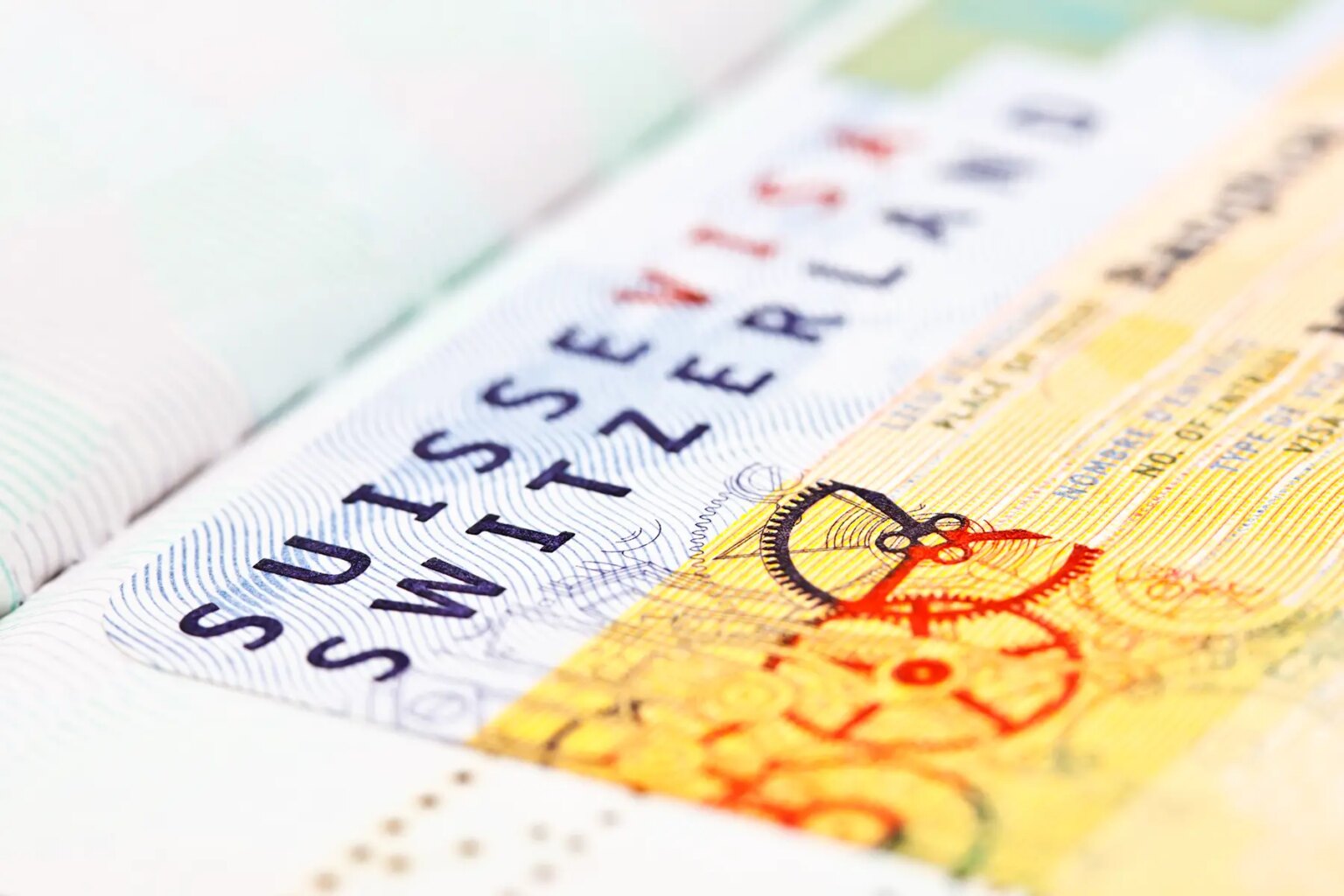
With its beautiful scenery and postcard-perfect cities, it’s easy to see why Switzerland is so popular with internationals. If you plan on working in the country or studying at a local university, you may need to apply for a Swiss visa.
To help you get started on your application, learn more about the following topics:
Wisler Legal
Wisler Legal is a Swiss law firm providing German and English services. Based in Zurich, they provide expat-friendly advice on a range of immigration matters, including work permit applications, naturalization, and tax advice. So, whatever your immigration needs in Switzerland, Wisler Legal can offer guidance and support.

Immigration in Switzerland
Switzerland has one of the highest proportions of immigrants in the Europe, with over 25% of residents born outside the country.
As it stands, citizens from the European Union (EU) and European Free Trade Association (EFTA – which includes Switzerland) nations can travel freely to Switzerland but will need to meet certain conditions to stay. Most non-EU/EFTA nationals will need to apply for a visa to come to Switzerland.

The State Secretariat for Migration (SEM) oversees immigration to Switzerland, although the cantonal immigration offices do much of the administration at the local level.
Switzerland is one of the 27 Schengen Area countries that permit passport-free travel between them.
Who needs a Swiss visa?
EU/EFTA nationals
Although Switzerland is not part of the EU, it does belong to the EFTA along with Iceland, Liechtenstein, and Norway. EU and EFTA countries form a united free market area within Europe.
As a result, nobody from EU/EFTA countries needs a visa to enter Switzerland. However, they have to register to work and apply for residence permits for stays over three months.
Non-EU/EFTA nationals
Citizens from outside the EU/EFTA will need a visa for stays in Switzerland longer than 90 days. For short stays of less than 90 days, visa requirements depend on which country you are traveling from. Switzerland grants visa-free entry to several countries worldwide, although you will need a valid travel document to enter.
Non-EU/EFTA nationals will also need a relevant visa to work or study in the country. For full information on visa requirements for short and long stays, check the SEM website and search for your country.
What types of Swiss visas are available?
Here are the three broad types of Swiss visas:
- Short-term Swiss visas: These are visas that permit stays of up to 90 days for purposes such as tourism or short-term business.
- Non-Immigrant visas: These are longer-term temporary visas for purposes such as studying or working on fixed-term contracts, where the holder doesn’t intend to stay in the country beyond a fixed period.
- Immigrant visas: Long-term visas for those who want to stay in Switzerland either long-term or permanently, for purposes such as work or retirement
Full details of these visas along with qualifying conditions, costs, and application processes, are explained below.
Short-term Swiss visas
Since Switzerland is a Schengen country, it’s possible to apply for a short-stay Schengen (C) visa which permits travel around the Schengen area for up to 90 days within 180 days.
Short-term visa requirements for Switzerland
To apply for any short-stay Swiss visa, you will need to provide:
- Cover letter stating purpose of visit and visit dates
- Completed visa application form
- Evidence of finances to support your stay
- Proof of accommodation covering your stay
- Sufficient medical insurance for Switzerland
- Your passport/valid ID plus two photos
Below is a breakdown of the different types of short-stay Swiss visas.
Airport transit Swiss visa
Some foreign nationals need an airport transit visa (also known as a Schengen A visa) if traveling through Switzerland and catching a connecting flight. This only applies to people who meet specific criteria (see PDF download link under ‘Other nationalities’).
Otherwise, most airline passengers in transit to their destination via a Swiss airport don’t need a Swiss visa, but they must have:
- An airline ticket for the next stage of your journey
- A valid passport/travel ID document
- The relevant travel documents and visas for entering the next country
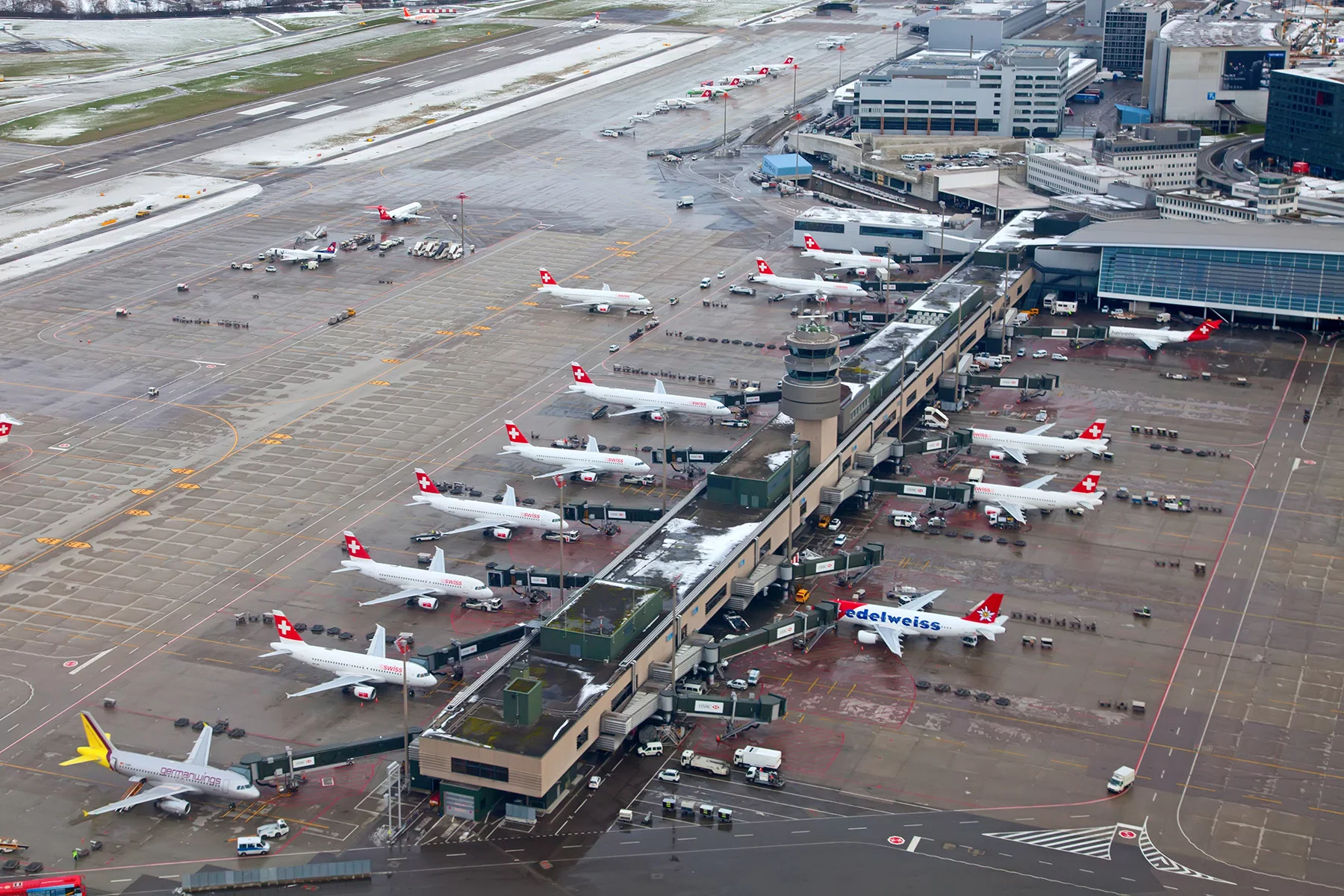
You must stay in the transit area and make your onward journey within 48 hours of arriving in Switzerland.
The fee for the airport transit visa depends on the currency of where you’re applying, but it costs around €90 for anyone over 12 and €45 for children aged 6–12. Children below the age of 6, as well as spouses and children of Swiss and EU/EFTA nationals, can get theirs for free. Make sure to apply for your visa at least 15 days before you travel.
Swiss tourist/visitor visa
This Swiss visa permits you to enter Switzerland as a tourist or to visit family or friends for 90 days within a 180-day period.
You can apply for this visa through the Swiss embassy or consulate in your country or fill out an online application online. The cost is €88 for those above the age of 12 and €44 for children between 6–11 years.
In addition to the general requirements, you will also need to provide a letter of invitation from your family or friends in Switzerland if you apply for a visitor visa.
Business visa
This is a visa for short-term business trips of 90 days or less. The application process and costs for this Swiss visa are the same as for the tourist visa. Additional requirements, however, include:
- Business bank statement for the last 6 months
- Business invitation letter from a Swiss company or organization
- Evidence that you can financially support the business stay
- Letter from your employer permitting the business travel (if applicable)
- Necessary documentation proving the legitimacy of your business (e.g., Articles of Association or trading license)
Medical visa
This is a visa for short-term medical treatment. For your application, you will need to provide:
- Confirmation from a place of medical treatment in Switzerland that they will treat you
- Insurance to cover medical costs or proof that you will be covering the fees yourself
- Medical report from your doctor, dentist, or physician
Swiss visa for cultural, sport, religious, or film events
This visa covers visits made by the likes of artists, sportspeople, and religious leaders to attend events, competitions, or film shoots in Switzerland. As well as the standard short-stay visa requirements, applicants need to provide event information and evidence of skills or qualifications.
Film crews must provide details of the film, film-maker credentials, and a list of film crew members in their application.
Official visit visa
Members of official delegations visiting Switzerland for an event or conference will need to apply for this Swiss visa. Costs and procedures are the same as for other short-term visas. In addition to standard requirements, applicants will need to give details of the purpose of the visit and the length of stay.
Short-term study visa
You can use this visa for:
- Internships of three months or less
- Research carried out as part of a degree or PhD
- Short study courses of 90 days or less
- Training courses or seminars, including work-related training
Application procedures and costs are the same as for other short-term Swiss visas. For longer study courses, you need to apply for a Swiss study visa and the necessary residence permit.
Non-immigrant Swiss visas
All non-EU/EFTA nationals wanting to stay in Switzerland for longer than 90 days will need to get the necessary visa along with a residence permit. EU/EFTA citizens don’t need a visa for long stays, but they will need a residence permit.
The long-stay visa for Schengen countries is the category D national visa. This Swiss visa is subject to authorization from the cantonal migration authorities. They can take several weeks or even months to process your application.
If you intend to come to Switzerland for longer than three months but don’t plan to settle (for example, if you want to stay for a fixed period for work or study purposes), you will need to apply for a temporary residence permit. The two Swiss temporary residence permits are:
| Name of permit | Information |
| B Permit | This initial temporary residence permit is issued as a biometric card. It lasts between 1 and 5 years; renewals are possible. It is typically linked to a longer-term job or study contract and usually requires that the holder remains in the canton the application has been linked to. |
| L Permit | This short-term residence permit comes as a biometric card. It lasts for one year and is non-renewable. This permit is typically linked to a specific job or study contract lasting no more than 12 months in total. |
How do you apply for a long-stay visa?
If you need a long-stay non-immigrant Swiss visa for a fixed temporary period, you should apply via the Swiss embassy or consulate in your home country. As with short-term visas, it costs US$47–94 to apply for a long-term visa.
Documentation will depend on the type of visa you are applying for, but it will include as a minimum requirement:
- Completed visa application form
- Copy of passport/valid ID plus two photos
Check the Federal Department of Foreign Affairs website (in German) to see exact requirements for your particular country.
Local Swiss cantons issue residence permits. You will need to apply for one at your cantonal immigration office as soon as you arrive in Switzerland. If you fail to do with within the first 90 days of your stay, you risk having your visa revoked.
The following non-immigrant long-stay Swiss visas are available.
Student visas
Non-EU/EFTA nationals wanting to study long-term in Switzerland, such as those on degree or post-graduate courses, can apply for a Swiss student visa. You will need to show evidence of:
- Application for a residence permit
- Confirmation of study placement at a Swiss educational institution
- Financial resources to cover your stay in Switzerland (a certificate authorized by a Swiss bank)
- Passport or identity card plus two passport photos
- Your address at your place of residence

You will need to apply for this visa within 14 days of your arrival in Switzerland.
Students from EU/EFTA countries can work for 15 hours a week during term time and full-time during holidays. On the other hand, non-EU/EFTA students must wait for six months from the start of their degree to start working in Switzerland.
Temporary worker visas
Work visas are only granted in Switzerland to those who already have a job offer. You can, however, come to Switzerland for up to 6 months to look for a job.
Temporary work visas are available for those employed in Switzerland on fixed-term contracts. You will need to provide:
- Confirmation of job offer
- Evidence that you have the skills and qualifications to do the job
- Valid identity card or passport
Read about work visas in Switzerland for more information.
Non-immigrant family visas
If you want to come to Switzerland to stay with a partner or relatives for longer than three months, you will have to apply for a category D family reunion visa along with a temporary residence permit.
You can do this if you meet specific conditions, most notably if you are:
- A parent or grandparent of a Swiss citizen or resident who is from an EU/EFTA country
- An unmarried child or grandchild of a Swiss citizen or resident, and are under 18 years old (or 21 if you are from an EU/EFTA country)
- The spouse or registered partner of a Swiss citizen or resident
In addition, you will need to show evidence of:
- A certificate from your country of origin proving the relationship to the family member you are joining in Switzerland (e.g., marriage certificate, birth certificate)
- A valid identity card or passport
- Another visa, if necessary
- Confirmation that you have enrolled in a language course if you are not able to make themselves understood in the national language (at least A1 level)
Immigrant Swiss visas
If you plan on relocating to Switzerland or staying for an indefinite period, you will have to apply for the category D national visa in much the same way as if you were coming on a non-immigrant visa.
Switzerland doesn’t generally offer permanent visas or permits to anyone unless they have been living in the country for 5–10 years. If you are coming long-term for work, business, or family reunion, you will typically have to get a temporary “B” residence permit initially until you meet the requirements for settlement.
Requirements for permanent settlement or full Swiss citizenship vary by canton but generally include:
- Ability to speak and write the national language
- Clean criminal record
- Integration into Swiss society
- Swiss authorities assessing you as no threat to national security
- The ability to support yourself without recourse to social welfare
The main types of Swiss immigrant visas are listed below.
Family reunion visas
Children and spouses/partners from non-EU/EFTA countries can join Swiss residents who have either a “C” permanent residence permit or Swiss citizenship using the family reunion visa. If the Swiss resident is from an EU/EFTA country, they can also be joined by parents and grandparents.
Those living in Switzerland on temporary “B” or “L” permits don’t have automatic rights to be joined by family members. However, cantons may allow this if it can be proved that family members can be accommodated and will be able to support themselves without using public funds.
Students on “B” or “L” permits usually can’t bring family members with them.
Children aged under 12, including adopted children, are automatically given a “C” permit for permanent residence when joining parents. They don’t have to meet the residence requirement.
Work visas
If you want to come and work in Switzerland, you have to secure a work contract before you can get a work visa.
Your future employer will submit a request for authorization to SEM. This authorization is generally only given to qualified non-EU/EFTA citizens who are managers, specialists, or otherwise highly skilled, if the quotas allow it, and if no EU/EFTA person is available to do the job.
For long-term employment contracts, you will initially get a “B” permit which you can renew until you can apply for a “C” settlement permit. Once you have your “C” permit, you will be able to move freely between the cantons and apply for any job in Switzerland.
Business visas
Switzerland doesn’t offer visas for people who want to start their own Swiss businesses. If you are self-employed, you must register within 14 days of arrival at your Swiss commune and apply for a residence permit there. To complete this, you will need to show:
- Documents that you are or will be self-employed
- Proof that you can financially support yourself and your family
- Your identity card or passport
Retirement visa
Non-EU/EFTA nationals can retire to Switzerland if they:
- Can prove they have adequate resources to support their retirement in Switzerland without social welfare assistance
- Take out Swiss health insurance
Successful applicants will get a “B” temporary residence permit with a chance to apply for a “C” permit for permanent residence once they fulfill requirements.
The SEM only issues a limited number of permits each year and they are granted at the discretion of individual cantons. Therefore your chances of a retirement visa in Switzerland depend on the strength of your application.
What support is available for asylum-seekers and refugees in Switzerland?
Anyone can claim asylum in Switzerland. You can make an application at the border control of any Swiss airport or one of the country’s federal asylum centers.
All asylum applications are processed by the SEM and should be accompanied by any available evidence of persecution or threats to safety.
It is not possible to apply for asylum in Switzerland from another country, however, it is possible to file a visa request at a Swiss embassy or consulate abroad on the grounds of feeling unsafe in this country. The embassy or consulate will then determine whether a temporary visa should be issued.
How does the asylum procedure in Switzerland work?
Asylum seekers stay in asylum reception centers while the SEM reviews their applications. During this time, you will get an “N” permit and are allowed to seek employment after three months of staying in the country.
The SEM aims to process all asylum applications within 6 months. If applications are rejected, the applicants are expected to leave Switzerland within a specified time, although they can appeal the verdict.
Successful applicants are granted refugee status and will be given a “B” residence permit with the chance of applying for a “C” permit for permanent residence, and eventually full citizenship if they want to, in due course.
If a person has been refused asylum but cannot leave Switzerland for whatever reason, they are sometimes granted an “F” permit for temporarily admitted persons. Years spent in Switzerland on this permit only count as half-years towards residency requirements.
Switzerland received over 30,000 asylum applications from non-EU nationals in 2023. Most of these came from Afghanistan, followed by Türkiye, and Eritrea.
The Swiss government’s information portal, ch.ch, has more information on claiming asylum in Switzerland.
How can you get residency or citizenship in Switzerland?
Every international staying in Switzerland for more than three months needs a residence permit, even EU/EFTA citizens.
If you are a non-EU/EFTA citizen, you have to apply upon arrival at the local cantonal migration offices where you intend to live. Each case is decided on individual circumstances.
Although all cantons operate under the same federal law, each canton has some autonomy over immigration into the region. Therefore, individual cantons are the first resource for information regarding requirements for work and residence permits.
Permits need to be renewed at your local cantonal immigration office no earlier than three months and no later than two weeks before the existing permit’s expiry date.
After 10 years of continuous residence, you can apply for full Swiss citizenship if you have a valid “C” permit. This can be done after five years if you qualify for simplified naturalization, for example, if you are married to a Swiss citizen.
Citizenship allows you certain extra rights, such as the power to vote. However, you would also have to fulfill other obligations, for example, all Swiss men must undergo obligatory military service.
Swiss residence permits overview
| Permit | Description | Length of validity |
| B permit | Temporary residence permit | One year but can be renewed |
| C permit | Settlement permit for permanent residence. Available after five years of continuous residence for EU/EFTA citizens and nationals of the US and Canada, and after 10 years of residence for other third-country nationals. | Indefinite |
| Ci Permit | For relatives of workers of inter-governmental organizations and foreign embassies | Valid for as long as the relative’s visa/permit is valid for |
| F Permit | Temporarily admitted person, for those whose asylum applications have been rejected but who can’t leave Switzerland for some reason | 12 months, can be extended for 12 months at a time |
| G Permit | Cross-border commuter permit for those who work in Switzerland but live in another country. Does not grant any residence rights. | One year but can be renewed |
| L Permit | Short-term residence permit | Up to one year, cannot be renewed |
| N Permit | Asylum-seeker permit | Six months, but can be extended until the asylum application has been processed |
| S Permit | Temporary conditional permit for other people in need of protection. Does not grant any residence rights. | One year but can be extended |
Do you need to register your arrival in Switzerland?
When you arrive in Switzerland you have 14 days to register your stay at your local Residents Registration Office. You will also need to get your residence permit from the cantonal migration offices if you are staying for longer than three months. You should take along your passport as well as your Swiss visa.
Other things you will need to sort out within your first few weeks are:
- Registering for healthcare in Switzerland
- Opening up a Swiss bank account
How can you make a visa-related appeal or a complaint?
If your Swiss visa application is turned down, you can write a letter of appeal to the Swiss embassy or consulate in your home country. You will need to clearly explain on what grounds you are contesting the decision.
For issues concerning Swiss residence permits, you should contact your cantonal migration authority. If you are unable to get a satisfactory response, you can take the matter to the SEM, which oversees immigration and residence permits in Switzerland.
Useful resources
- State Secretariat for Migration (SEM) – Swiss federal department that oversees matters on immigration and residence
- Swiss Authorities Online – government portal with information in English
- Swiss visa application forms – apply for your short-term and long-term visas
- Swiss Refugee Council – apply for asylum in Switzerland


Did you find this guide helpful?