
'%20id='ico-down'%20stroke='%23000000'%20stroke-width='1.5'%3e%3cg%20transform='translate(1092.250000,%20254.750000)'%3e%3cpolyline%20id='Path-2-Copy-4'%20transform='translate(5.500000,%202.750000)%20scale(1,%20-1)%20rotate(-180.000000)%20translate(-5.500000,%20-2.750000)%20'%20points='0%200%205.5%205.5%2011%200'%3e%3c/polyline%3e%3c/g%3e%3c/g%3e%3c/g%3e%3c/svg%3e)


Moving
Relocation
Moving to Belgium from the US: visa, costs and checklist
Plan your seamless transition to Belgium from the US with our practical guide.


Belgium attracts many Americans with its multilingual cities, central location, and international careers, especially in and around Brussels. But moving to Belgium from the US works best when you confirm the right visa route first and plan the paperwork, health cover, and first-month admin before you fly.
Read on to learn more about the main visa paths, the required documents, and a practical cost framework. We’ll also dive into first-month admin, healthcare, money setup, and how region and language shape daily life so you can learn more about your new home.
Key takeaways
- US citizens can usually visit Belgium for up to 90 days without a visa, but living there requires a long-stay route.
- Common long stay visa routes focus on work, study, family reunification, self-employment, or retirement.
- To support your visa application, order US civil and police records early, and check whether they need an apostille, translation, or both.
- Register with your commune or municipality and start your residence card process within the local deadline.
- Keep up with live regulations from the Belgian Immigration Office for residence rules and the Belgian consular post covering your US state for visa steps.
Check your visa route before you move
Americans can often visit Belgium without a visa for short stays, but moving to Belgium from the US normally means using a purpose-based long-stay route.
Start by planning the legal route you’ll use to remain in the country longer term, and don’t worry about the flight booking until your plans start to shape up. You can also use Expatica’s Belgium visas and immigration guide as your first overview before you confirm details with official sources.
Which visa paths are realistic for Americans?
- Work: Many Americans use a single permit, which combines work and residence permission for stays over 90 days. You usually need a Belgian employer to start the process.
- Study: You need admission, proof of funds, and health cover.
- Family reunification: You need proof of the relationship, housing, and support.
- Self-employment: Many non-EU nationals need a professional card to run an independent business in Belgium.
- Retirement: You need stable means, health cover, and a clear reason for the stay.
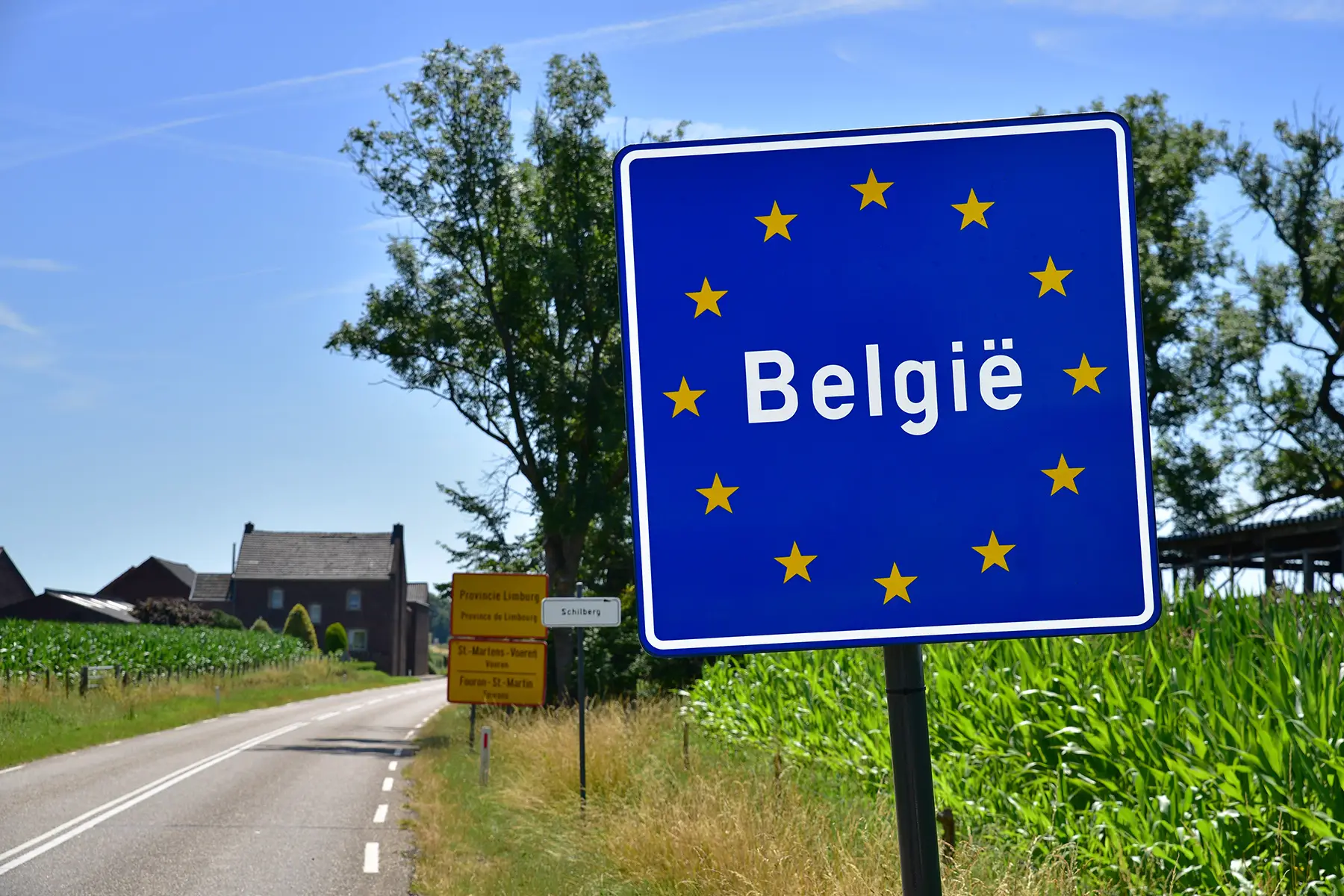
Can you use the 90-day visa-free stay to prepare the move?
A visa-free visit can help with viewings and research, but it is not a residence permit or pass. It also does not automatically permit work or long-term remote work, so verify any work plan before relying on a short stay arrangement in Belgium.
Build your relocation timeline before you leave the US
Start with your move date and work backwards. Group tasks into documents, application steps, housing, money, and arrival admin.
Which documents should you prepare and legalise?
- Valid passport, with enough validity for the visa route you are using
- Proof of purpose, such as an employment contract, university admission, or family documents
- Proof of funds or income
- Proof of health insurance or bridge cover where required
- Criminal record extract, if your route asks for it
- Birth, marriage, or other civil records that may need an apostille or certified translation
For Americans, one of the biggest pain points is getting official US records prepared before departure. If a commune, employer, or consulate later asks for an apostilled document, replacing it from abroad is slower and often more expensive.
When should you apply and how long can it take?
The official D-visa page for applicants in the United States says processing can range from 3 weeks to 6 to 9 months, depending on the category, and applications must go to the consular post that covers your state of residence.
Choose the route that matches your real purpose.
Confirm the exact checklist and consular jurisdiction.
Submit the application and track it where possible.
Use the waiting period to line up housing, funds, and arrival tasks.
Budget for the move and your first months in Belgium
Moving costs arrive in two waves: one-off relocation expenses and then your new monthly living costs. Budget a buffer for delays, deposits, and first-month spending, for peace of mind in case anything unexpected happens.
How much does it cost to move to Belgium?
The total varies a lot by family size, shipping volume, route, and destination. Break the move into categories and check the latest fee list before you commit.
| Cost type | When you pay it | What changes the price | How to verify |
|---|---|---|---|
| Visa and admin fees | Before application and during filing | Visa route, handling fees, document extras | Belgian consulate checklist |
| Legalisation and translations | Before filing | Number of documents and language pair | Apostille and translator quotes |
| Flights and baggage | Before departure | Season, route, family size | Airline fare and baggage rules |
| Housing deposit and temporary stay | Before or just after arrival | City, property type, landlord terms | Lease terms and local market checks |
| First-month setup costs | After arrival | Mobile, transport, furniture, registration needs | Provider pricing and commune fees |
What does the cost of living in Belgium vs the US look like?
Compare housing, food, transport, and healthcare separately instead of relying on a national average. Housing may feel cheaper than major US cities in some parts of Belgium, while utilities, deposits, and city-centre rents can still surprise you, especially in Brussels.
Groceries, public transport, and healthcare can land differently depending on whether you are leaving New York, Houston, or a smaller US city.

Handle your first 30 days in Belgium
Arrival starts a fresh set of tasks. Use the first month for registration, residence proof, insurance, housing basics, and day-to-day setup.
- Before departure: bring original documents for onward applications, set up any required bridge health cover, and plan euro access.
- Arrival week: secure your address, keep your lease proof ready, and work through Expatica’s first week in Belgium guide.
- First 30 days: finish residence steps, check healthcare eligibility, and only look for work if your status allows it, using Expatica’s finding jobs in Belgium guide where relevant.
Register at your commune and apply for your residence card
Your commune or municipality handles address registration and many residence steps. Your residence card, the card that proves your local stay status, depends on local registration and proof of address.
- Check the process early: communes, especially in Brussels, differ on appointments and timing. If you are moving to the capital, the Commissioner for Brussels residence formalities pages are a useful English-language starting point.
- Bring proof of address: lease, passport, visa paperwork, and photos may be needed.
- Expect local verification: put your surname on the doorbell and letterbox from day one, because address checks can stall if officials cannot match the occupant.
Set up health insurance, mobile data and daily admin
Think about health cover in two stages: bridge cover first for when you first arrive, then local setup once you are registered and eligible.
Many newcomers compare Allianz Worldwide Care, now Allianz Care, Cigna Global, APRIL International, and Feather Insurance. Check whether you can already join a Belgian mutual health fund, the non-profit insurer in the public system, or whether you need temporary private cover first.

Your next job is likely to be getting a phone and data arranged. You can use an international eSIM as a stop gap to get data when you’re still researching local plans and providers. HolaFly and Lyca can help with mobile data while you handle the rest of your daily admin for example, with plans up to 90 days to give you room to figure out your local setup.

Set up your money before and after arrival
Plan your transfers and everyday spending before you leave. You may need to pay deposits, move savings, cover early rent, and manage daily spending before a full Belgian banking setup is in place.
Move funds to Belgium without unnecessary FX costs
You may need an international transfer for a housing deposit, temporary accommodation, or first-month living costs. Major local banks such as BNP Paribas Fortis, KBC, ING Belgium, and Belfius can be part of your longer-term setup, but it is still worth comparing the final exchange rate, transfer fee, and arrival estimate before you send money.
Wise can fit this stage as a transparent option for USD to EUR transfers, showing the transfer fee upfront and using the mid-market exchange rate. It is not always the cheapest route, so compare the final euro amount before you confirm the transfer.
Use a multi-currency account while you wait for local banking
Some banks may want local address or residence documents, which you can’t always source immediately on arrival in a new country. If you still need a way to receive money and pay expenses that might mean finding a different solution until you have your Belgian paperwork all sorted out.
The Wise account can help you hold more than one currency and manage early euro spending while you arrange a Belgian account with a bank such as BNP Paribas Fortis, KBC, ING Belgium, or Belfius. Wise is not a bank, but offers an account you can set up from the US or Belgium, with EUR receiving details, a linked debit card and ways to send payments in multiple currencies.
Decide where to live and how language affects daily life
Your choice of region changes more than rent. It shapes language exposure, commuting patterns, school options, and how easy daily admin feels in the first months.
Brussels, Flanders or Wallonia?
Brussels is usually the easiest landing point for Americans who want international offices, English-speaking circles, and dense public transport. Flanders can also feel accessible, especially around larger cities where English is common in professional settings, but daily life still runs mainly in Dutch. Wallonia often suits people who already use French or want lower costs outside the capital.
Belgium has three official languages, and that regional split affects everything from letters to landlord conversations. A small local-language effort often improves admin and neighbour interactions, even when many people speak English.
If you are still weighing neighbourhoods, Expatica’s where to live in Belgium guide is a helpful next read, and so is its guide to opening a bank account in Belgium because location can change how straightforward early banking feels.
FAQ
Frequently Asked Questions about moving to Belgium from the US
Can Americans move to Belgium without a job? 
Yes, but not without a legal purpose. A job offer is one route, but study, family reunification, self-employment, and some retirement cases can also work if you meet the rules.
How hard is it to move to Belgium as an American?
The hardest part is usually the legal route and document prep. If you already have a job offer, school admission, or family tie, the process is far more manageable.
What visa do Americans need to move to Belgium?
For stays over 90 days, Americans usually need a type D national visa or another approved long-stay route tied to purpose. The right category depends on whether you are moving for work, study, family, business, or retirement.
How long can an American stay in Belgium without a visa?
For tourism or another short stay, Americans can usually stay up to 90 days within a 180-day period. That rule does not replace long-stay immigration requirements, and your passport should also meet Schengen validity rules.
Is Belgium cheaper than the US?
Sometimes, but not in every category. What matters is whether housing, transport, healthcare, and day-to-day costs will be lower for your target region than for the US city you are leaving.
Useful resources
- Belgian Immigration Office – official immigration rules, residence conditions, and status information
- Embassy and Consulates of Belgium in the United States – official D-visa procedures, checklists, fees, and consular jurisdiction by state
- belgium.be – government information on residence documents and official services
- Commissioner for Brussels – residence formalities and expat admin
- U.S. State Department Belgium page – passport validity, travel advisories, and entry basics for US citizens
- Expatica health insurance quotes tool – compare pre-arrival or expat-friendly cover before local healthcare setup is complete



Did you find this guide helpful?