
'%20id='ico-down'%20stroke='%23000000'%20stroke-width='1.5'%3e%3cg%20transform='translate(1092.250000,%20254.750000)'%3e%3cpolyline%20id='Path-2-Copy-4'%20transform='translate(5.500000,%202.750000)%20scale(1,%20-1)%20rotate(-180.000000)%20translate(-5.500000,%20-2.750000)%20'%20points='0%200%205.5%205.5%2011%200'%3e%3c/polyline%3e%3c/g%3e%3c/g%3e%3c/g%3e%3c/svg%3e)


Housing
Renting
Student housing in Belgium: costs, kots and rentals
Finding student housing in Belgium is one of the biggest tasks to sort before you arrive, especially if you are comparing cities and sending money from abroad. In busy student markets such as Brussels and Leuven, timing can matter almost as much as budget.


In Belgium, a student room is often called a kot, but that word alone does not tell you what you are getting. This guide explains the main housing types, city costs, lease basics, registration questions, scam checks, and payment steps so you can shortlist options with fewer surprises.
Key takeaways
- Start looking in spring if you can. KU Leuven says peak listing season in Leuven and Brussels runs from March to May, with fewer and sometimes pricier options later.
- The main options are university residences, private kots, studios, and shared apartments. University-managed housing can be simpler for a first arrival, while private options usually give you more choice and independence.
- September 2026 official examples show big city differences. Brussels student housing often falls around €500 to €1,200 a month, Leuven private rooms average roughly €490 to €800 including costs, and Ghent standard rooms average €544 all-inclusive.
- A rental guarantee of up to two months’ rent is common in student housing, but the setup matters. Some landlords use a blocked Belgian deposit arrangement, while others may accept a direct transfer only after the contract checks are complete.
- Do not send money until you have the full address, a written lease, the landlord’s verified identity, and confirmed payment details.
Pay your Belgian rent abroad with Wise
When sending rent or deposits to Belgium from abroad, managing multiple currencies can save you on exchange markups. Wise lets you hold, receive, and send euros with real exchange rates and low transparent fees, helping you avoid hidden international transfer charges.

Understand the main student housing options
Student housing in Belgium is broader than many newcomers expect. You will usually compare university residences, private student rooms, kots, studios, and shared apartments, and the best choice depends on how much structure, privacy, and support you need.
If you are arriving for the first time and want fewer unknowns, university housing managed or endorsed by your institution can be the safer first route because the process, contract, and support are usually clearer. A private room or shared apartment can work well if you want more independence, a specific neighborhood, or a bigger pool of listings, but you need to check the landlord, rent inclusions, and lease more carefully.
What a kot means in Belgium
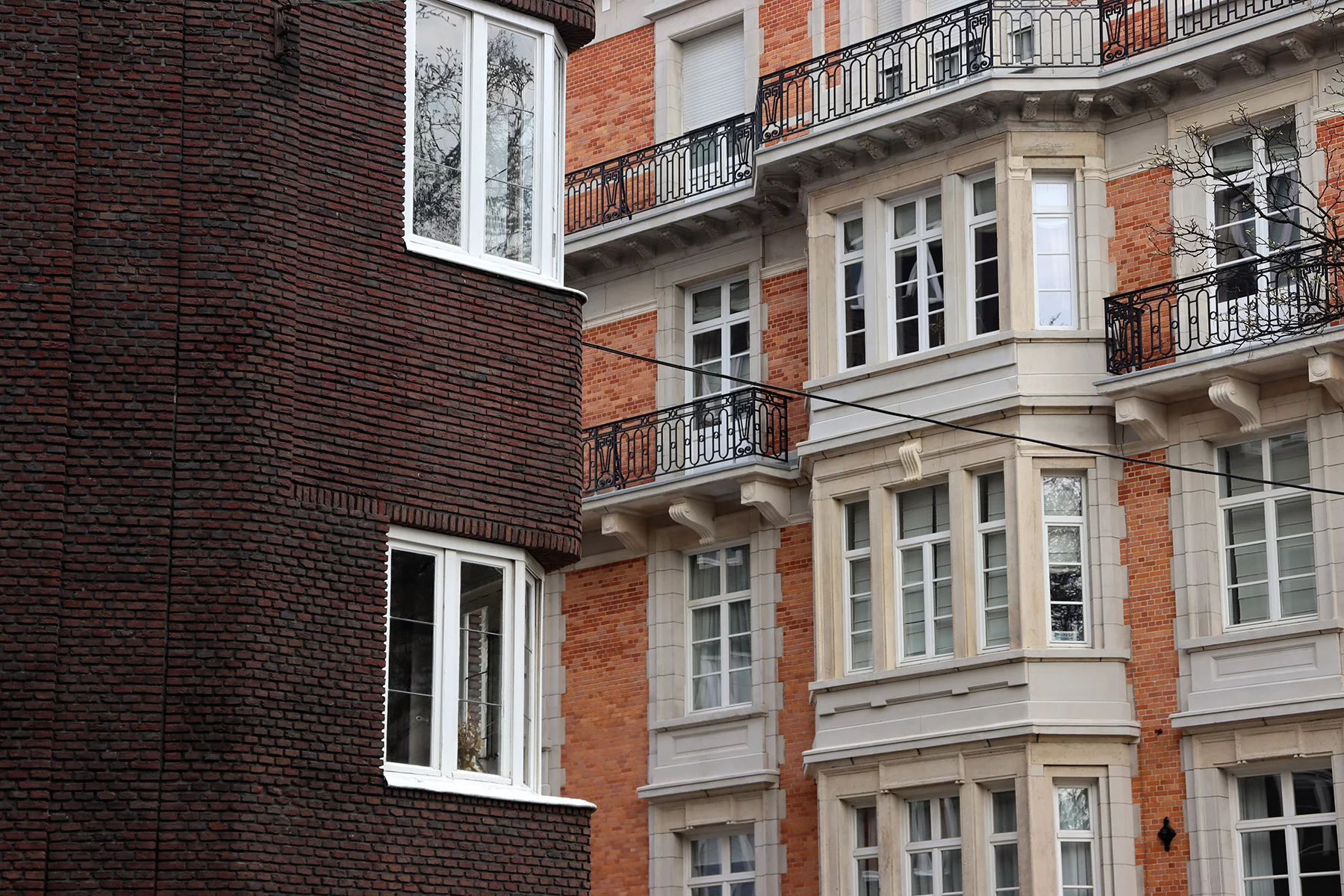
A kot usually means a student room, often in a building where you share a kitchen, bathroom, or both with other students. A kot is not automatically a university dorm, so check what is actually private, whether the room is furnished, and which lease terms apply before you decide.
Compare housing by city and region
Your search will not feel the same across Belgium. Brussels has a larger and more varied private market, Leuven is a tighter student market tied closely to official university tools, and other cities sit somewhere in between.
If you are still choosing between universities in Belgium, compare the city and housing system together rather than treating the course offer and the room search as separate decisions.
Brussels vs Leuven and other student cities
Checked on 18 September 2026, the table below uses current official university and regional examples to show how student accommodation in Leuven, student housing in Brussels, and other student markets compare.
| City | Market pressure | Typical student room range | Official tool | Key note |
|---|---|---|---|---|
| Brussels | High | €500 to €1,200 | MyKot | Broad private market, but demand pushes prices up and KU Leuven says students rely mainly on private housing. |
| Leuven | Very high | €490 to €800 | Kotwijs | Private rooms dominate here, and the market is tight enough that official tools matter. |
| Ghent | High | €544 average | KotatGent | Artevelde says demand is higher than supply, so early searching is essential. |
| Antwerp | Medium to high | €526 average | Studentkotweb | Thomas More‘s June 2026 figures show reasonable choice, but cheaper rooms move quickly. |
| Liège | Medium | €400 to €600 | ULiège housing guidance | ULiège highlights a cheaper kot market with a large private stock. |
| Louvain-la-Neuve | Medium | €335 to €480 | UCLouvain housing | Strong university housing network in a purpose-built student city. |
Local tip: In Brussels, MyKot listings are backed by Brussels student housing partners, meaning Brik checks accommodation for fire safety and comfort before it goes online. If you are searching from abroad, that is a safer first stop than random social posts.
Budget for rent, deposits, and extras
When you compare housing costs, the easy mistake is focusing on headline rent and missing the first-month bill. Besides monthly rent, you may need a rental guarantee, utility advances, internet, common-area cleaning, and basic move-in items like kitchen gear or bedding.
The same September 2026 official data shows why city choice matters. KU Leuven lists Brussels student housing at roughly €500 to €1,200 a month and Leuven housing between €400 and €1,000 depending on type, Artevelde gives a Ghent average of €544 all-inclusive for a standard room and €701 for a studio, and Thomas More lists Antwerp student rooms around €526 on average. If you want a wider planning view beyond rent, compare housing with the cost of living in Belgium, including food, transport, and setup costs.
If you are funding rent or a deposit from abroad, compare the total cost and likely transfer speed of a EUR payment from your home bank, Belgian banks such as KBC, BNP Paribas Fortis, or Belfius, and providers such as Wise before you commit to a room.
What rent usually includes
A common question is whether the rent for a student room in Belgium includes everything. Check whether the advertised price covers utilities, internet, furnished items, common-area cleaning, and any year-end settlement, and make sure the contract names each charge instead of hiding it behind vague phrases like “bills included.”

Check leases, registration, and move-in rules
The contract deserves more attention than the photos. Use renting in Belgium as background reading, but treat student housing as its own category because rules can change by region, institution, and contract type.
Before signing, confirm the lease type, because a student lease, common-law lease, and principal residence lease can work differently in practice. Also check the duration and notice rules, since shorter student contracts can have different exit terms from standard leases.

Then confirm the rental guarantee, including the amount, where it will be held, and whether the process uses a blocked deposit account or another setup. Finally, check the documents and move-in paperwork, which may include ID, proof of enrollment or admission, an inventory of fixtures, lease registration, keys, and insurance requirements.
This guide is for general information only, not legal advice. Always confirm current lease, registration, and insurance rules with the landlord, residence, university housing office, or local authority before you pay or sign.
Student lease vs ordinary residential lease
In Brussels, the contract type can change your rights in practical ways. The Brussels-Capital Region says a student lease can run for up to 12 months, can be renewed yearly under the same conditions, and lets the student end the lease with two months’ notice, but landlord and tenant can still agree to use a standard lease instead.
Flanders and Wallonia have their own housing frameworks, so do not assume Brussels rules apply nationally. If you are offered a private room outside Brussels, verify the local rules and the exact contract you are signing.
Inventory, registration, and insurance
The inventory of fixtures is the written record of the room’s condition at move-in, and it matters because it shapes what can be deducted from your deposit later. Also check whether the landlord will register the lease, whether you need proof of enrollment and ID at check-in, and whether fire or water-damage insurance is required by law or by contract in that region.
For registration, students staying in Belgium for more than three months often need to register their stay with the municipality. That does not automatically mean every student room becomes your principal residence, so confirm the position with the municipality, landlord, and housing office.

Avoid scams and pay safely from abroad
Searching from abroad adds one extra problem: you may be asked to pay before you can properly verify the room. Official university guides repeat the same advice: check the property, the person offering it, and the payment route before money leaves your account.
Scam-check checklist
- Ask for a live video tour, not just polished photos.
- Get the full address and written lease before any payment request.
- Match the landlord’s name or company name to the contract and payment details.
- Start with official or university-backed tools such as MyKot, Kotwijs, KotatGent, or your housing office database.
- Check what is included in the rent, deposit, and any extra charges.
- Pause if the seller rushes you, refuses questions, or changes bank details at the last minute.
How to pay rent or a deposit from abroad
First, confirm the accepted payment method. Some landlords want a direct bank transfer, some student residences use a portal, and some guarantees may need a Belgian blocked deposit arrangement instead of a simple international transfer.
Before sending EUR, double-check the named account holder, IBAN, BIC or SWIFT code, payment reference, and whether the destination is a personal account, company account, or deposit setup at a bank such as KBC, BNP Paribas Fortis, or Belfius. If the landlord accepts bank transfer, you can compare your home bank with providers such as Wise, and you may use a multi-currency account to hold EUR before paying. Wise is not a bank. It is an authorised payment institution. Payment options depend on the landlord’s or residence’s accepted method, and some guarantees need a Belgian bank process rather than a simple transfer.

FAQ
Frequently asked questions about student housing in Belgium
What is a kot in Belgium? 
A kot is usually a student room, often with shared kitchen or bathroom facilities. It can be privately rented or tied to a university network, so check what facilities, furniture, and lease terms come with the room.
How much does student housing cost in Belgium?
Current official examples checked in September 2026 show wide ranges rather than one national price. Brussels and Leuven usually sit at the pricier end, while Ghent, Liège, and some university-led options in Louvain-la-Neuve can cost less depending on room type and what is included.
Do international students need to register at their student address in Belgium?
Often, yes, if you stay in Belgium for more than three months. The exact treatment of your address depends on your status, city, and contract, so confirm it with the municipality, landlord, or university housing office.
When should you start looking for student accommodation in Brussels or Leuven?
As early as your study plans are firm. KU Leuven says peak listing season runs from March to May, while August and September can mean fewer choices and higher prices, so join official platforms and waiting lists early.
Can you pay a Belgian rent deposit from abroad?
Often yes, if the landlord or residence accepts international bank transfer. But you still need to verify whether the money goes to a direct landlord account, a residence system, or a Belgian blocked deposit setup, and you should check the IBAN, BIC or SWIFT code, and payment reference before sending.
Sources
Expatica’s experts are all about providing the most up to date and accurate information. All guides are fact checked, and whenever we use external sources (like government websites or research papers) we’ll make a note of them here so you can check them out too.
- Student housing options and the MyKot search tool in Brussels, Brussels-Capital Region — Student housing
- Student leases, standard leases, and shared tenancy rules in Brussels, Brussels-Capital Region — Rental contracts
- Rental guarantees, inventories, lease registration, insurance, and move-out steps, Brussels-Capital Region — Steps in renting and leasing
- Leuven housing timing, budgets, residence halls, and private rooms, KU Leuven — Housing for students in Leuven
- Brussels housing timing, MyKot, Brik, and private-market guidance, KU Leuven — Student housing in Brussels
- Rental guarantees, utilities, inventories, city databases, and anti-scam guidance, Thomas More — Student housing
- Ghent housing costs, deposits, registration, and fraud guidance, Artevelde University of Applied Sciences — Housing for international students
- Official Brussels student housing search tool, MyKot
- KU Leuven platform for checked rooms and studios, Kotwijs
- Brussels student housing support and semester-friendly options, Brik
- Louvain-la-Neuve university housing types and price ranges, UCLouvain — Types de logements disponibles
- Liège private kot and studio housing guidance and local terminology, University of Liège — Se loger chez un propriétaire privé à Liège


Did you find this guide helpful?