
'%20id='ico-down'%20stroke='%23000000'%20stroke-width='1.5'%3e%3cg%20transform='translate(1092.250000,%20254.750000)'%3e%3cpolyline%20id='Path-2-Copy-4'%20transform='translate(5.500000,%202.750000)%20scale(1,%20-1)%20rotate(-180.000000)%20translate(-5.500000,%20-2.750000)%20'%20points='0%200%205.5%205.5%2011%200'%3e%3c/polyline%3e%3c/g%3e%3c/g%3e%3c/g%3e%3c/svg%3e)


Finance
Taxes
How to file your income taxes in Belgium in 2026
If you earn income in Belgium, you’ll need to file an income tax return. Check the different rates in 2026 and learn how to file your taxes.


Everyone living and working in Belgium must file a tax return on their worldwide income. In 2026, you’ll file one for your 2025 income. Although most employees are taxed at source on their income, you’ll need to submit details of other earnings in your tax return.
If you’re managing income across multiple countries, providers like Wise can help you transfer money internationally at the mid-market exchange rate, making it easier to handle tax payments and refunds between Belgium and your home country. More on that later.
Read the following sections to find out how to file your Belgian tax return and how taxes apply to internationals:
Taxback
Get your tax refund quickly and easily with Taxback. This leading tax refund service offers extensive coverage, personalized services, and expert knowledge, Get a fully compliant free refund estimation, 24-hour live chat support – claim back your money with Taxback.

Income tax in Belgium: overview and latest developments
Income tax is the tax you pay on earnings in Belgium. It’s one of Belgium’s most essential taxes – personal income tax makes up about 11% of Belgium’s GDP and 37% of total tax revenue (PDF). Most of this goes to the federal, regional, and municipal authorities and social security.
The Federal Public Service Finance (FPS Finance) oversees national income taxes, but the municipalities (Dutch: gemeenten, French: communes) handle municipal taxes, which form a surcharge on your income tax.

In Belgium, income tax is charged on the following:
- Employed income: workers in Belgium pay income tax on their earnings.
- Self-employed income: self-employed workers, freelancers, sole traders, and people with a stake in a partnership pay income tax at the same rates as workers. Find out more in our article on self-employed taxes in Belgium.
- Business income: company owners must pay corporate tax on their business profits.
Latest news about income taxes in Belgium for 2026
Belgium’s income tax bands increased by just over 3% in 2026, while the tax-free allowance and additional deductions for taxpayers with children also rose slightly.
As part of the new coalition government agreement, further changes to taxation have been proposed, with a target date of 2029 for them to come into force.
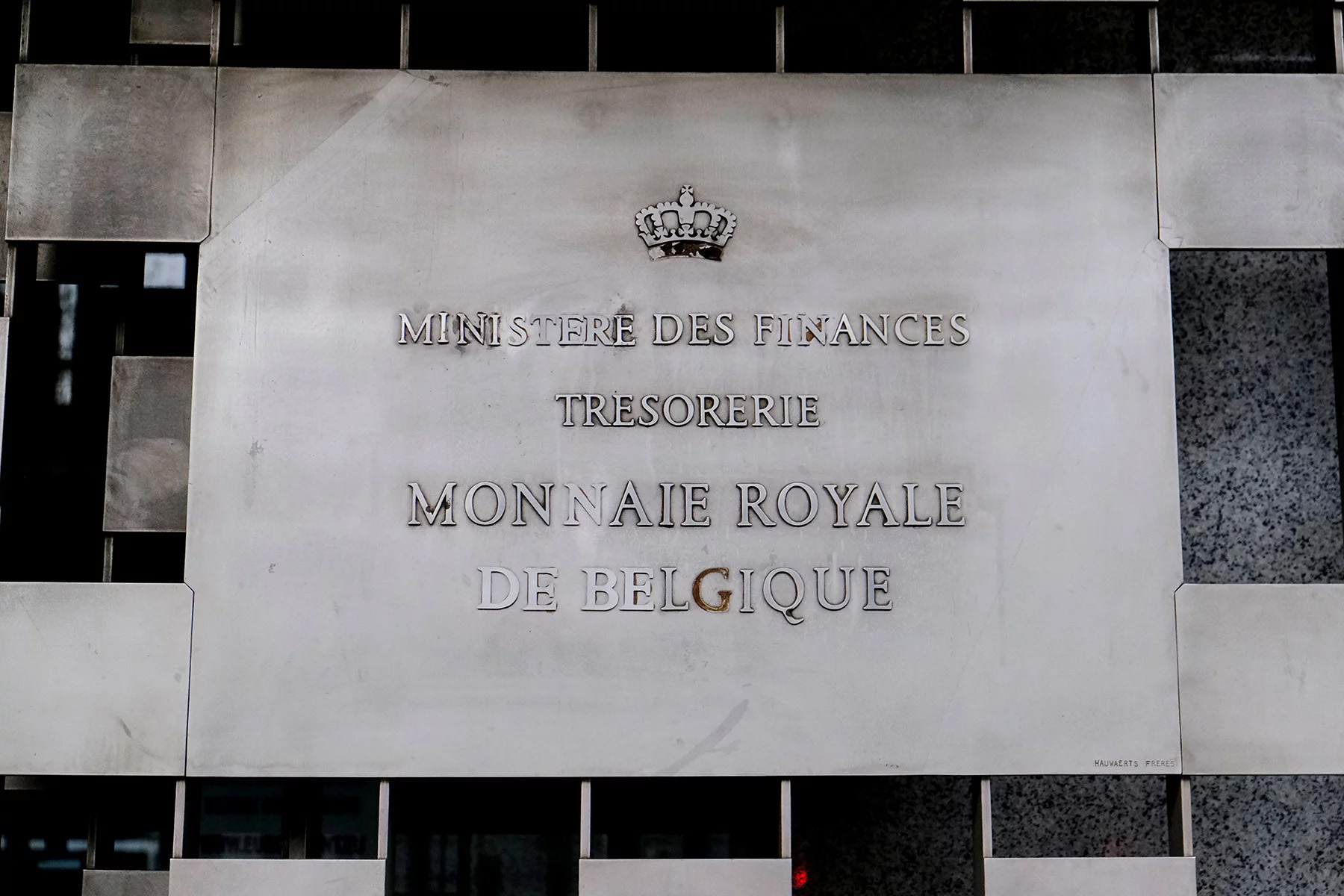
Tax rates: how much tax will I pay in Belgium in 2026?
The Belgian government sets income tax rates on an annual basis. These are usually 25%, 40%, 45%, and 50%.
Income tax brackets for 2026
The tax brackets for income earned in 2025 to be filed in 2026 are as follows:
| Belgian income tax brackets* | Belgian tax rate |
| Up to €16,320 | 25% |
| €16,321–€28,800 | 40% |
| €28,801–€49,840 | 45% |
| €49,841+ | 50% |
These rates apply to earnings within each bracket. So if you earned €30,000 in 2025, you’ll pay 25% on the amount up to €16,320, 40% on the amount between €16,321 and €28,800, and 45% on the remainder.
In practice, the personal tax allowance of €10,910 is more of a discount than an allowance. Once you’ve worked out your tax bill using the formula above, you can deduct 25% of €10,910 from the total amount you owe, meaning a discount of €2,727.50 on your overall bill. You can find a full example on the government website.
The Belgian government also provides a tax calculator (available in Dutch, French, and German) where you can estimate the amount of personal income tax you’ll pay each year.
Who pays income tax in Belgium?
Whether you pay income tax in Belgium depends on whether you are a resident or non-resident for tax purposes.
Tax residents in Belgium are those who have the country as their primary home. You’re a tax resident if you’ve registered in your local commune and spent 183 days in Belgium in a given tax year. However, you’re also considered a tax resident if you don’t live in Belgium, but most of your economic activity is centered there.

If you’ve moved to Belgium and the authorities consider your primary home and income to be based in the country, they will consider you a tax resident. This means you’ll need to pay income tax in Belgium on your worldwide earnings.
Non-residents only need to pay income tax on their Belgian earnings.
Who needs to file a tax return in Belgium?
All workers in Belgium must file an income tax return each year. The income year runs from 1 January to 31 December, and you file your tax on that income the following summer.
The income tax return shows employment income, any additional income, deductions, credits, and other considerations.
Wise Account
Moving to Belgium as an expat often involves managing finances across multiple countries, possibly leading to costly bank fees and complex tax reporting. Wise accounts support 40+ currencies with mid-market exchange rates and transparent fees, helping you save on international transfers. Whether receiving foreign income or paying expenses abroad, Wise helps you manage finances efficiently while maintaining better tax compliance records.
Foreigners’ income tax and the special tax regime
International residents in Belgium follow the same rules as citizens – they must file an income tax return each year and pay tax on their worldwide earnings. The country has many double taxation agreements with other nations, meaning you avoid paying tax twice on the same income.
Since 2022, temporary foreign workers have been able to benefit from a taxation scheme known as the “special tax regime for foreign executives and specialists.” This regime aims to attract workers with specific expertise and allows certain employees to benefit from a more favorable tax framework. The advantages include:
- Tax-free allowances for living and moving to Belgium
- Exemption of income from days worked outside Belgium

You must meet many conditions to take advantage of this tax regime, including:
- You must be a non-Belgian national who has not lived in Belgium in the last 60 months. Your previous residence must be over 150 kilometers from the Belgian border.
- You must have skills that are difficult to find on the Belgian labor market.
- You must be hired by a Belgian company or a Belgian part of an international company.
- Your personal and economic interests must remain outside of Belgium.
- Your gross annual taxable income must be over a minimum of €75,000 unless you are hired as a researcher.
This tax regime is initially limited to five years, although it can be extended for another three years.

When managing your worldwide income for Belgian tax purposes, you’ll often need to convert foreign currencies to euros. Using Wise could save you money on these currency conversions. Wise uses the mid-market exchange rate and charges a small, transparent fee, which could help you accurately report your global income while minimizing conversion costs. This could be particularly useful for those under the special tax regime who must report income earned outside Belgium.
Who is exempt from Belgian income tax?
There is a selection of workers who are not required to pay income tax in Belgium. These include:
- European civil servants – salaries from European institutions are exempt from income tax, but these workers must still complete the tax return if live in Belgium.
- National seconded experts – EU officials must return their tax forms to the tax office with a document from the European Commission. They pay taxes in their home country.
- Trainees at European institutions – As they are not covered by any European protocols, they must complete and return a tax form and pay tax.
How and when do you file a tax return in Belgium?
The Belgian tax year runs from 1 January until 31 December, and you file tax on the income earned in that year the following summer. In 2026, you can begin filing your taxes at the end of April.
The deadline for paper returns is usually at the end of June, while online returns fall in July. Meanwhile, those with ‘specific income,’ including self-employed people and those with foreign income, have until October. The deadline changes each year, so keep an eye on FPS Finance.
How to register for tax in Belgium
If you are an employee in Belgium, your employer will enroll you in the tax system.
However, if you are self-employed, you must register with the Belgian Crossroads Bank for Enterprises (CBE) for taxes, including VAT. You can do so via the Dutch: ondernemingsloket, French: guichet d’entreprise, and you’ll receive a unique tax identification number.

If you’re an international resident setting up your financial life in Belgium, having local account details can simplify tax-related transactions. A Wise Account provides you with Euro account details, allowing you to receive payments and manage your finances locally even before you’ve completed setting up a your Belgian bank account.
Which forms do I need to fill out?
You can either fill out a paper return or online using Tax-on-web (MyMinfin), the tax authority’s online platform for tax returns. When filing online, much of the form is prefilled with your information. It’s also possible to submit your tax return through an accountant or with help from FPS Finance (usually until mid-June).
Some taxpayers receive a simplified return if their situation has remained the same. This is generally the case if they have paid employment, a pension, or benefits and no other income. If you receive this proposed simplified return and the information is correct, you do not need to take any action. However, if you need to complete or correct some details, you can do this on paper or via MinFin, and the above deadlines apply.

Otherwise, there are two main forms for tax filing: part 1 and part 2. You can find explanatory and preparatory documents in Dutch, French, and German on the FPS Finance website.
Part one varies based on where you live in Belgium and details the following information:
- Your personal information, including your bank account number and family situation
- Income from real estate
- Benefits
- Pensions
- Investment income
- Loans and interest
- Expenditures entitled to tax reductions
Part 2 of the form is for people with more complex tax considerations, such as self-employed people, freelancers, and company directors.
Deductibles and tax relief
In addition to the standard allowance and allowances for temporary foreign workers, there are several other cases in which employees can access tax deductions. These apply to:
- Compulsory social security contributions
- Business expenses and work-related costs, up to a maximum of 30% of gross income, capped at €5,930 in 2026.
- Up to 80% of alimony payments
- Pension savings
- Donations to approved charities
- Life insurance premiums
These deductions help to reduce taxable income, potentially lowering your overall tax bill. You should mention these in your tax forms.
Furthermore, you’ll enjoy a greater personal allowance if you have children. For income in 2024 (filing 2025), these are as follows:
| Number of children | Additional personal allowance |
| 1 | €1,980 |
| 2 | €5,110 |
| 3 | €11,440 |
| 4 | €18,510 |
| Each additional child | €1,980 |
These exemptions accumulate, meaning that if you have four children, your total tax-free allowance will be €29,420.
Disabled children and other dependents count as two children when calculating exemptions.
How do I pay my Belgian income tax?
If you work for an employer, they will deduct tax from your salary (known as withholding tax – Dutch: bedrijfsvoorheffing, French: précompte professionnel).
You’ll receive a tax assessment notice (Dutch: aanslagbiljet, French: avertissement-extrait de role) by the end of June of the following year. This tells you how much tax you must pay, when it’s due, or whether you will receive a refund.
You have two payment options – online with MyMinfin or by bank transfer. If you no longer live in Belgium, you can pay by SEPA bank transfer.
If you’re paying your Belgian taxes from abroad, you can consider using Wise for your international transfer. Wise uses the mid-market exchange rate with a small, transparent fee. This could save you money when transferring funds to Belgium for tax payments, especially for larger amounts.
Wise has automatic fee discounts for transfers large than 20k GBP (or equivalent in another currency), allowing you to save money on transfer costs. Wise transfers typically arrive quickly and often instantly, helping you meet tax payment deadlines without stress.
Income tax refunds
When you receive your tax assessment notice, it will tell you whether you’re owed a refund from the Belgian government. FPS Finance will send you your refund by the end of the second month after the tax assessment notice arrives.
It’s essential to provide FPS Finance with the correct bank account number so they can send you your money – if you do not have a Belgian bank account, contact them as soon as possible to provide your foreign bank account details.
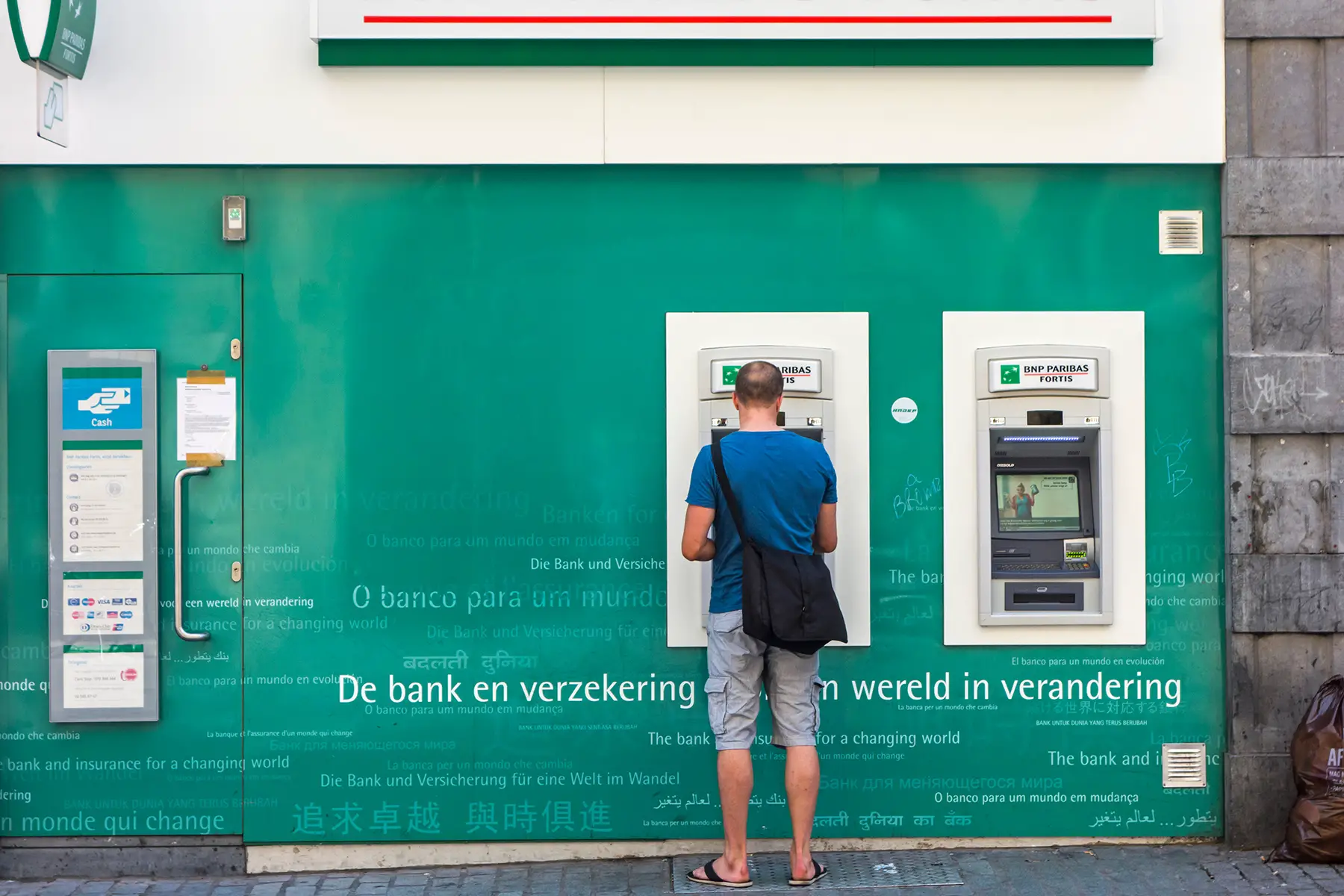
FPS Finance pays tax refunds via bank transfer or postal money order (if they do not have your bank account details). Some online services, such as Taxback, specialize in helping internationals claim their tax refund.

If you don’t have a Belgian bank account or prefer to receive your tax refund in your home currency, a Wise Account could be a practical solution. With a Wise Account, you can get euro accounts details to receive your refund conveniently, then convert it to your preferred currency at the mid-market exchange rate with a small, transparent fee. This usually costs less than receiving an international transfer directly to a bank account in your home country. You can then withdraw the funds to your local bank account or spend it directly with the Wise card.
What happens if I don’t pay my income tax on time?
If you file your income tax return late, you may receive a fine, or the amount of tax you’re liable for may increase. The amount of the fine depends on how much tax you owe, and you’ll also incur late payment interest (in Dutch) of 4%.
The Belgian tax authority may also initiate the ex-officio assessment procedure (Dutch: aanslag van ambtswege, French: taxation d’office – page available in French and Dutch).
Those with problems paying may be able to request a staggered payment plan from FPS Finance. Contact them as soon as possible if you suspect you cannot fulfill your payments.
Income tax advice in Belgium
Many internationals find it helpful to enlist the help of a professional when filing their income taxes. If you have a complex tax situation, getting expert advice is a good idea.
You can find accountants in our online Business Directory or via the Institute for Tax Advisors and Accountants.
Useful resources
- Expatica Business Directory – find an accountant
- FPS Finance – information on finance for private individuals, including personal income tax
- PwC – details on taxes on personal income in Belgium



Did you find this guide helpful?