
'%20id='ico-down'%20stroke='%23000000'%20stroke-width='1.5'%3e%3cg%20transform='translate(1092.250000,%20254.750000)'%3e%3cpolyline%20id='Path-2-Copy-4'%20transform='translate(5.500000,%202.750000)%20scale(1,%20-1)%20rotate(-180.000000)%20translate(-5.500000,%20-2.750000)%20'%20points='0%200%205.5%205.5%2011%200'%3e%3c/polyline%3e%3c/g%3e%3c/g%3e%3c/g%3e%3c/svg%3e)


Healthcare
Healthcare Services
Accessing mental health services and therapy in the UK
Learn how to access mental health services in the UK, including the difference between public and private, emergency help, and more.


In the UK, the NHS offers free mental health support ranging from therapy to psychiatric care. However, waiting times can be extremely long and access varies by region. Many residents turn to private and charities and helplines add another layer of support, helping bridge gaps in care across England, Scotland, Wales, and Northern Ireland. Ultimately, mental health services are high quality but also in high demand in the UK, so they take time and effort to access.
Keep reading for more information on the following topics:
Cigna Global
Enjoy peace of mind while living in the UK with Cigna Global’s long-term international health insurance plans (12+ months). Get tailored coverage, direct billing with many providers, complex case management, and global care on demand, with access to a network of 1.5+ million doctors, specialists, and therapists.

How good is mental healthcare in the UK?
Mental health is taken seriously in the UK, but limited resources and long waiting lists often stand in the way of access, even though public awareness has grown in recent years. UK charity The Mental Health Foundation notes that stigma and discrimination also remain widespread, which can discourage people from seeking help, especially in certain parts of the UK.

In 2025, mental health issues for Brits are strongly linked with social isolation, poverty, and unemployment. And while more people are being treated than ever before, the Royal College of Psychiatrists says that wait times are over 12 weeks for nearly 25% of patients. This causes patients to seek help from emergency services and puts a strain on emergency rooms around the UK.
Mental healthcare services in the UK
Mental health services in the UK are primarily delivered through the National Health Service (NHS), and these are free for residents. Services are available across England, Scotland, Wales, and Northern Ireland, although how they are delivered can vary slightly due to devolved healthcare systems.
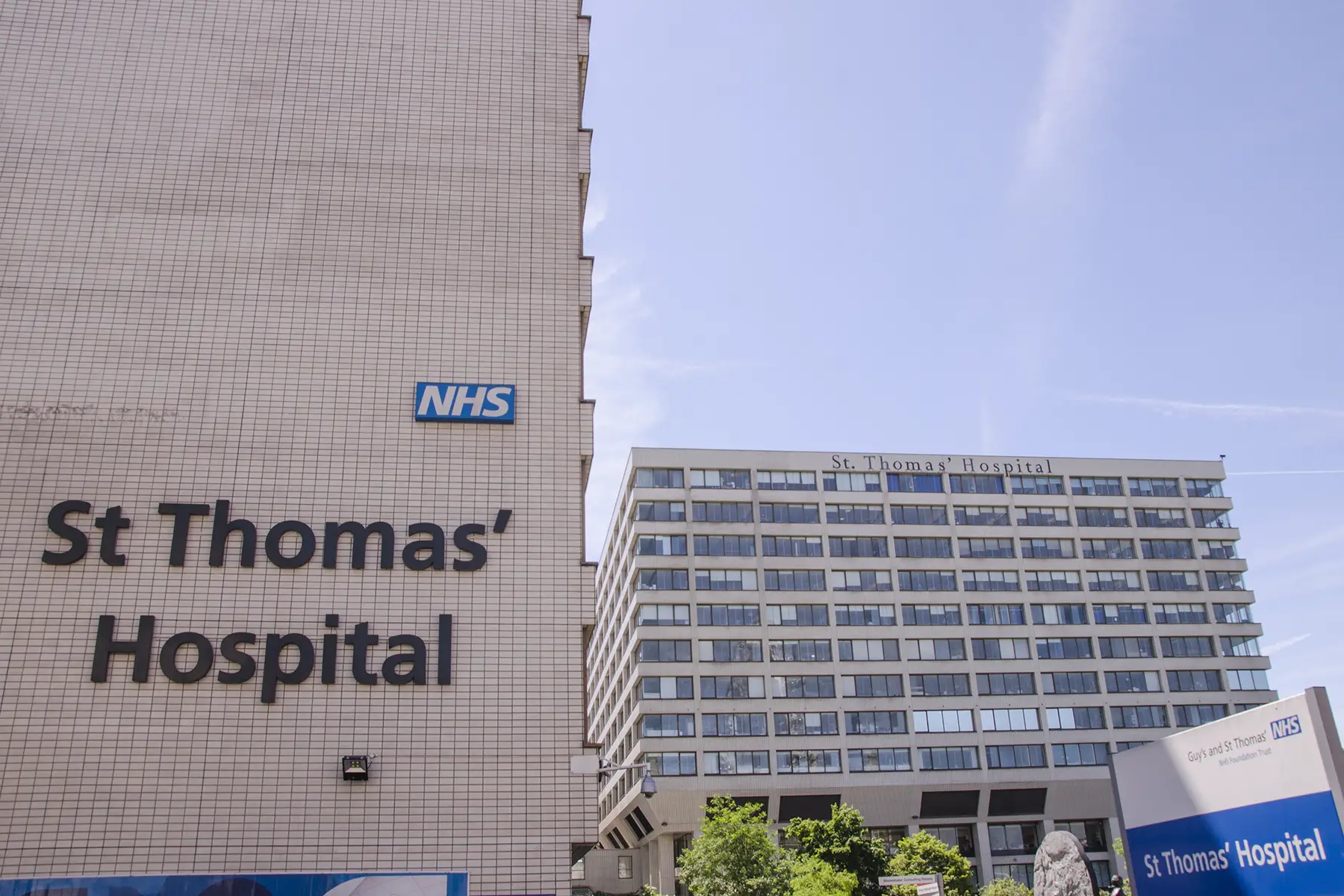
You can typically access mental health support through a referral from your General Practitioner (GP), who acts as the first point of contact. For some services, such as therapy for anxiety and depression, you may be able to self-refer directly through NHS Talking Therapies (previously known as IAPT) in England, or local equivalents in Scotland, Wales, and Northern Ireland.
The NHS also partners with charities, local authorities, and community organizations. Key resources include:
- NHS guide to mental health services
- Mind – a UK charity offering advice and local support information
How to access mental health services in the UK
Expats and temporary residents can register for healthcare from the NHS. This includes mental health services. You can find more information about how to register with a GP at a doctor’s surgery on the NHS website.

Since 2015, those coming to the UK from outside the EU/EEA/Switzerland for more than six months have to pay a health surcharge. If you are a third-country national who has paid the surcharge, you can access NHS services on the same basis as everyone else. However, if you haven’t paid and don’t have any medical insurance, then you’ll be charged at 150% of the standard NHS tariff for any care you receive.

Nationals from outside the EU/EEA/Switzerland can access the NHS for free on the same basis as British citizens if they have settled in the UK and been given indefinite leave to remain. Other non-EU/EFTA nationals can access services such as emergency treatment and family planning services free of charge. However, they will need to take out health insurance to access other services.
Notably, people visiting the UK from a European Economic Area (EEA) country or Switzerland currently get free NHS care by using their European Health Insurance Card (EHIC).
NHS services
Your GP will refer you to a psychologist, psychiatrist, or another specialist if necessary. However, you can self-refer for some treatments with psychologists and other therapists including:
- Drug and alcohol addictions
- Psychological therapies for anxiety and depression
- Agoraphobia
- Obsessive-compulsive disorder (OCD) and post-traumatic stress disorder (PTSD)
You can find NHS psychological therapies available without a GP referral on the NHS website. Just bear in mind that while you can contact therapists directly to seek help, you will first need to register with a GP.
Private services
Although the full range of mental healthcare services is free on the NHS, waiting lists for treatment can be lengthy. However, you can avoid queues by going to private providers.
Medical insurance comparison site Healthcare Clarity says that many providers cover the cost of mental health services. Some include it as standard but most add it at an extra cost. And for greater protection, you will need to pay more as some specialist mental health services are expensive. Premiums will vary depending on age, location, and lifestyle as well as pre-existing diagnoses for mental health problems.
Some of the leading international health insurance providers in the UK include:
It is possible to get cover for:
- Private psychologists, counsellors, and psychiatrists
- Mental health assessments
- Access to 24-hour support
- Tailored treatment plans
- Rehabilitation services, such as counseling and cognitive behavioral therapy

You will need a GP referral to access some specialist mental health services in the UK. And a mental health assessment may be necessary to direct you to the most appropriate professional help.
It is worth noting that while psychologists and other NHS therapists are able to use techniques to help with some of these issues, they are not able to prescribe drugs.
Patients have the right to choose their provider and clinical team and can compare mental health service providers using the services near you search tool. You simply need to enter the name of the mental health service or the service provider and your post code. According to the NHS, it shouldn’t take longer than 18 weeks to receive consultant-led mental health services.
How to find psychiatric services and therapy
Mind has an excellent independent guide to finding therapists in the NHS, through charities and support groups, and in private practice. The guide includes links to organizations outside the NHS that provide free or low-cost talking therapies. However, it warns that you might face a long waiting list for NHS treatment.

Private therapists are available, but Mind suggests using only those who are registered with a professional body such as:
- Counselling Directory – for all kinds of counsellors and therapists
- British Association for Counselling and Psychotherapy (BACP) – for all kinds of counsellors and therapists
- British Association for Behavioural & Cognitive Psychotherapies (BABCP) – for cognitive behavioral therapy (CBT) practitioners
- UK Council for Psychotherapy (UKCP) – for psychotherapists
- British Psychological Society (BPS) – for local therapists
- Pink therapy – for therapists with LGBTQIA+ experience
Addiction services in the UK
Support for addiction is widely available across the UK through the NHS, charities, and community-based organizations. This includes help for alcohol and drug misuse as well as behavioral addictions, such as gambling or compulsive internet use.
Your GP is often the best starting point, and they can refer you to appropriate local services. In many areas, you can also self-refer to NHS or charity-run support programs.
Treatment options vary depending on individual needs and may include one-on-one counselling, group therapy, or more intensive support such as inpatient or residential rehabilitation.
Helpful resources include:
- Frank – information and a directory of local addiction services
- Rehab Online – helps you find residential rehab services
- NHS – Addiction support – overview of NHS treatment and helplines
- We Are With You – UK-wide support for people dealing with addiction, including older adults
There are also many peer-led and family-focused organizations offering guidance and emotional support, such as Alcoholics Anonymous, SMART Recovery, and Adfam.
You can also find alcohol support services in your area on the NHS website.

Services dealing with eating disorders in the UK
An estimated 1.25 million people in the UK are affected by eating disorders. While often associated with teenage girls, these conditions can affect people of all ages, genders, and backgrounds.
The NHS provides treatment for all types of eating disorders, including anorexia, bulimia, and binge eating disorder. Access typically begins with a GP referral to a local NHS eating disorder service. Support may include individual or group therapy, nutritional guidance, and coordinated care with specialist teams.
Waiting times can vary significantly depending on location and urgency. The NHS aims to begin treatment for young people within one to four weeks, but demand often exceeds capacity.
Key support organizations include:
- BEAT – UK’s national eating disorder charity offering helplines and online support
- Adult Helpline: 0808 801 0677
- Youth Helpline: 0808 801 0711
- First Steps ED – peer support and resources for individuals and families
- National Centre for Eating Disorders – information and professional training resources
Private treatment options are also available for those seeking faster access or additional support.
Support for children and young people in the UK
According to the Local Government Association (LGA), at least 1 in 6 children and young people in the UK had a diagnosable mental health condition in January 2022. Furthermore, more than 4,000 children were admitted to inpatient mental health care in 2019–2020. Emotional disorders, particularly anxiety, and depression increased during the COVID-19 lockdowns and movement restrictions. The LGA also identifies online bullying as another strain on the emotional health of young people.

The NHS has established pathways to treatment for children with mental health problems. This includes providing general advice to parents about spotting signs, support organizations, and how to seek professional help.
The Anna Freud National Centre for Children and Families website has information and a video about how young people receive support from mental health services. The Royal College of Psychiatrists website also provides material about who’s who in CAMHS, and offers information for parents and young people.
Mental healthcare services for special groups in the UK
According to the Mental Health Foundation, 1 in 5 UK women has a common mental health problem such as anxiety, depression, or self-harm. The issue is recognized by the UK government. In 2018, a major government task force report made a list of recommendations to improve mental healthcare for women.
Problems impacting the mental health of women include domestic and sexual violence, stress from being a carer, menopause, perinatal depression, and pressures around body image. As a result, there are some services aimed specifically at women. GPs can refer patients to specialized services and support groups such as the PANDAS Foundation.
There is also a specific provision for lesbian, gay, bisexual, trans, and queer people. The mental health service MindOut works to improve the mental health of all LGBTQIA+ communities and has a nationwide online service. Mind also has guidance for LGBTQIA+ and people struggling with their mental health and links to organizations that can help.
There are also support groups for people with disabilities who are struggling with their mental health. Supportline provides links to numerous organizations.
Emergency support and crisis lines in the UK
If you or someone you know requires urgent assistance, the NHS provides details of what to do in a crisis. You can also find localized assistance on its website.

If someone’s life is in immediate danger, you should call 999 to connect to police and ambulance services. Alternatively, you can go straight to the nearest Accident and Emergency (A&E) department at a hospital. These departments will treat any physical symptoms and will alert mental health teams.
UK-based mental health helplines
Mind provides a full guide to helplines and services that provide support to those in need. Here are some other helplines:
Mental health chat lines for adults in the UK
- My Black Dog – An anonymous, text-based chat line for non-crisis support that connects people with volunteers who have lived through their own mental health challenges
- Samaritans – To talk about anything that is upsetting you, you can contact Samaritans 24 hours a day, 365 days a year
- SANEline – If you’re experiencing a mental health problem or supporting someone else, you can call SANEline on 0300 304 7000 (16:30–22.30 every day).
- National Suicide Prevention Helpline UK – Offers a supportive listening service to anyone with thoughts of suicide. You can call the National Suicide Prevention Helpline UK on 0800 689 5652 (open 24/7).
- Campaign Against Living Miserably (CALM) – They offer a helpline, live chat, and WhatsApp from 17:00 to midnight everyday
- Helplines Partnership – For more options, visit the Helplines Partnership website for a directory of UK helplines.
Mind’s Infoline can also help you find services that can support you.
Age-specific helplines in the UK
- The Mix – If you’re under 25, you can use their crisis text messenger service
- Papyrus HOPELINEUK – If you’re under 35 and struggling with suicidal feelings, or concerned about a young person who might be struggling, you can call Papyrus HOPELINEUK
- Nightline – If you’re a student, you can look on the Nightline website to see if your university or college offers a night-time listening service
LGBTQIA+ helplines in the UK
- Switchboard – If you identify as gay, lesbian, bisexual, or transgender, you can call, text, or email Switchboard
Useful resources
- NHS UK – offers information on where to get urgent help for mental health
- NHS UK – provides information and support for your mental health
- Samaritans – the official website with hotline information
- Mind – information on crisis services and planning for a crisis
- 988 Suicide and Crisis Lifeline – provides 24/7, free, and confidential support for people in distress, prevention, and crisis resources


Did you find this guide helpful?