
'%20id='ico-down'%20stroke='%23000000'%20stroke-width='1.5'%3e%3cg%20transform='translate(1092.250000,%20254.750000)'%3e%3cpolyline%20id='Path-2-Copy-4'%20transform='translate(5.500000,%202.750000)%20scale(1,%20-1)%20rotate(-180.000000)%20translate(-5.500000,%20-2.750000)%20'%20points='0%200%205.5%205.5%2011%200'%3e%3c/polyline%3e%3c/g%3e%3c/g%3e%3c/g%3e%3c/svg%3e)


House + Home
Utilities + Telecom
Setting up internet, TV, and home phone in Thailand
You can probably live without a landline, but TV and the internet feel more like a primary need these days; here’s how to set yours up in Thailand.


Getting your home connected is one of the key things to do when you get your first apartment in Thailand (ประเทศไทย), right up there with sorting out your utilities. However, you’ll need to do your research. Who are the main providers? How do you set up an account? How long does everything take?
To make a more informed decision, this article lists plenty of details about TV, landline, and internet (ทีวี โทรศัพท์บ้าน และอินเทอร์เน็ต) in Thailand. Sections include:
Television, phone, and internet in Thailand
Thailand has an advanced telecommunications network, especially in big cities, so you shouldn’t have too much trouble setting up your internet, phone, and TV. Around 85% of people have access to the internet, which is above both global and regional averages (2021).
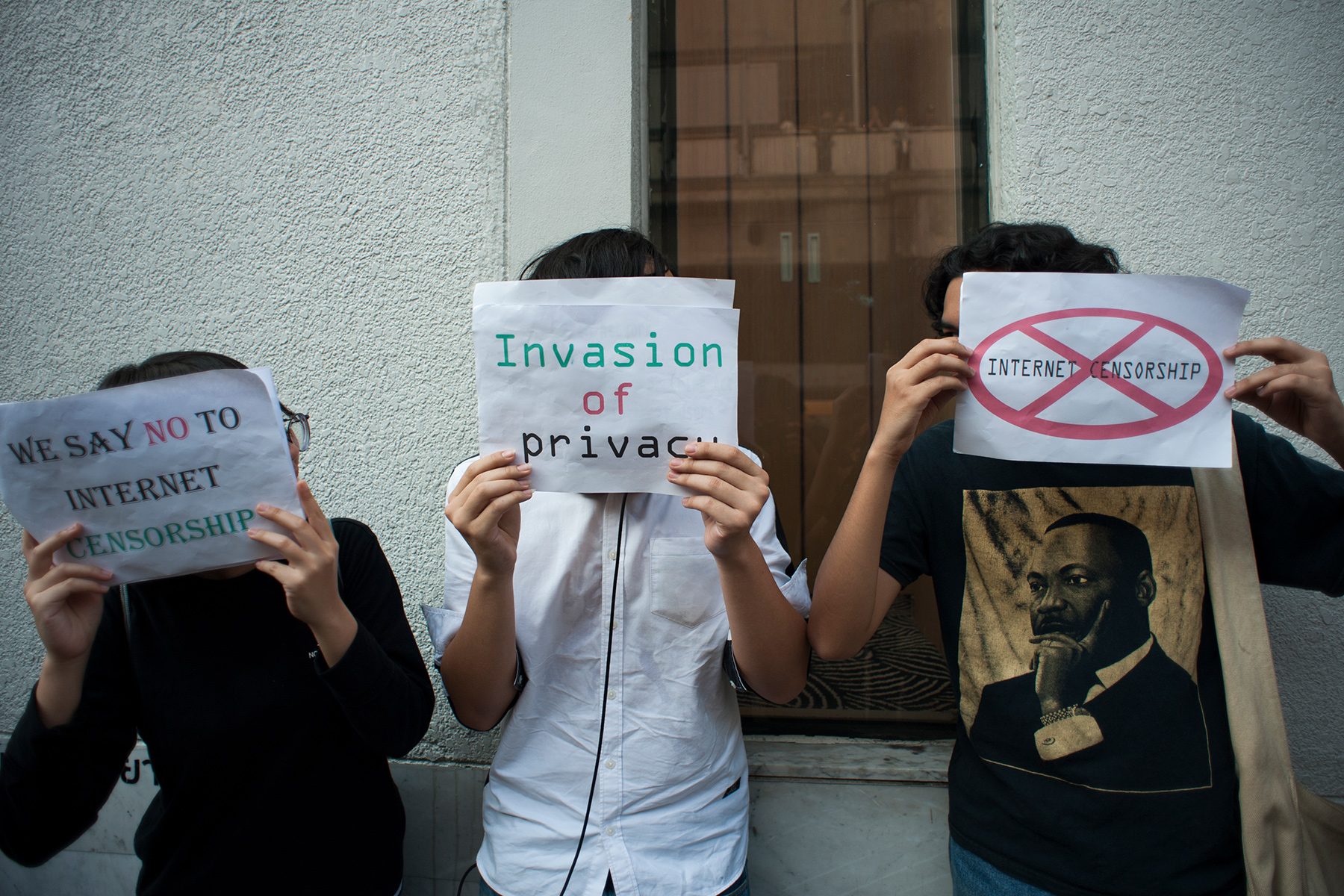
However, the country does have some issues regarding access and privacy. Thailand scores a poor 39 out of 100 on the 2022 Freedom of the Net report due to excessive government control, censorship of content, and evidence of serious violations of user rights.
If you’re coming from a country with good internet freedom, you should be aware of these restrictions that could be considered an abuse of basic human rights.
The National Broadcasting and Telecommunications Commission (NBTC – คณะกรรมการกิจการกระจายเสียง กิจการโทรทัศน์ และกิจการโทรคมนาคมแห่งชาติ) is the regulatory body that oversees telecom providers in Thailand.
You’ll find companies offering separate deals on landlines (โทรศัพท์บ้าน), home broadband (บรอดแบนด์ภายในบ้าน), satellite or cable TV (โทรทัศน์ผ่านดาวเทียมหรือเคเบิล), and mobile internet (อินเทอร์เน็ตบนมือถือ). However, if you prefer, many also provide combined package plans. This means that you can shop around to find the deal that suits you best.
How can you watch television in Thailand?
All you need to do to watch TV in Thailand is to connect a television set. You will need a standard TV antenna, which you can buy from a main street store or online from somewhere such as Ubuy (ยูบาย).
If you’re using an old analog TV set, it must be a PAL-B standard, which is different from those used in parts of Europe, the US, and Japan (which are PAL-I, NTSC, or SECAM). However, if it is a newer TV, it is likely to be multi-system.
Once you have connected your analog TV, you can watch Thailand’s six state-owned terrestrial TV stations. The country also launched its digital TV service in 2014 and hasn’t yet switched off its analog broadcast.
Altogether, there are around 25 digital channels, depending on your region. Satellite and cable TV are also available – Truevisions (ทรูวิชั่นส์) is Thailand’s largest provider. You need a digital TV set, a receiver connected to an analog set, or a cable/satellite service for digital and foreign TV channels.
Many people in Thailand use online streaming services such as Netflix, Amazon Prime, and Disney+ Hotstar. They also watch international streaming services through smart TVs and mobile devices.
Do many people still use landline phones in Thailand?
Landline phones (โทรศัพท์บ้าน) aren’t very popular in Thailand. According to the most recent data (2021), only around 6% of the population has a fixed phone line subscription. This is just below the regional average (13%) and well below the European Union (EU) average (36%). Mobile phones and Wi-Fi are more popular.
However, you can install or activate a landline in your Thai home if you want to use it for phone calls or dial-up/ADSL broadband internet (อินเทอร์เน็ตบรอดแบนด์ผ่านสายโทรศัพท์/ADSL). There are two main landline providers in Thailand:
- National Telecom (NT – formerly TOT): The state-owned provider
- True: A private TV and internet provider that now also deals in landlines

You should contact the provider you wish to use to set up a landline in Thailand. Both companies have a network that covers most of the country, including all the major cities.
Bear in mind that rural areas might not have a connection. The easiest way to arrange your landline is to visit a main street outlet if you have one nearby. Otherwise, call the company or organize the connection via their website.
You will need to have the following to hand:
- Passport and valid visa
- Proof of address
- Letter from your landlord and their house registration document if you rent your home
If you already have a landline installed, staff may be able to walk you through the activation process. Otherwise, a technician will need to visit your home, which can sometimes take a few weeks.
Both companies offer different packages, including internet plans and add-ons such as international call forwarding or caller ID. Prices start at around ฿100 a month.
How can you get a Thai mobile phone?
You can buy a mobile phone in Thailand from many main street stores, and just like anywhere else, smartphones (สมาร์ทโฟน) are popular. You can also find more basic mobile phone models in shops and market stalls.

Another option is to use your current phone and insert a Thai SIM card. The majority of people in Thailand use prepaid SIMs (ซิมแบบเติมเงิน SIM). Although mobile phone contracts and plans are less popular, they are widely available.
How do Thai dialing codes and phone numbers work?
Fixed line phone numbers
Landline numbers in Thailand consist of nine digits, including the area dialing code. You must type the dialing code even if calling a local number. Area codes (รหัสพื้นที่) are either two or three digits, and the rest of the phone number is six or seven digits long.
As with many countries, all regional area codes in Thailand begin with 0. If calling a Thai landline from overseas, you need to use the international prefix +66 and drop the first zero. For example, if a landline number is 02 5554466, you must call +662 5554466 from another country.

Area landline codes in Thailand include:
- Bangkok (กรุงเทพฯ): 02
- Chiang Mai (เชียงใหม่): 052 or 053
- Ko Samui (เกาะสมุย): 077
- Pattaya (พัทยา): 038
- Phuket (ภูเก็ต): 076
Mobile phone numbers
Thai mobile numbers usually begin with 06, 08, or 09, followed by a further eight digits. As with landline numbers, you must drop the first 0 and add +66 if calling from overseas.
Calling internationally
To call Thailand from abroad, use the international dialing code +66 and omit the first 0 from the listed number.
If you want to call overseas from a Thai landline or mobile phone, you must follow this pattern – type the dialing code and drop the first zero. If the phone number doesn’t begin with 0, dial the international code and the full number. For example, if you want to call the US number 202 7776688, simply dial +1202 7776688.
Emergency numbers
Emergency numbers in Thailand are typically three or four digits long. They begin with 1, and don’t have any area dialing code.

Depending on the type of emergency (ภาวะฉุกเฉิน), you can call:
- 191 – Police (ตำรวจ)
- 199 – Fire department (ดับเพลิง)
- 1155 – Tourist police (ตำรวจท่องเที่ยว)
- 1669 – Ambulance (รถพยาบาล)
- 199 – Fire (ไฟไหม้)

Local expert
Jane Evans
Insider tip
You can also call the hospital of your choice for an ambulance.
How do you access the internet in Thailand?
You can access the internet in Thailand in many ways, including installing a home connection, using a smartphone, or visiting one of the country’s many internet cafes (อินเทอร์เน็ตคาเฟ่).
Thailand is a very internet-capable nation, with high user penetration and the fourth-fastest average internet speed in the world at 205.63 Mbps (2022). If you move to Thailand and want to access the net regularly, you can choose from a number of providers and methods. Types of internet available include:
- Dial-up internet through a landline (old-fashioned and decreasing in popularity)
- ADSL/VDSL broadband
- DOCSIS cable broadband
- Wi-Fi wireless connection
- Fibre optic wireless
- Mobile internet for a smart device using 3G, 4G, or 5G
- Mobile internet using a pocket Wi-Fi device
- Satellite internet through Thaicom – particularly useful for remote areas
- Mobile internet using public Wi-Fi hotspots
- Internet cafes
There are several internet providers in Thailand. The biggest ones include the following, which offer websites in English:
- 3BB
- AIS
- TOT (the state-owned provider)
- True
- CAT Telecom
These companies offer different packages, including deals with all-in-one internet, TV, and mobile plans. True also provides landlines. Prices depend on your package and other factors, but you’ll typically pay between ฿300 to 1,200 a month.
Connecting to the internet
Connecting to the internet is usually fairly straightforward in Thailand. Once you have chosen your preferred provider, contact them online, by phone, or by visiting a main street store branch. You will need to provide details and documents, including:
- Passport or valid Thai visa
- Proof of address
- Bank account details for payment
- If renting, you will usually need a letter of permission from your landlord and property registration details if setting up home internet.
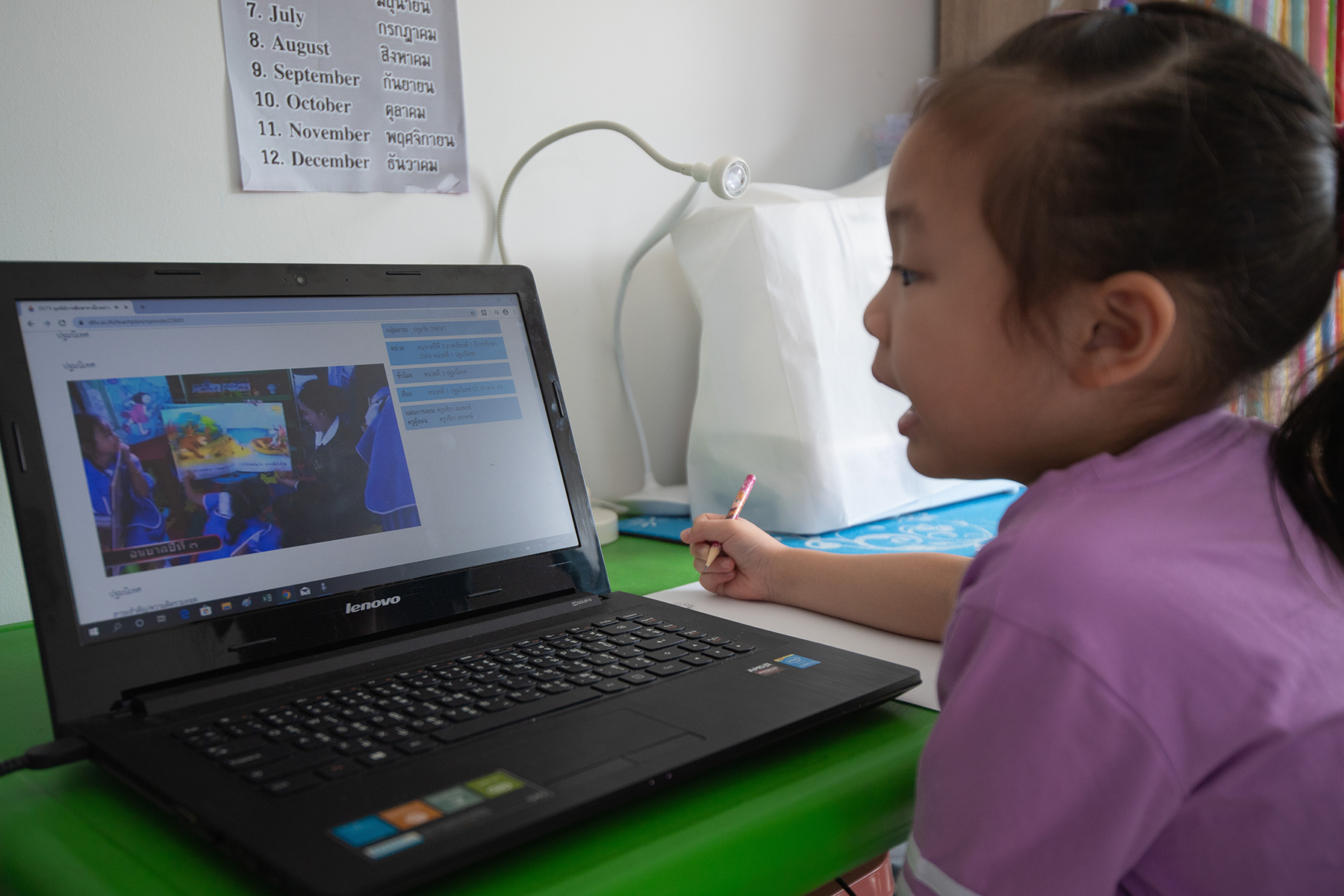
Installation usually takes just a few days. You will receive an information pack and necessary equipment, for example, a Wi-Fi router or modem (เราเตอร์ Wi-Fi หรือโมเด็ม), which you can set up yourself. If you have any problems, contact the company – they will usually send an engineer to fix the issue.
It’s worth remembering that standard internet contracts in Thailand are for 12 months, and you may need to pay an exit fee if you want to leave the contract early.
VPNs
A virtual private network (VPN – เครือข่ายส่วนตัวเสมือน) is a great idea when using the internet abroad. It keeps your data secure when using public Wi-Fi and allows you to access overseas content such as movies and websites. VPNs are very popular in Thailand, as they provide a degree of internet freedom in a country where government surveillance of online content is rife.
Popular VPNs in Thailand include:
How do you pay your telecommunication bills in Thailand?
Most telecom services in Thailand charge monthly. You typically have a range of options to pay bills, though these may vary depending on your provider. Check the bill payment section of your contract for details.
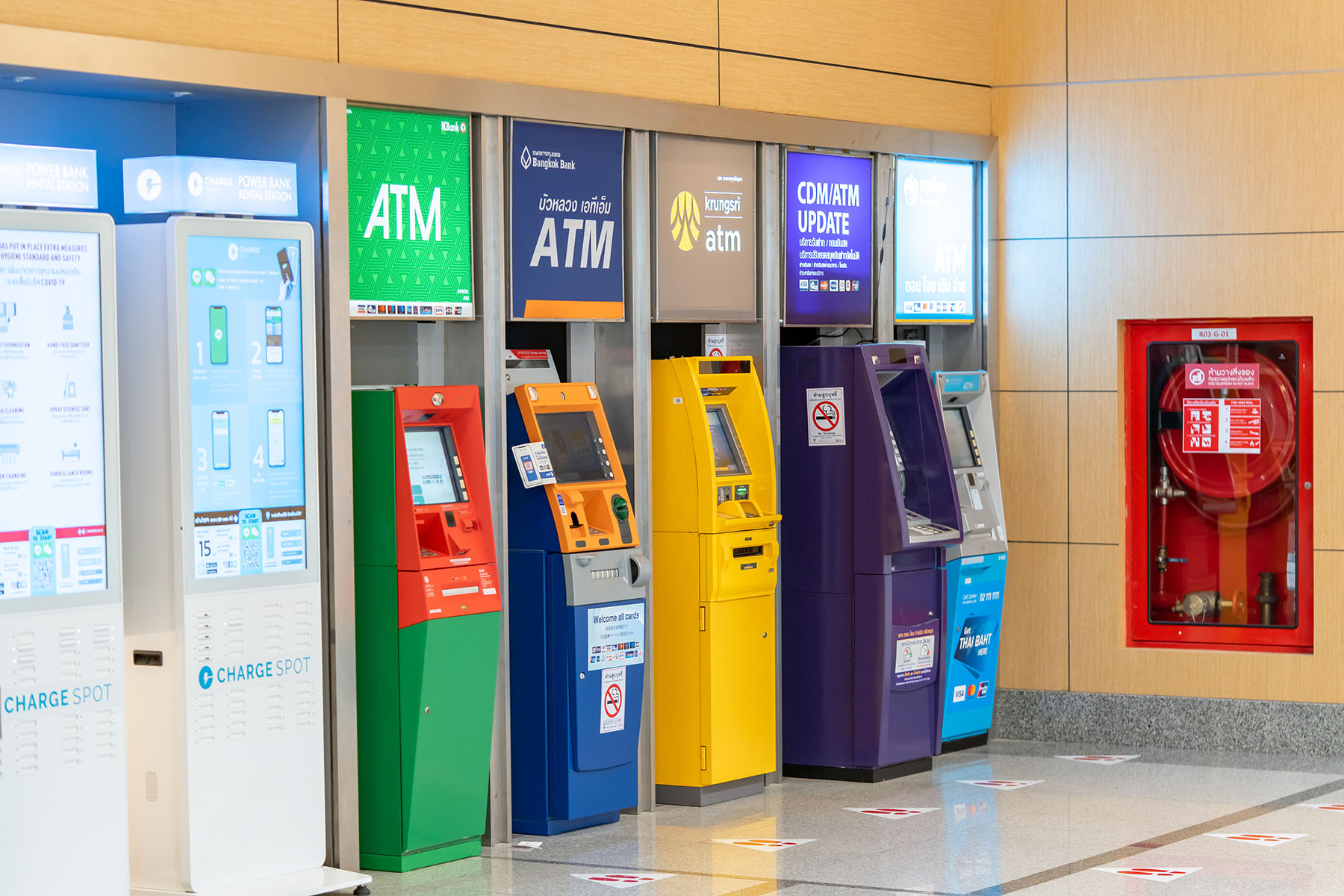
Common methods to pay for telecoms in Thailand include:
- At a main street telecom store
- Direct debit (การหักบัญชีอัตโนมัติ )
- Through your bank, either via mobile banking or a transfer at a bank branch or ATM (ตู้ ATM)
- At a 7–11 store
- Sending a check in the post
- At a local post office
It’s a good idea to make a note of the due date if you’re not using an automatic service such as direct debit. Companies have the right to withdraw their services if you don’t keep up with your regular payments.
Contact the company immediately if you run into problems with paying your bills. They may be able to offer an alternative, such as spreading the cost over a longer period or renegotiating your contract to a lower tariff.
Telecom repairs in Thailand
If you have an issue with TV, phone, or internet in Thailand, you should contact your service provider. They should be able to advise you on remedying the situation or send an engineer to your home. For serious electrical emergencies, call 1129.
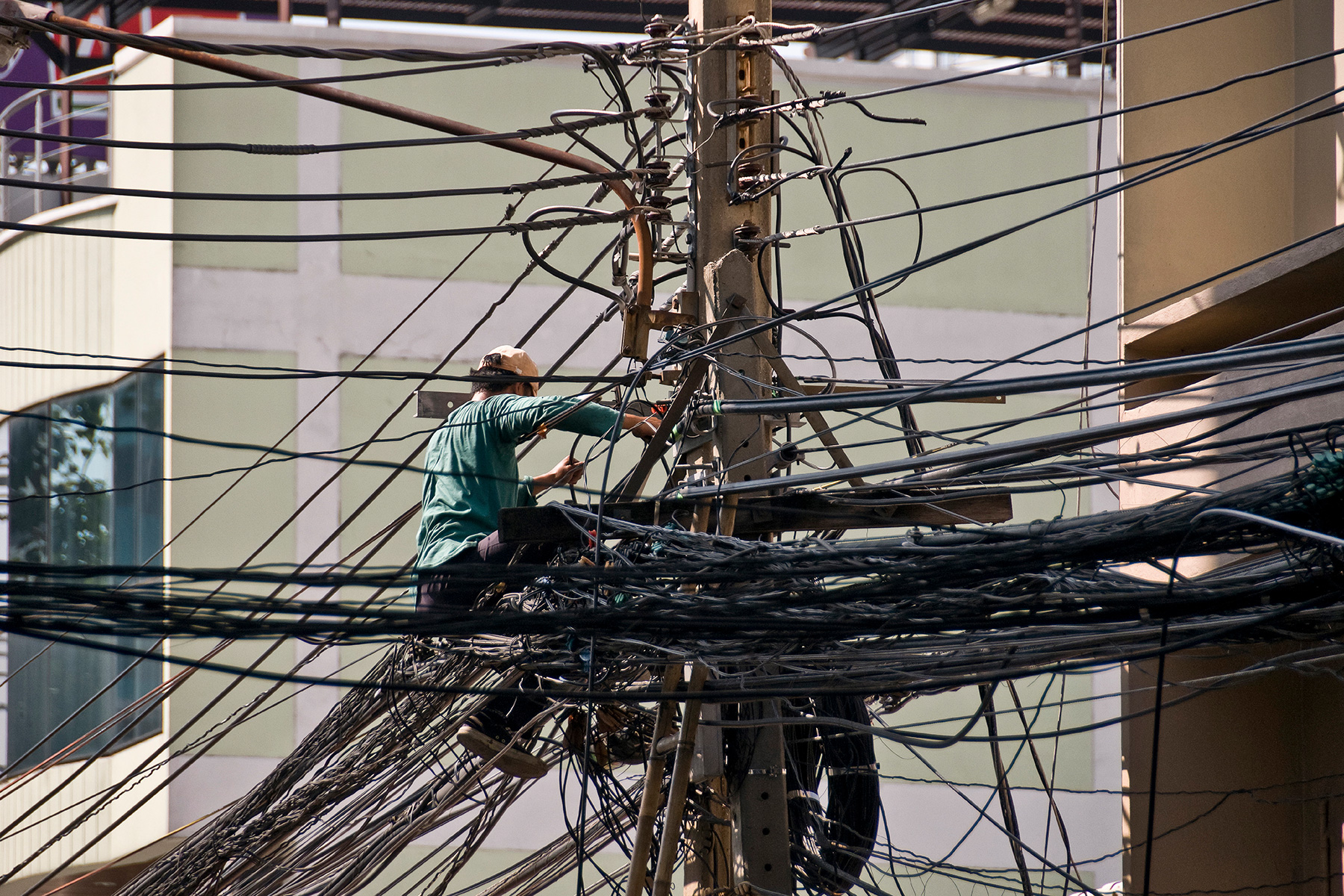
You can also search for engineers and repair technicians (วิศวกรและช่างซ่อม) using the Expatica Business Directory or Yellow Pages Thailand.
How do you complain about a telecom company in Thailand?
If you experience problems with any telecom provider in Thailand, you should first try to resolve the issue with the company by contacting its complaints department. This is often the quickest and easiest way to settle things.
If the outcome is unsatisfactory or if the company doesn’t reply to your complaint, you can take the matter to the NBTC, the government regulatory body for telecommunications in Thailand. The NBTC has an online complaint form and a complaints guidance booklet on its website (both links in Thai). You can also call the complaints number 1200, though you will need a good grasp of the Thai language.
As a last resort, you can pursue legal action against the company. However, you must pay lawyer fees and be prepared for a lengthy court case.
Alternative communication platforms
VoIP and instant messaging
There are several popular alternative communication services in Thailand that you can use instead of making traditional calls or sending texts. These are often free and easy to download onto your smartphone or other device. Some of the most common apps are:
Internet cafes
As a global tourist and backpacker hotspot, it’s no surprise that Thailand has plenty of internet cafes lining its streets. The number has started to decline in recent years due to the availability of Wi-Fi in public places, such as hotels, bars, restaurants, and other cafes. However, you can still find storefronts in the big cities filled with traditional desktop computers if you urgently need internet access.
Prices vary; some cafes charge by the minute and others for longer periods. The typical cost is around ฿1 per minute.
Public phones
Like many countries, Thailand has seen a dwindling number of the old coin-operated payphones (ตู้โทรศัพท์สาธารณะ). TOT (now National Telecom) has removed many of its public phones over the past few years, as they weren’t generating enough money and were vulnerable to vandalism.
However, there are a few left, and you can also find public phones in some foyers and reception areas of hotels and other public buildings. If you need to use a public phone in Thailand, expect to pay around ฿1 per minute for a standard-rate call.
Useful resources
- National Broadcasting and Telecommunications Commission (NBTC) – regulatory body for the telecommunications sector in Thailand (website in Thai)


Did you find this guide helpful?