
'%20id='ico-down'%20stroke='%23000000'%20stroke-width='1.5'%3e%3cg%20transform='translate(1092.250000,%20254.750000)'%3e%3cpolyline%20id='Path-2-Copy-4'%20transform='translate(5.500000,%202.750000)%20scale(1,%20-1)%20rotate(-180.000000)%20translate(-5.500000,%20-2.750000)%20'%20points='0%200%205.5%205.5%2011%200'%3e%3c/polyline%3e%3c/g%3e%3c/g%3e%3c/g%3e%3c/svg%3e)


Finance
Money Management
How to transfer money to and from the Netherlands
Need to send money to or from the Netherlands? Learn how to do it quickly and safely by traditional bank, online, or wire transfer.


Transferring money to and from the Netherlands is straightforward, thanks to the country’s advanced banking infrastructure and variety of digital options. Understanding the options available can save you time and money if you need to send funds internationally.
From traditional bank transfers and online banking to innovative mobile apps and international transfer services, there are many efficient and cost-effective methods for transferring money beyond Dutch borders.
This article covers the following:
Wise
Looking for an easy way to manage your money when moving to the Netherlands? Look no further than Wise. Alongside an easy-to-use international money transfer platform, the financial experts at Wise also offer a multi-currency account, letting you make and receive payment for transparent fees.

Transferring money in the Netherlands
From traditional bank transfers to innovative mobile apps, there are several efficient and cost-effective ways to send money beyond Dutch borders.
Generally, your options for sending money to and from the Netherlands are:
- Bank transfers
- Online money transfer services
- Wire transfer services
- Forex brokers
- Cryptocurrency

The cost and speed of making a transfer will depend on where you’re sending the money (within Europe or elsewhere in the world) and the type of service you use. Here’s a breakdown of the three most common international money transfer methods:
| Service | Ease of use | Cost | Speed | Summary |
| Bank transfer | Requires an account Done online, via app, or (with some banks) in person Money paid directly into recipient’s account | Higher fees and less competitive exchange rates | Slower transfers, especially if you’re sending money outside of the EU | Using your bank is the safest way to send money abroad, but it can cost more and take longer. |
| Online money transfer service | Requires an account Done online or via app Payments made by bank account, credit card or debit card Money paid directly into recipient’s account | Lower fees and more competitive exchange rates | Fast transfers | This is a cheap and quick way of sending money overseas. However, it may not be as secure as using your bank, and providers set maximum transfer limits. |
| Wire transfer service | Requires an account Done online, via app, or in person Payments by bank account, credit card or debit card Money paid directly into recipient’s account or collected in person | Varying fees and less competitive exchange rates | Fast transfers | This is a convenient way to quickly send money to someone overseas, especially if they don’t have a bank account. However, it comes with higher fees and you’ll need to be on your guard against scammers. |
SEPA and SWIFT payments
Banks and money transfer companies use a range of systems to send money internationally. Two of the most common schemes are the Single Euro Payments Area (SEPA) and the Society of Worldwide Interbank Financial Telecommunications (SWIFT):
- SEPA: this initiative enables banks and money transfer companies to send money to 36 Eurozone countries in their local currency. SEPA transfers are speedy and only require the recipient’s name and International Bank Account Number (IBAN).
- SWIFT: more commonly used for long-distance international transfers, SWIFT is available in over 200 countries. To make a SWIFT transfer, you’ll need to give your bank or provider the recipient’s Bank Identifier Code (BIC). Charges are usually higher, and the recipient’s bank may levy a fee to receive the money.
How to send money from the Netherlands using your bank
Using a traditional bank is a safe and secure way of ensuring your funds reach the intended recipient. However, bank payments can take longer and may be more expensive than other methods.
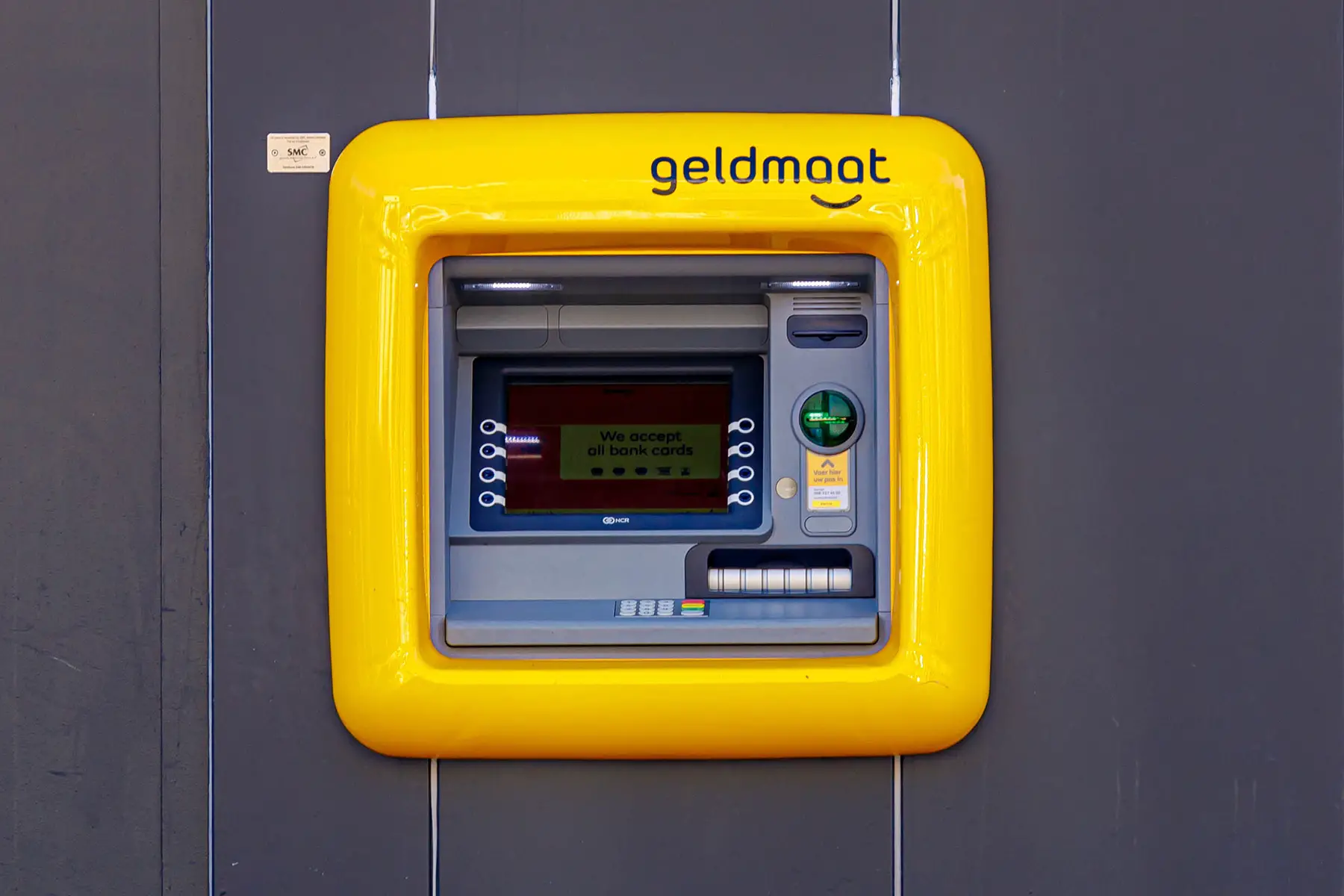
Most banks will require you to make your transfer online, either via the bank’s app or online banking service. Some banks also offer in-branch transfer services.
One of the most popular Dutch banks is ABN AMRO which offers international transfer services both via internet banking or their mobile app.
How much do bank transfers cost in the Netherlands?
Banks usually charge two fees: a fixed fee to administer the transfer and a margin on the exchange rate. It’s common for fees to be higher when sending money to countries outside of Europe.

The fixed fee will vary depending on which bank you use and the type of account you have – some banks offer premium accounts with cheaper transfer fees. It’s not uncommon to pay a flat fee of around €15–30 to send money abroad using a Dutch bank.
The ‘margin’ – also known as the exchange rate mark-up – is the difference between the rate your bank gives you for the currency exchange and the mid-market rate. Broadly speaking, Dutch banks may charge a margin of around 1–3% on the mid-market rate.
For example, Wise uses the mid-market exchange rate without markup, instead charging a separate, transparent fee. This approach could make it easier to understand exactly what you’re paying for your transfer.

The recipient’s bank may also charge them a fee to receive the money. This varies – some banks don’t charge a fee if the money is sent from another Eurozone country via SEPA.
How long do international bank transfers take?
If the payment is sent via SEPA, it’s treated the same as a domestic payment, so the recipient should receive the money within one working day. However, in some circumstances payments may take longer.
International payments to countries outside of the Eurozone do not have a specific time limit, so get an estimate from your bank before making the transfer. You may need to be patient, as in some instances it could take a week or more for the recipient to get the money. Some banks allow customers to pay extra for a faster transfer.
Sending money from your Dutch bank: what you need
- The recipient’s full name and IBAN – This starts with a two-letter country code, followed by two numbers, and several alphanumeric characters
- The recipient’s BIC – If the payment is being made by SWIFT, you’ll need this to identify their bank. Some countries also require a National Bank Code.
- Bank-specific information – Your bank should inform you if they require any other information. If your payment order is incomplete or incorrect, the payment may be returned. In this case, you could lose the money you’ve spent on fees.
How to receive money in the Netherlands via bank transfer
To receive money by bank transfer in the Netherlands, you’ll need to provide the sender with your IBAN. They will also require your full name and may request additional contact details. As above, you may also need to provide a BIC code if the transfer is coming from outside of Europe.
Sending money by mobile bank
Mobile-only banks offer some of the best rates and lowest fees for international transfers, not to mention quick turnaround times. While you have to have an account to use them, it might be a good option if you plan to make international money transfers on a regular basis.

These digital banks include:

How to send money from the Netherlands by online transfer service
Using a specialist online transfer provider is one of the fastest and most straightforward ways of sending money. Money transfer services put high-speed transfers at your fingertips, but with so many options available, you’ll need to shop around for the best deal.
Online money transfer services
Online money transfer services allow you to send money internationally via their website or mobile app. Some of the most popular providers include:

Wise has become particularly popular among expats in the Netherlands for its transparency and competitive rates. As a regulated payment institution, Wise offers the mid-market exchange rate with a small, clearly displayed fee, starting at 0,23% of the transfer amount. This can result in significant savings compared to bank transfers, especially for larger amounts.
What makes Wise especially valuable for expatriates is their multi-currency account, which allows you to hold and manage over 40 currencies in one place. The account provides you with local account details for receiving payments in major currencies (EUR, USD, GBP, and others), making it easy to receive money like a local without conversion fees. Transfers with Wise typically arrive within 1-2 business days, with 65% of currency routes delivering funds in minutes.
How much does it cost to make an online money transfer in the Netherlands?
When comparing exchange rates, it’s important to understand that many providers add a markup to the mid-market rate (the rate banks use to trade with each other). For example, Wise uses the mid-market exchange rate without markup, instead charging a separate, transparent fee. This approach could make it easier to understand exactly what you’re paying for your transfer. You could save a considerate amount on certain currency routes compared to some banks by avoiding hidden markups in the exchange rate.
Online money transfer companies usually charge an up-front fee and a margin on the exchange rate.
Some charge a flat fee of around €3–4 to make the transfer, while others (such as Wise) charge a percentage fee based on the amount you’re sending. You might also need to pay an additional fee if you’re making a payment to a country outside of the SEPA zone.

Local expert
Laura van der Most
Insider tip
Many money transfer apps also allow you to use the Dutch online payment service iDEAL. This directly transfers the funds and makes them available in seconds.
Up-front fees tend to be much lower than traditional banks, but when comparing providers it’s important to look at the exchange rate margin. Providers list their fees and margins on their websites. You should also take note of any maximum transfer limits.
Online money transfer companies offer enhanced flexibility for an additional price. For example, some providers allow you to make payments by debit and credit card (as well as your bank account) for a higher fee, and some offer the option of making faster transfers.
How long do international online transfers take in the Netherlands?
One of the key benefits of online transfer companies is their speed. If you’re sending money from the Netherlands to another European country, the recipient should receive it within 1–2 working days. SWIFT payments to countries such as the US take 2–5 working days.
Some providers like Wise show estimated delivery times before you confirm your transfer, allowing you to plan accordingly. Based on their user data, over 80% of their transfers arrive in under 24h and over 60% within a few minutes.
How to send money by online transfer
- Open an account: most services will require you to make a password-protected account that includes your details such as your date of birth and email address. You might need to also verify your identity.
- Choose the amount to send: specify your currency and the currency into which you want the service to transfer the payment.
- Determine the delivery speed: in most cases, you will have a choice of approximately how fast you want the transfer to be – usually between one and five days. However, you will usually pay much more in fees for a quick transfer.
- Add the recipient’s details: you will need your recipient’s name and account number. You may also need to enter their email address or another contact method.
- Pay the transfer amount and additional fees: you can now pay the money via bank transfer, credit or debit card.
- Finish the transfer: after the money clears the service provider, it is sent to your recipient. The transfer might take a couple of days, depending on which option you chose. Once the money reaches the recipient, you should get a notification.
How to receive money in the Netherlands by online transfer
As long as you have provided the sender with all the correct details (e.g your name and bank account number/IBAN), you should receive the money in your account.
With providers like Wise you can open an account fee-free and also get local account details for major currencies like EUR, USD, GBP, and AUD (and many more) making it easier to receive payments without international fees.
How to send money internationally by wire transfer in the Netherlands
Using a wire transfer service can be a good option if you need to send money from the Netherlands without using a bank. With these services, you can send money online from your bank account, credit card, or debit card via a website or mobile app.
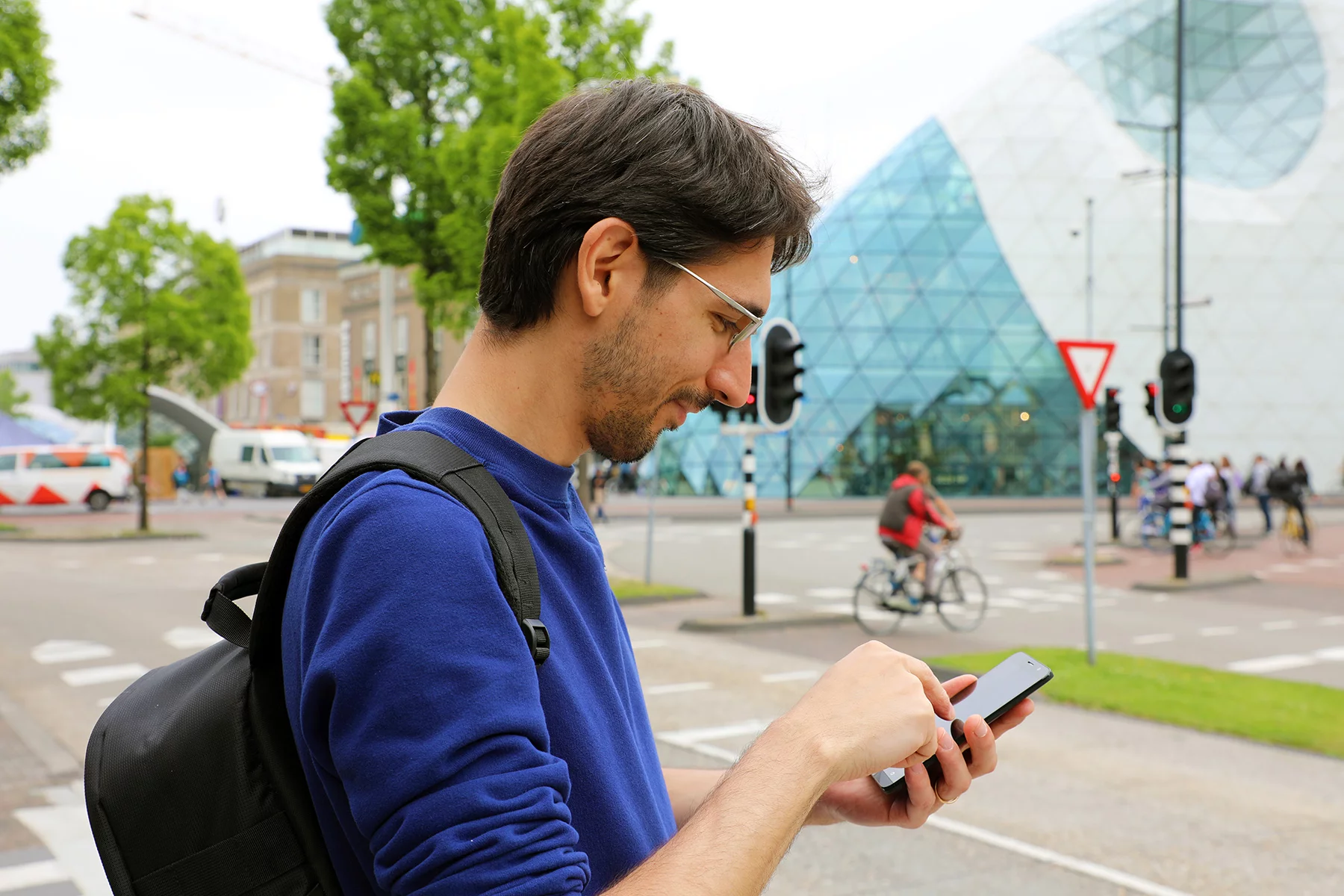
Additionally, wire transfer providers have physical locations throughout the country where you can take your cash to send it. Your recipient can also pick up cash from a location near them. You can also send and receive money from a mobile wallet in some countries.
Wire transfer services tend to have excellent international coverage, but transfers can be more expensive than other options.
Wire transfer services
Western Union and MoneyGram are two primary wire transfer providers (sometimes known as remittance services) operating in the Netherlands.
How much does it cost to make an international wire transfer in the Netherlands?
Wire transfer companies usually charge a flat fee and a margin on the exchange rate. Fees vary depending on several factors, including which country you’re sending the money to, whether it’ll be sent to a bank account (cheaper) or collected in cash by the recipient (more expensive).
Flat fees for wire transfers from the Netherlands are often very low (only a few euros), but the exchange rate you’ll pay will usually be worse than if you use your bank or a money transfer company.
How long do international wire transfers take in the Netherlands?
If you send money for cash collection from a local branch, it’ll often be ready within minutes, depending on the options you choose. If you send money by bank transfer, the time it takes will depend on the country you’re sending the money to. Some transfers are ready the same day, while others take up to five working days.
What you need to send money by wire transfer
- Start a transfer on the website or app by entering the destination country and the amount you want to send. Choose the payout method: direct to a bank account, for cash pick up, or to a mobile wallet.
- Enter your recipient’s details
- Pay for your money transfer via credit/debit card or with your bank account
- You will receive a tracking number for your transaction. Share this number with the recipient to track the funds. If sending to a mobile wallet, the wire transfer service should send you and the recipient a confirmation when the money is delivered.
How do you make a wire transfer in person?
If you’d like to make a wire transfer in person, you can use the company’s website to find a branch or participating agent near you. Wire transfers in person can take as little as minutes and as much as five business days, depending on where you’re sending. As with other money transfers, you will pay more for your recipient to get the money faster.
How to receive money by wire transfer in the Netherlands
To receive a wire transfer to your bank account, you’ll need to provide your name and bank details to the sender. For collection, you’ll need to visit a local branch with identification. You’ll be asked for the sender’s name, where the money was sent from, and the sender’s reference number.
Again, with Wise you can open an account fee-free and get local account details for EUR and USD making it easier to receive payments without international fees.
How to avoid scams when using wire transfers
Knowing the exact recipient when making a wire transfer is crucial, as this can help you avoid scams. While sending money via Western Union and MoneyGram is secure, it’s important to be cautious of scams that use fraudulent claims to deceive you into sending them money.

Scammers often ask for cash to be sent by wire transfer as it’s not possible to reverse the transaction once it has been made. Always ensure you know exactly who you are sending money to.
Sending money by forex broker in the Netherlands
If you’re sending large sums overseas, or are making regular consistent payments, you may consider using a specialist foreign exchange broker (also known as an FX or forex broker). Many international FX brokers accept customers from the Netherlands.
To send money, you’ll usually create an account with a broker and deposit the funds. The broker will then exchange the money and send it abroad.
Specialist brokers can obtain preferential rates on the exchange markets, making it cheaper to send and receive money. Forex can be complicated, so you may wish to take expert advice or, if you’re only making occasional or lower value payments, consider using one of the alternative options above.
Sending money via cryptocurrency in the Netherlands
You can also send money internationally from the Netherlands by cryptocurrency, for example via Bitcoin or Ethereum.
This might seem like a faster and cheaper alternative to using your bank. However, it’s important to approach this method with caution due to the lack of regulation and protections in the cryptocurrency sector.
To send and receive money, both parties will need a compatible cryptocurrency wallet. Each wallet has a unique address. The recipient must provide a payment request. You’ll then submit the payment and pay the blockchain processing fee in exchange for the payment being validated and administered. The money should then arrive within a matter of minutes.
Factors to consider when sending money to and from the Netherlands
- Cost: consider both the transfer fee and exchange rate margin before choosing a provider.
- Speed: you can sometimes pay more for a faster service, so consider how time-sensitive your payment is.
- Convenience: most of the methods above involve creating online accounts, but for some you may be required to pass ID checks.
- Regulation and Security: ensure that the service you choose is reputable and secure.
- Destination: not all services are available in every country, so check this before signing up.
Safety and security for international money transfers
International money transfers are very common and generally safe. In Europe, online providers are subject to European rules designed to protect people who use payment services.

That said, there are a few things that you can watch out for to protect yourself and your money.
- Choose your provider carefully. Look at more than just their rates – also look at their levels of service and methods of support in case something goes wrong.
- Check Google Finance, Reuters, or XE for mid-market or inter-bank rates. Banks use this real exchange rate to transfer money between themselves. This way, you can tell if the service provider offers you an unfair rate.
- Be aware of hidden or unclear fees
- Be very careful about money transfer scams, and make sure you always know your recipient
When choosing a money transfer provider, consider their regulatory status and security measures. Wise is authorized as a payment institution by the National Bank of Belgium and operates under EU passporting rules in the Netherlands. They use 2-factor authentication, encryption, and regular security audits to protect customer funds and data. Additionally, Wise offers customer support in multiple languages, which can be valuable for expats in the Netherlands who may prefer support in their native language.
Useful resources
- Investopedia – how international bank account numbers (IBANs) work
- Business.nl.gov – report fraud and deception, like money transfer scams
- Forbes Advisor – the difference between IBAN and SWIFT code
Related Articles


Editor's picks
 Human and civil rights in the NetherlandsFrom the right to protest to protection from discrimination, here's what you need to know about human rights in the Netherlands.
 Secondary schools in the NetherlandsWe explain the complex secondary school system in the Netherlands, including the three public streams and various international options.
 Higher education in the Netherlands: a guide to Dutch universitiesThe Netherlands is home to some of the world's top universities. Learn all about the different subjects available at Dutch institutions.
Did you find this guide helpful?