Studying abroad in Japan often costs less than students expect, but tuition is only part of the bill. Living costs, fees and other inevitable costs stack up quickly, and the first month usually brings the biggest cash shock.
How much it costs to study abroad in Japan in 2026 depends on your school type, your city and how much of the first-year setup you can cover upfront. This guide breaks down tuition, monthly living costs, one-time fees, scholarships and ways to receive money from family abroad.
This guide is for information only, not legal or financial advice.
Key takeaways
- Budget around ¥2.3–3.8 million for first-year tuition, living and setup costs in Japan. Some specialist programs can cost more.
- Living costs in Japan for international students average ¥105,000 a month, with extra expenses on arrival for housing deposits, agency fees and furniture.
- Students working part-time in Japan earn an average of ¥81,000 a month, which helps with expenses but won’t cover all tuition and living costs.
- Scholarships and tuition waivers in Japan can reduce your study costs.
- When sending money to Japan, check your bank details and allow enough time for funds to arrive before rent and tuition deadlines.
- For students on a tight budget, Wise is one option to compare for transfers to Japan, with fees shown upfront and currency conversion at the mid-market exchange rate.
Manage study expenses in Japan with Wise Account
- Hold and convert supported currencies
- Check transfer fees and exchange rates
- Plan international student expenses

Average cost of studying abroad in Japan
To understand the average cost of studying abroad in Japan, keep three figures separate: annual tuition, total first-year costs and monthly living expenses.
The table below combines university fee benchmarks, student living-cost averages and an illustrative budget for 2026. Your actual costs will depend on your program and accommodation.
| Cost item | Figure | What it covers |
|---|---|---|
| National university, first year | 820,000 JPY approximately | Admission and tuition at the standard fee level |
| Private university, first year | 1,300,000 JPY approximately | Admission and tuition |
| Monthly living costs, national average | 105,000 JPY | Living costs only |
| Tokyo monthly housing | 57,000 JPY | Average monthly rent paid by international students in Tokyo |
| First-year planning range | Approximately 2,300,000 to 3,800,000 JPY | Academic fees, 12 months of living costs and an estimated setup allowance |
Details correct at time of research – 16 November 2026. Information for illustration only – your own budget may be different.

How tuition fees change by school type in Japan
Tuition in Japan depends heavily on institution type and field of study.
Whether you are studying in Japan at a language school, a university or a vocational college, the same year of study can cost very different amounts.
Japanese language schools
Japanese language institutions charge roughly 610,000–1,900,000 JPY in course fees, depending on the program and its duration. Course length and school location both affect the price. Bear in mind also that the school’s application charge, admission, tuition, materials and facility fees all add up to give your total academic budget.
Ask each school which of these extras the published fee excludes:
- Registration or admission fees
- Textbooks and teaching materials
- Dormitory or housing fees
Undergraduate, graduate, and vocational programs
The first year of an undergraduate, graduate or vocational program in Japan often costs more because you pay a one-off admission fee on top of tuition. The estimates below include both fees, plus additional academic charges at private universities.
| Program | National | Local public | Private |
|---|---|---|---|
| Undergraduate | 820,000 JPY | Approximately 920,000 JPY | Approximately 1,300,000 JPY for humanities and social sciences; 1,660,000 JPY for science and engineering |
| Graduate school | 820,000 JPY | 900,000 JPY | Approximately 1,160,000 JPY for master’s programs |
Details correct at time of research – 16 November 2026. Fees also vary between universities.
Specialized training colleges and colleges of technology
Specialized training colleges teach job-focused skills and average 1,300,000 JPY in the first year, so they suit students who want a specific career path.
National colleges of technology average only 320,000 JPY, although they follow a different educational structure from universities. Entry requirements and course length differ from a university degree, so confirm both with the school.
How much do medicine, nursing and other specialist programs cost?
Studying medicine, nursing or engineering in Japan can cost considerably more at a private university. National universities often offer lower fees, including at some of the country’s best-known institutions.
Medicine and dentistry in Japan
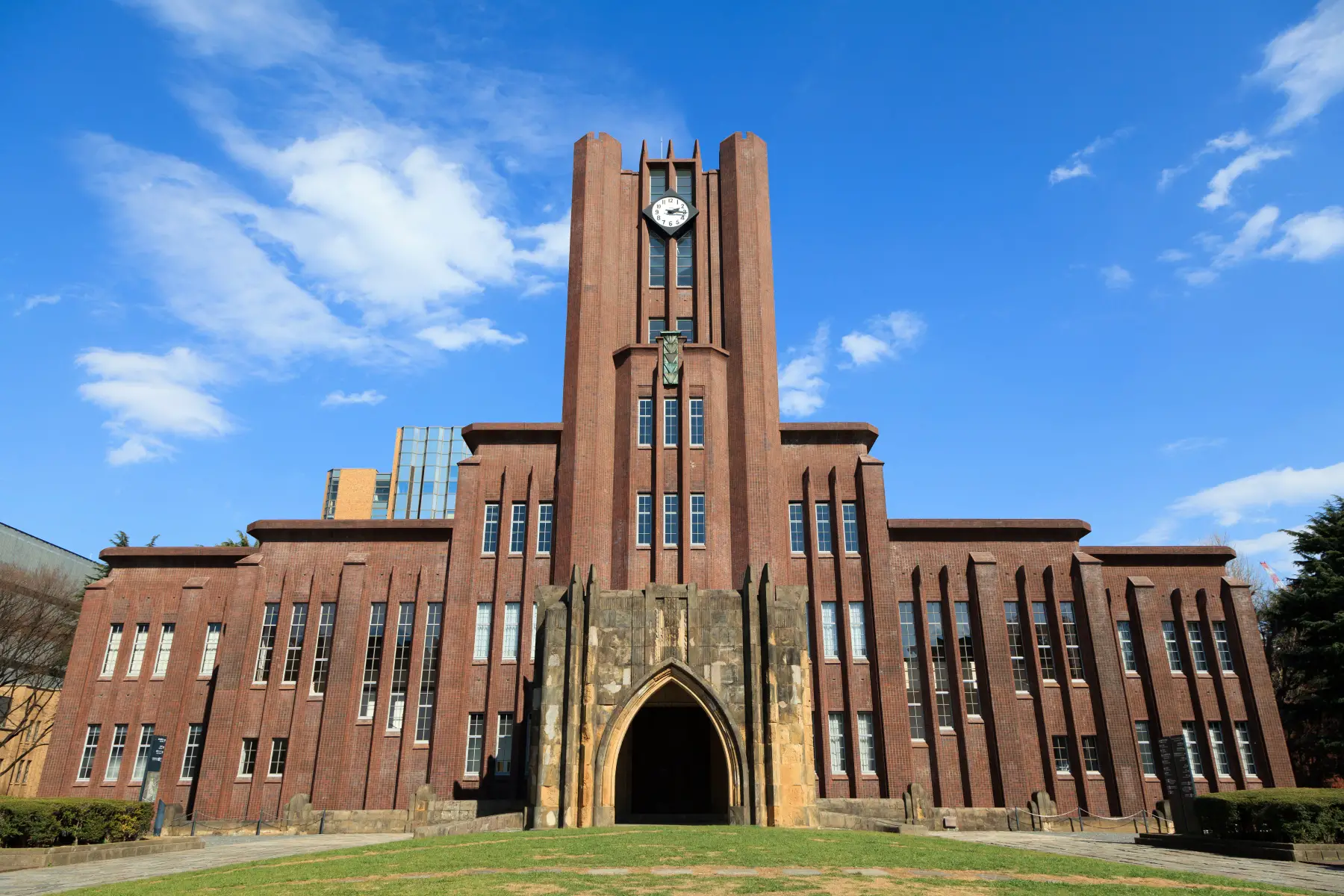
The cost of studying medicine in Japan varies widely between universities. At private medical schools, first-year academic fees average around 6,840,000 JPY, including tuition, admission and other charges. Dentistry has a separate fee structure, so check the figures for your chosen degree.
For comparison, these national universities charge substantially less in tuition and admission fees:
| University and program | Annual tuition | First-year tuition and admission |
|---|---|---|
| University of Tokyo | 642,960 JPY | 924,960 JPY |
| Kyoto University | 535,800 JPY | 817,800 JPY |
| Institute of Science Tokyo (Medicine or dentistry) | 642,960 JPY | 924,960 JPY |
Details correct at time of research – 16 November 2026.
First-year averages include one-off admission fees. Check the fees for each year of your degree to estimate the full course cost.
Nursing and health science programs
Private nursing degrees generally cost less than private medical degrees, but practical training and clinical placements can still make them more expensive than classroom-based courses.
| University and program | Annual tuition | First-year tuition and admission |
|---|---|---|
| University of Tokyo (Integrated Health Sciences, nursing pathway) | 642,960 JPY | 924,960 JPY |
| Institute of Science Tokyo (Nursing Science) | 642,960 JPY | 924,960 JPY |
| The University of Osaka (Nursing) | 535,800 JPY | 817,800 JPY |
Details correct at time of research – 16 November 2026.
Ask each school for a split between tuition and compulsory extras such as uniforms, equipment and placement costs.
Engineering and lab-based programs
Engineering and science courses in Japan can cost more than humanities or social science courses, especially at private universities, because of laboratory and equipment needs.
Private science and engineering programs average approximately 1,660,000 JPY in first-year academic fees, including tuition, admission and other charges.
These three leading national universities offer engineering programs with lower tuition and admission fees:
| University and program | Annual tuition | First-year tuition and admission |
|---|---|---|
| University of Tokyo | 642,960 JPY | 924,960 JPY |
| Kyoto University | 535,800 JPY | 817,800 JPY |
| Tohoku University | 535,800 JPY | 817,800 JPY |
Details correct at time of research – 16 November 2026.
Before setting your budget, check whether lab fees, specialist software and field trips are included or charged separately.
Monthly living costs in Japan for international students
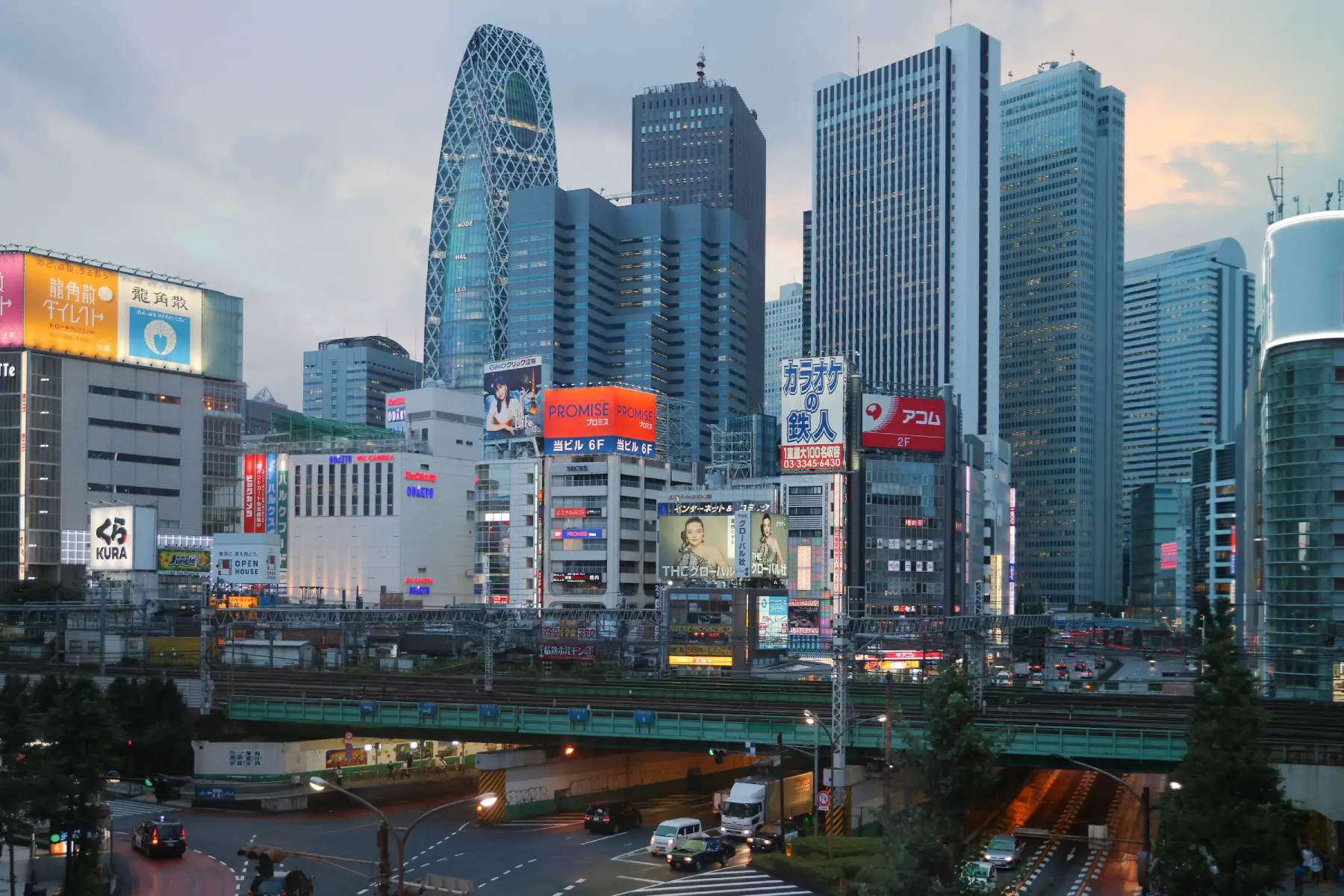
Monthly living costs in Japan for international students depend largely on rent, location and everyday habits. The published national average is around ¥105,000 a month, excluding tuition and other study costs, but you may need more in Tokyo and other large cities.
Rent, deposits and move-in fees
Where you live will make a big difference to your student budget. Average monthly housing costs are around ¥41,000 nationally and ¥57,000 in Tokyo, but moving into a private apartment usually means paying more upfront.
Your initial costs may include:
- Security deposit (shikikin), which landlords may partly refund
- Key money (reikin), a non-refundable payment to the landlord that some properties require
- Agency fee and guarantor company fee
- First month’s rent and basic furniture
A dormitory can help keep these upfront costs down. A private apartment offers more independence, but you may need to budget for furniture and appliances as well as rental fees.
Food, utilities, phone and study materials
For a rough idea of grocery costs, published average prices include:
- Rice (5 kg): ¥4,979
- Milk (1 liter): ¥267
- Eggs (10): ¥313
Cooking at home can help keep food costs down, while a dormitory with meals included can make budgeting easier. Phone plans, utilities and study materials vary by provider and course, so compare quotes before you commit.
Transport, National Health Insurance and pension contributions
Your transport budget will depend on how far you live from campus. A student commuter pass can make regular journeys cheaper.
You’ll also need to account for health insurance and any pension payments:
- National Health Insurance (NHI): Usually required for residents staying over three months, NHI covers 70% of eligible treatment costs. Allow roughly ¥2,000–3,000 a month if you qualify for a low-income reduction.
- Pension contributions: Students aged 20–59 with limited income can apply to postpone payments. If contributions are payable, allow an additional ¥17,920 a month at the current rate.

What one-time costs do students pay before and after arrival?
One-time costs differ from monthly living costs, and they cause many first-year budget surprises. Some fall due before you fly, others in your first weeks, so list them by date rather than folding them into one annual figure.
Application tests, EJU or JLPT, and visa fees
The Examination for Japanese University Admission for International Students (EJU) costs 12,000 JPY for one subject and 23,000 JPY for two or three subjects when you sit it in Japan. The Japanese-Language Proficiency Test (JLPT) adds a fee only if your route requires it.
- Visa fee: about 15,000 JPY for single entry and 30,000 JPY for multiple entry from 1 July 2026, which you pay in local currency at the embassy or consulate, and exemptions may apply.
- Entrance examination fees: each school sets its own.
Flights, deposits, and the first tuition payment
Flights, a dormitory or rental deposit and your first tuition installment can all fall due before or just after you land. Many schools also require an admission fee at enrollment.
Ask your school for the payment deadline and accepted payment methods, then send the money early enough to arrive before it.
How much can part-time work and scholarships reduce your costs?
Part-time work and scholarships can make studying in Japan more affordable, whether by helping with everyday bills or reducing tuition fees. When planning your budget, only count on funding you’ve already secured.
Student jobs, the 28-hour rule and realistic earnings
Around 65% of privately financed international students reported working part time, with average earnings of about ¥81,000 a month. Your income will depend on your hourly pay and available shifts. It can help with everyday expenses, but you’ll still need other funding for tuition and living costs.
The main rules for student jobs in Japan are:
- Get work permission before starting.
- Work no more than 28 hours a week across all jobs, or eight hours a day during official long school holidays.
- Keep attending classes and maintain your student status.
- Do not work in adult entertainment businesses.
Working illegally can lead to deportation, while poor attendance can prevent you from extending your stay. Check the student work conditions before accepting a job.
Scholarships, tuition waivers and free-study options
Scholarships in Japan can help with tuition, living costs or both. MEXT scholarships include a monthly allowance and cover tuition and admission fees. A tuition waiver alone only reduces your university fees, so you’ll still need money for everyday expenses.
| Scholarship or support | Amount |
|---|---|
| MEXT scholarships | Undergraduate: ¥117,000/month; postgraduate research: ¥143,000–145,000/month |
| JASSO Honors Scholarship | Higher education: ¥48,000/month; Japanese language students: ¥30,000/month |
| JASSO Student Exchange Support Program | ¥80,000/month for eligible exchange students |
| Kyoto University tuition exemptions | 50% or 100% of tuition fees |
Details correct at time of research – 16 November 2026.
Manage regular support payments from abroad with Wise
Family support can help cover the cost of studying in Japan, from tuition fees to monthly rent. When that money comes from abroad, the exchange rate and transfer fees affect how much reaches the student in yen.
Wise uses the mid-market exchange rate without adding a markup. The transfer fee and the amount to be received are displayed before payment.
Comparing the final yen amount with a bank’s quote for the same total payment shows whether Wise offers competitive pricing.
Funds are paid directly into the student’s Japanese bank account. The student does not need a Wise account to receive the payment.

Next steps for planning your study budget in Japan
List each cost by due date, then check it against your school’s current fee schedule.
- Confirm your school’s latest fee schedule and any international-student surcharge.
- Total first-year costs and monthly costs separately.
- Check scholarship deadlines on Study in Japan and your university’s pages.
- List every payment date for tuition, rent and NHI.
- Compare transfer fees, exchange rates and delivery time before the next payment from abroad, for example with Wise.
For support payments from abroad, Wise Account is another option to compare alongside banks, including the total cost, conversion rate, and expected delivery time.
FAQ
Frequently asked questions
Which university in Japan is the cheapest? 
No single university is the cheapest for every student, because fees vary by school type, residence status and program. National and local public universities usually make a lower-cost starting point, so compare the current fee tables on each university’s website.
Can part-time work cover living costs in Japan?
For most students, no. You can work up to 28 hours a week with permission, and average earnings were about ¥81,000 a month in 2023, below the ¥105,000 average for living costs alone in the same year.
How much does National Health Insurance cost for students in Japan?
Premiums vary by municipality and your previous year’s income, so no single national student rate exists. A provisional budget of ¥2,000–3,000 a month may suit a student under 40 who qualifies for a low-income reduction, but the actual premium can be higher. NHI typically reduces your share of covered treatment costs to 30%, and your city office can confirm your exact premium.
Can parents abroad send money directly to a Japanese student bank account?
Yes, but the sender needs the exact bank details and the account-holder name as registered. Transfer fees, exchange rates and the payout method affect how much arrives and how fast.
Sources
Expatica’s experts are all about providing the most up to date and accurate information. All guides are fact checked, and whenever we use external sources (like government websites or research papers) we’ll make a note of them here so you can check them out too.
- Academic fees, Study in Japan Official Website, Study in Japan Official Website
- Living costs and expenses, Study in Japan Official Website, Study in Japan Official Website
- Part-time work, Study in Japan Official Website, Study in Japan Official Website
- JASSO scholarships, Study in Japan Official Website, Study in Japan Official Website
- Visa fees, Ministry of Foreign Affairs of Japan, Ministry of Foreign Affairs of Japan
- Send money to Japan, Wise, Wise
- What are scheduled transfers?, Wise Help Centre, Wise Help Centre
- Pricing, Wise, Wise
- MEXT – Private university fees by subject, MEXT
- University of Tokyo – Admission and tuition fees, University of Tokyo
- Kyoto University – Tuition fees and exemptions, Kyoto University
- Keio University – Academic fees by faculty, Keio University
- Institute of Science Tokyo – Medicine, dentistry and health sciences fees, Institute of Science Tokyo
- The University of Osaka – Tuition and enrollment fees, The University of Osaka
- Tohoku University – Fees and expenses, Tohoku University
- University of Tokyo – Nursing programs, University of Tokyo
- The University of Osaka – Allied health sciences programs, The University of Osaka
- Study in Japan – Accommodation and housing costs, Study in Japan
- Study in Japan – National Health Insurance, Study in Japan
- Shinjuku City – National Health Insurance premiums and reductions, Shinjuku City
- Tokyo Metro – Student and commuter passes, Tokyo Metro
- Japan Pension Service – Special Payment System for Students, Japan Pension Service
- Japan Pension Service – Student contributions and payment postponement, Japan Pension Service
- JASSO – EJU examination fees, JASSO
- Immigration Services Agency – Permission for students to work, Immigration Services Agency
- Study in Japan – Scholarships, Study in Japan
- Study in Japan – Japanese Government MEXT scholarships, Study in Japan
- Kyoto University – MEXT scholarship amounts and coverage, Kyoto University
- JASSO – Honors Scholarship for Privately-Financed International Students, JASSO
- JASSO – Student Exchange Support Program, JASSO
- Wise – Guide to JPY transfers, Wise