
Based on official guidance checked in September 2026, this guide explains how the zairyu card works, what to do after arrival, how to register your address, and what happens if your card is lost, updated, or renewed. It is for information only and rules can vary depending on your residence status and circumstances, so confirm specific requirements with Japan’s Immigration Services Agency or your local municipal office.
Wise
Do your finances go beyond borders? Then you need a fast and secure way to move money internationally. Wise is a global leader in online international money transfers, letting you move money at an exchange rate several times cheaper than your bank. Whatever your personal or business needs, Wise can make your money go further.

Key takeaways
- What it is: Japan’s residence card for many foreign residents on longer stays.
- Who gets one: Usually people on longer-term statuses, not short-stay visitors.
- What happens next: You still need to register your address within 14 days after settling.
- Why it matters: Your card, resident record, and juminhyo often need to match before other setup tasks move smoothly.
- What it is not: It is different from both a visa and a My Number card.
- What it does not guarantee: A major local bank may still ask for extra documents.
What a zairyu card is and who needs one
A zairyu card is Japan’s residence card for foreign nationals covered by the country’s mid- to long-term residence system. It shows important information about your identity and residence status in Japan.
Who gets a zairyu card and what it proves
According to the Immigration Services Agency’s residence card guidance, residence cards are issued to mid- to long-term residents, which includes many people living in Japan under work, study, family, and other qualifying residence statuses. Temporary visitors and some other categories are not covered by the residence-card system.
Your card records key information such as your name, nationality or region, residence status, registered address, and whether there are restrictions on employment. You may be asked for it when completing everyday procedures such as renting a home, arranging services, or dealing with schools and other organisations.
Do not assume every service will accept your residence card by itself. Depending on the procedure and provider, you may also need proof of your registered address, a juminhyo (resident record copy), or other documents.
Zairyu card vs visa vs My Number card
People often confuse a Japanese visa, a zairyu card, and a My Number card, but they serve different purposes. A visa is generally obtained before travelling to Japan when required, while residence and My Number cards become relevant once you are living in the country.
| Document | Who issues it | When you usually get it | Main use |
| Visa | Japanese embassy or consulate abroad | Before travel, when a visa is required | Used to seek entry to Japan for the purpose stated in the visa |
| Zairyu card | Immigration authorities in Japan | On arrival at designated airports or later through the relevant procedure | Proof of residence status and key ID document inside Japan |
| My Number card | Local municipality after resident registration and application | After you register your address and apply for the card | Tax, social security, digital public services, and some identity checks |
What changed in the 2026 card format
Residents cards issued from 14 June 2026 use a new format, so they can look different from older examples online. Japan also introduced the optional Specified Residence Card, which combines the functions of a residence card and My Number card.
The new-format residence card shows less information on its face than the previous version. Information including the period of stay, type and date of permission, and date of issuance is instead recorded on the card’s IC chip.
The Specified Residence Card is optional. If you do not choose one, you can continue to have a separate residence card and My Number card.
How to get your zairyu card after arrival
When you receive your residence card depends on where you enter Japan, so two people with similar residence statuses can have different first-day experiences.
If you get it at a major airport
Eligible mid- to long-term residents arriving at an airport that issues residence cards can receive their zairyu card during the immigration process. You must still notify your local municipality of your place of residence, generally within 14 days of establishing it.
Many newcomers assume airport issuance means everything is done, but further local registration is still required. You also cannot get the optional Specified Residence Card at the airport.
If your card is issued after address registration
If you arrive through an airport or seaport that does not issue residence cards on arrival, your passport should indicate that your residence card will be issued later. After establishing your place of residence, take your passport to your local municipal office and submit the required address notification.
Your residence card will then generally be sent to your registered address by post. Check your municipality’s requirements in advance in case it asks you to bring any additional documents.
What to do in your first 14 days
Things don’t end with getting your residence card. Once you establish your place of residence, registering it with your municipality is an important next step and helps set up your local administrative record.
Register your address and update the card
Mid- to long-term residents generally need to notify their local ward, city, town, or village office of their place of residence within 14 days of establishing it. If you have relocated to Japan, this should be high up on your checklist of things to do during your first weeks.

Bring your zairyu card if you received one on arrival, or your passport if it states that your residence card will be issued later. Your municipality may ask for additional documents depending on your circumstances; for example, family members registering together may need documents showing their relationship.
Japan’s Basic Resident Registration guidance for foreign residents explains how foreign residents are included in the local resident registration system.

Writer
Gary
Insider tip
If you received your residence card at the airport, it will not initially show your Japanese address. Your municipality records your place of residence after you register, and some organisations may want to see proof of your registered address before completing other procedures.
Get a juminhyo and prepare for your next admin tasks
A juminhyo is your resident record, and you can obtain a copy (juminhyo no utsushi) from your municipality when you need official evidence of information recorded there, such as your Japanese address. Keeping your name and address consistent across your official records can help avoid problems with later procedures.
Depending on the procedure and provider, you may be asked for a copy of your juminhyo when dealing with health insurance in Japan, employer or school paperwork, parts of the My Number system, and some bank or mobile applications.
How the zairyu card is used in daily life
Your zairyu card is an important official ID during everyday life in Japan. Organisations may also check your registered address or ask for other supporting documents, depending on the procedure.
Renting, phones, and health insurance
You may be asked for your zairyu card when renting, setting up a phone plan, or completing health insurance or school administration. However, the card alone may not always be enough.
You may also be asked for a juminhyo, employer or school details, and a Japanese phone number.
Opening a bank account and why delays happen
A zairyu card is commonly required when opening a Japanese bank account, but having one does not guarantee immediate approval from major Japanese banks. The wider process also depends on the bank’s eligibility requirements and customer checks.
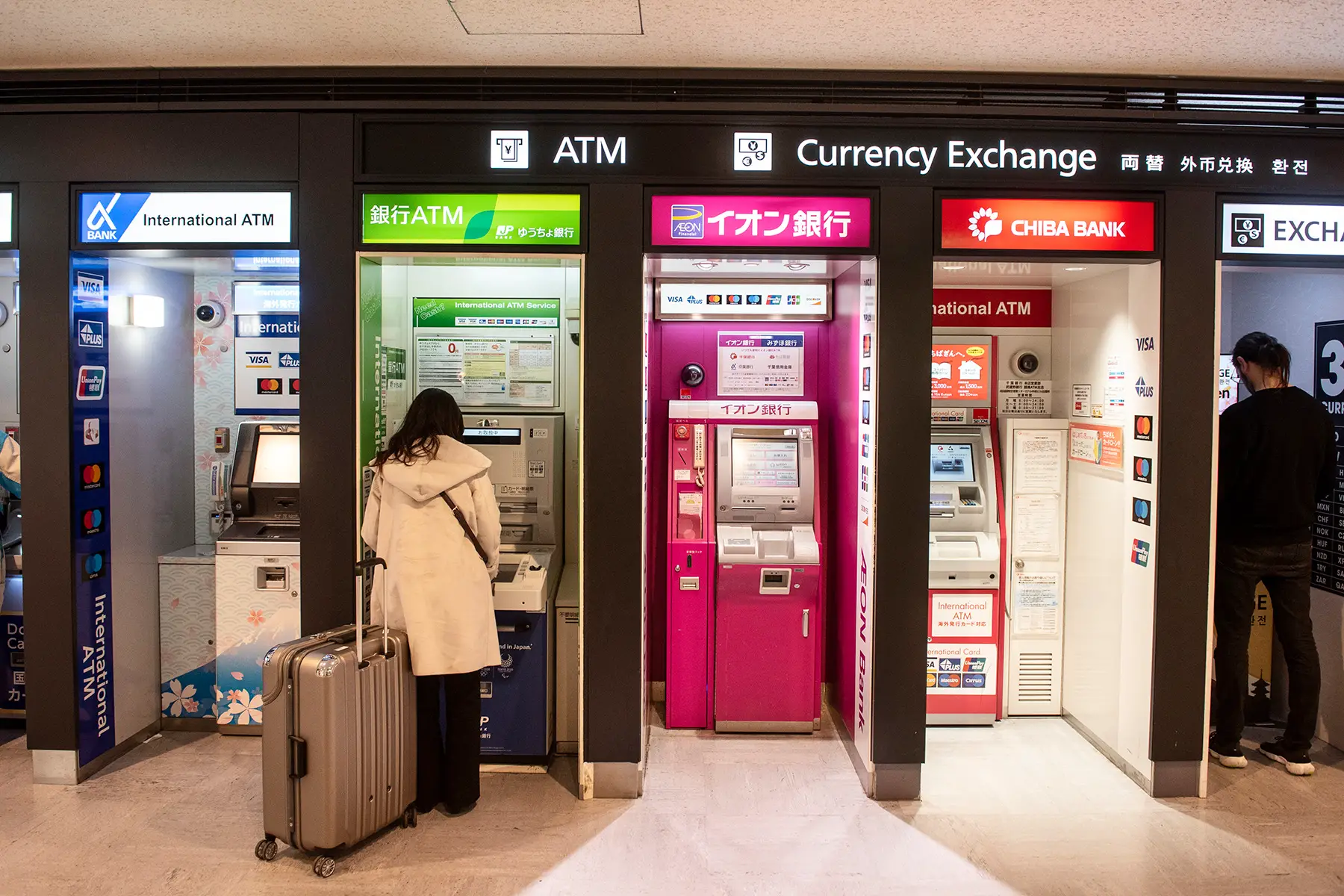
Banks may check your registered address, residence status and period of stay, employment or study situation, and other information.
Your length of residence in Japan can also matter: under foreign-exchange rules, some foreign nationals who have been in Japan for less than six months are treated as non-residents unless they meet an applicable exception, which can restrict the banking services available.
Writer
Gary
Insider tip
Completing your municipal address registration before starting financial applications can make it easier to provide the identification and address information a bank requests. However, each bank has its own requirements, so check what documents you need before applying.
Managing money while your local bank setup is still pending
If you still need access to money from abroad while sorting out local banking, there are services that can help with first-week transfers and daily spending.
How Wise can help with transfers, spending, and holding currencies
Wise is a money transfer provider. It may help you move relocation funds to Japan, receive support from family abroad, or hold supported currencies for exchange transactions and spending while local bank setup is still in progress.
That can be useful when rent deposits, transport costs, or everyday purchases arrive before a major local bank account does. In Japan, Wise says it verifies identity and address before you can use features such as sending, receiving, or adding money.
For eligible residents, accepted photo ID can include a residence card, and if you do not use a My Number card as your ID, Wise may also ask for a My Number document. Your name, date of birth, and address need to match across your ID, My Number documents, and Wise profile.
Wise can be practical for international transfers, a multi-currency account, and spending with the Wise card once verified. It does not replace every Japanese banking need, and product availability can vary in Japan. Before you act, compare current eligibility and verification steps for Japan in Wise’s official guidance.
How to update, renew, or replace your zairyu card
After the initial setup, you need to keep the information connected to your residence card up to date. Address changes are generally handled through your municipality, while changes to your residence status and certain personal details are handled through the Immigration Services Agency.
If your details change or you move
If you move, complete the appropriate municipal moving and address-registration procedures within the required deadline. Depending on whether you move within the same municipality or to another one, this can involve different notifications.
Changes to details such as your name, date of birth, sex, or nationality or region generally need to be reported to the Immigration Services Agency within 14 days. Changes or extensions to your residence status are also immigration procedures, so check which procedure applies rather than assuming your municipality can update everything.
Keeping your details consistent can make later administration easier. If your name or address differs across official records, a bank, employer, insurer, or other organisation may ask you to explain or correct the difference.
If the card is lost, damaged, or expiring
If your residence card is lost or stolen:
- Report it to the police and obtain evidence of the report.
- Apply to the Immigration Services Agency for a replacement within 14 days of becoming aware that the card is missing; if you discover the loss while outside Japan, a different calculation applies after you re-enter.
For a replacement, you may need documents such as your passport, a photograph, the application form, and evidence of the loss or theft. A damaged or badly soiled card can also be reissued, but the procedure differs from replacing a lost or stolen card.
If your period of stay is approaching its end, check whether you need to apply for an extension or another residence-status procedure. The validity of the residence card itself is a separate issue for some residents, including permanent residents, so check the deadline that applies to your status rather than relying on someone else’s renewal date.
Common mistakes to avoid
- Mixing up the visa and the zairyu card
- Treating airport issuance as the last step
- Missing the 14-day deadline for notifying your place of residence
- Assuming old screenshots online still match the 2026 card format
- Thinking a residence card alone guarantees you can open a bank account
- Failing to update your name or address when required, or leaving unexplained inconsistencies across your official records
Before any appointment, check the latest official guidance and your municipality’s own instructions so you know which documents to bring.
FAQ
Frequently asked questions about zairyu card in Japan
Do I need to carry my zairyu card at all times? 
If you are 16 or older and subject to the residence-card carry requirement, you generally need to carry your zairyu cardwith you. The same carry requirement applies to the optional Specified Residence Card, so keep it secure and be prepared to present it when legally required.
How soon do I need to register my address after arriving in Japan?
In general, many medium to long-term residents should notify their municipality within 14 days of establishing an address in Japan. Do not wait for another service to ask for the updated address, because that can slow later tasks.
Is a zairyu card the same as a My Number card?
No. A zairyu card proves residence status in Japan, while a My Number card belongs to the tax and social-security ID system. Since 2026, an optional Specified Residence Card can combine functions, but the standard ideas are still different.
Can I open a Japanese bank account with just a zairyu card?
Sometimes, but not always. A bank may still ask for proof of address, a Japanese phone number, employer or school details, or other onboarding checks. If local setup is still pending, Wise may help with some cross-border needs once you are verified.
What happens if I lose my zairyu card in Japan?
Report it, gather the documents the immigration office asks for, and apply for reissue with the correct Regional Immigration Services Bureau. The official process generally has a 14-day window from when you learn of the loss, so check the instructions at once.
Useful resources
(accessed 9th September 2026)
- Immigration Services Agency – what is a residence card?
- Ministry of Internal Affairs and Communications – basic resident registration system for foreign residents
- Tokyo Intercultural Portal Site – procedures when entering and residing in Japan
- Wise Help Centre – getting verified in Japan