
'%20id='ico-down'%20stroke='%23000000'%20stroke-width='1.5'%3e%3cg%20transform='translate(1092.250000,%20254.750000)'%3e%3cpolyline%20id='Path-2-Copy-4'%20transform='translate(5.500000,%202.750000)%20scale(1,%20-1)%20rotate(-180.000000)%20translate(-5.500000,%20-2.750000)%20'%20points='0%200%205.5%205.5%2011%200'%3e%3c/polyline%3e%3c/g%3e%3c/g%3e%3c/g%3e%3c/svg%3e)


Move
Relocation
How to Register or Change Your Address in Japan 2026
If you move home in Japan, you will usually need to report your new address to your local municipal office within the required deadline. This applies whether you are arriving from overseas, moving within Register your address in Japan by matching your move to the right municipal process.


This guide explains how address registration works in Japan, which forms you may need, and the common mistakes to avoid.
Wise
Wise can be useful if you need to move inherited money across borders or manage JPY alongside other currencies for planned exchange transactions (subject to transaction limits) without relying fully on a local bank account. It does not replace Japanese filing or tax payment steps, and you should check current product availability, supported currencies, and document requirements for your region before you act.

Key takeaways
| Situation | Main action | Timing | What to bring or do next |
| First address in Japan | File a move-in notification at your new municipal office | Within 14 days of settling | Residence card or passport if relevant |
| Move within the same municipality | File an in-city address change | Within 14 days of moving | Residence card and local supporting documents |
| Move to a new municipality | File a move-out with your old municipality, then a move-in with your new one | Submit the move-out shortly before departure, then the move-in within 14 days after settling | Move-out certificate, ID, My Number documents if you have them |
| Leave Japan | Complete the required move-out procedures with your municipality before departure | Contact your municipality as soon as your departure plans are confirmed | Ask about health insurance, pension, tax, and other departure-related procedures |
| After the office visit | Update your address with private services | As soon as possible | Japan Post, employer or school, utilities, banks, and Wise |
Who needs to register an address in Japan and when?
According to the Ministry of Internal Affairs and Communications, many medium-to-long-term foreign residents must register their address once they establish a fixed residence in Japan. The key rule is to notify your municipality within 14 days of moving into a home or changing your address.
Your municipal office is the local ward office, city office, town office, or village office responsible for your address. Resident registration is important because it creates your official resident record and helps you access many local services, such as health insurance in Japan.
Exactly what applies can vary depending on your immigration status, municipality, and household circumstances, so use this guide as practical information rather than legal, tax, or immigration advice.
Things to remember:
- Your address is recorded through Japan’s resident registration system.
- Your residence card address is usually updated as part of the move-in or address-change process.
- Details are used to create your juminhyo (residence record), which is commonly used as proof of residence for rentals, banking, contracts, and other administrative procedures.
- If you miss the deadline or your circumstances are unusual, contact your municipal office for guidance rather than trying to resolve the issue yourself.
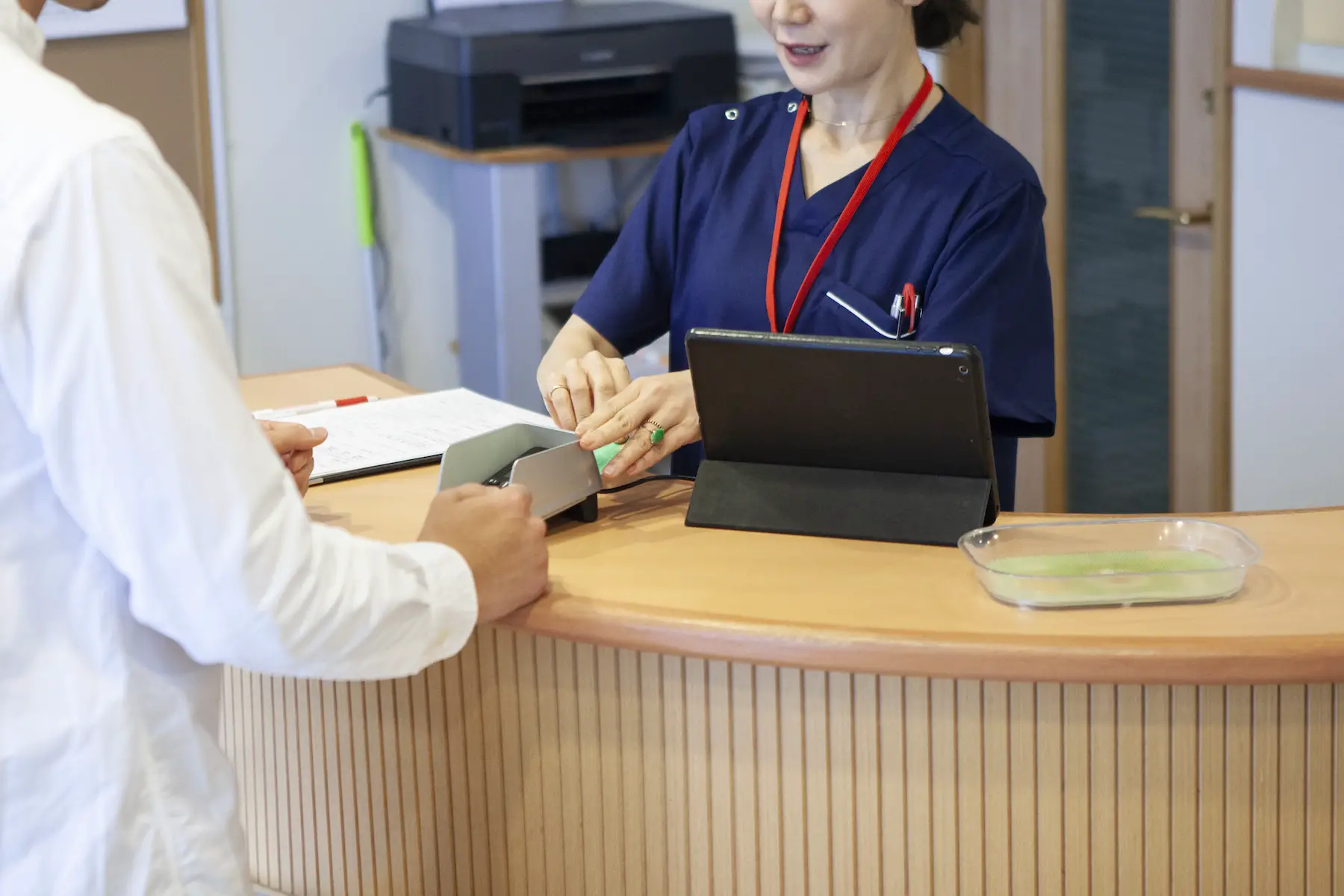
Documents to prepare before you visit the ward office
Bringing the wrong or incomplete documents can mean having to reschedule your appointment, so take care in preparing everything correctly. The safest approach is to use your municipality’s website or check by phone call before making a checklist.
Common documents most expats need
Requirements vary across municipalities and there is no standardized list. However, most expats can prepare a core set of documents before leaving home, which is usually enough to avoid the most common problems.
For most cases, you will need proof of identity and proof of residence status as a minimum. A typical set of requirements can include:
✅ Residence card (zairyu card)
✅ Passport, if relevant or if you did not receive a residence card at the airport
✅ My Number card, or My Number notification documents if you already have them
✅ Move-out certificate if you are moving from another municipality
✅ National Health insurance documents, if your local office asks for them
✅ Any forms or appointment confirmation required by your municipality
Tokyo’s multilingual TIPS guide provides a useful overview of what to bring.
Extra documents for families and special cases
If you are registering with a spouse or child, or joining a household where the householder is also a foreign resident, the office may ask for documents that prove the family relationship. Supporting documents issued overseas may need to be accompanied by Japanese translations, depending on your municipality’s requirements.
Proxy requests can also be different from office to office. Some municipalities allow another person to submit the notification on your behalf in limited cases, but they may require a signed authorization, ID, and extra household documents.

Writer
Gary Buswell
Insider Tip
If you are registering a spouse or child and your supporting documents are not in Japanese, check translation requirements with your specific ward office before you go, because rules and accepted formats can differ.
Which address change process applies to you?
The process depends on what kind of move you are making. This could be:
- Registering a first address in Japan
- Moving inside the same municipality
- Moving to a new municipality
- Leaving Japan
Registering your first address after arriving in Japan
New arrivals moving to Japan usually file a move-in notification at the municipal office for the place where they will live. Official guidance says medium to long-term residents should bring their residence card, or passport if relevant, and complete this step within 14 days of establishing their new address.
After the procedure, your Japan address is normally written on your residence card. A resident record is then created, which contains your key personal information.
Moving within the same municipality
If you move inside the same municipality, the process is usually simpler because you are not transferring your resident record from one local authority to another. You are mainly reporting an address change to the same office system. This should still be done within 14 days of moving.
Bring your core ID and any local documents your office requests, then check the office hours, booking rules, and counter name before you go.
One thing worth knowing is that Tokyo’s 23 special wards each function as their own municipality for resident registration. If you move from one ward to another, it is treated as moving to a different municipality rather than moving within the same one.

Moving to a new city, ward, town or village
This is the most paperwork-heavy move because your resident record has to move from one municipality to another. This essentially means you’re filing with two separate offices: first the place you are leaving, then the place you are moving to.
For example, moving from Shibuya Ward to Meguro Ward in Tokyo, or from Tokyo to Osaka, usually means you need a move-out procedure first and a move-in procedure second. You need to file your move-out first, because your new municipality will usually ask for your move-out certificate.
You should file the move-in notification within 14 days, bringing your ID, move-out certificate, and any My Number or household documents the office requests.
Leaving Japan
If you are leaving Japan, you may also need to report a move out to your municipality. The national guidance says people leaving Japan to live abroad should, in principle, report their move out, but practical follow-up steps can still vary across municipalities.
Ask your municipality what to do about My Number handling, health insurance, local tax or resident questions, and any certificates you may need before departure. For residence card procedures at departure, confirm the latest instructions with the relevant immigration authority.
- Confirm whether your municipality wants a move-out filing before departure
- Ask what to bring for My Number and local insurance questions
- Check whether you need copies of records before you leave
- Confirm any departure-day residence card steps with the relevant official authority
What happens at the municipal office and what you get afterward
Most visits follow the same broad pattern even if the exact counter names differ. You take a number, fill in a form, submit your documents, wait while staff review them, and then collect updated paperwork or instructions for any related steps.
If the forms are only in Japanese, staff may be able to point you to the correct sections or provide language support, depending on the municipality.
Bear in mind that your residence card is different from your residence record. Your residence card shows your current address, while your resident record is the municipal record that can be used to issue a juminhyo, or residence certificate, which you may need later for renting in Japan, signing contracts, banking, or other administrative procedures.
Here are a few useful tips:
- Bring a pen and your full new address written clearly in Japanese format, if possible
- Ask whether the office can issue a juminhyo copy on the same day, if you need one urgently
- Keep any receipt, slip, or updated document until all follow-up tasks are done
- Check the office website before visiting to see if English, multilingual staff, or interpretation support is available
Writer
Gary Buswell
Insider tip
If you are moving between Tokyo wards, do not assume it is an internal office update. Special wards function as separate municipalities, so the move usually follows the cross-municipality route.
What else to update after your address is registered
Registering your new address with your municipality does not automatically update the organisations and services you use every day. This is a common source of confusion because your legal address registration and your private account records are separate.
Start with any organisation that sends you mail, verifies your identity, or relies on your current address for billing or legal purposes. That can include:
- Mail forwarding through Japan Post’s relocation service
- Your employer or school
- Your mobile carrier
- Landlord or property manager
- Utilities in Japan
- Financial providers.
Banks and other financial providers usually require you to update your address directly. Some may ask for proof of address, updated identification, or both before making the change. A recently issued juminhyo is commonly accepted as proof of address for many of these updates.
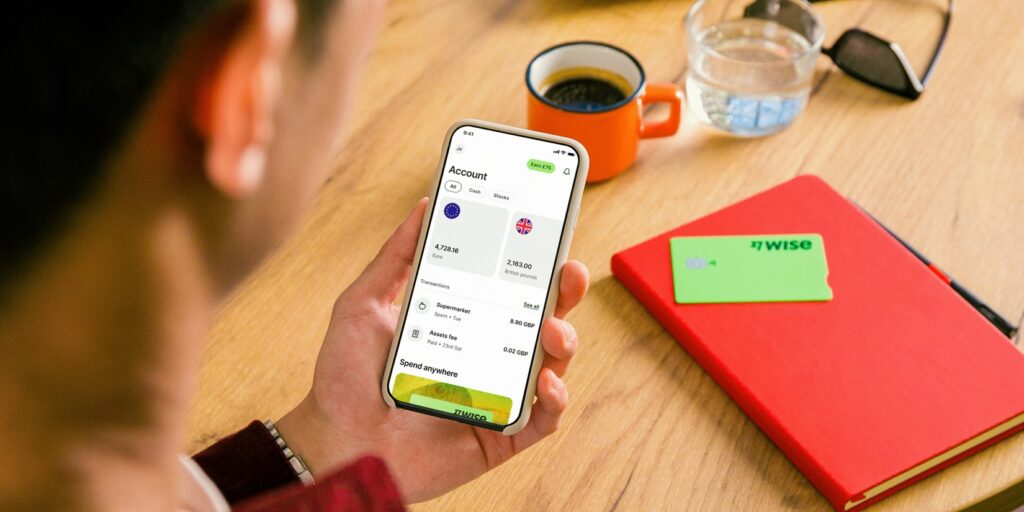
If you use Wise to send or receive money across currencies, update your address there as well.
Note: Wise address-update steps and service availability can vary by country or region. Wise may ask for proof of address, and fees, verification requirements, product features, and availability can change, so check the official Wise site for current details.
Here is a useful checklist for what to update:
✅ Set up Japan Post mail forwarding, but remember it does not change your legal address
✅ Update your employer, school, or university records
✅ Tell your mobile, internet, electricity, gas, and water providers
✅ Update rental, parking, and property management records
✅ Update your bank account in Japan, cards, and finance apps
✅ Update Wise if you use it for international transfers or multi-currency money management
Common mistakes and what to do if you are late
Here are a few of the more common mistakes for registering or changing address in Japan:
- Going to the wrong office, especially when moving between Tokyo wards
- Forgetting the move-out certificate before visiting the new municipality
- Assuming Japan Post forwarding updates your legal records
- Updating the ward office but forgetting banks, utilities, or Wise
- Bringing family papers without checking whether translations are required
- Waiting because you are worried about being late, instead of asking the municipality what to file next
If you are late, do not panic. Contact your municipality as soon as possible and ask what you need to do next. The law generally requires address notifications within 14 days, but municipalities can explain the correct procedure if you miss the deadline. The exact process may vary depending on your circumstances and your municipality.
Writer
Gary Buswell
Insider Tip
If you have already moved and are unsure what to do next, contact your former and current municipal offices before visiting, or check their websites for local guidance. Most offices can explain the process, although English-language support varies by municipality.
Useful Japanese terms and phrases for the ward office
You do not need perfect Japanese to get this done, but a few key terms can make the counter visit less stressful. Keep this short list on your phone so you can point to the right form or explain your move clearly.
| English | Japanese | Reading |
| Residence card | 在留カード | zairyu card |
| Resident registration | 住民登録 | jumin toroku |
| Residence certificate | 住民票 | juminhyo |
| Move-in notification | 転入届 | tennyu todoke |
| Move-out notification | 転出届 | tenshutsu todoke |
| Municipal office | 市役所 or 区役所 | shiyakusho or kuyakusho |
- I would like to register my address. 住所を登録したいです。
- I moved here from another city. 他の市区町村から引っ越してきました。
- I moved within this area. この地域の中で引っ越しました。
- Where is the resident registration counter? 住民登録の窓口はどこですか。
- What documents do I need? 必要な書類は何ですか。
FAQ
Frequently asked questions about changing your address in Japan
Can someone else register my address for me in Japan? 
Sometimes, yes. Whether someone else can submit the notification on your behalf depends on your municipality and your circumstances. Before relying on a representative, ask your municipal office whether proxy notification is allowed, what authorization document is required, and which identification both people must provide.
Do I need to update my My Number card after moving?
Yes. If you have a My Number card, you should bring it with you when you notify your municipality of your address change. The municipality can explain any additional documents you need and update the address information as part of the process, where applicable.
How do I forward my mail after moving in Japan?
Japan Post offers a relocation and forwarding service that redirects mail from your old address to your new one for one year from the date you apply. Treat this as a separate postal task, not as a replacement for resident registration.
What happens if I miss the 14-day address deadline in Japan?
Contact your municipality as soon as possible and ask what you need to do next. The law generally requires address notifications within 14 days, but your municipality can explain the correct procedure if you miss the deadline. Avoid relying on unofficial advice, as the practical steps depend on your personal circumstances.



Did you find this guide helpful?