
'%20id='ico-down'%20stroke='%23000000'%20stroke-width='1.5'%3e%3cg%20transform='translate(1092.250000,%20254.750000)'%3e%3cpolyline%20id='Path-2-Copy-4'%20transform='translate(5.500000,%202.750000)%20scale(1,%20-1)%20rotate(-180.000000)%20translate(-5.500000,%20-2.750000)%20'%20points='0%200%205.5%205.5%2011%200'%3e%3c/polyline%3e%3c/g%3e%3c/g%3e%3c/g%3e%3c/svg%3e)


Lifestyle
Things to Do
Guide to expat communities in Italy
As a newly arrived expat in Italy, you’ll want to build a community you can rely on for anything from a quick coffee to the inside track on the best local events to go along to. This guide includes practical advice and local insights to help.


Moving to a new country means starting again in terms of building a friendship group and community of likeminded people. That’s daunting, but expat communities tend to be extremely welcoming and familiar with the challenges new arrivals face – which means that with a little effort you’ll find your tribe.
In this guide we cover practical advice and local insights to help expats discover and connect with communities in Italy.
Why connecting matters for expats in Italy
Moving away from your familiar home environment can be exciting, but it’s also stressful and can be isolating if you’re unable to quickly build connections in your new local community.
Expats often experience a degree of culture shock in their new host country, which can make settling in tricky – and even more so where moving as a family means one partner is a “Trailing Spouse”, without a work community to lean into.
Actively working to create a new social circle and support network in Italy can mean you enjoy yourself more and also helps prevent burnout, excess stress and loneliness. The good news is that other expats in Italy have already been in your shoes – and so finding people with shared experiences and outlooks may not be as tricky as you might think.
Wise account
Are you an expat or thinking of moving to Italy? Managing your money across borders shouldn’t be complicated. With a Wise account, you can hold over 40 currencies and pay with a Wise debit card in more than 150 countries. Whether you need to spend abroad, receive or send money home, Wise can help make international money management simpler.

Where do most expats live in Italy?
Some of the biggest expat communities in Italy center around major cities like Milan and Rome for working professionals, and Tuscany including Florence and Lucca for retirees, remote workers and entrepreneurs.
Milan expat community insights
Milan is home to the largest foreign population in Italy, with a focus on working expats coming to secure jobs in sectors like finance and fashion. As a large cosmopolitan city, there are also plenty of facilities for foreign families, including schools and medical services, making this a hot pick for expat families arriving in Italy.
Milan as a city has a real buzz, but you can also escape easily into the mountains if you need time out. The key downsides of living in Milan as a foreigner include heavy traffic and high prices for housing. It’s one of the most expensive places in Italy, on a par with other Northern European capitals and major cities – but for many the chance to live in such a vibrant place steeped in history and culture makes the cost worthwhile.
Rome expat community insights
Often described as one big “open-air museum”, Rome combines world class heritage with job opportunities for foreign residents across everything from technology to tourism. Its location in central Italy also lends itself to easy travel within the country and out to other European destinations, with good connections on cheap airlines.
As a tourist city, Rome does have the disadvantage of heavy seasonal influxes of travellers, which can also lead to higher prices. While there are jobs available for expats, there can be high competition for top roles, and the salaries may struggle to keep up with the costs of living in the city.
Tuscany expat community insights
Tuscany, including cities like Florence and Lucca, is a top pick for expats looking for a slower pace of life. It’s known to be a great place for retirees in particular, with strong infrastructure and medical facilities as well as lower costs of housing outside major cities. There are large and established expat communities here, although many people do not live full-time in the region.
Bear in mind that although there are many English speakers in this area, having a grasp on Italian is essential in more rural areas. Smaller towns and villages may be more resistant to foreign incomers, so having a handle on the language can help you to fit smoothly into your new life.
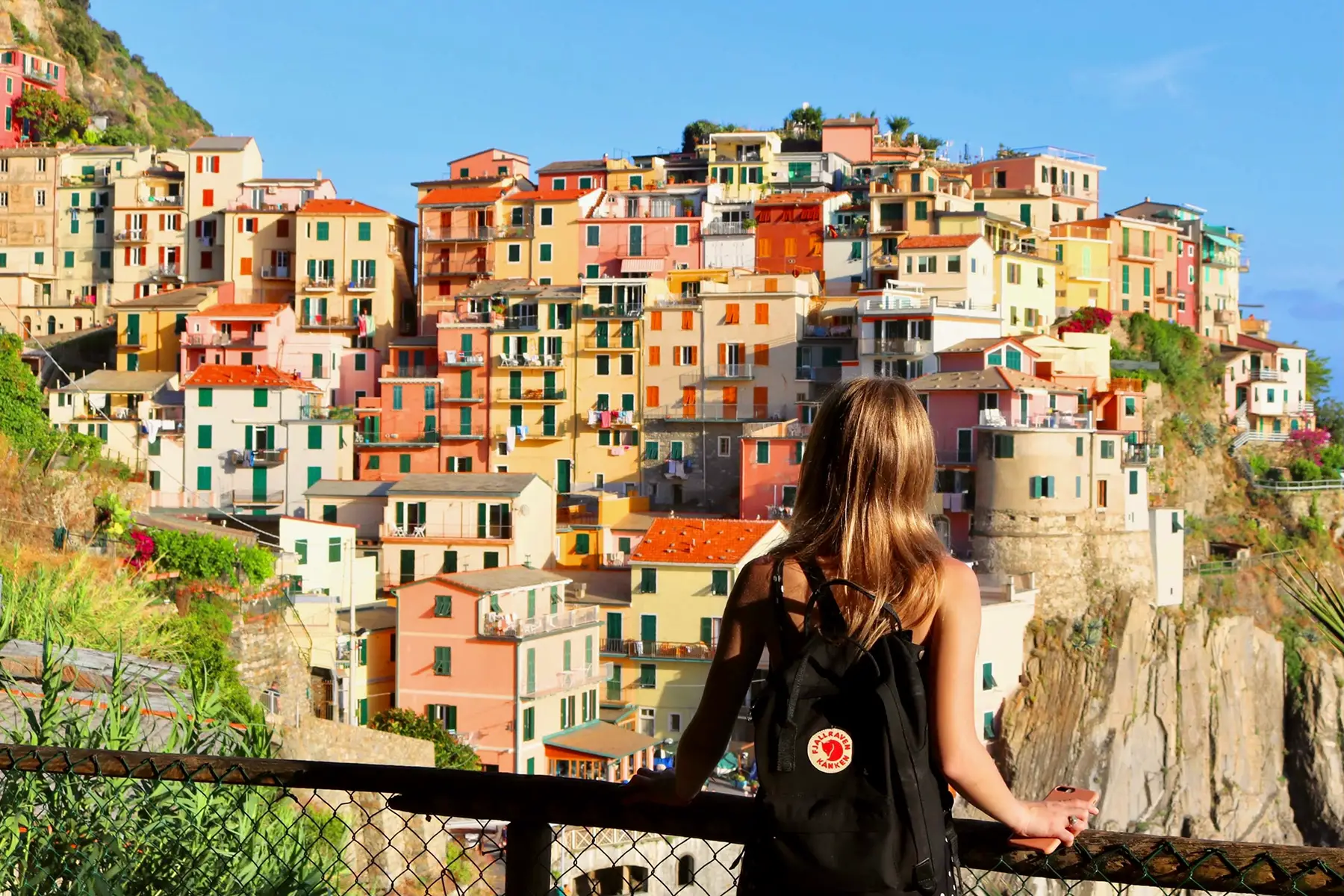
Finding your perfect expat community in Italy
Finding your community in Italy is an important step in settling into the country. You might meet people through work, hobbies or based on your family status – meeting other parents at school events for example. Starting to build a community in a new place is daunting, but with a mix of on and offline tools it’s possible to find your people.
Online expat communities and forums
Depending on where you live, and how you use social media you use, you may find helpful online groups and forums for asking questions and getting advice such as:
- Expats in Italy (Facebook)
- Expats in Rome (Instagram)
- Moving to Italy (Reddit)
Expat Facebook groups typically have a few questions to answer on sign up, for admins to check you’re a real participant. Some arrange in person meetups and events. Reddit threads may also allow you to connect with moderators if you have specific questions or issues.
Local meetups and social groups
You may be able to find in-person expat meetups and social events in Italy based on your interests. For example, if you love to read, you can find book clubs through Reddit or Facebook. Or there are specific organisations like the International Women’s Network Florence which run events.
Other common routes to connect with people locally include supper clubs and sports clubs. Even joining a gym which runs shared classes may mean access to an instant community of likeminded people.
As expats often struggle to find their tribe on arrival, there are also groups which are specifically designed to help expats meet others in Italy, based on location.
Groups do change over the years and may be more or less active – providers like InterNations are commercially run, and so can have multiple monthly events in some locations, but may require you to pay a membership fee:
- InterNations – Italy
- Rome Expats – Meetup
- Milan International Community – Meetup
Navigating life as an expat in Italy
Finding a community isn’t the only important part of transitioning to your new life as an expat. Here are another few pointers on important things to think about when you move.
Italy’s bureaucracy: Residency and Codice Fiscale
Italy’s bureaucracy has a reputation for being complicated and slow – and some actions still require you to visit local authorities in person. This may mean you need the support of a friend, translator or agent to get properly registered as an Italian resident.
All Italian residents need to get a Codice Fiscale (Italian Tax Code) which is an 16 alphanumeric character long code used for all interactions with the Italian government authorities. You can get your Codice Fiscale at the Italian Consulate or Embassy in your country of residence.
European citizens can then register their Italian residency online in many cases – non-European family members may also be able to register in this way. Registration must be completed if you plan to stay in Italy for more than 3 months. If you’re not a European citizen, you’ll need to register your residency in Italy in person at your local Municipality – get help from friends or an agent if you’re unsure how to do this.
You may also need to apply for a CIE (Carta d’Identità Elettronica). You can apply for your CIE either at the Municipality of your residence or domicile if you live in Italy already, or at an Italian Consulate or Embassy in your country of residence if you have not yet moved.
Healthcare access for expats in Italy
The state healthcare system – the Servizio Sanitario Nazionale (SSN) – supports healthcare in Italy. If you’re a legal resident of Italy from the EU, or a non-EU resident staying for over 3 months, you can register for an SSN number and access free or heavily subsidized healthcare.
Many expats do also choose to have private healthcare as well as registering for national health services. This is because you may be able to get quicker access to services, or to English speaking doctors, through a private hospital or healthcare facility.

Financial tips for expat life in Italy
Getting settled in Italy will also mean setting up your financial services, including getting a local bank account for daily payments, and moving money from your home country to Italy for your initial expenses.
To help cut the costs of moving your money from your home country to Italy, consider Wise which offers the mid-market exchange rate and transparent, low fees for transfers. Wise allows you to send your payment entirely digitally, with fast transfers from many countries globally. Wise uses the mid-market exchange rate with no markup. Fees are shown upfront before you transfer. Compare the total cost, including fees and exchange rates, when choosing how to send money.
Managing your money with an Italian bank account
Most expats will need a local bank account for daily life in Italy for things like paying rent, setting up utilities and getting a mobile phone.
Generally you need a codice fiscale to open a bank account in Italy. Accounts may have ongoing service fees, which can be paid monthly or annually for example. Transaction fees also usually apply which can vary from your home country – check through the fee sheet carefully before you sign up.
For an account to hold, receive and spend EUR – even before you have a codice fiscale – you could choose Wise. Wise isn’t a bank, but does offer an IBAN to let you receive EUR payments, and a EUR holding balance for day to day spending and transfers.

Biggest and best expat communities in Italy
Some of the biggest expat communities in Italy are in Milan or Rome – particularly for working professionals and families – and in Tuscany, which can suit retirees, remote workers and people in the tourism industry.
You can find the best expat communities in Italy for your own unique situation with some advance research and planning. Join relevant online groups and think about signing up for hobby groups or sports clubs to find your tribe. Anything from a gym to a supper club, to an improv group or an art class could be your link into a community of like minded people in your new home.
FAQ: Your expat community questions answered
Where do most expats live in Italy?
Expats in Italy may be there to work, study or retire – and this can often drive their preferred location. Milan has the largest jobs market and is popular for working professionals and families, while Rome is a hot pick for culture lovers. Tuscany also has large communities of retirees, as well as entrepreneurs, remote workers and people in the tourism industry.
What are the biggest mistakes when moving to Italy?
Moving to Italy is exciting – but it can be easy to forget some of the necessary bureaucracy such as getting your codice fiscale and registering your residency with the local authorities. It’s also important to start building a community around you to help you through your transition and offer advice and practical support once the excitement of the ‘honeymoon period’ passes.
Useful resources
- Codice Fiscale – Italian Tax Code
- Register Italian residency online – service for EU citizens
- CIE (Carta d’Identità Elettronica) – electronic ID card for Italian residents
- Allianz – healthcare explainer
Community groups:
- Expats in Italy (Facebook)
- InterNations – Italy
- Expats in Rome (Instagram)
- International Women’s Network Florence



Did you find this guide helpful?