
'%20id='ico-down'%20stroke='%23000000'%20stroke-width='1.5'%3e%3cg%20transform='translate(1092.250000,%20254.750000)'%3e%3cpolyline%20id='Path-2-Copy-4'%20transform='translate(5.500000,%202.750000)%20scale(1,%20-1)%20rotate(-180.000000)%20translate(-5.500000,%20-2.750000)%20'%20points='0%200%205.5%205.5%2011%200'%3e%3c/polyline%3e%3c/g%3e%3c/g%3e%3c/g%3e%3c/svg%3e)


Finance
Insurance
Home insurance in France: property, contents, and liability
Whether you’re in Paris or Provence, protect your property and treasured possessions with home insurance in France.


France has legal requirements concerning home insurance, so it’s important to know what type of coverage you’ll need if you buy or rent a property. Here is all the key information on home insurance in France, with sections on:
Fab French Insurance
Make insurance fabulously easy with Fab French Insurance. This insurance brokerage has 10+ years of experience providing English-language support to internationals in France. Find affordable, tailored solutions for medical insurance for visas, mutuelles, and home and car insurance with Fab French Insurance.

An overview of home insurance in France
There are two main types of home insurance (assurance habitation) in France. These are:
- Civil liability insurance (assurance responsabilité civile), which covers damage to third parties and their property caused by you or your home
- Multi-risk insurance (assurance multirisque), which is liability insurance plus protection for your own home and its contents

French law does not impose the same home insurance requirement on everyone. Tenants in rental properties with a residential lease must have at least rental-risks cover, while anyone who owns a lot in a co-owned building (copropriété) must have civil liability cover, whether they live there or rent it out. Owners of properties outside a copropriété are generally not legally required to insure the home, although cover is strongly recommended.
Construction insurance (assurance dommages-ouvrage) is separate from standard home insurance. If you commission construction, an extension, or major structural renovation work, you generally need to take out this cover before the building work starts. It pre-finances repairs for damage covered by the builders’ ten-year guarantee without first determining liability. The cover normally ends 10 years after the works are formally accepted and, because it usually starts after the one-year completion guarantee, its standard effective period is nine years.
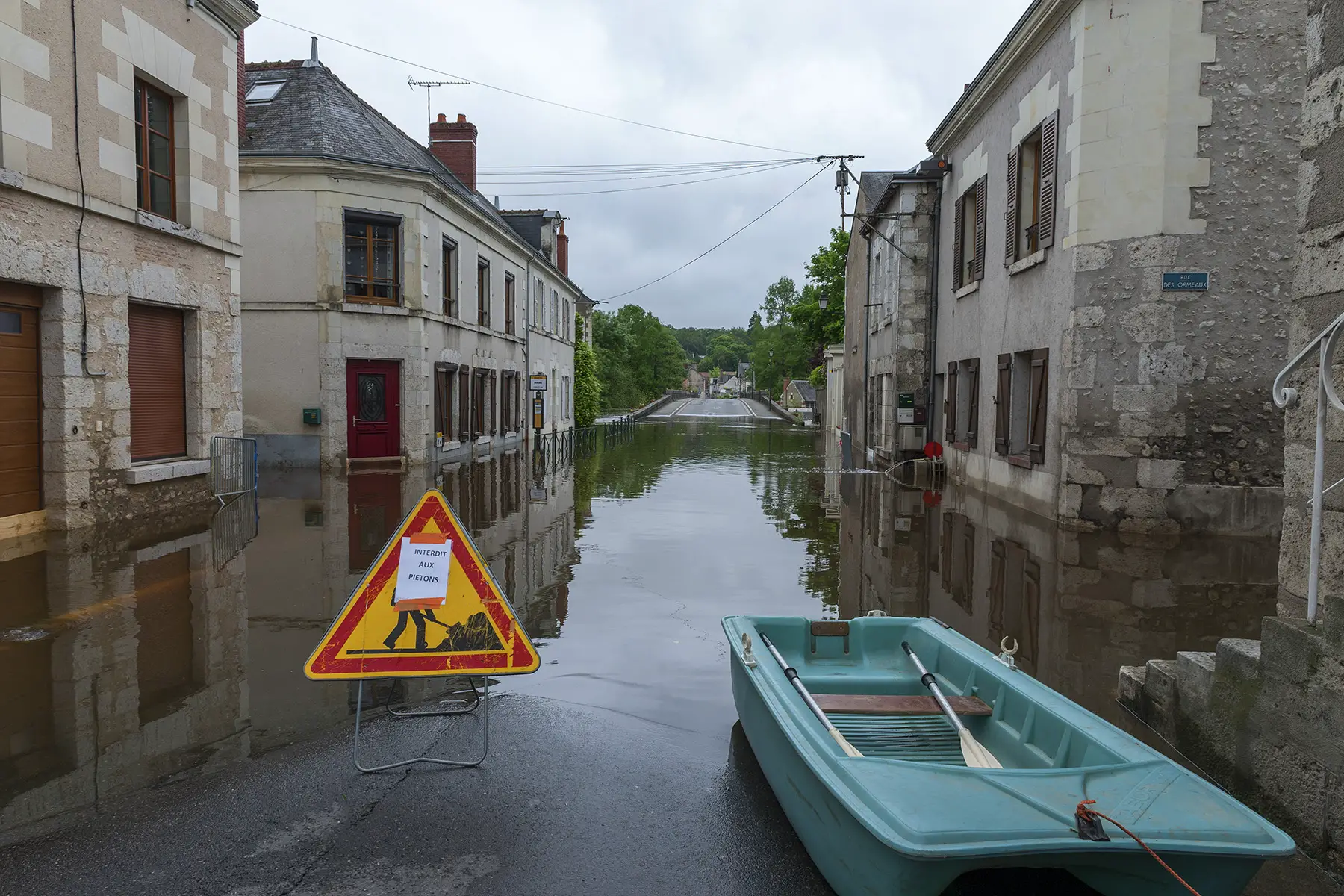
Home insurance remains a major insurance sector in France. According to France Assureurs, there were 46.3 million multi-risk home insurance contracts at the end of 2025, generating €15.0 billion in premiums during the year. The Autorité de contrôle prudentiel et de résolution (ACPR), an authority backed by the Banque de France, supervises the French insurance sector.
Can you use home insurance from another country in France?
If you are relocating to France, ask your current insurer whether it is authorized to cover a French property. An insurer authorized in another European Economic Area (EEA) country may operate in France under freedom of establishment or freedom to provide services, subject to the applicable passporting rules. You can check authorization through the ACPR and read more about EU insurance rules.
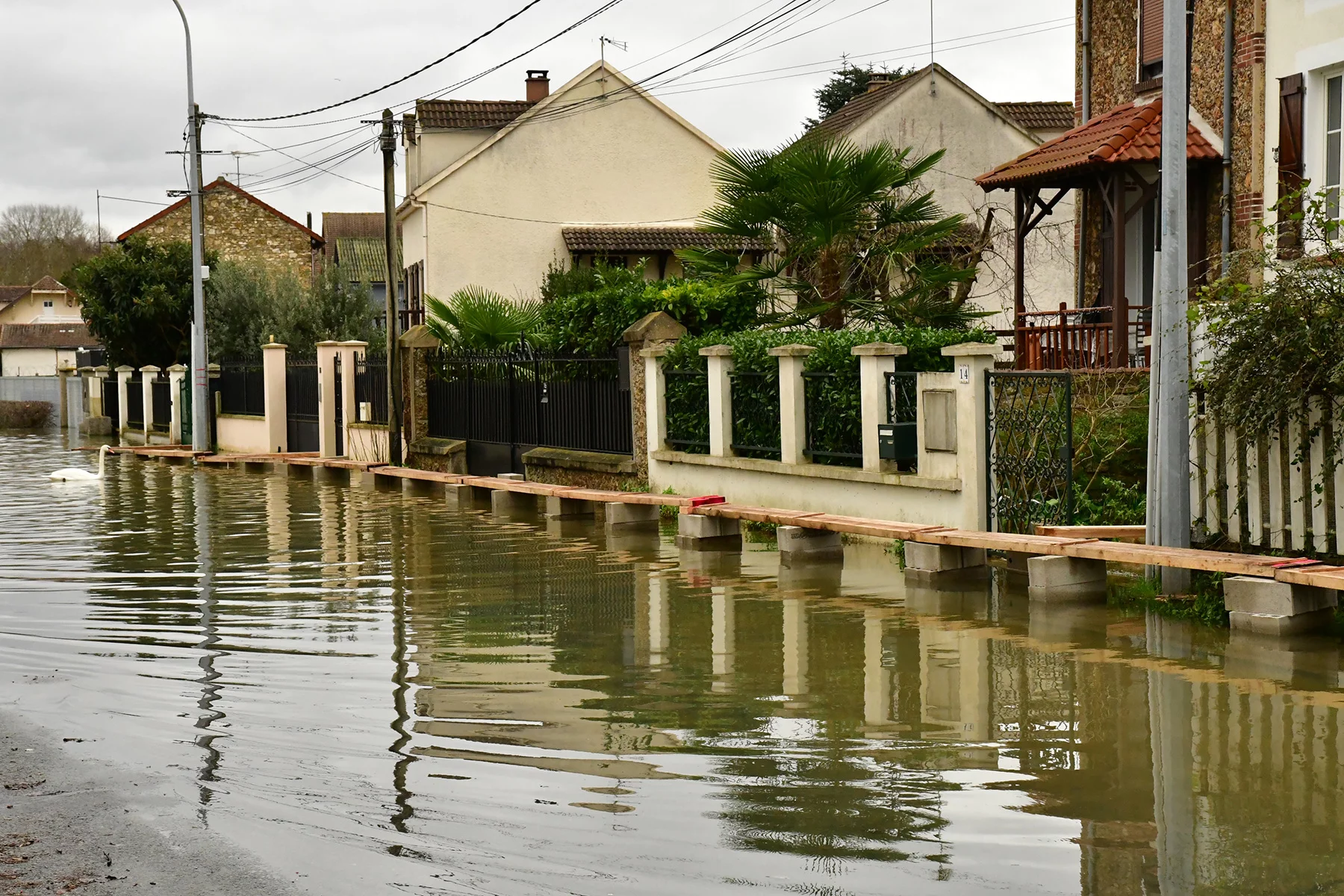
Whether an existing policy can be amended to cover your French home depends on the insurer and the contract. Do not assume that the same premium, limits, excesses, or territorial cover will carry over. Ask the insurer for written confirmation that the French property is covered and that the policy meets any legal insurance requirements that apply to you.
If your existing contents policy includes overseas or worldwide cover, check its territorial limits, maximum duration abroad, exclusions, and whether it applies to a permanent move rather than only temporary travel.
Managing cross-border finances for insurance
One challenge expats face when using international insurance is managing payments across different currencies. Wise uses the mid-market exchange rate when converting money and charges conversion fees that vary by currency. If you pay French insurance from a foreign-currency balance, check the fee shown for the transfer or conversion before confirming the payment.
For expats managing properties in multiple countries, a Wise account lets you hold and manage money in more than 40 currencies. This can help you organize insurance premiums, property taxes, and maintenance costs in different countries; when currency conversion is required, Wise applies the current conversion fee shown before you confirm the transaction.

Home insurance companies and brokers in France
There are a number of insurance companies and brokers to choose from when shopping for home insurance in France. These include insurance specialists as well as some French banks. Some of the big names include:
You can also work with a broker, who will advise you on your options and help you find tailored coverage. Insurance brokers who work with internationals in France include:
Lemonade
Think you know insurance? Think again. Lemonade brings insurance into the 21st century, letting you take out liability and contents coverage in minutes. On their easy-to-use English app, you’ll be able to buy and manage your cover from the comfort of your own phone. Protect your home and belongings instantly with Lemonade.
Each company is different in its offer, and it typically pays to shop around to find the best deal for your situation. As an expat living in France, you may also wish to seek out a company that provides relevant information in English.
Home liability insurance in France
In France, compulsory rental-risks cover (garantie risques locatifs) and general private civil liability (responsabilité civile vie privée) are different forms of protection. For tenants, rental-risks cover protects the landlord when the tenant is liable for damage to the rented home caused by events such as fire, explosion, or water damage. On its own, it does not cover the tenant’s belongings or damage to neighbors and other third parties.
Private civil liability cover, which is commonly included in multi-risk home insurance, can cover accidental bodily injury or property damage that you or members of your household cause to third parties in private life. Cover for family members and pets, as well as exclusions and payout limits, depends on the contract. Civil liability cover does not insure your own property or belongings.

French law makes specific home-insurance cover mandatory for:
- Tenants with a residential lease, including a bail mobilité, who must have at least rental-risks cover for fire, explosion, and water damage to the rented home. They must provide an insurance certificate when the keys are handed over and then once a year if the landlord requests it. Seasonal and holiday lets are outside this statutory obligation, although the rental contract may still require suitable insurance.
- Owners in a copropriété, whether owner-occupiers or landlords, who must carry civil liability insurance covering damage for which they are responsible.

Owner-occupiers whose property is outside a copropriété are generally not legally required to take out home insurance. In a copropriété, however, civil liability insurance is compulsory for every co-owner. If insurance is not legally required and you choose to remain uninsured, you may have to pay personally for damage to your own property and for liabilities not otherwise covered.
Liability insurance policies pay out damage costs up to a specified maximum amount. You can usually increase this amount or include additional expenses by paying a higher premium.
Costs of home liability insurance in France
The cost of liability and rental-risks cover varies by insurer, property, location, insured capital, excess, and the guarantees you add. Because these protections are commonly bundled into a multi-risk home policy, there is no useful single nationwide starting price for liability-only cover. Compare quotes for your own situation and check exactly which liabilities are included.
Multi-risk home insurance in France
Multi-risk insurance is the most popular type of home insurance in France. It will typically include liability insurance plus coverage against damage to your home and its contents.
French law does not require the full multi-risk home insurance package as such. Instead, certain guarantees are compulsory depending on your status, notably rental-risks cover for residential tenants and civil liability for co-owners in a copropriété. Do not confuse home insurance with mortgage borrower insurance (assurance emprunteur), which is a separate product that a lender may require as a condition of a French mortgage.
Insurers offer different coverage levels. Multi-risk policies generally cover events such as fire and explosion, water damage, storms, hail and snow, and, where the contract covers property damage, the statutory natural-catastrophe guarantee. Theft, vandalism, glass breakage, electrical damage, accidental damage, and other extensions depend on the policy and may be subject to conditions, limits, or optional cover. Deliberate damage and ordinary wear and tear are generally excluded.
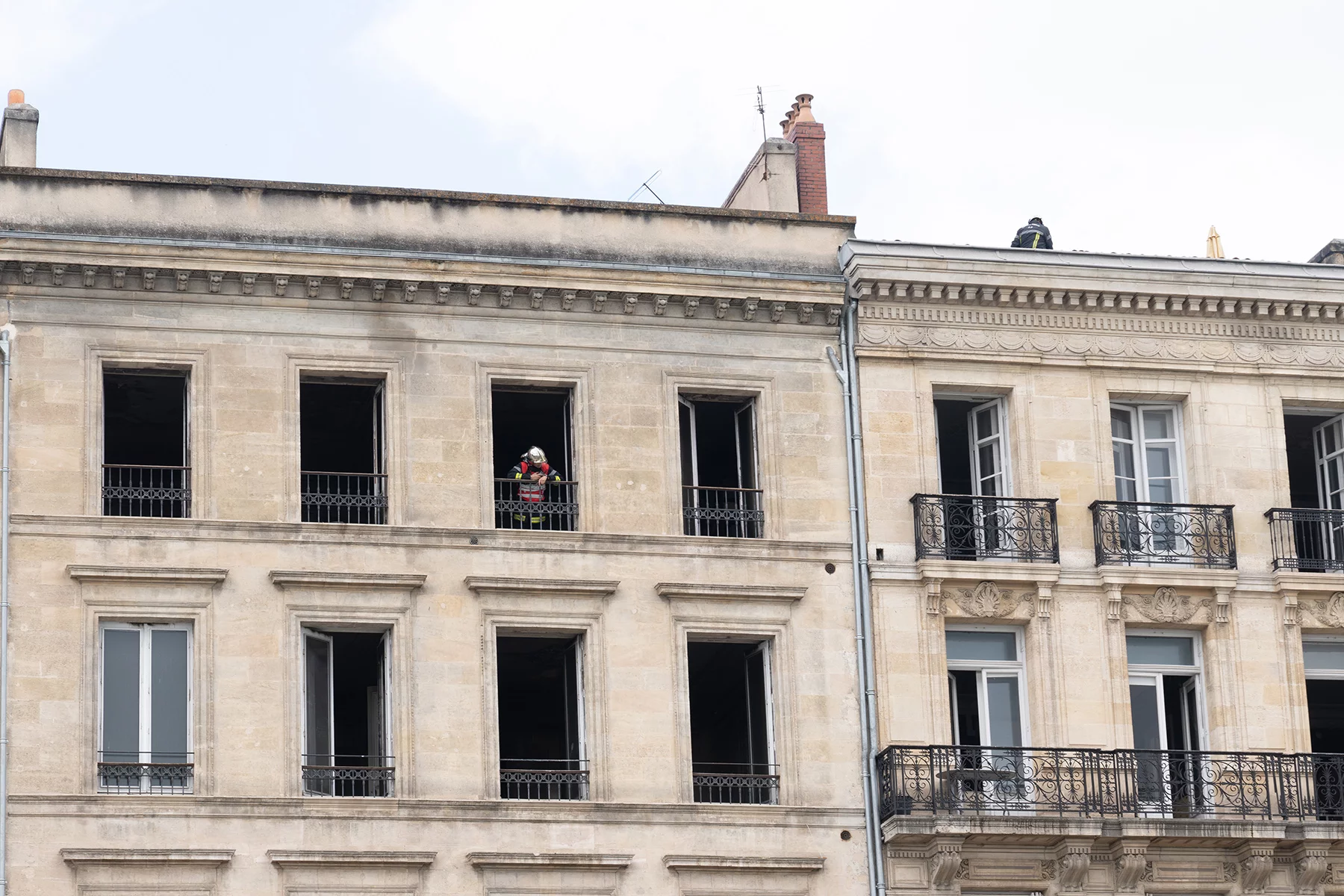
What counts as the insured building and contents depends on the contract. Policies can cover the home and its furniture and personal belongings, while garages, outbuildings, garden structures, swimming pools, equipment kept outside, and valuable items may need specific cover or higher limits. There is no universal €5,000 threshold for a “precious” item: insurers define valuables and their payout limits in the policy terms.

Policies typically pay out for the cost of replacing goods and repair or rebuild costs but check your policy for maximum payout limits. Extended policies can include extras such as cleanup costs, alternative accommodation, and legal fees.
Insurers often sell different types of multi-risk policies. For example, separate policies for homeowners, tenants, and those in flatshares; or for apartments and detached houses.
Costs of multi-risk home insurance in France
Multi-risk premiums can vary greatly in France. As with liability insurance, costs are calculated based on a number of factors, including the value of goods or property you are insuring, the size and type of property, security measures in place, location, and your own personal profile, including claims history.
According to France Assureurs, the average multi-risk home insurance premium before tax was €323 in 2025. The average was €351 for occupant contracts and €191 for non-occupant contracts. These are market averages rather than quotes, so your premium can differ significantly depending on the property, location, claims history, excess, and cover selected.
How to choose your home insurance in France
If you’re shopping around for home insurance in France, here are a few questions to consider:
- How flexible is the policy? Whether you need a liability or multi-risk policy, can you tailor it to include what you need and remove any unwanted coverage?
- Can you lower your premiums by paying an annual deductible? If so, by how much?
- Does the company have good reviews or has someone you trust recommended them? Check trusted review sites for feedback.
- What incentives are on offer? For example, discounts on other products or free gifts.
- What does the company pay out on in the event of a claim? Is there a maximum claim amount?
- Is it clear what (and how long) the claims process is?
- How does the company perform in terms of ethics, sustainability, and Corporate Social Responsibility (CSR)? Check the insurer’s own sustainability reporting and, where available, independent corporate ESG ratings such as Standard Ethics.

Applying for home insurance in France
Each insurance company has its own application procedure. In general, you can apply online, by phone, or in person at a local branch with most insurers. Online is the most convenient way. You’ll need to fill out an online questionnaire giving relevant details on your home and personal information about yourself.
Once you’ve completed this, you’ll be instructed on how to proceed and what documents you need. Typically you’ll need to provide your address, proof of ID, and bank details as a minimum. With some companies, you can take out a policy online in minutes. Others will put you in touch with a local agent to proceed.
Once the paperwork has been completed, you will receive your insurance policy number, certificate, and information on your policy. Home insurance in France typically lasts a year and often renews automatically.
How to make a home insurance claim in France
The process of making a claim will likely depend on your specific policy, so be sure to read the fine print. So, contact your insurance company directly, and they will advise you about what documentation you’ll need, how to proceed, and claim timelines. Though each company will have different requirements, you should be prepared to provide:
- proof of damage
- policy number
- an invoice of the damaged goods
- in the case of a theft, you’ll need to have the police report showing you declared the theft.
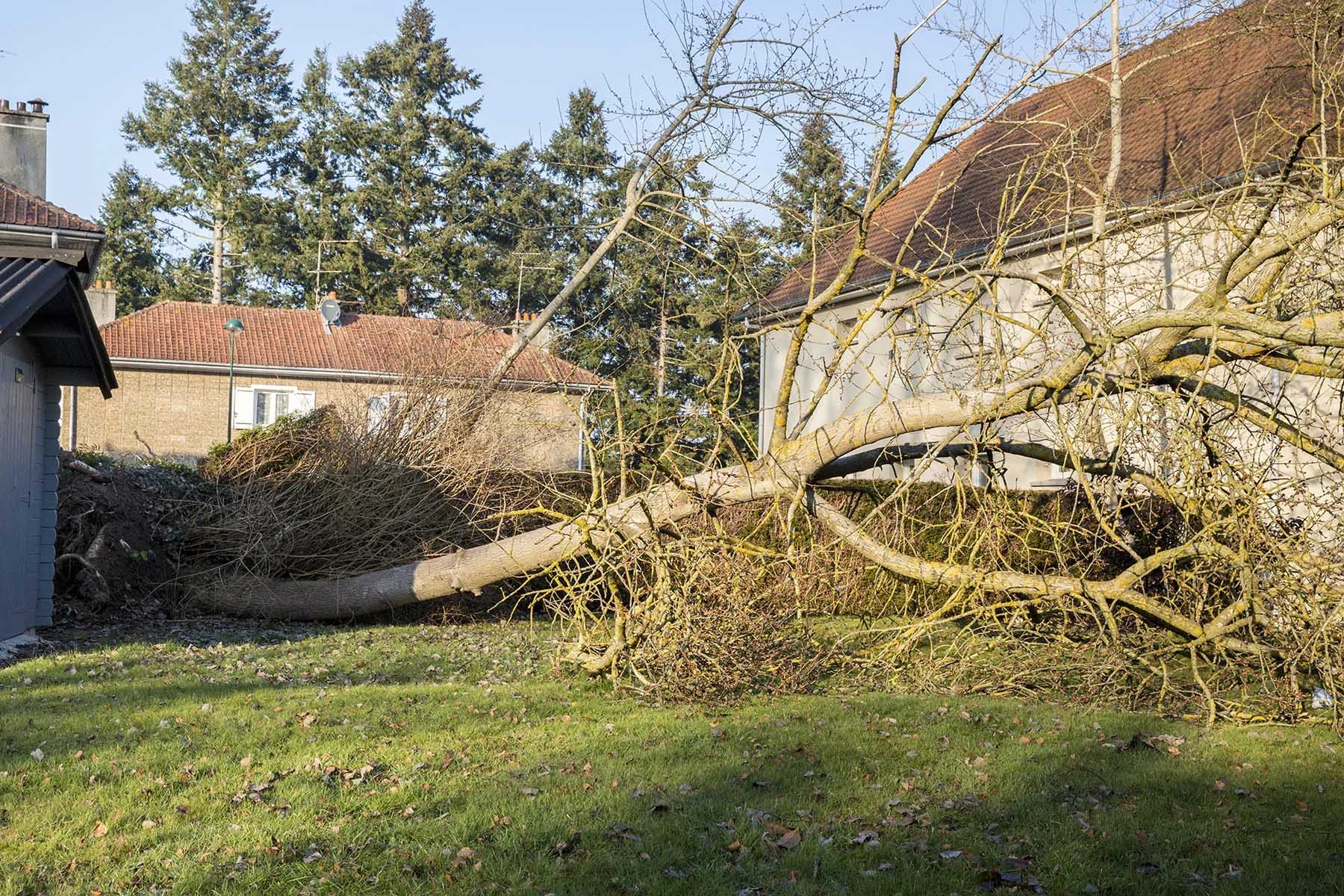
For many home-insurance claims, the contract cannot set a reporting period shorter than five working days after the event or after you become aware of it; for theft, the minimum reporting period is two working days. For a recognized natural disaster, notify your insurer as soon as possible and no later than 30 days after the interministerial natural-disaster order is published in the Journal officiel. Check your policy because it may allow a longer period for ordinary claims.
Canceling a contract or changing provider
Home-insurance contracts often run for a year and renew automatically. If you want to cancel at the annual expiry date, follow the notice period in your contract, which is generally two months; the insurer must also remind you of the deadline with the renewal notice. Certain changes in personal circumstances, such as a move, a change in marital or professional status, or retirement, can allow earlier cancellation when the change affects the insured risk.
After the first anniversary, you can cancel a tacitly renewable home-insurance contract at any time without fees or penalties. If the cover is legally compulsory, for example because you are a tenant or co-owner in a copropriété, your new insurer must handle cancellation of the old policy so there is no gap in cover. For non-compulsory insurance, you can notify the insurer yourself; cancellation takes effect one month after it receives the request, and overpaid premiums must be refunded. If the insurer allows contracts to be taken out online, an online cancellation facility must also be available.
Making a complaint about a home insurance company in France
If you want to complain about an insurance company in France for any reason – for example, you are unhappy with a product or feel that you have been unfairly treated – you should follow these steps:
- First, make a written complaint to the insurer using the complaints procedure shown in your contract or on its website. The insurer should acknowledge receipt within 10 working days and provide a response within two months. Its response should identify the consumer mediator that you can contact if the dispute remains unresolved.
- You can contact the relevant consumer mediator immediately after receiving a final response from the insurer, or in any event two months after sending your written complaint if the dispute has not been resolved. For insurers covered by it, you can submit a case to La Médiation de l’Assurance. Mediation is free for consumers and can be requested online or by post.
Holiday home insurance in France
Seasonal and holiday-home tenants are not subject to the same statutory rental-risks insurance obligation as tenants with a residential lease. However, the rental contract may require suitable cover, and travelers should check whether their existing home policy includes responsabilité civile villégiature. For owners, the usual copropriété distinction still applies: civil liability insurance is compulsory for co-owners, while there is no general statutory home-insurance requirement for an individually owned property outside a copropriété. If you’re renting out a holiday home, check that your policy specifically covers short-term letting and any periods when the property is unoccupied.

Suppose you’re looking to insure a holiday home. In that case, many companies sell holiday home or second home insurance that focuses on specific risks such as damage to unattended property and loss of rental income, in addition to the standard liability, building, and contents protection. You can also find offers with brokers specializing in expat property insurance, such as IntaSure in the UK.
Managing property expenses from abroad
Vacation home owners face unique challenges in managing property-related expenses from their home country. From insurance premiums to utility bills and maintenance costs, these expenses often need to be paid in euros even when your main income is in another currency.
Wise lets eligible customers hold euros and more than 40 other currencies, send bank transfers, and spend with the Wise debit card. Card spending is free from Wise when you already hold the currency being spent; if Wise needs to convert another currency into euros, a conversion fee applies. Check the current pricing shown by Wise before making a transfer, conversion, or card payment.
Useful resources
- Autorité de contrôle prudentiel et de résolution (ACPR) – official supervisor of the French insurance sector
- Service Public – home insurance – official overview of home-insurance rules, contracts, claims, and disputes (in French)
- Service Public – tenant insurance obligations – official rules on compulsory rental-risks cover and insurance certificates (in French)
- Service Public – dommages-ouvrage insurance – official rules for construction and major structural renovation work (in French)
- French Ministry of the Economy – canceling insurance – current cancellation rules, including cancellation after the first anniversary (in French)
- ACPR – making a complaint – complaint-response and mediation timelines (in French)
- France Assureurs – home insurance in 2025 – latest annual market figures and average premiums



Did you find this guide helpful?