
'%20id='ico-down'%20stroke='%23000000'%20stroke-width='1.5'%3e%3cg%20transform='translate(1092.250000,%20254.750000)'%3e%3cpolyline%20id='Path-2-Copy-4'%20transform='translate(5.500000,%202.750000)%20scale(1,%20-1)%20rotate(-180.000000)%20translate(-5.500000,%20-2.750000)%20'%20points='0%200%205.5%205.5%2011%200'%3e%3c/polyline%3e%3c/g%3e%3c/g%3e%3c/g%3e%3c/svg%3e)


Finance
Money Management
How to invest in gold in Germany
Germany gives expats several ways to get gold exposure, from coins and bars to listed products such as Xetra-Gold. The catch is that costs, storage, and tax treatment can change sharply depending on what you actually buy.


If you want to buy gold in Germany, the real choice is not just where to buy. It is whether you want to own metal yourself, hold a market-listed product through a broker, or compare gold with silver as a lower-cost entry point.
Below, we break down how physical bullion compares to German gold ETCs, where key tax exemptions apply, and how to evaluate storage options safely.
Key takeaways
- Germany offers three main routes: physical gold, gold ETCs and, for some readers, silver as a related but different metal.
- Physical gold gives you direct ownership, but you must plan for storage, insurance, and the gap between buy and sell prices.
- Gold ETCs can be easier to trade through a brokerage account, but product structure, delivery rights, and issuer risk matter.
- Gold tax Germany rules can vary by product structure, so do not assume every listed product is taxed like physical bullion.
- Silver may have different purchase-tax and pricing rules from investment gold in Germany.
- Keep gold within wider money management in Germany.
What to know before you start
Gold is usually used as a store of value or diversification asset, not an income-producing one.
Before you buy, ask whether this money should stay liquid instead. If your emergency fund is not ready or you may need the cash soon, Expatica’s guide to saving money in Germany may be a better first step. Ask yourself:
- Do I have emergency savings for near-term costs?
- Is my time horizon at least a year, or longer?
- How quickly might I need to sell?
- Am I comfortable storing a physical asset, or would I rather use a brokerage account?
Keep every invoice, confirmation, and product document from day one. Proof of purchase date and product structure can be vital later if you sell or need to confirm how a gold ETC is taxed.

Your main ways to invest in gold in Germany
In Germany, compare what you own, the costs, how easy it is to sell, and how the route is generally taxed.
| Route | What you own | Main costs | Liquidity | Storage | Tax treatment to verify |
|---|---|---|---|---|---|
| Physical gold | Bars or bullion coins | Premiums, delivery, insurance, storage | Usually moderate | Your responsibility | Often discussed under private-sale rules if sold after more than one year |
| Gold ETCs | A market-listed security linked to gold | Brokerage fees, spread, product fee | Usually high | No home storage | Depends on structure, delivery claim, and current treatment |
| Silver | Bars or coins | Higher relative spreads, purchase tax, storage | Moderate | Your responsibility | Different purchase-tax and sale rules may apply |
Buying physical gold in Germany
Physical gold usually means bars or bullion coins. Bars can be efficient for larger amounts, while coins can be easier to recognise and resell, especially well-known one-ounce bullion coins.
Because they affect resale trust, purity and recognisability are especially important. Investment gold is commonly sold in high-purity form, and very small bars often carry higher premiums per gram, which can make them less efficient for beginners. Before you buy:
- Compare bars and coins by premium, not just headline weight
- Check whether the dealer clearly labels the product as investment gold
- Read the buyback policy before you pay
- Confirm delivery method, transit insurance, and packaging
Using gold ETCs and exchange-traded products
While many investors search for “gold ETFs” in Germany, the EU legal framework actually classifies most single-commodity gold products as Exchange Trated Commodities (ETCs). That’s why it’s always worth checking the legal structure rather than relying on shorthand from forums or videos.
These products aim to track the gold price, but they do not all work the same way. One thing worth knowing is that some products include a delivery claim, while others are taxed more like capital-market instruments, so the factsheet and prospectus matter.
- Check how the product gets its gold exposure
- Check whether there is a physical delivery claim
- Check the issuer name and understand issuer risk
- Check ongoing charges and custody costs in the factsheet
- Check whether the product is an example like Xetra-Gold or something structured differently
Should you also consider silver in Germany?
Silver appears in the same search journey because it can offer a lower starting price than gold. But it is not just “cheaper gold.” Its price can move for different reasons, and purchase taxation and dealer spreads can look quite different in practice.
- Entry prices are often lower than gold
- Volatility can be higher
- Verify the latest German silver tax and dealer-pricing rules before you buy
Physical gold vs gold ETCs in Germany
If you are not sure whether to choose physical gold or a gold ETC, the key question is what problem you want to solve. Physical gold suits readers who want direct possession and do not mind handling storage, while gold ETCs suit readers who care more about trading access and easier portfolio administration.
This is different from a simple “better or worse” choice. Physical gold can mean higher premiums and more storage friction, but it removes day-to-day issuer dependence. Gold ETCs can be easier to buy and sell, but you must read the structure carefully and verify how Germany taxes that specific product.
| If you care most about… | Physical gold may fit better | Gold ETCs may fit better |
|---|---|---|
| Direct ownership | Yes | No |
| Fast buying and selling | Less convenient | Usually easier |
| No home storage | No | Yes |
| Recognisable resale items | Often yes | Not applicable |
| Lower handling hassle | No | Often yes |
| Product-structure risk | Lower issuer exposure | Must verify issuer and structure |
Costs, storage and how to buy safely
The real cost of gold investment in Germany is not just the spot price. For physical gold, you may pay a product premium, delivery fees, insurance, storage costs, and a resale spread. For gold ETCs, the costs can shift into brokerage fees, bid-ask spreads, and product charges.
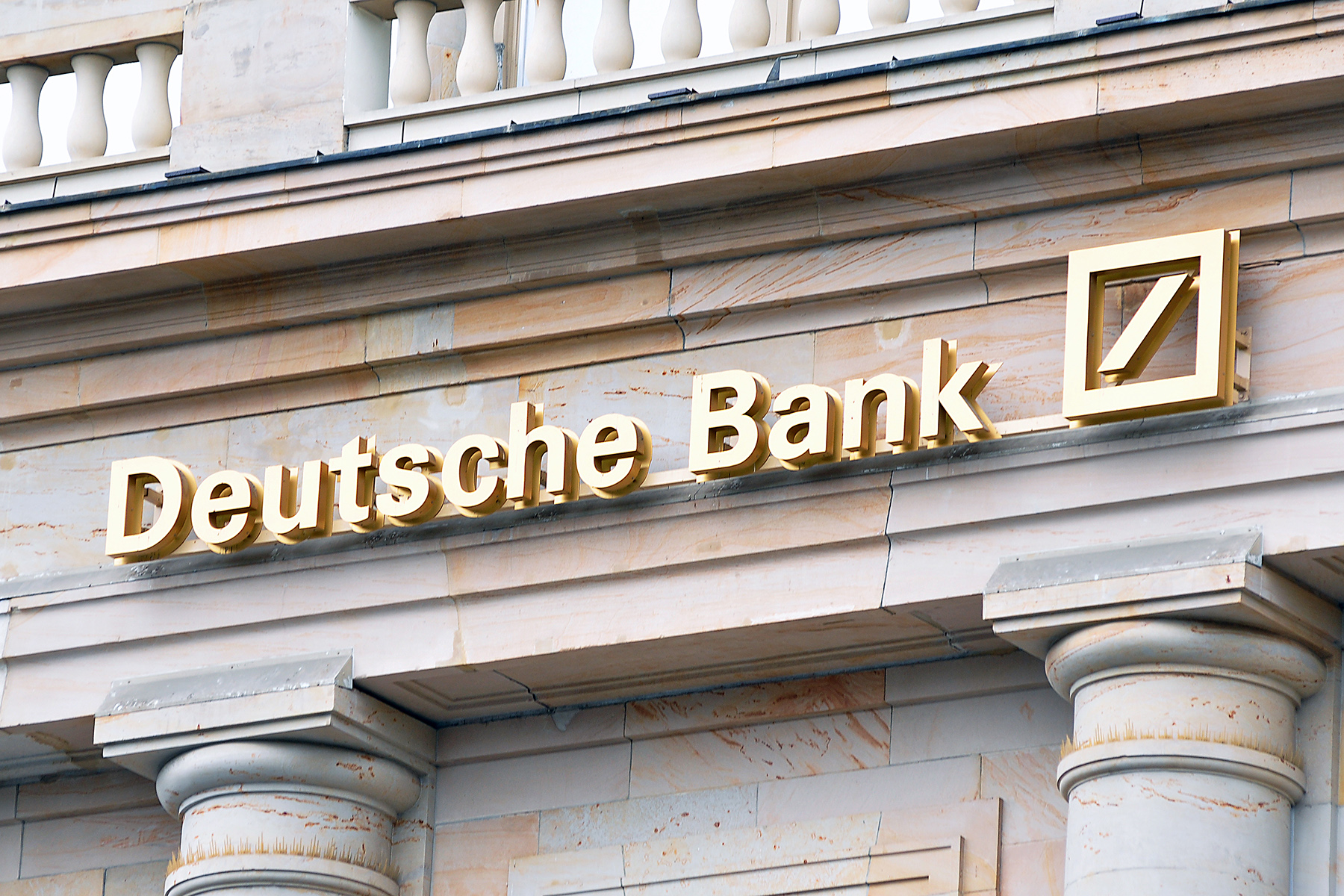
Storage changes the decision more than many beginners expect. Keeping gold at home gives quick access but raises security and insurance questions. Safe deposit options at major local banks such as Deutsche Bank, Commerzbank, and Postbank may suit some readers, while private vault providers can offer another route with separate terms and fees.
- Compare the all-in buy price, not just the gold price
- Read the dealer’s or provider’s sell-back terms before purchase
- For brokers or listed products, verify the firm in BaFin’s company database
- Check whether delivery is fully insured
- Decide your storage plan before you buy
- Keep invoices, serial details, and product documents
- Do not treat anonymity as a benefit. Compliance checks are a normal part of higher-value purchases

Editor in Germany
Philipp Spitzenpfeil
Insider Tip
One-ounce bullion coins are often easier to resell quickly than very small bars, because premiums are usually lower and buyers recognise them faster.
How gold and silver are taxed in Germany
Tax points below reflect sources checked on 7th September 2026, but rules can change and your tax residency still matters.
Physical investment gold: Germany often places physical gold under the private-sale rules in Section 23 EStG. Here, “private sale” means a private disposal rule, not the flat tax on capital income, and gains after more than one year are often treated differently from quicker sales.
Gold ETCs and other listed products: Do not assume every product is taxed like physical bullion. If a product falls under capital income, Abgeltungsteuer, Germany’s flat withholding tax, and the Sparer-Pauschbetrag, the annual savings allowance, can make a difference.
Investment gold VAT versus silver: Germany gives investment gold its own VAT treatment under Section 25c UStG. Silver does not automatically follow those rules, so purchase tax and dealer pricing can differ.
Xetra-Gold and named examples: Product structures commonly lead to mixed answers. German court decisions have treated some delivery-claim products differently from generic gold funds, so check the exact security you hold.
Expats and tax residency: If you are a tax resident in Germany, you may still need to take worldwide reporting into account. If you are newly arrived, dual resident, or moving again soon, home-country rules and treaty questions may still affect reporting.
How to verify: Check current official guidance, product documents, and, if needed, a qualified adviser before relying on any tax outcome. This matters most for gold ETCs, silver, and cross-border cases.
How to choose the right option for your goals
Direct ownership feels intuitive if you prefer physical metal in hand, whereas managing a gold ETC through a local broker offers significantly faster liquidity and lower ongoing administration costs.
A first-time expat investor with a modest budget may prefer a recognisable coin or a small listed position, depending on storage comfort. A reader moving a larger sum into Germany may care more about transaction costs, source-of-funds paperwork, and resale planning.
- Do I want direct ownership or just price exposure?
- Do I want easy trading through a brokerage account?
- Am I comfortable paying for storage or insurance?
- Do I expect to sell in smaller parts later?
- Have I checked how this exact product is taxed in Germany?
Moving money from abroad to fund a large gold purchase
If you are funding a gold purchase from abroad, exchange-rate markups, transfer fees, timing, and source-of-funds records can all change the final euro cost. Wise is one option to compare when making high-value international money transfers into euros, because it shows fees upfront and uses the mid-market exchange rate.

- Compare the full transfer cost, not just the visible fee
- Keep transfer receipts and source-of-funds records
- Check euro timing if your purchase is date-sensitive
- Make sure your dealer, broker, or bank can accept the payment route you plan to use
FAQ
Frequently asked questions about investing in gold in Germany
Is gold tax-free in Germany after one year? 
Often, physical gold is discussed under private-sale rules, so the result after more than one year can differ from a shorter holding. Do not assume the same treatment for every listed gold product.
Are gold ETCs taxed the same as physical gold in Germany?
Not always. Some gold ETC-style products may be treated differently depending on delivery rights and structure, which is why named examples such as Xetra-Gold need checking.
Is silver taxed differently from gold in Germany?
Yes, it can be. Silver often follows different purchase-tax and dealer-pricing rules from investment gold, so verify the current position before treating the two metals as interchangeable.
Where can expats buy gold in Germany safely?
If you want to buy gold in Germany, prioritise reputable dealers, clear pricing, insured delivery, transparent buyback terms, and proper paperwork. For listed products, verify both the firm and the structure.
Do you need to store physical gold differently in Germany?
The main options are home storage, private vaults, and safe deposit facilities where available. Compare access, insurance, security, and cost, and remember that provider terms can vary.
Useful resources
- BaFin company search – Database to verify whether a broker, dealer, or financial service provider is authorised and regulated in Germany
- Deutsche Börse Xetra-Gold overview – Product specifications, security details, and physical redemption terms for Xetra-Gold
- Section 23 EStG, private-sale rules – Statutory income tax framework governing private sales, including the 12-month holding period for tax-free gains
- Section 25c UStG, investment gold VAT rules – German tax regulation exempting qualifying investment-grade gold bars and coins from 19% VAT
- Federal Fiscal Court decision on Xetra-Gold – Landmark ruling confirming that physical-backed ETCs with delivery rights qualify for tax-free treatment after one year
- LBMA Good Delivery current list – Register listing verified precious metals refiners meeting global quality and purity standards


Did you find this guide helpful?