
'%20id='ico-down'%20stroke='%23000000'%20stroke-width='1.5'%3e%3cg%20transform='translate(1092.250000,%20254.750000)'%3e%3cpolyline%20id='Path-2-Copy-4'%20transform='translate(5.500000,%202.750000)%20scale(1,%20-1)%20rotate(-180.000000)%20translate(-5.500000,%20-2.750000)%20'%20points='0%200%205.5%205.5%2011%200'%3e%3c/polyline%3e%3c/g%3e%3c/g%3e%3c/g%3e%3c/svg%3e)



Germany is one of Europe’s most visited countries and a top destination for expats, digital nomads, and long-term travelers. Arranging the right insurance policy before arrival is a critical safety step for anyone planning a trip, regardless of whether you are visiting for a short holiday or relocating permanently.
The country boasts one of the world’s strongest healthcare systems, but accessing it as a non-resident can be expensive without the right coverage. From Schengen visa requirements to expat-specific insurance plans, understanding your options is key to a smooth and worry-free experience. This guide covers everything you need to know, including what policies cover, how much healthcare costs, and how to make a claim if things go wrong.
Do you need travel insurance for Germany?
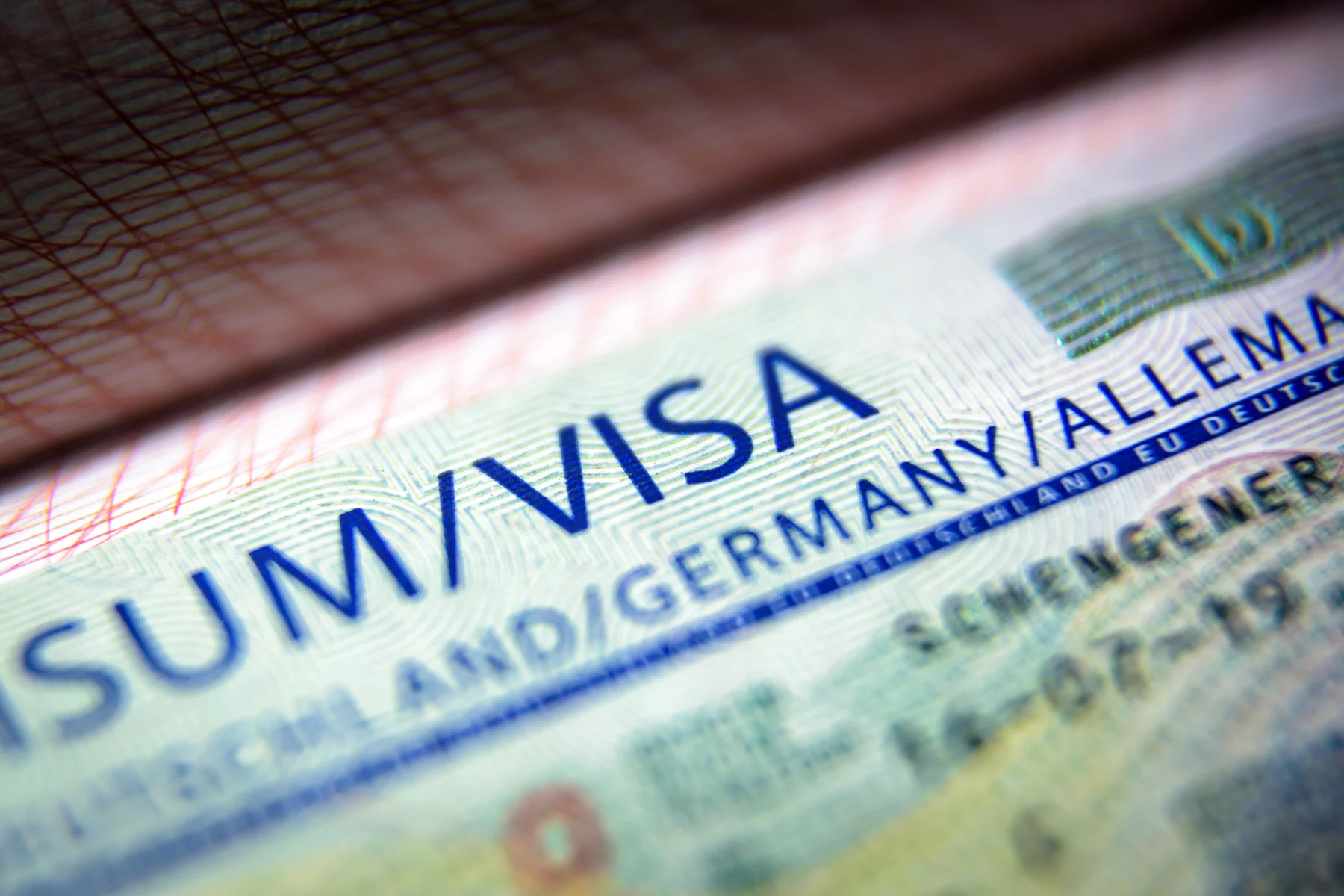
Germany is part of the Schengen Area, which means travel insurance is legally required for anyone applying for a Schengen visa. Under EU Regulation (EC) No 810/2009, Article 15, your policy must provide a minimum of €30,000 in medical coverage, be valid across all Schengen countries, and cover the full duration of your stay. Without proof of compliant insurance, your visa application will be refused.
If you do not need a Schengen visa to enter Germany, travel insurance is not legally mandatory, but it is still strongly recommended. Border officers may still ask to see proof of coverage, and uninsured medical costs can be significant.
How to check if you are already covered
If you are an EU or EEA citizen, your European Health Insurance Card (EHIC) gives you access to emergency care in Germany’s public hospitals under the same terms as German residents. UK citizens can use the Global Health Insurance Card (GHIC), which provides similar access to urgent medical treatment in public healthcare settings.
However, neither the EHIC nor the GHIC is a replacement for travel insurance. Both cards exclude treatment in private hospitals, medical repatriation, and trip cancellation cover. If you plan to ski in the Bavarian Alps, spend time in private clinics, or want protection against lost luggage and trip interruption, you will still need a separate travel insurance policy on top of your health insurance in Germany.

Is Germany safe?
Germany is generally a safe destination for travelers and expats. The country is politically stable, and its major cities are well-policed. The Australian Government currently rates Germany at its lowest travel advisory level (Green), recommending that visitors simply “exercise normal safety precautions”.
The most common risk for tourists is petty theft. Pickpocketing is a known problem on public transport, at train stations, and at crowded tourist attractions, particularly in cities like Berlin, Munich, and Hamburg. The risk increases at busy events such as Christmas markets. Keeping your valuables close and staying aware of your surroundings goes a long way toward staying safe. Travel insurance that covers theft and personal liability adds an important layer of protection.

Editor
Tarah Ren
Insider Tip
If you are visiting busy Christmas markets or using the U-Bahn in cities like Berlin or Munich, keep a close eye on your belongings. Pickpocketing is the most common risk for travelers here, making theft coverage a smart choice.
Cost of healthcare in Germany for tourists and foreigners
Germany’s healthcare system is excellent, but it is not free for foreigners. If you are uninsured and need medical care, you will be billed in full. Even routine visits to a private doctor can add up quickly, and serious emergencies can result in bills running into the tens of thousands of euros.
The table below gives a rough idea of estimated costs for uninsured visitors:
| Medical service | Estimated cost (uninsured) |
|---|---|
| GP consultation | €80 – €150 |
| Emergency room (ER) visit | €250 – €500+ |
| Hospital stay (per night) | €600 – €1500 |
| Emergency surgery | €3,000 – €15,000+ |
| Medical repatriation | €20,000 – €100,000+ |
These figures highlight why a good understanding of the German healthcare system matters before you arrive. Travel insurance can protect you from bills that would otherwise derail your trip or relocation entirely.

When to buy your travel insurance: the “pre-departure” window
The best time to buy travel insurance is at the same time you book your flights or accommodation. Buying early locks in coverage from the moment your trip is confirmed, which means you are protected if you need to cancel before you even leave.
Once you have left your home country, most providers will not let you purchase a new policy, and any existing coverage is unlikely to apply to your current trip. For Schengen visa applicants, proof of insurance is required before the visa is even approved, so early purchase is not just good practice, it is essential.

“Cancel for any reason” (CFAR) coverage
Standard trip cancellation coverage protects you if you need to cancel due to a defined event, such as illness or a family emergency. “Cancel for any reason” (CFAR) upgrades go further by allowing you to cancel for almost any reason at all, usually up to a set number of days before departure.
CFAR typically reimburses around 50–75% of your non-refundable costs. If you are making a significant financial commitment, such as booking a multi-week trip or a non-refundable apartment, CFAR is worth considering.
Types of travel insurance: choosing the right plan
Choosing the right plan depends on the length and purpose of your stay in Germany.
- Single-trip policies: Cover one specific trip and are ideal for tourists and short-stay visitors. They are usually the most affordable option if you visit Germany once or twice a year.
- Multi-trip (annual) policies: These cover unlimited trips within a 12-month period and are better value for frequent travelers or business visitors. Annual plans also simplify the process of meeting Schengen requirements throughout the year.
- Expat-specific (long-stay) insurance: If you are relocating to Germany, you may not immediately qualify for German public health insurance (Gesetzliche Krankenversicherung, or GKV). Expat plans are designed to cover this gap period and act as a “bridge” until your permanent health cover kicks in.
- Group and family plans: Tailored coverage for larger parties traveling together, often at a better rate per person than individual policies.
Top 5 travel insurance providers for Germany
Choosing a provider comes down to your priorities: medical coverage limits, pricing model, and whether you need adventure sports cover. The table below compares five well-regarded options for Germany-bound travelers.
| Provider | Best for | Pricing model | Medical limit | Adventure sports? |
|---|---|---|---|---|
| SafetyWing | Digital nomads | Monthly rates | $250,000 Essential $1.5 M Complete | Some (basic) |
| World Nomads | Adventure travelers | Per-trip pricing | $125,000+ | Yes (150+ activities) |
| Allianz Travel | Families and business travelers | Per-trip or annual | $5 Million | Some (basic) |
| Cigna Global | Long-term expats | Monthly subscription | $1M – Unlimited | No |
| HTH Travel | US citizens abroad | Per-trip or annual | $1M | Yes |
Always read the policy documents carefully before purchasing. Medical limits, excess amounts, and exclusions vary significantly between plans.
How does travel insurance work in Germany?
A standard travel insurance policy for Germany typically combines medical protection, trip-related coverage, and personal belongings protection.
Medical and emergency evacuation
The core of any travel policy, it covers the cost of emergency treatment, hospitalization, ambulance transport, and, if necessary, an air ambulance or medically supervised flight to return you to your home country. For Schengen visa holders, this coverage must be at least €30,000.
Trip cancellation and interruption
Covers non-refundable costs if you have to cancel your trip before departure or cut it short due to a covered event. Common triggers include serious illness, the death of a family member, or natural disasters. Check your policy carefully to understand what qualifies.
Baggage, theft, and personal liability
Baggage cover reimburses you for lost, stolen, or damaged belongings. In a city like Berlin or Munich, where pickpocketing on the U-Bahn is a known risk, this cover is worth having. Personal liability cover protects you if you accidentally cause damage to property or injury to someone else.
Repatriation
Repatriation covers the cost of returning your remains to your home country in the event of death abroad. It may also cover the cost of a family member traveling to Germany in a medical emergency. Medical repatriation from Germany to a non-EU country can cost tens of thousands of euros without insurance.
Travel insurance vs. credit card insurance: is your card enough?
Many premium credit cards include some travel insurance as a benefit, which leads some people to assume they are already covered. However, credit card travel protection typically comes with significant limitations.
Credit card policies often have low medical limits (sometimes as little as €10,000–€20,000), high excess amounts, and may not include medical repatriation or emergency evacuation. They also rarely meet the minimum €30,000 requirement for a Schengen visa.
For short trips and very minor incidents, a card policy might help. For any meaningful protection in Germany, a dedicated travel insurance policy is the more reliable choice.
Specialized coverage to consider
Germany’s geography and culture create a few specific scenarios worth thinking about before you buy.
- Winter sports: Bavaria and other Alpine regions attract thousands of skiers and snowboarders each year, but most standard policies do not cover skiing or other winter sports. If you plan to ski in the Alps, make sure your policy includes a winter sports add-on.
- COVID-19 and pandemic coverage: Most insurers now offer some level of coverage for pandemic-related claims. Check whether your policy covers medical treatment for COVID-19, quarantine costs, and trip cancellations caused by travel restrictions.
- Pre-existing conditions: A pre-existing condition is any illness or medical issue you had before taking out the policy. If you do not declare your conditions at the point of purchase, your insurer may refuse to pay related claims. Always declare fully and, if needed, pay the additional premium for coverage.
Editor
Tarah Ren
Insider Tip
Planning to hit the slopes in the Bavarian Alps? Don’t forget that standard travel insurance usually excludes winter sports. Always add a specific winter sports rider to ensure you are covered for skiing or snowboarding.
How to choose the best provider: a buyer’s checklist
Before committing to a policy, work through these key questions:
- Does the medical coverage meet the Schengen minimum of €30,000? (Or ideally more?)
- What is the excess (deductible) on medical claims? High excess amounts can leave you out of pocket for smaller incidents.
- Does the provider offer 24/7 emergency assistance with English-language support?
- Is repatriation and emergency evacuation included?
- Are your specific activities covered, such as hiking, skiing, or cycling?
- How long is the policy valid, and does it match the length of your stay?
- What is the claims process? Is it online or by post?
Reviews from other expats and travelers can be a useful guide. Check independent review platforms rather than just provider websites.
How to make a claim in Germany
Step 1: Contact your provider’s 24/7 emergency assistance
If you need hospitalization or are facing a major medical expense, call your insurer’s emergency number before committing to treatment if at all possible. In serious emergencies, go directly to the nearest hospital and call the number on your policy as soon as you are able.
Your insurer may be able to issue a “letter of guarantee” directly to the hospital. This means the hospital bills your insurer directly, and you avoid paying large sums out of pocket. For emergency numbers in Germany, including the national emergency line 112, you can refer to Expatica’s guide to emergency numbers in Germany.

Step 2: Gather “on-the-ground” evidence
Strong documentation makes claims much easier to process.
- For theft: Report the theft to the local police within 24 hours and get a written police report with a reference number. Without this, most insurers will not pay theft claims.
- For medical claims: Ask the attending physician for a written diagnosis, not just an invoice. Itemized receipts from hospitals and pharmacies will be needed.
- For trip disruption: Keep all receipts for additional accommodation or transport expenses and ask airlines or operators for written confirmation of any cancellations or delays.
Step 3: Submit your digital claim and choose your payout method
Most insurers have an online claims portal where you can upload your documents and track the status of your claim. Submit everything as soon as possible after the incident.
Receiving your payout internationally?
If your insurance payout needs to be sent across borders, Wise is a convenient option for receiving money in multiple currencies. Wise lets you receive funds in euros and other currencies using local account details, which can make international reimbursements faster and cheaper than bank transfers.


Required documentation
A typical claim will require:
- Official police report (for theft or loss)
- Itemized medical receipts and invoices
- Written medical diagnosis from the attending doctor
- Proof of travel (flights, booking confirmations)
- Proof of ownership for stolen or damaged items
- Medical repatriation authorization (if applicable)
- Your policy documents and claim reference number
FAQ
Can I buy travel insurance if I am already in Germany?
Most insurers will not sell you a new policy once you have already left your home country and are in Germany. Some specialist providers may offer limited coverage for existing travelers, but terms and prices vary significantly. The safest approach is always to purchase before you depart.
Does travel insurance cover skiing accidents in Germany?
Standard travel insurance policies typically exclude skiing and other winter sports. If you plan to ski in Bavaria or elsewhere in Germany, you need to specifically add a winter sports rider to your policy before you travel.
Is travel insurance mandatory if I have an EHIC or GHIC?
No, it is not mandatory if you are not applying for a Schengen visa and you hold a valid EHIC or GHIC. However, these cards only provide access to public healthcare and do not cover repatriation, private hospitals, or trip-related losses. A dedicated travel insurance policy is still strongly recommended.
How much does travel insurance for Germany cost?
The cost varies based on your age, trip length, coverage level, and chosen provider. A basic single-trip policy for a one-week stay can start from around €20–€30, while more comprehensive plans or longer stays cost more. Annual multi-trip plans can offer better value for frequent travelers.
Final thoughts: staying safe in Germany
Germany is a wonderful destination for travelers and a rewarding place to build a new life as an expat. Its healthcare system is one of the best in the world, but accessing it without insurance can come at a high cost. Whether you are visiting for a week or planning a full relocation to Germany, getting the right travel insurance in Germany should be one of the first things you arrange.

Take the time to compare policies, read the small print, and make sure your coverage matches your plans. The right policy gives you the freedom to enjoy everything Germany has to offer, from the Bavarian Alps to the streets of Berlin, without worrying about what could go wrong.
Useful resources
- Germany Travel Advisory (U.S. Department of State): The official U.S. government travel advisory for Germany. Check current safety levels, entry requirements, emergency contacts, and health guidance before you travel.
- European Health Insurance Card (EHIC) – Your Europe: Official EU portal explaining how the EHIC works across Schengen member states, what it covers, and how to apply or replace your card.
- Global Health Insurance Card (GHIC) – NHS: Official NHS page for UK citizens on how to apply for the GHIC and what healthcare it covers when traveling in Europe, including Germany.
- Schengen Visa Code, Article 15 – EUR-Lex: The primary EU legal source for Schengen visa travel insurance requirements, including the mandatory €30,000 minimum medical coverage rule.
- Germany entry and visa information – German Federal Foreign Office: Official German government portal for checking visa requirements by nationality, including what documents you need for a Schengen visa application.


