
'%20id='ico-down'%20stroke='%23000000'%20stroke-width='1.5'%3e%3cg%20transform='translate(1092.250000,%20254.750000)'%3e%3cpolyline%20id='Path-2-Copy-4'%20transform='translate(5.500000,%202.750000)%20scale(1,%20-1)%20rotate(-180.000000)%20translate(-5.500000,%20-2.750000)%20'%20points='0%200%205.5%205.5%2011%200'%3e%3c/polyline%3e%3c/g%3e%3c/g%3e%3c/g%3e%3c/svg%3e)


Education
Children's Education
Swiss boarding schools
Discover the essentials of Swiss boarding schools, including costs, application procedures, and finding the best fit for your child.
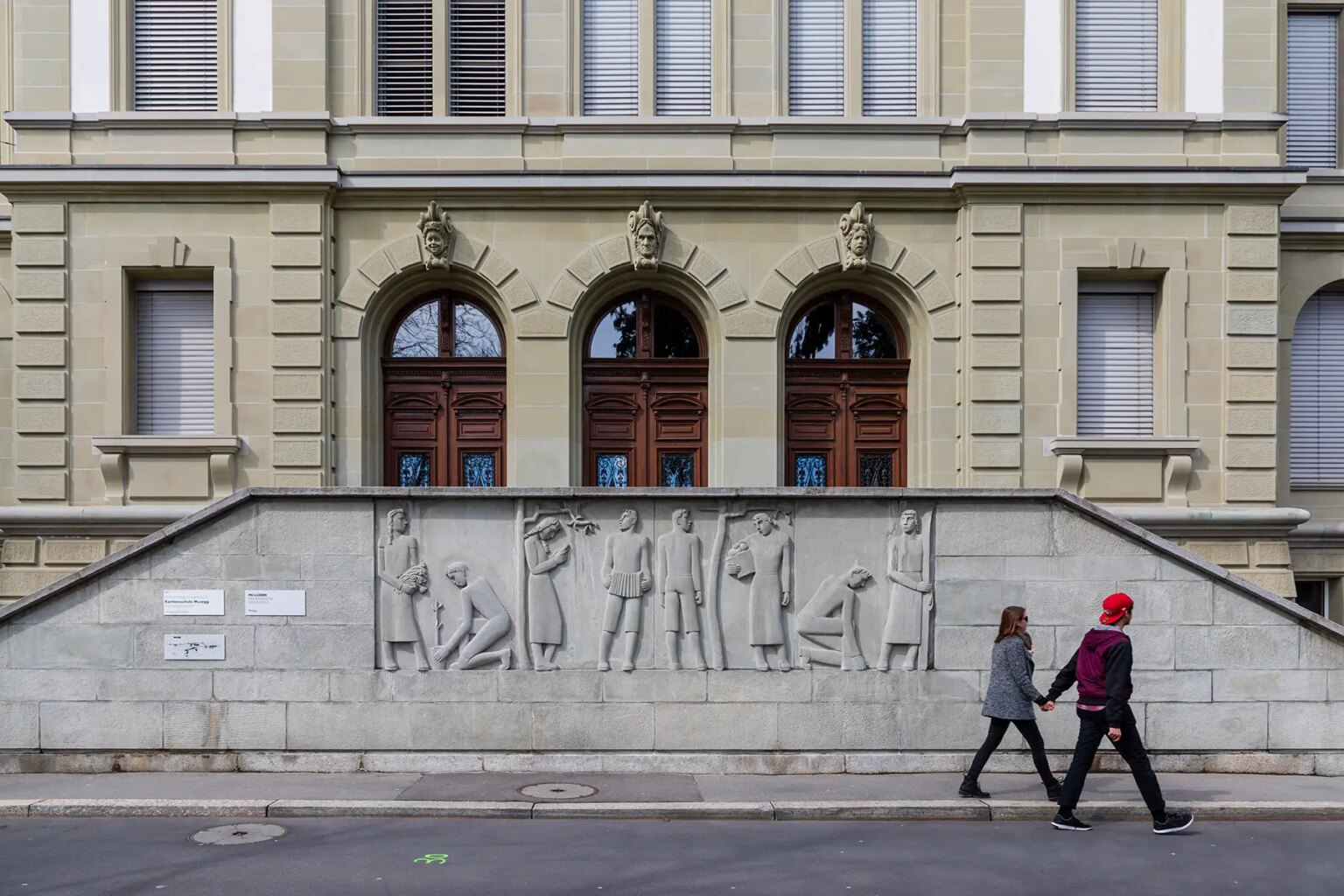
Swiss boarding schools are well-known worldwide for their high academic standards, outstanding facilities, and international focus. Parents from all over the world send their children to these schools – but what makes them so desirable, and what costs are involved?
Read on to decide whether a Swiss boarding school could be a good option for your child’s education and how to find and apply for one:
Swiss Boarding Schools Disentis & Zurich
Swiss Boarding Schools Disentis & Zurich provides IGCSE/A-Level programs plus summer/winter holiday camps. At both the mountain and city campus, students enjoy en-suite single rooms. With Swiss Boarding Schools, over 700 years of tradition meets Swiss innovation to bring your child the top boarding school experience.

The Swiss education system and boarding schools
Switzerland has an excellent education system, which ranks first out of 64 countries (PDF) for the first two stages. Children must attend at least 11 years of teaching, which usually consists of eight years of primary school and three years of secondary.
However, as well as having top-tier public schools, the country offers a wealth of private schools, many of which are international or boarding schools. These institutions allow students to remain on campus for the school year, allowing them to constantly immerse themselves in their learning environment.
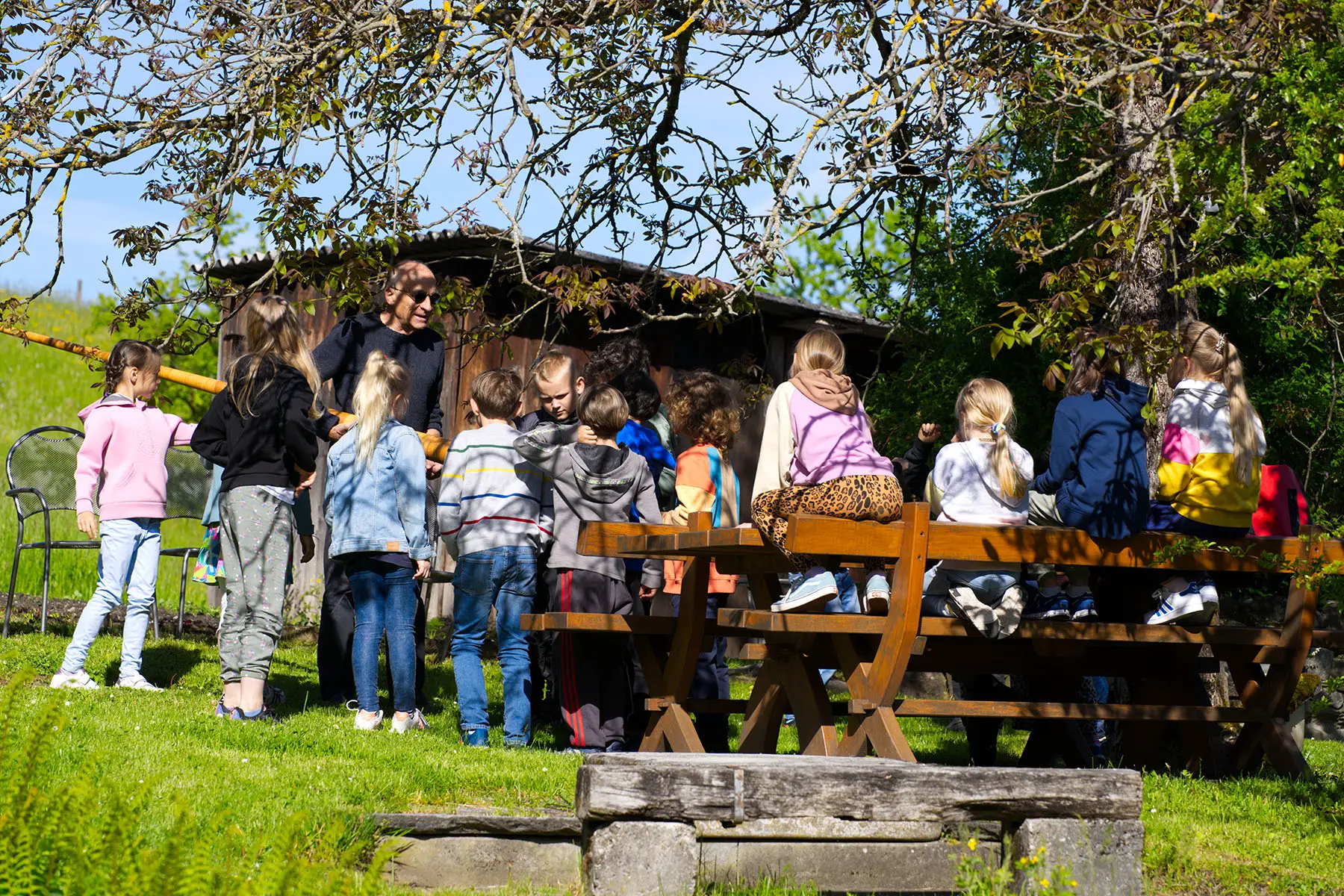
Moreover, life at Swiss boarding school goes beyond academics as students benefit from a mixture of local customs and an international community. This can better prepare them for their future in a globally connected world while promoting mutual understanding and building an appreciation for other cultures.
What are Swiss boarding schools like?
Similar to state schools, Swiss boarding schools must adhere to certain educational standards. For instance, the canton in which the school is based must approve its facilities, curriculum, and teachers’ qualifications beforehand. It must also supervise its curricula to maintain quality.
Swiss educational excellence extends to its boarding schools which offer small class sizes, excellent facilities, and extracurricular activities. These institutions are usually exclusive and elite, and alumni often include royalty, politicians, and business leaders from all over the world.

Although this form of education is known to come with a hefty price tag in Switzerland, the fact that there are so many boarding schools in the country means that they are diverse in their sizes, admission criteria, and fees. This, of course, provides more options for parents looking to place their child in one.
Swiss boarding schools operate in the private sector, which means they can be flexible with their educational offering. For instance, they may teach in languages other than Switzerland’s four official ones – German, French, Italian, and Romansh. They can also follow the teaching philosophy of their choice.
Another important distinction between boarding schools and other institutions is that they offer a wealth of extracurriculars, as students are on campus semi-permanently. For example, many provide diverse sporting activities such as skiing, hiking, and other winter sports in Switzerland’s stunning Alps. You will also find plenty of arts, music, and community-based initiatives.
Why choose a Swiss boarding school?
Although Switzerland offers high-quality public education, you might decide to send your child to a private boarding school for several reasons. These include:
- Academic excellence and recognizable qualifications: Swiss boarding schools are renowned for their rigorous programs. Many provide qualifications, such as the International Baccalaureate, that give students a chance to study in universities globally. In addition, many schools boast a 100% university attendance rate, showing that pupils receive a well-rounded education.
- Multilingual environment: Switzerland has four official languages: French, German, Italian, and Romansh. Furthermore, many international schools have English as a lingua franca, which means that your child will be well-placed to learn at least two languages.
- Cultural diversity: Students from over 130 nationalities attend boarding schools in Switzerland. This will allow your child to meet students from all over the world in a truly global setting.
- Outstanding facilities: Along with strong academic standards, most private boarding schools have state-of-the-art facilities to assist learning.
- Extracurricular activities: As previously mentioned, the opportunities outside the classroom enrich students’ experiences and support well-being, teamwork, creativity, and social responsibility.
- Specialisms: The freedom that Swiss boarding schools have to teach their own curricula allows some schools to specialize in certain areas, including sports, hospitality, and business.
Haut-Lac International Bilingual School
If you’re looking for a bilingual school for your child, consider Haut-Lac International Bilingual School. With campuses in Vevey and La Chiésaz, it offers a local yet global education to students from 18 months to 18 years, including IB, Swiss, and US options. Book your visit to Haut-Lac today.
The best boarding schools in Switzerland
When searching for a boarding school in Switzerland, you might wonder how to find the best one. Although the different types of institutions vary according to specialty, admission conditions, and sizes, Switzerland’s high education standards mean that you will almost certainly find a top-tier learning environment for your child.
The following are some of the best-known boarding schools in the country:
| School | Location | Ages | Program | Language | Tuition fee |
| Aiglon College | Villars-sur-Ollon | 9–18 | IB | English | CHF 45,000–140,000 per year |
| École Lemania | Lausanne | 11+ (boarding available from 15) | French Baccalaureate, Swiss Maturity, IB. Also provides professional training courses and evening classes. | Emphasis on English, some French | CHF 23,200–116,383 per year |
| Haut-Lac International Bilingual School | Three campuses in Saint-Légier-La Chiésaz and Vevey | 18 months to 18 years (boarding for IB Middle Years, Diploma, and Career-related Programs) | IB | Three streams: English, French, and bilingual | CHF 20,900–38,650 per year plus additional costs for boarding |
| Institut Le Rosey | Rolle | 8–18 | French Baccalaureate, IB | French and English | CHF 56,100–144,900 |
| Le Régent International School | Crans-Montana | 4–18 (boarding available from Grade 6) | IGCSEs, IB | English | CHF 23,400–104,700 per year |
| St. George’s International School | Montreux | 18 months to 18 years (flexible boarding from 11) | IB | English or French-English bilingual stream | CHF 30,000–115,520 |
| Swiss Boarding Schools Disentis & Zurich | Disentis & Zurich | 14–17 | IGCSEs/International A levels | English | CHF 82,000 per year |
It is important to bear in mind that in addition to tuition fees, you may need to pay extra costs for registration, materials, and supplementary classes. You can read more about this further down the article.
How to choose a Swiss boarding school
Selecting the best boarding school for your child involves more than just browsing a list of the best-known institutions. Here are some of the factors to take into account when making the decision:
- Your child’s academic interests and goals: If your child has a passion for a certain subject or already knows what they want to do later in life, it might be worth finding a school that excels in this area
- Location: Would your child thrive in a more urban setting or the serenity of the Swiss Alps?
- Boarding options: Some schools offer weekday or flexible boarding so check with each one to find out what it provides
- Language considerations: Your child has the potential to become bilingual or multilingual at a Swiss boarding school, so consider which languages they want to learn and which are used for instruction
- Student body: Check the age range and size of each school’s student population to find out whether it would suit your child’s preferences and needs
- Reputation: Although high-achieving or famous alumni can make a school seem desirable, it is important to read reviews and testimonials from current and past students to gain insight into what life is really like there
Ultimately, choosing a Swiss boarding school involves balancing academic offerings with an environment that aligns with your child’s personality and aspirations.
With this in mind, it is essential to conduct thorough research as well as visit each school and engage with its community in order to make an informed decision.
Checking the school’s accreditation
When looking for a boarding school, it is important to check the quality of its teaching and resources. Fortunately, Switzerland requires cantonal approval for all schools, whether they are public or private. This means that schools must adhere to a certain standard of facilities, curriculum, and staff.
That said, several organizations and accreditation bodies operate in Switzerland. For example, the Federation of Swiss Private Schools (FSPS) is an association whose member schools are dedicated to maintaining the quality of private education in the country.

Multiple accreditation bodies oversee the quality of international boarding schools. These include:
- International Baccalaureate (IB): The organization ensures that the school meets the academic and ethical standards of the IB
- Council of International Schools (CIS): Provides accreditation based on curriculum, governance, and learning
- New England Association of Schools and Colleges (NEASC): An independent non-profit offering certification to schools in the US and worldwide
- European Council of International Schools (ECIS): Gives accreditation to international schools in Europe, including Switzerland
How much does boarding school in Switzerland cost?
As you can see from the fees listed above, boarding school in Switzerland comes at a premium. Some tuition fees include accommodation, meals, books, and access to facilities. However, you should check with the individual school to find out exactly what the fees cover.
In addition to tuition, parents may need to pay for the following:
- Admission/registration fee (often around €3,000)
- Music lessons, sports, and other extracurriculars
- Uniform
- Health insurance
- Exam costs
- Additional private tuition (if required)
These expenses usually mean that Swiss boarding schools can provide state-of-the-art facilities and high-quality teaching. However, when planning their child’s education, parents should also factor in that Switzerland is one of the countries with the highest cost of living.
Financial support for Swiss boarding schools
While the cost of enrolling a child in a Swiss boarding school is a substantial investment, many institutions encourage students from different backgrounds to apply by awarding scholarships to outstanding candidates. For instance, children with exceptional music, sports, or academic skills may qualify for a grant.
Although this creates competition, it can make top-tier education more accessible and affordable to families, as scholarships may cover partial or full tuition fees and other costs, depending on the criteria. You should contact your prospective school to find out how to apply.
The Federation of Swiss Private Schools (FSPS) also provides allowances for students (in French and German) who want to study at one of its member institutions. Additionally, certain schools, such as Haut-Lac International Bilingual School, offer financial support to families from abroad who do not receive employer benefits for their children’s education expenses.
How to apply to a Swiss boarding school
Once you have decided which school you want to send your child to, it’s time to apply. Although the process varies depending on the school, it usually involves the following steps:
- Familiarize yourself with admission requirements: Find out whether you need academic transcripts, letters of recommendation, or personal statements. Check the deadlines involved. This is especially important if you are applying for financial aid.
- Request an application form: You can usually do this through your prospective school’s website. If there isn’t one available to download, use their contact details to ask for one.
- Prepare application materials: Gather any documents or transcripts you require and draft a compelling personal statement if necessary. This should outline your child’s achievements, strengths, interests, and aspirations.
- Submit the application: Ensure that all documents are complete, accurate, and submitted on time
- Prepare for interviews (if necessary): Some schools require an interview before admission. You can help your child get ready by practicing potential questions and showing them the most effective ways to express themselves.
- Wait for admission decisions: You can usually find the timeframes for decisions on the schools’ websites
If your chosen school accepts your child’s application, they will advise you on the next steps. This usually includes submitting enrollment forms, paying deposits, and attending orientation sessions.

Of course, parents living abroad should try to prepare their children for life in Switzerland as best they can. They should also discuss any expectations and concerns their child might have. Notably, visiting the school before attending can contribute to their child’s integration. And, finally, they will want to research to make sure their little one has all the necessary belongings they will need.
Will your child need a visa?
Depending on your child’s nationality, they may need a visa and residence permit to attend school in Switzerland. As a rule, those from the European Union (EU) and European Economic Area (EEA) do not need a visa, but those from elsewhere do. However, it is essential to check the requirements well in advance.
It is important to be aware that the visa procedure can take up to 12 weeks. Therefore, you should apply as soon as you have received your acceptance letter.
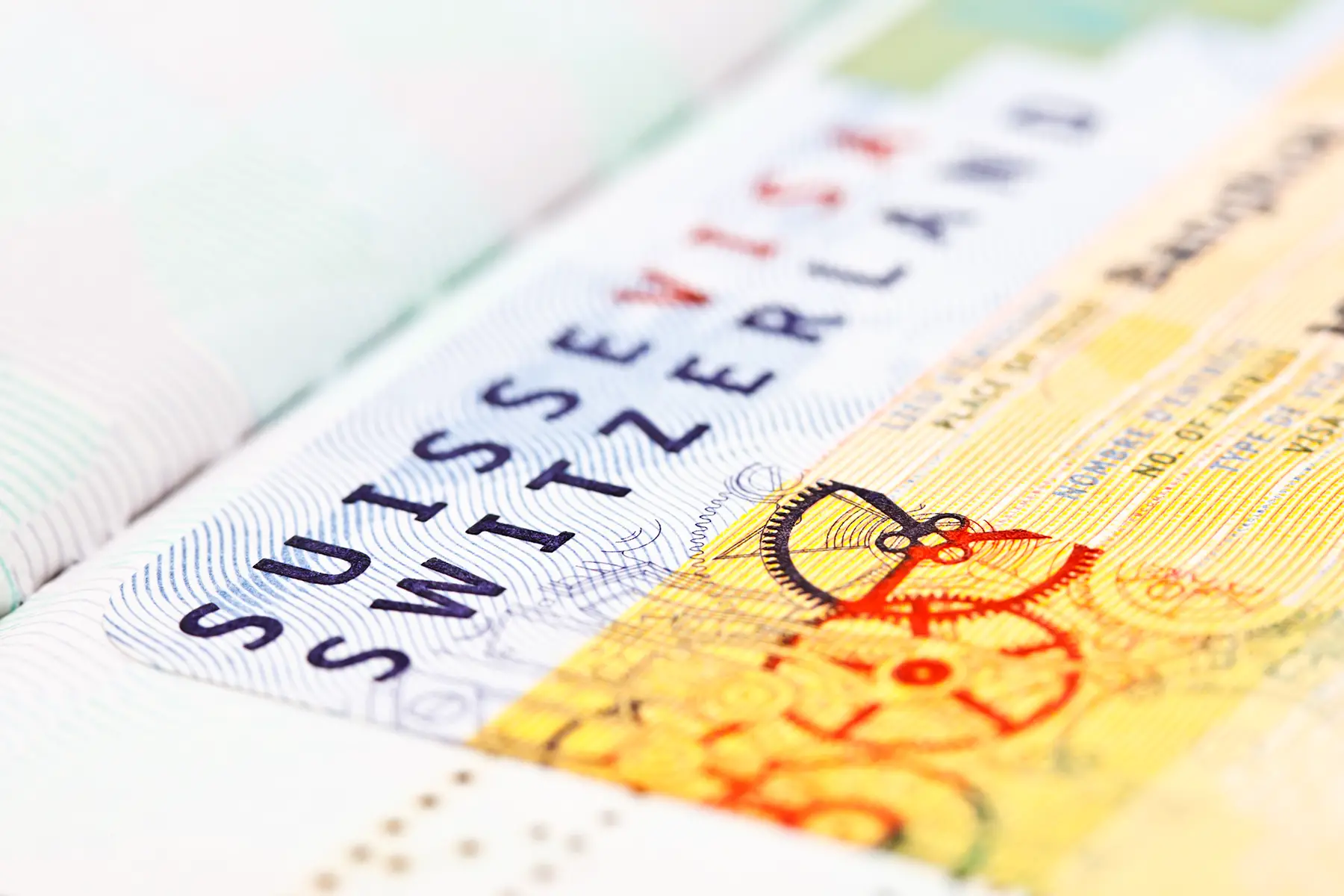
To get a visa, you must apply at the Swiss embassy in your home country. You may also need to provide an acceptance letter from the school, proof of financial means, a valid passport, and other documents. You can then fill out an application form and pay the fee. Once the visa has been approved, you can begin making travel arrangements.
If your child requires a temporary student status residence permit, your school should help you obtain this. It costs about CHF 250, and you may need to provide a signature to allow the school to apply for the permit on your child’s behalf.
Useful resources
- Council of International Schools (CIS) – provides accreditation for worldwide international schools
- Eurydice – offers information about private education in Switzerland
- Federation of Swiss Private Schools (FSPS) – a group of more than 200 private schools in Switzerland
- International Baccalaureate (IB) – provides information about the IB qualifications
Did you find this guide helpful?