
'%20id='ico-down'%20stroke='%23000000'%20stroke-width='1.5'%3e%3cg%20transform='translate(1092.250000,%20254.750000)'%3e%3cpolyline%20id='Path-2-Copy-4'%20transform='translate(5.500000,%202.750000)%20scale(1,%20-1)%20rotate(-180.000000)%20translate(-5.500000,%20-2.750000)%20'%20points='0%200%205.5%205.5%2011%200'%3e%3c/polyline%3e%3c/g%3e%3c/g%3e%3c/g%3e%3c/svg%3e)


Working
Labor Law
Eco cheques in Belgium: a guide for expats
Eco-cheques are a benefit that some private-sector employees in Belgium receive to buy eligible environmentally friendly goods and services. Whether you receive them depends on the applicable workplace agreement, while the official product list and a retailer’s acceptance of your cheque issuer determine where you can use them.



This guide explains eligibility, value, permitted purchases, and how to check acceptance before you pay. It provides general information, not legal, payroll, or tax advice.
Key takeaways
- Eco-cheques usually apply only in the private sector, and only if your sector, employer, or individual agreement grants them.
- The annual cap is €250 per employee, and each cheque can be worth up to €10.
- They are usually valid for 24 months, so keeping an eye on expiry matters more than many newcomers expect.
- A store may choose not to accept them, and a participating retailer may still cover only certain items in your basket.
- The safest checks are the official product list, your issuer app, and the merchant’s own eco-cheque filter or staff guidance.
What eco cheques are and who can receive them
Eco-cheques are a separate private-sector benefit rather than government cash or extra salary, and the Federal Public Service Employment and CBA No. 98 from the National Labour Council set out the framework.
Eco-cheques are an employee benefit used to buy eligible environmentally friendly products and services. They are issued by private companies, rather than the Belgian government.
You may also see them called ecocheques or eco-vouchers. When the legal conditions are met, they are exempt from social security contributions and tax.
Who is eligible for eco cheques in Belgium?
If you’re still getting used to Belgian employment law and labor rights, eco-cheques can feel more complicated than they are. They usually apply only in the private sector, and public-sector workers are generally outside the scheme covered here.
Your nationality matters less than the type of Belgian work agreement you have. Eco-cheques must be provided for in a sector or company collective agreement. In certain circumstances, a written individual agreement can provide for them instead. A sector agreement is negotiated within a joint committee, the body responsible for collective agreements in a particular industry.
Check your contract, payslip or HR information, and ask payroll which agreement applies to you if it is unclear.
How much are eco cheques worth and how long do they last?
You can receive up to €250 per year, with a maximum face value of €10 per cheque. These are ceilings, not guaranteed amounts: your entitlement depends on the applicable agreement. Your allocation may be adjusted if you join or leave during the year or work part-time.
Eco-cheques cannot generally replace salary, so treat them as a separate benefit when comparing pay with the minimum wage in Belgium.

The standard validity period is 24 months from the date they are made available to you. Check the expiry date in your issuer’s app. If they expire, you can request reactivation from the issuer within three months of expiry; reactivated cheques are valid for another three months.
Manage your money effortlessly with Wise
Moving to Belgium involves navigating local employee benefits and everyday expenses. Wise helps you hold multiple currencies, spend in euros with a local card, and transfer money abroad with transparent fees and real exchange rates, making international relocation simpler.

What you can buy with eco cheques in Belgium
Eco-cheques can pay for products and services on the National Labour Council’s current eligibility list. They are not a general budget for anything marketed as “green”: the product, label or provider must meet the relevant conditions.
Eligible categories and labels to look for
The official framework groups eligible spending into four areas:
- Ecological products and services: examples include organic food with an accepted label and home insulation.
- Sustainable mobility and leisure: examples include bicycles and accessories and Green Key stays in Belgium.
- Reuse, recycling, and waste prevention: examples include eligible secondhand goods and product repairs.
- Short supply chain purchases: examples include licensed farm-direct produce and community garden subscriptions.
Examples include qualifying energy-saving products, bicycles, second-hand goods and farm-direct produce sold under the specified licences.
Labels can help you identify eligible products, but check the rule for the item you want. The list includes, among others:
- the EU organic logo for food
- specified EU energy-label classes for appliances and light sources
- FSC or PEFC for qualifying products
- GOTS for textiles
- Green Key for qualifying tourist accommodation in Belgium.
MyEcocheques explains these labels; check the Council’s list for the exact conditions.
Common expat-friendly examples of accepted purchases
Examples you will see in day-to-day expat life include:
- organic groceries and some short-supply-chain produce, including products sold through farm-direct labels
- bicycles, bike accessories, bike repairs, and some bike parking or rental costs
- energy-efficient appliances, LED bulbs, insulation materials, and water-saving items
- second-hand clothes, furniture, books, household goods, and many repair services
- accommodation at a Green Key-certified tourist property in Belgium.
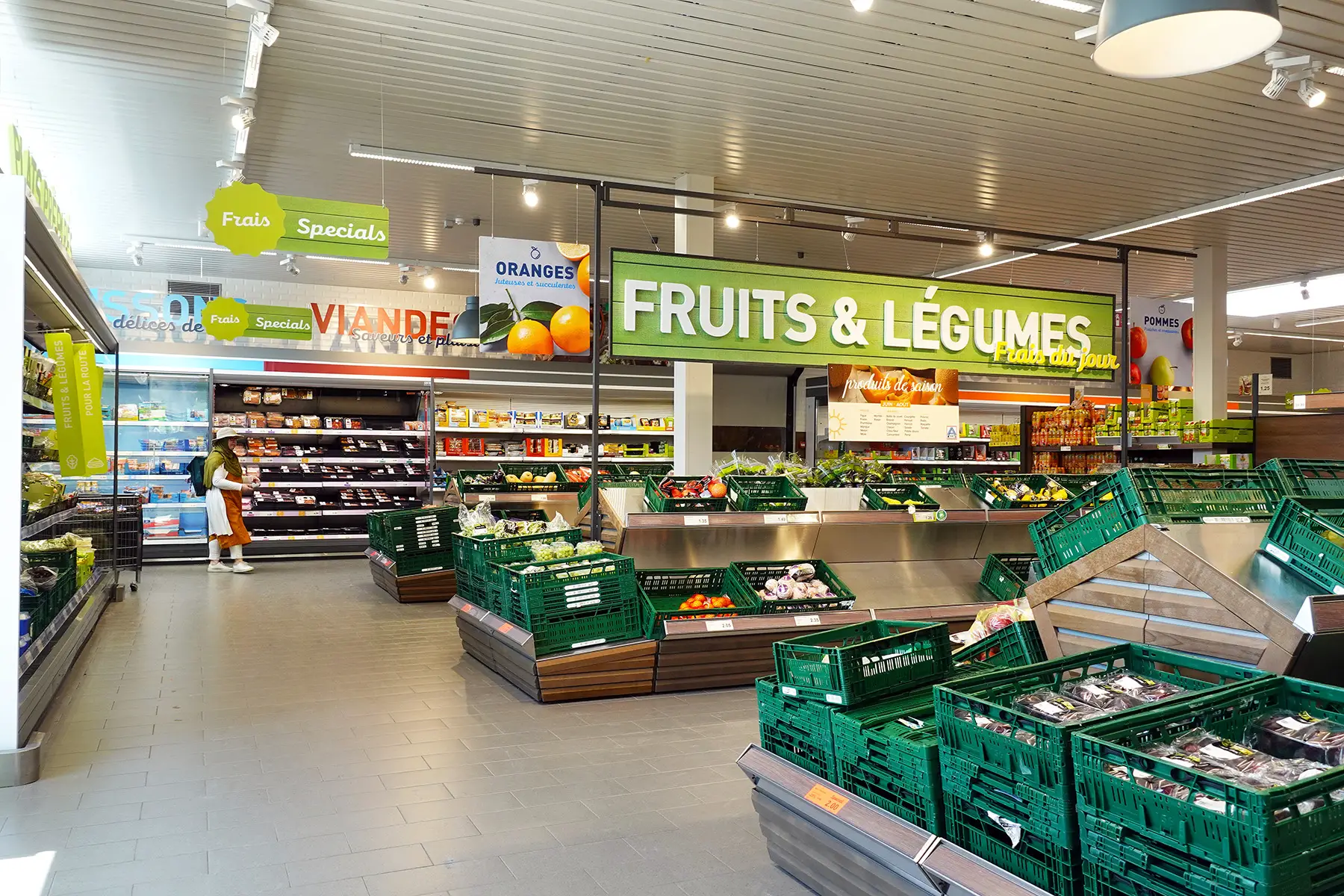
Check the item, not just the shop. Retailers such as Bio Planet, Brico, Hubo, Decathlon, Coolblue, and Krëfel may sell eligible products alongside ineligible ones. An online eligibility marker or a check at the till can help you confirm what you can pay for with eco-cheques; you may need another payment method for the rest of a mixed basket.
Where to use eco cheques and how electronic payment works
Finding an eligible product is only the first step. Check that the retailer accepts your eco-cheque issuer and that the particular item or service qualifies. A shop may accept eco-cheques for some items but require another payment method for the rest of your basket.

Using eco cheques in stores and online
Some of the main electronic eco-cheque issuers include Edenred, Monizze, and Pluxee. Your issuer’s app or account can help you check your balance, expiry date, and participating merchants.
In a physical store, look for eco-cheque labels or ask staff whether the specific item qualifies. Online, check the product page and payment options: accepting eco-cheques in store does not necessarily mean a retailer accepts them online. If your basket contains other items, you may need to pay for those separately or use a second payment method.
Public transport, train tickets, and Green Key travel examples
For expats getting used to Public transportation in Belgium, mobility is one of the most useful eco-cheque categories. Public transport and certain tourism services appear on the official eco-cheque list, but eligibility does not guarantee that every operator or booking channel accepts eco-cheques. Check the exact ticket or booking before paying.
SNCB/NMBS accepts electronic eco-cheques from Edenred, Monizze, and Pluxee at Belgian station ticket offices and vending machines for domestic travel tickets. Season tickets are excluded, and tickets bought with eco-cheques are non-refundable.
For other public transport operators or Green Key accommodation and attractions, confirm both that the purchase qualifies and that the seller accepts your issuer through your chosen booking channel.
What to do if your eco cheques are expired or close to expiring
- Open your issuer app or online account and check the exact expiry date.
- Remember that eco-cheques are normally valid for 24 months from the date they were made available.
- If they have expired, request reactivation within three months of expiry. The first reactivation request is free.
- Later reactivation requests may cost up to €5 unless you can show force majeure. Reactivated eco-cheques are valid for three months.
How to verify the current rules before you buy
Before spending, run through this quick check:
- Use the Federal Public Service Employment eco-cheques page for the legal framework, annual cap, validity, and reactivation rules.
- Use CBA No. 98 and the National Labour Council eco-cheques page or MyEcocheques for the current eligible list.
- Use your issuer’s merchant finder to see whether the store accepts your card or app.
- Use the retailer’s product page, in-store label, or staff guidance for item-level eligibility.
You may see headlines about eco-cheque reform or phase-out. Treat them as proposals unless an official source says a legal change is already in force when you buy.
FAQ
Frequently Asked Questions about eco cheques in Belgium
Can you use eco cheques online in Belgium? 
Often, yes. Some Belgian webshops accept electronic eco-cheques, but only for eligible items and supported issuers. Check your issuer’s merchant finder and the retailer’s eco-cheque category or product note before paying.
Can you use eco cheques in supermarkets in Belgium?
Sometimes. Only eligible lines in your basket may qualify, such as certain organic or specifically labelled goods, so check shelf labels, product pages, or staff guidance before you pay.
Can you use eco cheques for SNCB train tickets?
For domestic tickets, yes. SNCB/NMBS says electronic eco-cheques can be used at ticket offices and vending machines, but not for season tickets. Check the current SNCB rules for other rail products.
Do eco cheques expire in Belgium?
In most cases, eco-cheques are valid for 24 months from when they are made available. If they expire, you can generally request reactivation within three months, and the reactivated balance is valid for three months.
Are expats entitled to eco cheques in Belgium?
They can be. Entitlement depends on your Belgian work arrangement and the applicable agreement rather than your passport. If you are unsure, ask HR or payroll or check the joint committee rules that apply to your employer.
Sources
Expatica’s experts are all about providing the most up to date and accurate information. All guides are fact checked, and whenever we use external sources (like government websites or research papers) we’ll make a note of them here so you can check them out too.
- Legal framework, private-sector scope, annual caps, validity, and reactivation rules, Federal Public Service Employment, Labour and Social Dialogue
- Collective Bargaining Agreement No. 98 and the official list of eligible products and services, National Labour Council
- Official product categories, accepted labels, and eligible spending examples, MyEcocheques
- Domestic train ticket payment conditions and exclusions for eco-cheques, SNCB/NMBS
- Merchant search guidance, balances, and eco-voucher spending information, Monizze
- Eligible products and services for Edenred Eco, Edenred Eco
- User guidance on Pluxee Eco, participating merchants, and electronic use, Pluxee Eco
- Online eco-cheque payment and product-level eligibility guidance, Coolblue
- Environmental certification information for accommodation and tourism providers in Belgium, Green Key Belgium



Did you find this guide helpful?