
'%20id='ico-down'%20stroke='%23000000'%20stroke-width='1.5'%3e%3cg%20transform='translate(1092.250000,%20254.750000)'%3e%3cpolyline%20id='Path-2-Copy-4'%20transform='translate(5.500000,%202.750000)%20scale(1,%20-1)%20rotate(-180.000000)%20translate(-5.500000,%20-2.750000)%20'%20points='0%200%205.5%205.5%2011%200'%3e%3c/polyline%3e%3c/g%3e%3c/g%3e%3c/g%3e%3c/svg%3e)


Housing
Buying & Selling
Real estate guide: buying a house in Austria
From understanding the local property market to moving into your dream house, we walk you through the process of buying real estate in Austria.

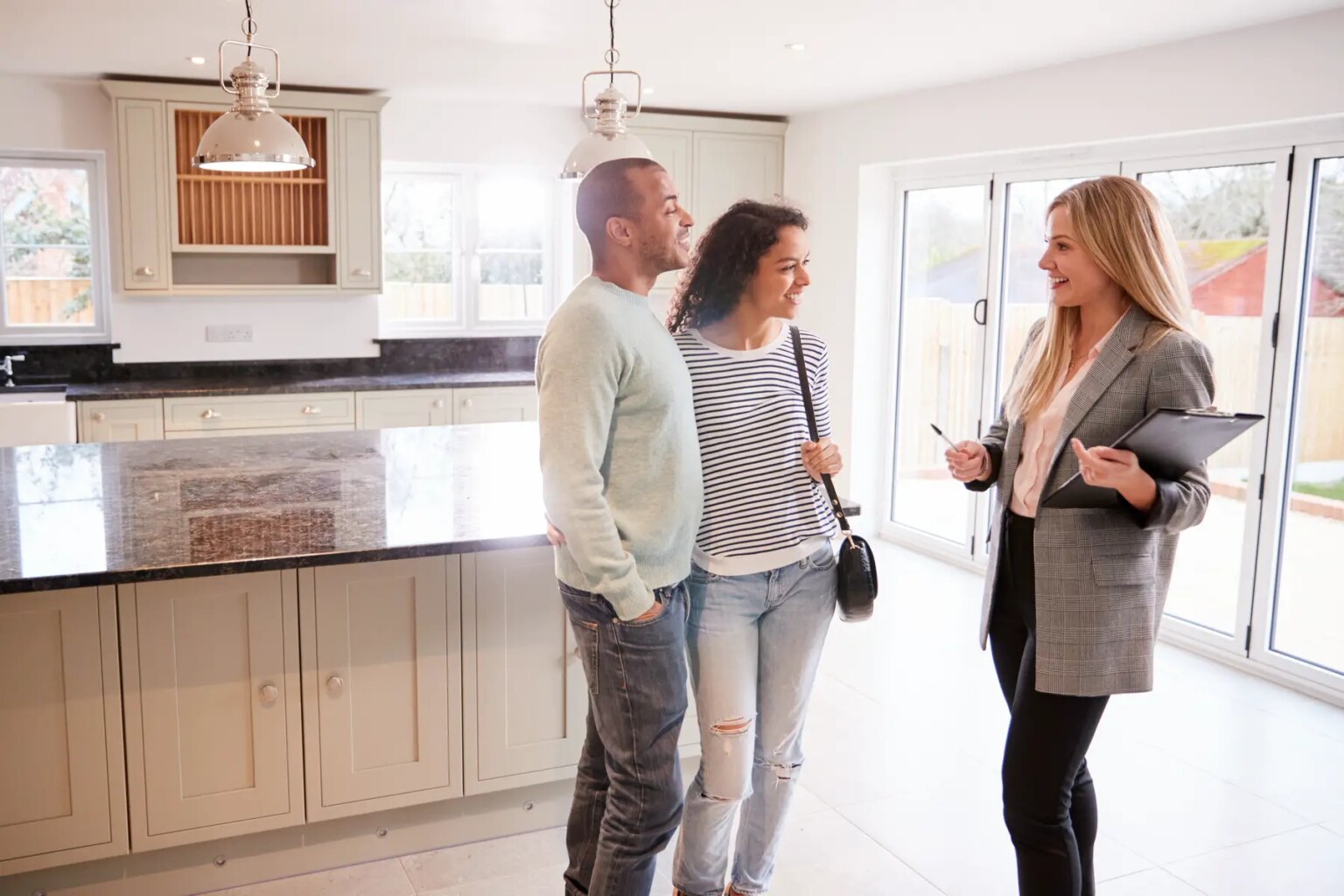
Buying any real estate in Austria is generally considered to be an excellent investment, particularly in Vienna. To begin with, the high quality of life and excellent medical care coupled with affordable property, make Austria an attractive place to purchase real estate. Then, of course, there are the countless ski resorts, breathtaking scenery, and stunning architecture.
If you are relocating to the scenic Alpine nation, you’ll want to know everything there is to know about buying a home there. Firstly, you’ll want to be well-versed in mortgages in Austria, including refinancing, and how contents insurance works in the country. Additionally, if you are considering building your own home in Austria, there are several important factors to consider. And, as always, it’s a good idea to look into planning your will and estate and retirement options when thinking of purchasing a home and settling down in another country.
After all, there are plenty of mistakes lurking behind the bushes when buying a house abroad. However, knowing what is what in your new home will help you purchase the right property for you. To help you get to grips with purchasing real estate in Austria, this helpful guide includes the following information:
Wise
Buying a property abroad is a big step and involves important financial decisions. Wise, an international money transfer company, provides specialist support to help you navigate large international transfers and save on exchange fees. Fill out Wise’s online form today to find out how they can assist you.

Homeownership in Austria
In Austria, the homeownership rate increased to 55.4% in 2018 from 55% in 2017; lower than the overall rate across Europe which sits at 69%. This may be due to the fact that Austria, along with countries like Germany and Switzerland, has historically been less active in promoting homeownership than other Western European countries.
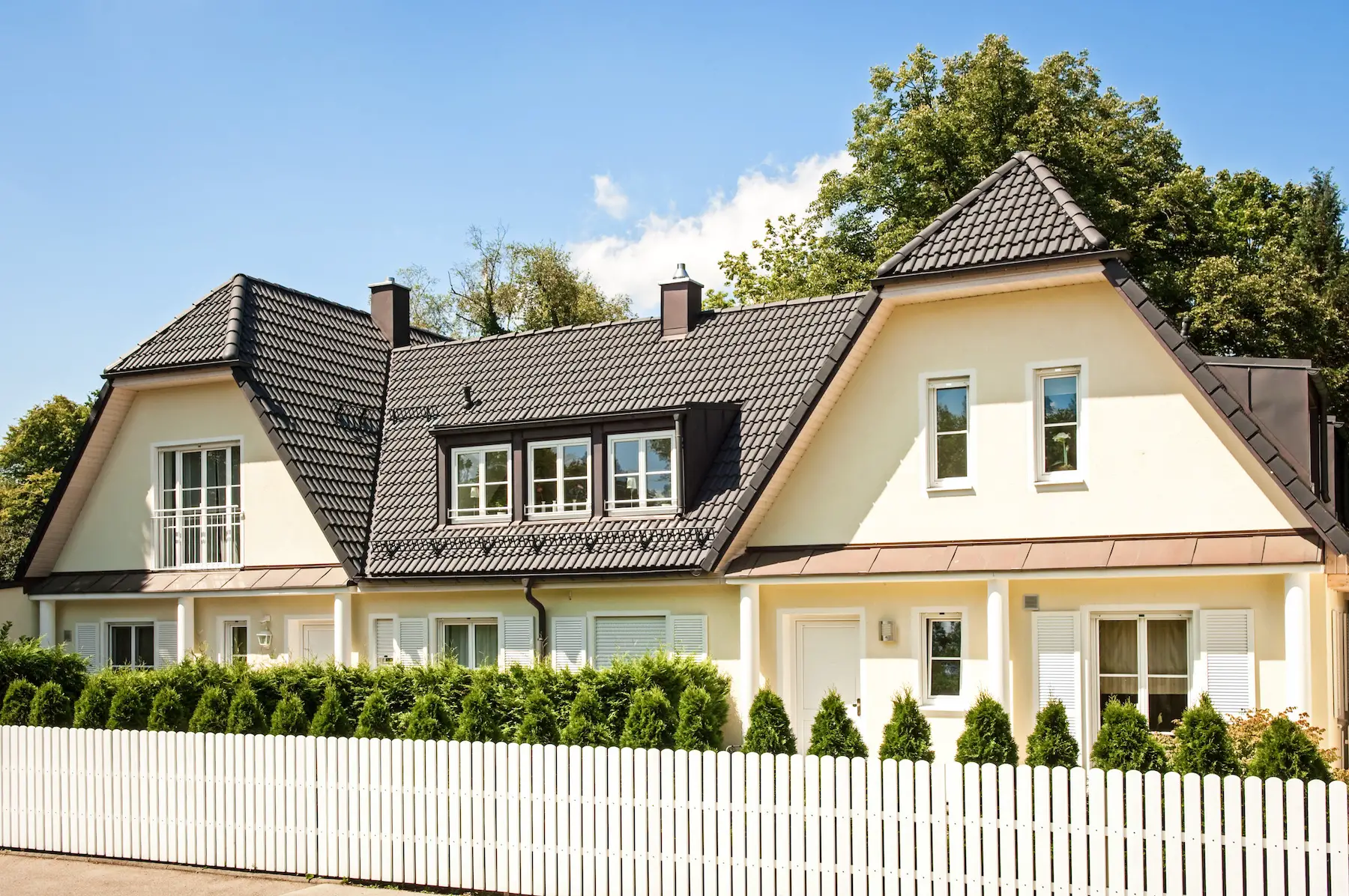
Should you buy or rent property in Austria
First things first, there are many factors that come into play when deciding whether to buy or rent in Austria. Renting is a simple and straightforward process.
However, it’s also easy for expats to purchase real estate, so the decision is purely down to your preference and individual situation. Most doors in Austria are open to you.
Can expats buy property in Austria?
Yes, they can. However, there are some restrictions in place and each municipality has different laws. As a result, there are some areas of Austria that are very difficult to buy property in. For example, only EU citizens can purchase real estate in the beautiful Tyrol and Vorarlberg ski regions of Austria; although there are some ways around this. With this in mind, it’s important to check with the individual local authority for any unique requirements.
The Austrian government states that individuals from third-party countries will be approved if the purchase is of cultural, social, or macroeconomic interest. Additionally, the government adds that there must be no negative effects on national interests. Therefore, it’s best to check with the local authorities on a case-by-case basis.
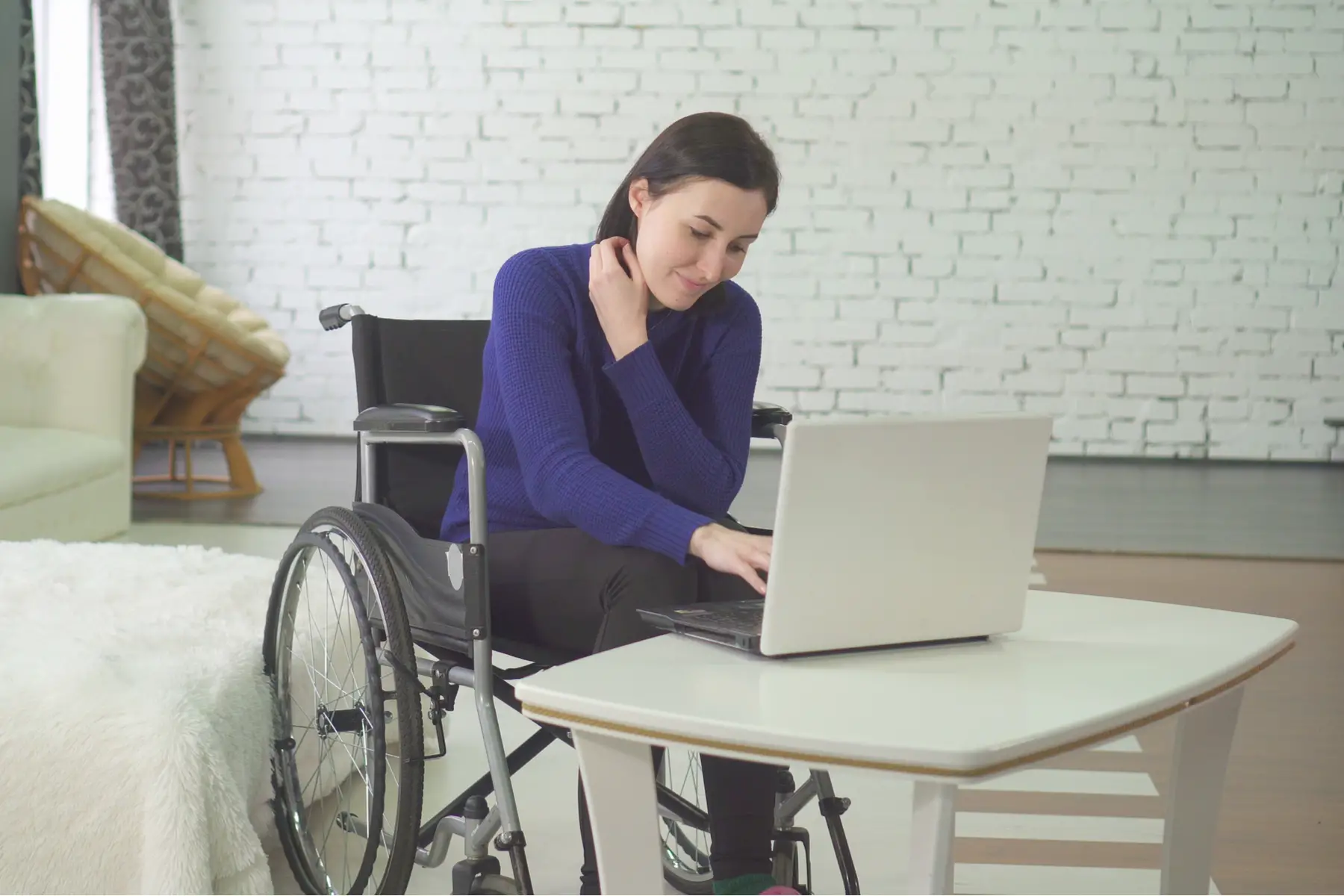
Notably, even non-EU nationals may apply for loans to buy property in Austria. Fortunately, Austria taxes real estate at 0.13%, the third-lowest rate in Europe. This applies to all residents of Austria. It’s important to note that citizenship is not a factor when it comes to residency in Austria. You can read more about this in our guide to the tax system in Austria.
The Austrian property market and property prices
Generally, real estate in Austria is considered affordable compared to other parts of Europe. This is particularly true in Vienna when compared to Munich or Zurich. Typically, the real estate market is stable with moderate yet steady yields and low-interest rates. Notably, the euro has jumped 11% against the dollar since May 2020. The strength of the euro also has other nations viewing it as a currency for safety and liquidity.
That said, property prices have seen a steady rise over the last decade. During the year to Q3 2019, for instance, the residential property price index in Austria rose by 5.22%. Meanwhile, house prices in Vienna, Austria’s capital, rose by 7.62%, and by an average of 1.82% in the rest of the country.
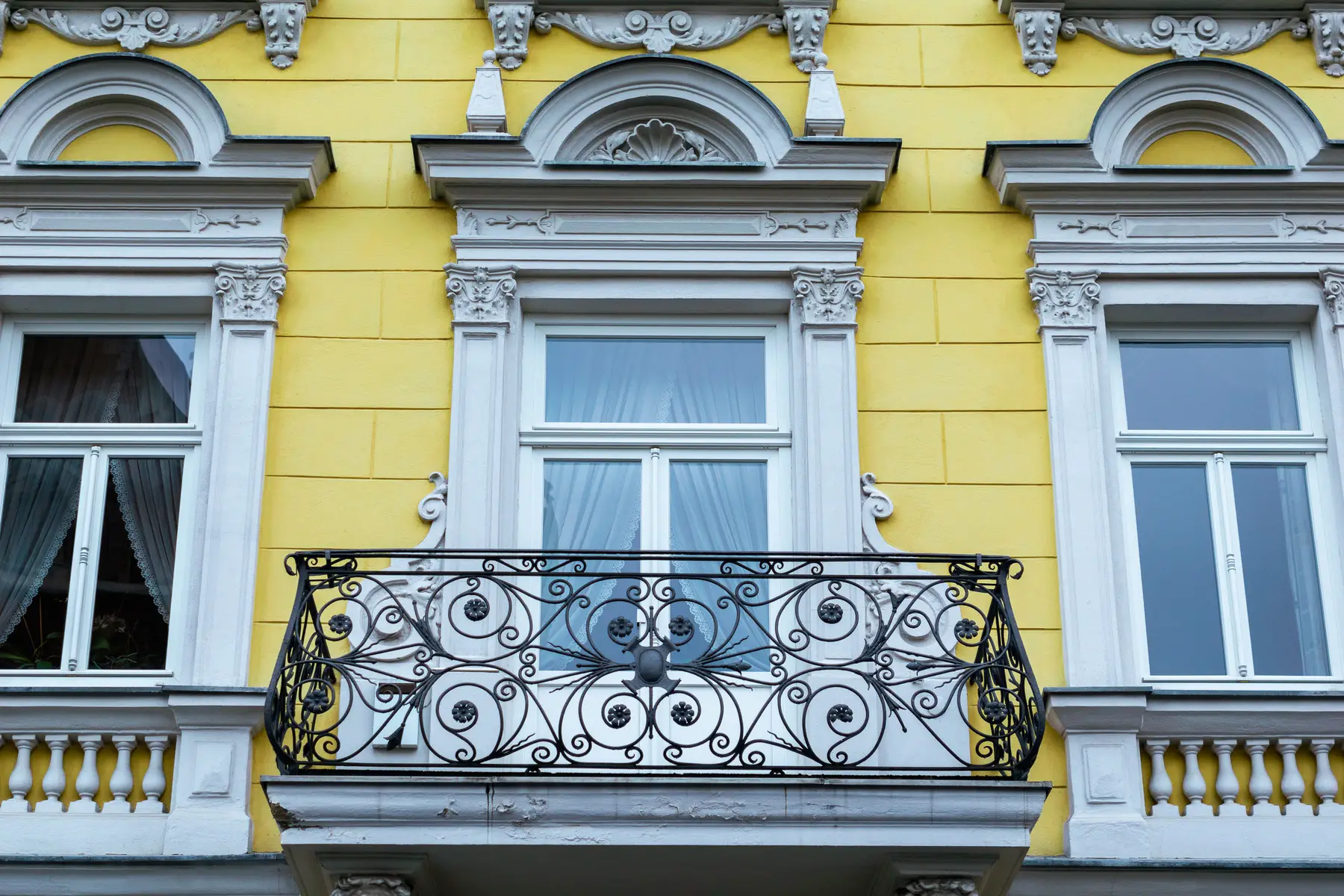
As of April 2020, a two-bedroom flat in Austria costs €256,000 on average; higher than the average of €168,702 across Europe. However, the cost fluctuates largely from country to country with Switzerland at the top (with €548,845) and Moldova at the bottom (with €47,000). A new house in Austria costs €359,000 on average.
Remarkably, even the COVID-19 global pandemic hasn’t affected the property market in Austria. The nation, and the capital Vienna, continue to grow with property prices increasing markedly in 2020. It’s possible that this increase is a result of people investing more in their homes rather than renting in popular areas for nightlife and entertainment.
Costs of buying a property in Austria
Unfortunately, the transactional costs of buying real estate in Austria are high. The total is between 9.4% and 13% of the property value or sales price. Also, it’s important to be aware that Austrian lawyers charge on a per-hour basis. Generally, it takes between two weeks to a month to fulfill all three procedures for registering your property and you will pay each of the costs as you go through the various stages of the process.
Here are the expected transaction fees for real estate in Austria:
- Legal Fees for the contract set up by a lawyer or a notary, at 1% to 3% of the purchase price (+ 20% VAT).
- Property Transfer Tax typically at a flat rate of 3.5% of the property value, but is generally 2% for a transfer between relatives.
- Value Added Tax (VAT) is only for newly-built properties. This can be claimed back if you lease the property out. However, the rental income would then be liable to VAT, plus a tourist tax of around €0.10 per person per night.
- Registration Duty is paid to the Land Register.
- Notary Fee of 2%+ 20% VAT, depending on the size of the property.
- Real Estate Agent’s Fee, which is set by law at 3% to 4% of the property’s purchase price or market value + 20% VAT. Both buyer and seller pay this. Curiously, agents get a higher commission for cheaper properties that cost less than €50,000.
- Stamp duty is the government tax on the purchase of 0.5 – 1%.
- Property registration is set at 1.1%.
- Mortgage fees consist of a bank fee of around 1% of the loan and a court registration fee of 1.2% of the loan amount.
One often overlooked expense is the cost of transferring large sums of money internationally. Banks typically add a markup to the exchange rate plus charging transfer fees, which can add up to thousands to your property purchase. Using a specialist provider like Wise, which offers transfers at the mid-market exchange rate plus a small, transparent fee, can save significant amounts on international money transfers. For a €250,000 property purchase, the difference could be as much as €7,500-12,500 compared to using a bank.
Financing a property purchase in Austria
Fortunately, you’ll find that there are various options available when it comes to financing your real estate purchase in Austria, as follows.
Mortgages
Mortgages in Austria are fairly straightforward to set up and foreigners are eligible for a loan in the country. Generally, fixed-rate mortgages are the most common. These finance up to a maximum of 70% of the property for between 15 and 30 years. However, buyers may suggest to the bank the duration they wish their mortgage to be. Adjustable-rate loans are also available. These offer a lower initial rate of interest but are riskier in the long run. Alternatively, you may choose a mortgage combination, which combines the types above.

Typically, most banks allow for monthly or quarterly mortgage repayments. It’s also possible to pay off your mortgage early in Austria. Generally, non-EU citizens will be considered a greater risk and the bank may demand additional documentary evidence. If you haven’t already done so, it’s a good idea to open a bank account with a European bank to make the overall process easier.

You can use this handy European Mortgage Calculator to work out how much you can borrow.
Finding a property in Austria
For many expats, it might be comforting to know that you won’t find looking for a property in Austria much different than in most other countries.
Online property agencies will likely be your first and easiest port of call. Rightmove, Amazing Austria, Engel and Voelkers, Savills, and Tranio are some of the leading agencies to explore. They will be able to give you a good indication of prices in different areas. Local real estate agents will be your best choice for knowing the market and most have English-speaking staff.

Sometimes, sellers choose to sell directly to the buyer without the agency fees. Therefore, it’s a good idea to check the classifieds sections of the local newspapers in Austria.
Furthermore, don’t discount word of mouth when it comes to looking for a house in Austria. If you know people in the country already, tell them you’re looking. You never know if someone in their network might be selling.
Those looking to make more sustainable choices for their new home can expect more support in the future. The new government is made up of the Austrian People’s Party and the Green Party As a result, major incentives for green real estate projects are in the works.
Property agents
A local property agent (Immobilienmakler) is a great way to find the right place for you as they will have their finger on the pulse of what’s happening in the market. Additionally, they’ll be knowledgeable on a host of questions you’re sure to have about the area. For example, the school system, dining scene, and public transport links. They’ll also be able to guide you through the laws and regulations of buying real estate in Austria.
All real estate agents need to have passed the National Certificate in Real Estate Brokerage. Furthermore, new regulations in 2012 mean that estate agents must also go through more rigorous training than in the past. Additionally, there is a voluntary association that Austrian estate agents may join that offers extra training.
It is important to note that real estate agencies in Austria charge a commission; typically, this is 3% of the property’s price. The services estate agents provide are generally to advertise a property, show the property to potential buyers, vet them, and negotiate the sale. Additionally, they will act as a liaison for all communication between the buyer and the seller.
Viewing and choosing a property
Most agencies in Austria will provide a full service of pre-screening available properties and compiling a portfolio of options for you. This pre-selection will cut down on the time spent viewing properties that you’re not really interested in. They will ask questions about your price range, how long you’ve been looking, and what requirements you have for your new property.
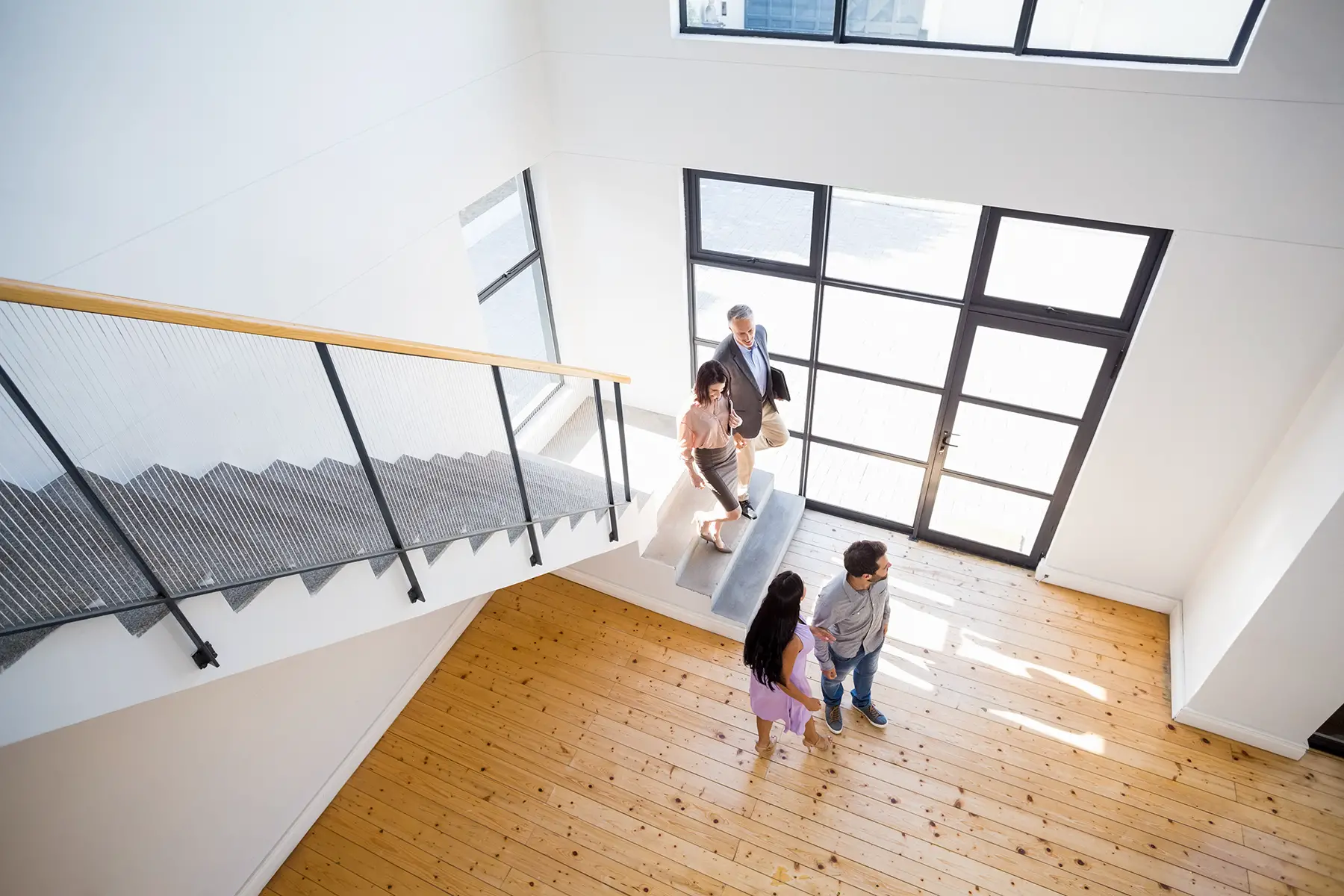
With the current climate as it is, more and more online viewings are taking place for real estate all over the world. Comprehensive photographs, videos, and information are now available in detail without leaving your home. Online viewing auctions are also becoming more commonplace in Austria. As a result, it is perfectly possible to purchase a property from overseas but also potentially much riskier unless you have someone on the ground who can help with all your personal needs and wants.
The process of buying real estate in Austria
After you have found the property you want to purchase, the process of buying a home will begin. From start to finish, this will typically take between one and three months. Here are the steps you will take towards buying a home in Austria.
Making an offer
When you make an offer, this will be done through your real estate agent. The offer will include a Kostenaufstellung. This a breakdown of the fees and costs associated with the buying of the property. A normal negotiating range is between 5 and 10% under the asking price.
You can expect the process between making an offer to getting the keys to take several months. Be careful about expressing interest in a property, however, because, in Austria, an oral contract expressing the intent to purchase can be legally binding.
Paying the deposit
After both parties have signed the sales contract, the buyer might be asked to pay a deposit; this is usually 10% of the purchase price of the property. The deposit is kept in escrow by the notary until the sale is final.
Transferring your deposit is a high-stakes financial moment where choosing the wrong provider can cost you thousands. While banks often hide a 2-4% markup in their exchange rates—potentially draining €6,000 from a €150,000 transfer—Wise uses the real mid-market rate with transparent fees to ensure your money arrives in full. To guarantee a smooth purchase, initiate your transfer as soon as your offer is accepted; utilizing Wise’s large-transfer support and double-checking notary details early guarantees you’ll be ready for the move without stress.
Hiring a solicitor and notary
A notary is an essential part of buying a property in Austria. Your notary will act as a mediator between you and the seller as well as holding any deposit and facilitating the transaction between the two parties. Civil law notaries are key players in the legal system in Austria.
The Austrian Chamber of Notaries provides details on every aspect of notaries as well as a directory of European notaries in every language.
Arranging a survey
Structural surveys may be undertaken as part of your negotiation with the seller. However, they are not standard practice in Austria. Your mortgage provider may require a valuation survey, but not a structural survey. In fact, sellers are not legally required to list all the defects in a property. As a result, they may not be aware of them. With this in mind, as a buyer, you may wish to enlist an architect or surveyor to survey the property. They may also be able to provide the report for your mortgage provider.
Exchanging contracts
Importantly, to officialize the purchase of a property in Austria, you’ll need the buying contract. Called Titel, it will be a notary who draws up the contract. The notary will act on behalf of both parties and is seen legally as an intermediary between the buyer and the seller. The details of when the transfer will take place and when the purchase price is due should all be included in this offer.
Notably, in Austria, you cannot cancel a deal without incurring charges. Therefore, if a buyer wants to include an option to redecide, this condition should be included in the Titel.
Once the seller agrees to your offer, a sales contract will be drawn up by the notary. After both parties have signed, the buyer may be asked to pay the deposit, as mentioned above.
Completing the sale
Lastly, to close the deal, you must enter the property into the land register. This is known as Modus. This is also when payment is typically due. For foreign investors, payment can be made through the notary who will release it once the entry to the land registry is made. This costs around 4.5% of the property’s value and takes between nine and 32 days.
Moving into your Austrian property
Once you have found your perfect property, there are a few things to think about next, as follows:
Insurance
Home insurance is mandatory when buying a home in Austria and this is also a condition of your mortgage. This insurance will cover damage to your house or apartment, as well as liability. You’ll need to arrange this in order to secure your loan.

Generally, it’s also recommended to purchase household insurance (Haushaltsversicherung) when you move into a property. A good policy should cover theft, third-party liability, window breakage, and fire or water damage caused by defective appliances. In Austria, it comes together with liability insurance (Schadenshaftpflichtversicherung) which, apart from being a very long word, covers part of the cost if you accidentally damage someone else’s property. You can expect to pay €150–250 per year for this.
Utilities and telecommunications

Once you move into your new home, you’ll want to set up your home and get connected. Fortunately, the process for setting up utilities as well as phone, internet, and television in Austria is relatively straightforward when you know the steps.
For non-resident property owners, managing regular utility payments can be challenging. Setting up a Wise Multi-currency Account can simplify this process by allowing you to make regular euro payments from your home currency with minimal conversion fees. The Wise debit card can also be useful for managing local expenses during visits to your property. Unlike banking options, Wise charges no monthly fees and offers competitive exchange rates for recurring payments, making it a cost-saving solution for managing your Spanish property from abroad.
Buying land to build a new property in Austria
There are two types of property in Austria: complete property, and co-property – also known as joint property. Complete property gives the buyer ownership of the house and land but doesn’t include permissions for further building. Co-property, however, comes with the permissions to develop more buildings on the land. You’ll want to ensure you have Baurecht, which is a specific property right that grants owners the right to construct buildings.
Buying a new-build home in Austria
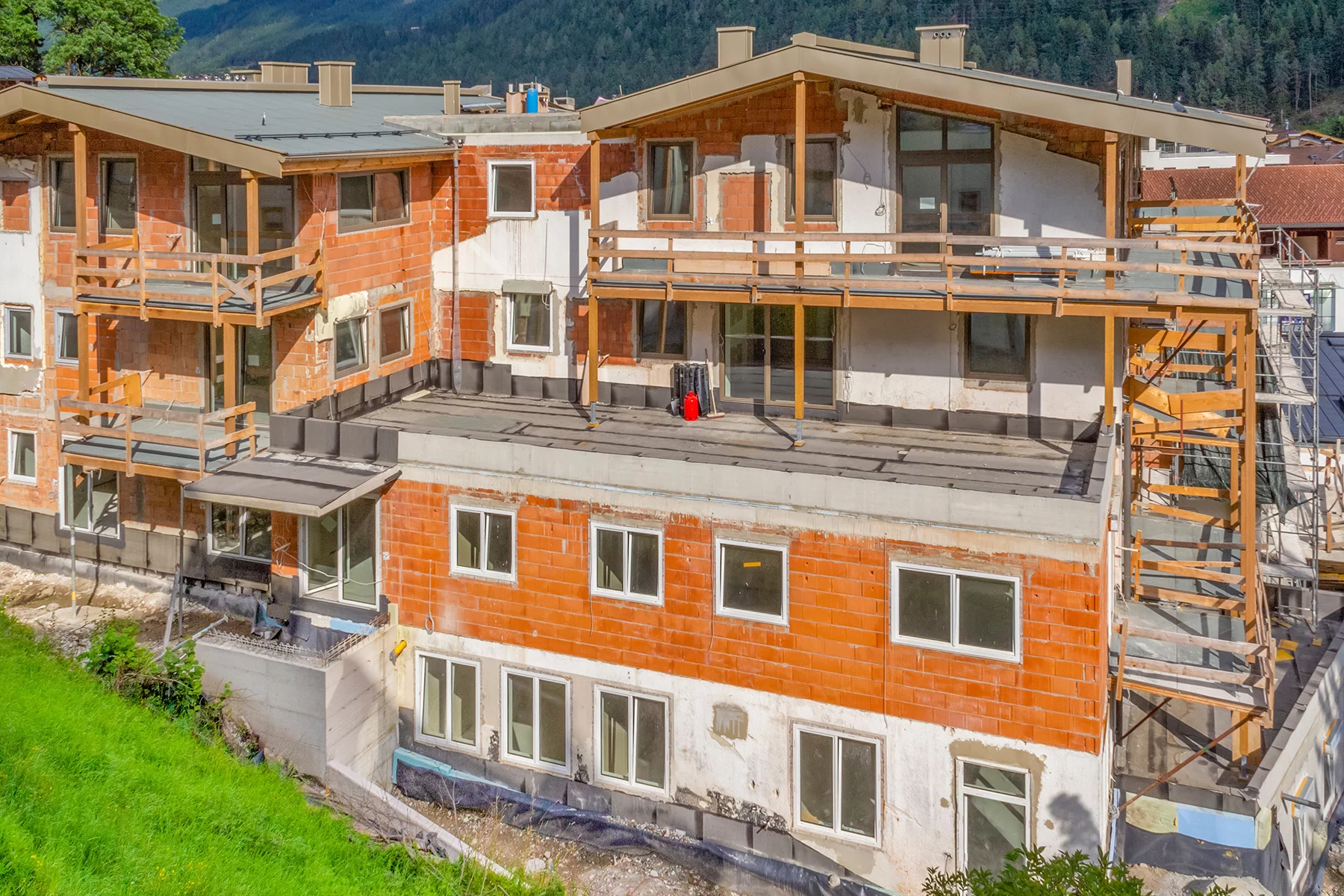
New-builds in Austria will usually be pricier but there are often attractive payment schemes available for these types of properties. Of course, you have more input when it comes to the design of the interior with a new-build and, one of the biggest benefits is that all new properties in Austria use energy-efficient materials and green energy solutions that you won’t find in older houses.
Selling a property in Austria
There are helpful services in Austria that specifically aid expats with the selling of their property. Expat Consulting, for instance, services Vienna and also provides relocation services. Furthermore, companies like this can also help you purchase your next home as they have partnerships with a network of international real estate agents.
Tips on buying real estate in Austria
After you’ve been through all the elements listed above and made sure purchasing real estate in Austria is the right move for you, here are a few tips to make the process as smooth as possible:
- Austrian property prices are negotiable. Most properties will be listed at 5 or 10% above what the owner will accept.
- Make sure you do your research before you buy and find a good local agent you trust.
- Separate a list of emotional reasons and logical reasons why the house is right for you. Many people make emotional purchases when they fall in love with a property. Make sure you can afford the upkeep on the new love in your love.
- Additionally, ensure you can afford the mortgage payments.
- With the high cost of fees for buying a home in Austria, make sure buying is the right option for you, and that you’re in it for the long haul. If not, there’s always the option to rent.
- You can save a crucial amount of money on your currency exchange by choosing a transparent and low-cost transfer provider like Wise, which even offers the mid-market rate unlike most banks.
Here are some key terms to memorize that might come in handy, too:
- Fläche – surface area. This gives the dimensions of part of an apartment.
- Immobilien – real estate. Many real estate terms start with ‘Immobilien’, so this word is helpful in figuring out many other terms as well.
- Katasteramt – land registry office. This office has information about the property and other information about the location.
- Kaufpreis – the purchase price. This is the cost of the apartment itself without other fees and incurred costs.
- Notar – notary public. The notary is necessary for finalizing the purchase of the property.
- Objektrendite – property return. This gives an idea of the worth of the investment when purchasing property, and the possible income generated.
- Wertermittlung – value assessment. If you’re looking to sell your property, the Wertermittlung will give an idea of the worth of the property and an indication of a reasonable asking price.
Useful resources
- Oesterreich.gv.at – the government portal on the acquisition of property in Austria
- PD&R Edge – details of Vienna’s unique social rented housing program
- Real Estate in Austria – a comprehensive guide by a Vienna law firm on the laws surrounding property in Austria.


Did you find this guide helpful?