'%20id='ico-down'%20stroke='%23000000'%20stroke-width='1.5'%3e%3cg%20transform='translate(1092.250000,%20254.750000)'%3e%3cpolyline%20id='Path-2-Copy-4'%20transform='translate(5.500000,%202.750000)%20scale(1,%20-1)%20rotate(-180.000000)%20translate(-5.500000,%20-2.750000)%20'%20points='0%200%205.5%205.5%2011%200'%3e%3c/polyline%3e%3c/g%3e%3c/g%3e%3c/g%3e%3c/svg%3e)




Moving from the US to the Netherlands will require thorough advance planning around visas, housing, money, and health cover to ensure a smooth relocation. That’s a lot to think about, but with the right research and support you can get everything lined up for a stress free move.
This guide covers routes, preparation, first-month admin, costs, and the mistakes that most often cause delays.
This guide is for information only, and does not constitute legal, tax or immigration advice. There’s also more helpful insights in Expatica’s Netherlands moving hub.
Key takeaways
- Stays beyond 90 days or if you plan to work or study usually need a valid residence route, not just visa-free entry.
- Check that your rental allows BRP (Personal Records Database) registration before you pay a deposit.
- Your BSN, the citizen service number, unlocks many next steps, including banking, payroll, and DigiD.
- Dutch basic health insurance is separate from travel or international cover, and is compulsory.
- Moving abroad does not automatically end your US tax filing duties.
Choose the right route to move to the Netherlands
US citizens can usually visit visa-free for short stays, but moving to the Netherlands from the US normally means qualifying for the right residence basis first.
| Route | Best for | Sponsor | Verify first |
|---|---|---|---|
| Highly skilled work | People with a Dutch job offer | Recognised employer | Sponsor status and permit fit |
| Dutch American Friendship Treaty (DAFT) | Freelancers and founders | Yourself | Real business plan and self-employed rules |
| Study | Degree and exchange students | Recognised school | Admission and residence conditions |
| Family or partner | Joining eligible family | Dutch or resident sponsor | Relationship and income requirements |
The main routes for US citizens
You can’t simply travel visa free to the Netherlands and decide to stay there. Buying a property or investing alone also don’t confer residency rights. That means you’ll need a valid visa or permit which suits your plans in the Netherlands.
For most readers, the choice comes down to a Dutch employer, a self-employed plan under DAFT, a recognised education course, or an eligible family tie.
DAFT is the Dutch-American Friendship Treaty route, and it usually suits people building a genuine business, often with KvK, the Dutch Chamber of Commerce, registration.

How to choose the route that fits you
Work is the obvious choice if you already have a qualifying Dutch employer lined up. If you are building a real business instead, DAFT is usually the better fit; students with a confirmed course offer should look at the study route, and people joining a partner or relative should look at family residence.
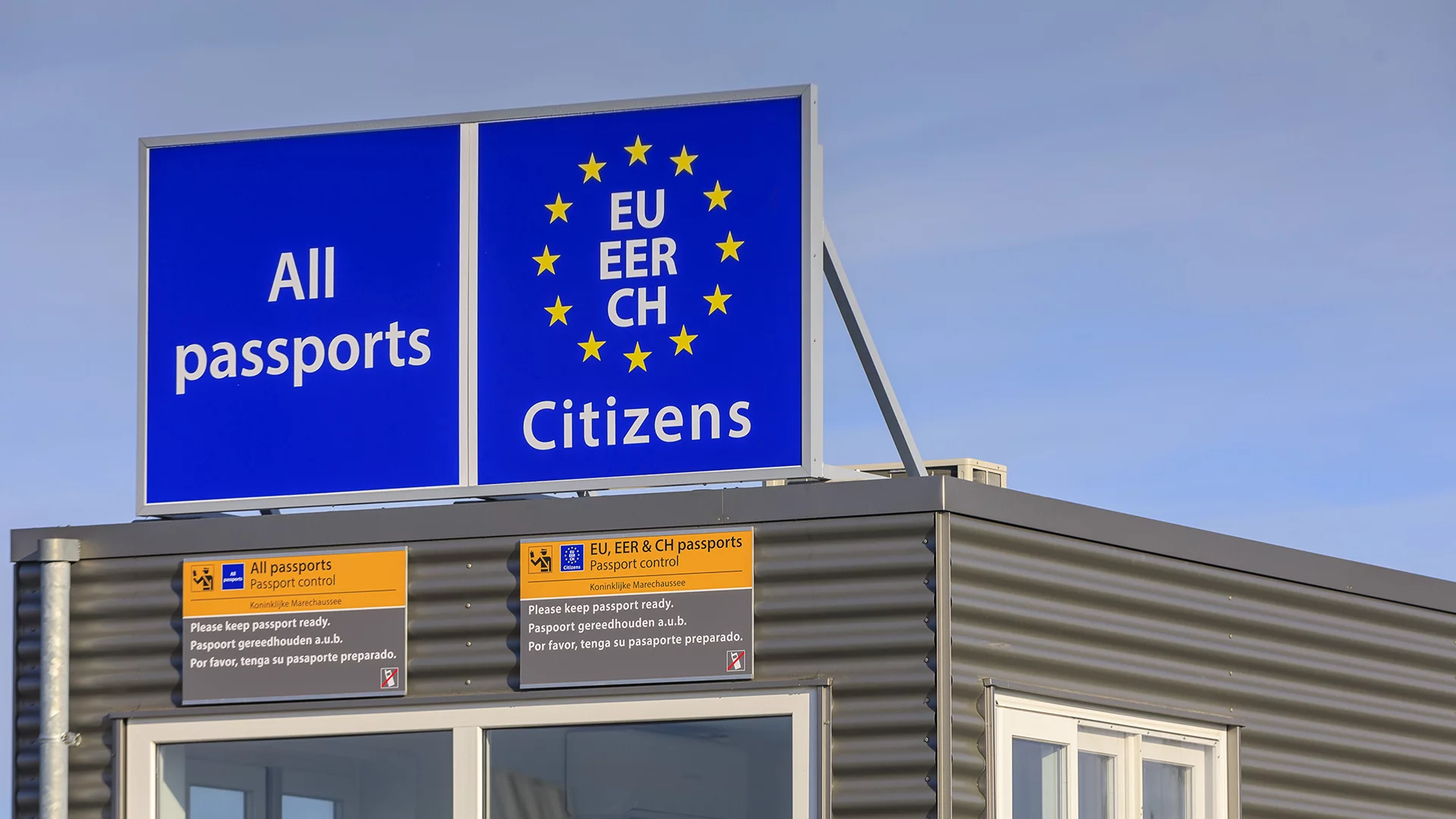
Get ready before you leave the US
Start planning about 90 to 30 days before departure, and use Expatica’s Netherlands relocation hub for the wider service and logistics picture.
Documents, apostilles and bookings
Gather the documents that are hardest to replace first:
- A valid passport and route-specific forms.
- Civil records, such as birth or marriage certificates, if your visa route needs them.
- Employer, study, business, or relationship evidence.
- Appointment plans for travel, municipality registration, and any IND (Immigratie- en Naturalisatiedienst – Immigration and Naturalisation Service) steps.
Some US records may need an apostille, which is a legalisation certificate for use abroad. Check the current document list with IND, Netherlands Worldwide, and your gemeente (local municipality) before you lock in flights.

Housing, shipping and the BRP trap
For many people researching Netherlands immigration from the US, housing is harder than the visa paperwork. Before you pay a deposit, confirm that the address allows BRP registration, because a home that cannot be registered can block your BSN(citizen service number) and delay the rest of your setup.
If you need help with the move itself, compare Expatica’s relocation options for moving to the Netherlands and its relocation services directory before choosing a mover or settling service. Ask the landlord or agent in writing whether the address can be used for BRP registration, because a rental that looks perfect can still block banking, payroll, and health-insurance admin if registration proves impossible.
Handle your first month in the Netherlands
Your first month is mostly admin, and some tasks will not move until you have a registered address and BSN.

Register, get your BSN and sort your banking
Register with your gemeente as soon as required so you can enter the BRP, the Personal Records Database, and receive your BSN. After that, apply for DigiD, your Dutch digital identity, which unlocks many public services.
For everyday banking, many newcomers compare major local banks such as ING, ABN AMRO, and Rabobank. You may still need a bridge for deposits or arrival funds, so a Wise international transfer, a Wise multi-currency account for holding USD and EUR, and the Wise card can all help while your Dutch setup is still bedding in. Open a Wise account from the US before you move, to have EUR money management tools up and running before your physical relocation even happens.
Set up health cover, a GP and your phone
Dutch basic health insurance is not the same as travel insurance or international cover. If you come to live or work in the Netherlands, you’re likely to need Dutch compulsory insurance quite quickly, although many individuals also choose to have additional cover as a top up and to bridge the interim period while compulsory insurance is still being set up.
If there is a gap before your Dutch policy starts, compare international options such as Allianz Worldwide Care, Cigna Global, April International, and Feather Insurance. And don’t forget to register as soon as possible with local healthcare practitioners. In busy areas, finding a nearby huisarts, your GP, who is taking new patients can be just as time-sensitive as choosing the insurer.
The next key admin task is likely to be getting a phone and data. For short-term mobile data while you sort a Dutch SIM or contract, some newcomers use an eSIM from a provider like HolaFly instead. This gives some time to research and compare local plans without getting tied into a long term contract you don’t yet understand.
Plan your budget, taxes and daily life
The cost of moving to the Netherlands from the US is more than airfare and the first month of rent. Budget for setup costs first, then for the monthly reality of your chosen city.
What the move and everyday life may cost
Your upfront budget usually includes flights, deposits, temporary accommodation, movers or shipping, basic furnishing, insurance, and emergency buffer money. Ongoing costs then depend on rent, transport, childcare, and whether you settle in a pricier market or choose more space outside the main expat hotspots.
| Cost area | What to plan for | What changes by city |
|---|---|---|
| Arrival costs | Flights, temporary stay, deposits, setup buys | Amsterdam often puts the most pressure on early cash flow |
| Housing | Rent, utilities, furnishing, registration-friendly address | Rotterdam, Utrecht, and The Hague may offer different trade-offs |
| Monthly living | Food, transport, insurance, childcare, buffer | Lifestyle matters as much as headline rent |
If you are unsure about the cost of living in the Netherlands vs US, compare the full monthly costs of your lifestyle, not one grocery basket.
What Americans need to know about Dutch and US taxes
A move can create Dutch tax obligations, and US citizens may still need to file in the US after they leave. You may not pay tax twice, but you should confirm your filing position with the IRS and the Dutch tax authority.
If you need to move savings, salary, or tax money between US and Dutch accounts, tools such as Wise can make cross-border transfers and currency conversion easier to track while you organise the rest of your finances.

Avoid these mistakes that slow down US moves
- Visa-free entry is not a relocation route. Use IND and Netherlands Worldwide information sites to confirm what applies before you book.
- A good-looking rental can still fail at the BRP stage. Get written confirmation on registration from the landlord or agent.
- Do not leave health cover until after arrival. Check when Dutch insurance starts in your case and whether you need interim international cover for the gap.
- Many newcomers underestimate the payment handover. Plan deposits, card use, and USD to EUR transfers before your Dutch banking setup is live.
- US tax reporting does not disappear when you move. Check IRS filing and foreign-account rules early, not at tax time.
FAQ
Frequently asked questions about moving to the Netherlands from the US
Do US citizens need a visa for the Netherlands? 
For short visits, Americans can usually travel to the Netherlands and the wider Schengen area for up to 90 days in any 180-day period without a visa. Moving for work, study, family, or long-term residence normally means using the right residence route, so check the official visa tool for more information based on your case.
How hard is it to move to the Netherlands as an American?
It is realistic if you have a valid visa or permit route, enough prep time, and a workable budget. The hardest parts are usually housing, documentation, and early admin.
Can Americans move to the Netherlands without a job?
Yes, in some cases, such as DAFT, study, or family residence. But you will still need paperwork, proof of eligibility based on your preferred visa route, and enough funds for the move.
Is the cost of living in the Netherlands higher than in the US?
Sometimes yes, sometimes no. Amsterdam rent can outweigh savings on transport or healthcare, so compare full monthly spending rather than one headline price.
How much does it cost to move to Amsterdam?
Amsterdam is the premium-city version of this move, so the biggest surprises are often temporary accommodation, higher deposits, and furnishing costs. Use fresh local housing and living-cost checks before you set a number, because the total can shift quickly.
Useful resources
Checked 24th August 2026
- IND – official residence permit routes and guidance
- Netherlands Worldwide visa hub – official visa checker and framework
- Government.nl BRP guide – personal data and residence registration
- Government.nl compulsory health insurance – basic coverage requirements
- IRS guidance for US citizens abroad – ongoing US tax filing obligations