'%20id='ico-down'%20stroke='%23000000'%20stroke-width='1.5'%3e%3cg%20transform='translate(1092.250000,%20254.750000)'%3e%3cpolyline%20id='Path-2-Copy-4'%20transform='translate(5.500000,%202.750000)%20scale(1,%20-1)%20rotate(-180.000000)%20translate(-5.500000,%20-2.750000)%20'%20points='0%200%205.5%205.5%2011%200'%3e%3c/polyline%3e%3c/g%3e%3c/g%3e%3c/g%3e%3c/svg%3e)



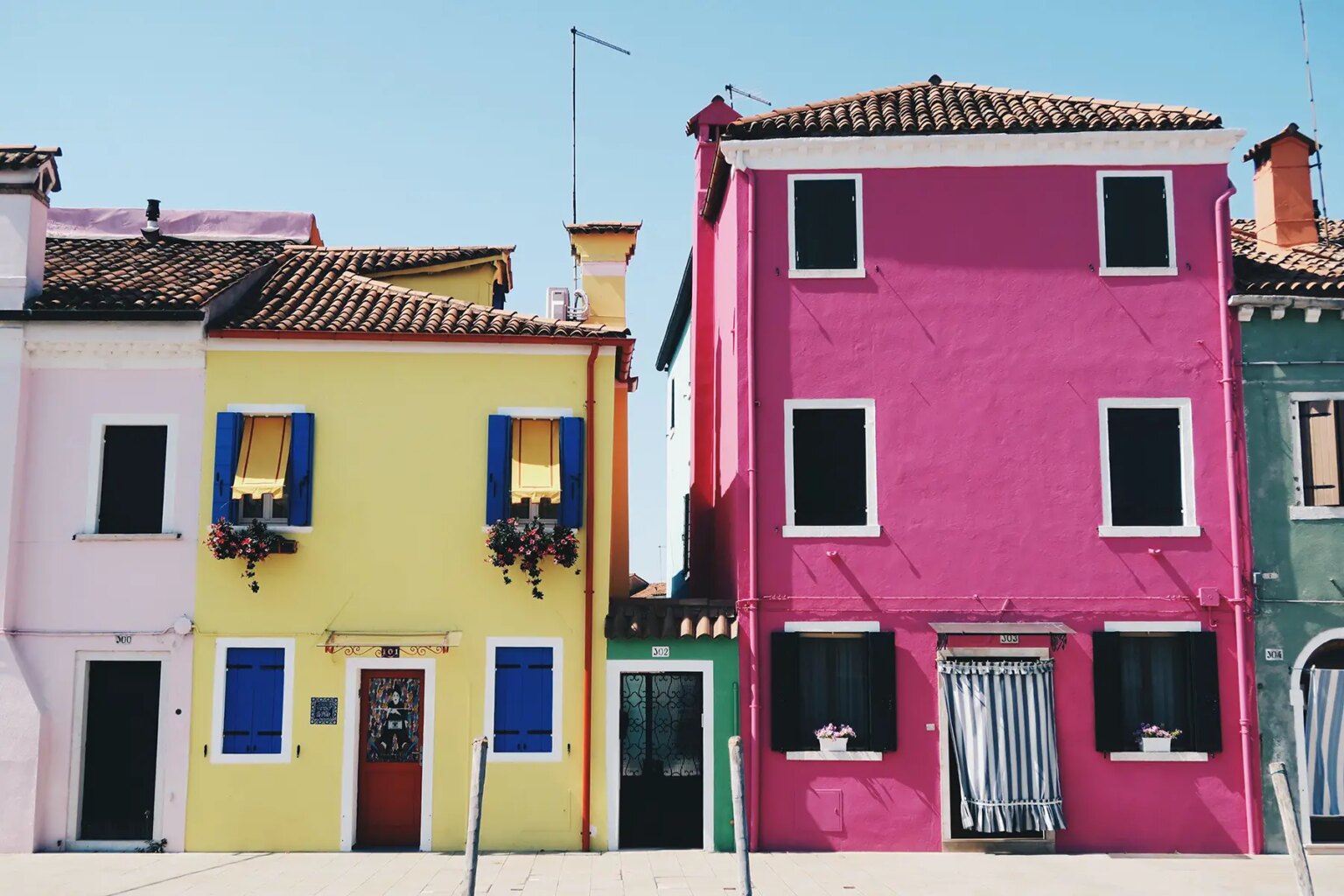
Italy is a popular destination for expats from all over the world, with a great mix of city and countryside properties to choose from, including the now famous 1 EUR houses. So – can Australians buy property in Italy?
Aussies can buy Italian properties with no specific restrictions – but having a home there won’t get you a visa automatically. Read on to find out how buying a property in Italy works, from taxes to money transfers. We cover all the basics, and introduce Wise as a good way to get your money from AUD to EUR ready for your purchase.
Send money with Wise
Sending money to or from Italy? Cross-border payments don’t have to be complicated. With Wise, you can hold over 40 currencies in one account and send money to over 140 countries transparently at the mid-market exchange rate. Be smart. Get Wise.

Can Australians buy property in Italy?
Yes. Australians can buy property and land in Italy with no specific restrictions.
If you’re thinking of buying a place abroad you’ll need smart ways to handle the financial side. Why not check out Wise as an easy-to-use, low-cost way to move money abroad for a property purchase – more on that later.
How difficult is the process?
While buying a property in Italy isn’t super complicated, there are risks when navigating a foreign process which mean you’ll definitely need a competent local team to help you. You’ll need to have an Italian solicitor or lawyer, for example, who can help you navigate the legal side of the property purchase. The good news is that there are plenty of professionals with experience helping expats buy homes, who can offer comprehensive English language support.
Even with your legal team lined up, there are a few other aspects and documents to consider. Here are a couple:
Codice fiscale (tax code)
The codice fiscale (tax code) is a tax identifier issued by the Italian authorities and it’s needed for registering your property and dealing with the government on things like tax payments.
You’ll be asked for this when you buy a home – get yours in Italy in person via the Agenzia delle Entrate (Revenue Agency), or through an Italian embassy in Australia.
Proof of ID and proof of funds
Your solicitor must check your identity and also verify that the funds you’re using to buy your home have been legally sourced. You’ll normally be asked for your passport, and your residency documents if you already live legally in Italy.
The paperwork to prove the source of funds varies a lot depending on your situation – you may need to show bank statements and salary slips for example if you’re paying from salary and savings, or a sale deed from another property if you’ve sold a place in Australia to fund your new purchase.
Other important documents
As with any legal process there are a few other important documents your solicitor will need to check, which can include:
- Title deeds to prove legal ownership of the property
- Land Registry Plan (Planimetria catastale) and any relevant Building Permits to show the property has been legally constructed
- Energy Performance Certificate (Attestato di Prestazione Energetica)
Other documents may also be needed – check with your solicitor to make sure you have seen everything required to allow the purchase to go through smoothly.
Typical timelines
Buying a home in Italy may take two or three months including the time needed for due diligence and completion of legal steps. The exact time taken depends on the specific property as well as your own financial situation and the seller’s circumstances.
Talk through the timelines that are likely to apply on your purchase with your notary so you know what to expect.
Transferring money to Italy for the purchase
Wise can help you cut the costs of transferring money from AUD to EUR for your new home.
Buying a high ticket item like a house can come with big bills. And getting a bad exchange rate makes a huge difference to the amount you pay overall. Even a small percentage fee added to the rate quickly mounts up.
To make things simple, Wise uses the mid-market exchange rate with transparent fees and applies automatic discounts when you convert or send 40,000 AUD or more over the course of a month.
You can use Wise to send your money to the seller directly – or to move money to your Italian bank in euros so you have it ready to use when you close on your new home.
Bringing home funds from a foreign property sale: Chris chose Wise
Wise can help to repatriate your funds after selling a property in Italy. Your euros are converted with the mid-market rate and transparent fees – there’s even an automatic fee discount for higher value transfers. Here’s what Chris, a Wise customer, has to say about the service:
“Brilliant service all the way from our house sale in Spain through to then transferring euros to GBP into a UK account. Would definitely recommend to everyone.”
*In this example, the customer name was changed for privacy. The customer wasn’t paid to share their review. Review collected from Trustpilot in August 2025.
What are the tax implications?
Managing taxes across borders can get complicated, particularly when making a major purchase. You might need to pay tax at the point of sealing the deal on your new home, and ongoing costs in Italy, plus you’ve got to take into account your duties on the Australian side too.
This guide is for information only. Get professional tax advice to navigate the tax implications of your new Italian home both in Italy and in Australia.
In Italy
You’ll need to talk through the one off costs that apply on property purchases in Italy with your legal advisor. These can include:
- Imposta di Registro – transfer tax – this is usually 2% of the purchase value for a first home and 9% if you’re buying a second or holiday property in Italy
- Imposta Catastale – Land Registry Tax – this is usually 50 euros if you’re buying a property on the private resale market
- VAT – VAT may apply if you’re buying a property from a company such as a newbuild. Rates vary from 4% to 22% depending on whether it’s your first or second home and how it’s classified
Your notary or solicitor can also advise you about ongoing costs including IMU (Imposta Municipale Unica). This tax may not apply if your home is considered a primary residence and is eligible for a waiver – check the details with your solicitor.
There’s also a waste tax called TARI (Tassa sui Rifiuti). The final amount you pay depends on the location and size of the property and the number of people living there.
Italian income tax may also apply if you let your home and make rental income from it.
In Australia
The tax you pay in Australia depends on your residency and how you use your property. If you’re an Australian tax resident you’ll pay tax to the Australian Taxation Office (ATO) on your worldwide income. This includes rental income from Italy if you let your place out and make a profit from it. Rental income is declared in your annual tax filing along with other similar income.
You’ll also usually need to pay capital gains tax in Australia if you sell your Italian property at a profit in future, and you’re an Australian tax resident. However, if you’re also paying tax in Italy you may be able to claim a foreign income tax offset from the ATO.
If you’re not sure how to navigate your cross border tax it’s crucial you get professional advice.
Local laws and regional variations
Foreigners are fairly free to buy properties in Italy without specific restrictions. Your solicitor will help with any required checks including making sure the property has proper planning permissions before you buy.
What buying property gets you
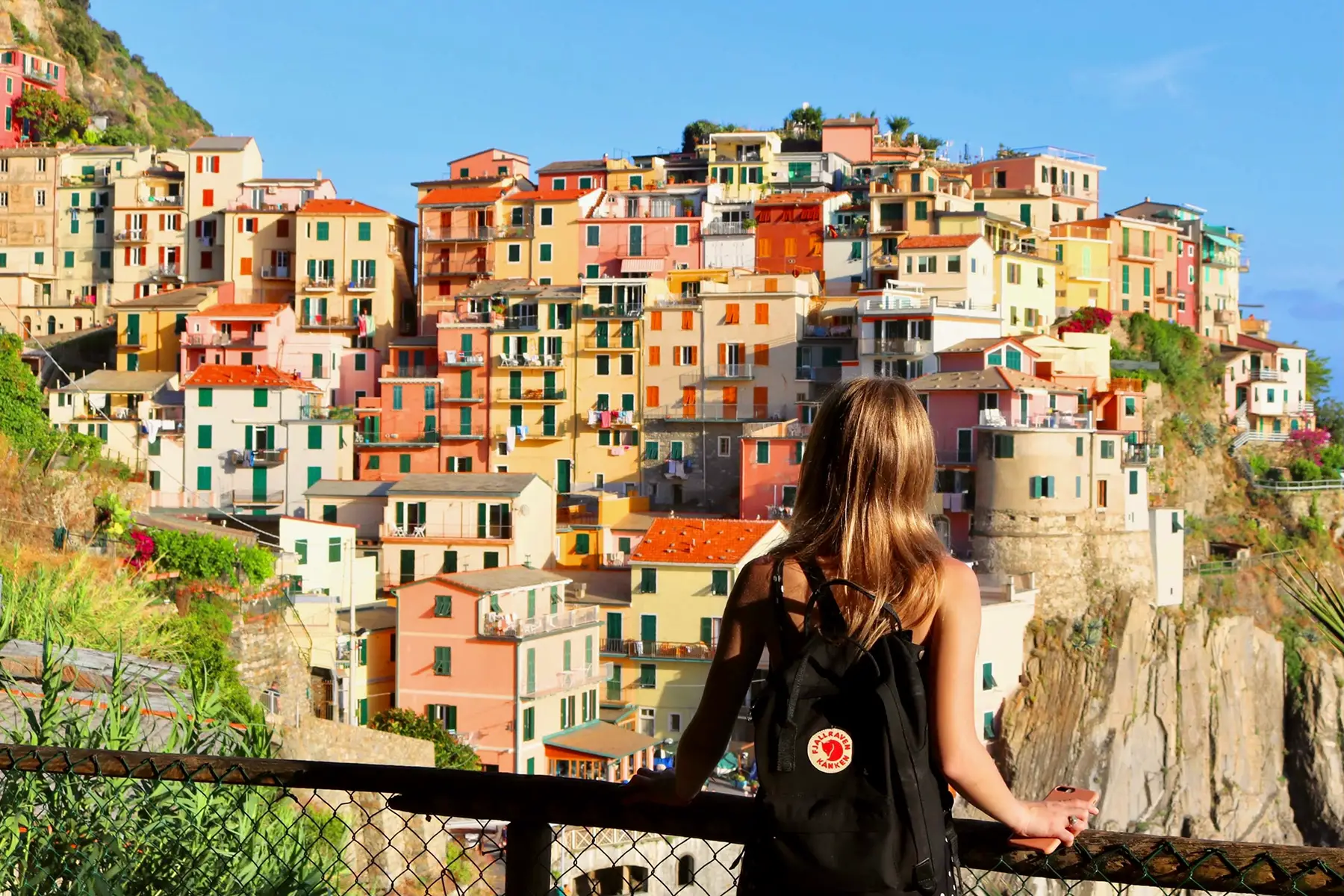
You might be buying a property in Italy ahead of relocating there, or looking for a foothold in Europe for vacations. Or maybe you’re thinking of the property more as an investment. Outside of major cities, Italy has relatively low real estate costs for Europe, and you might be able to rent your place out for income and then sell it later.
It’s important to note the limits to what you get when you buy a property in Italy. Specifically, owning a home there will not get you a visa automatically and does not give you the right to live in Italy long term.
What buying property does not get you
Buying a property in Italy doesn’t offer you a visa or residency rights.
If you’re travelling to Italy as an Australian you can enter for up to 90 days in any 180 day period for tourism purposes. This is part of the Schengen agreement which states you can spend 90 days in total in any of the Schengen countries, so if you’ll be travelling elsewhere in Europe it’s crucial you check the rules and how long you can be in the area as a whole.
If you intend to be in Italy for longer than this you’ll need an alternative. There are long stay visas to work, including digital nomad visas and remote worker visas – or there are options for study if that’s what you plan to do on arrival. Check out the options through the Italian Embassy or consulate closest to your home, and apply for the one which best fits your needs.
Renting out your property: is it allowed?
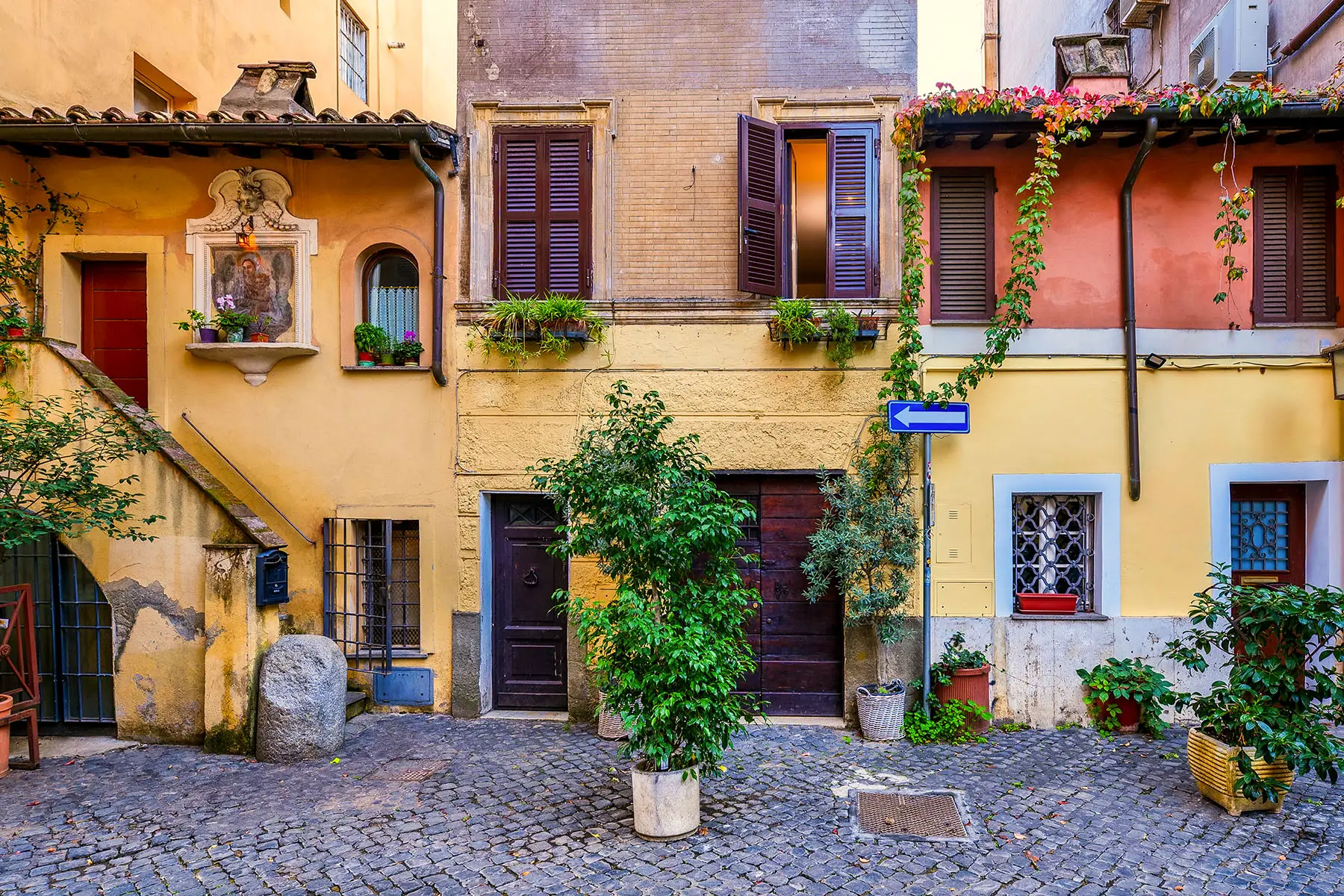
Yes. You can rent out your property in Italy as long as you follow all of the relevant rental rules. For example, you must register your property as a rental with the local authorities and follow rules on energy efficiency.
If you rent your property in Italy you’ll need to pay Italian income tax on the profits you make.
Buying land in Italy
Australian citizens can buy land in Italy with no specific restrictions. The process works very similarly to buying a property.
Getting a mortgage: should I get one in Italy or Australia?
Lenders in Australia tend not to offer mortgages for overseas purchases – but you may be able to get a loan through a bank in Italy instead.
Italy has a large expat community and so banks are used to dealing with the needs of foreign home buyers. The deposit amount needed may be higher compared to a resident buyer, but mortgage options are available for many customers.
If you get your mortgage locally in Italy, you’ll need to repay it in euros. If you’re earning an income in AUD this will mean that currency conversion costs will apply and may push up your monthly bills.
Using a low cost currency service like Wise can help you minimize the fees you pay for international transfers, and bring down your bills in the end.

The verdict: should you buy a house in Italy as an Australian?
Italy is a very attractive destination for Australians looking for a laidback beachside life, or to pursue career opportunities in Europe. Even though you can no longer use a real estate purchase as a route to residency in Italy, the relatively low costs of properties makes it a popular place to buy.
If you’re thinking about investing in a new place abroad, use Wise to send money from AUD to EUR with low costs and secure, fast payments whenever you need them.
| Pros | Cons |
|---|---|
| ✅Buy properties or land with no specific restrictions ✅Possibility to invest or make a rental income from your property ✅Visa options for people who want to work, study or reunite with family ✅Relatively low housing costs ✅Many English speaking agents and legal advisors available to support | ❌Property prices may go down as well as up ❌Exchange rates can change your mortgage payments ❌You’ll pay taxes on any rental income you make |
Useful resources
Real estate agents
Find real estate agents by location and need here, or check out these as good places to start your search:
Main expat areas in Italy
- Rome – Popular for career opportunities in a city which caters well to expat families with international schools and multi-lingual services
- Milan – One of the most diverse regions of Italy with huge expat communities involved in finance and fashion
- Lake Como (Lombardy) – One of several areas popular with retirees, thanks to beautiful scenery and excellent connections to Northern Italy and the rest of Europe