
'%20id='ico-down'%20stroke='%23000000'%20stroke-width='1.5'%3e%3cg%20transform='translate(1092.250000,%20254.750000)'%3e%3cpolyline%20id='Path-2-Copy-4'%20transform='translate(5.500000,%202.750000)%20scale(1,%20-1)%20rotate(-180.000000)%20translate(-5.500000,%20-2.750000)%20'%20points='0%200%205.5%205.5%2011%200'%3e%3c/polyline%3e%3c/g%3e%3c/g%3e%3c/g%3e%3c/svg%3e)


Finance
Taxes
Inheritance tax in Italy: Complete guide for expats
Inheritance tax applies in Italy and is paid by beneficiaries of a will, rather than being settled by the estate prior to any payments being made to beneficiaries. Because these taxes can apply to expats and international residents who inherit, it’s useful to get an overview of how the taxes apply and are calculated.


This guide walks through the basics – although you’ll also require professional support to navigate any tax questions you may have about your own unique situation.
Read on to learn about inheritance tax in Italy, with a quick look at how providers like Wise could help you repatriate your money if you inherit there – or pay taxes from abroad if you need to do so.
High amount transfers with Wise
Pay your Italian taxes, and then repatriate your funds to your home country with Wise, for low overall costs and secure digital transfers. Wise payments can be sent to 140+ countries with low, transparent fees and the mid-market rate without any mark-up. There are high limits (the equivalent of 1 million GBP usually), and fee discounts for transfers over 20k GBP, or equivalent. Plus you’ll get help from a dedicated support team for large transfers if you need it.

How does inheritance tax work in Italy?
Inheritance tax – Imposta di Successione – is paid by the beneficiaries of a will or estate. If you’re an Italian tax resident and inherit from Italy or anywhere else in the world, you’re likely to need to pay inheritance tax subject to allowances and exemptions. If you’re not an Italian resident and inherit from someone who lived there, you may also have some liabilities, depending on the situation.
It’s helpful to note that in Italy the taxes payable when someone dies are inheritance taxes, rather than estate tax which is the case in many countries.
The difference between estate tax and inheritance tax can be confusing. The key difference is when the tax is assessed, and who has to pay it – here’s what you need to know:
- Estate tax – estate tax is paid by the executor of the estate, before any of the assets can be distributed to beneficiaries.
- Inheritance tax – inheritance tax is paid by beneficiaries of specific inheritances given after someone dies.
Italian law provides generous tax free allowances for close relatives of a deceased person, and has variable rates of tax. This may mean that although you have to report your inheritance, you’re not required to make any payment of taxes on it, depending on the amount and situation.
Taxes can be complicated – and even more so if there are different countries involved or if you’re navigating a new system in a different country. The information in this article does not constitute advice. Tax requirements can change and are highly personal – get advice from a tax professional to understand your own obligations.
Italian inheritance laws and succession rules
If you’re not familiar with them, it can help to understand Italian inheritance laws and succession rules as they may work quite differently to in your home country.
When someone dies in Italy, there are some requirements about succession which dictate what assets can be left to whom.
If the deceased person left a will, the assets can be distributed in accordance with their wishes, but there are statutory rights for their closest relatives to receive certain portions of the estate. This means that when writing the will, the individual can only bequeath the un-allocated parts of their assets.
If there is no will, or if the will that’s been left is not sufficient to cover the circumstances, the law will set out the portion of assets which must go to each family member according to succession rules.
If you’re not sure about the rules here, or how they may affect any inheritance you’re involved in, get professional advice.
Who pays inheritance tax in Italy?
The beneficiaries of a will pay inheritance tax in Italy. If you’re a tax resident in Italy you may need to pay tax on worldwide inheritances, and if you’re not a tax resident in Italy but inherit from an Italian resident, you might also need to pay.
The heirs to any estate must submit what’s known as the declaration of estate within 12 months of the death. The Italian tax authorities then calculate the tax owed, and issue a settlement notice stating the inheritance tax. This must be paid within 60 days. It’s worth noting that the system is moving towards self assessment for beneficiaries to streamline the process – check with your tax advisor if this option is available to you if you inherit.
If you need to pay inheritance tax in Italy – or if you’ve inherited and need to repatriate your inherited funds to your home country, providers like Wise, OFX or Xe Money Transfer may be able to help.
- Wise offers high value transfers with the mid-market rate,
- OFX has no transfer cap and a 24/7 phone service if you like to talk through your transactions,
- Xe Money Transfer uses variable fees and rates on transfers all around the world.
International inheritance tax considerations
If you’re an expat in Italy and inherit money, you may be liable for inheritance tax in your home country. This can apply even if there’s no tax to pay in Italy, depending on the policies in place in your country of citizenship.
If you’re liable for tax in your home country and have also needed to pay tax in Italy, double taxation treaties may be able to help you offset the tax paid in one country against your dues in the other.
Some countries have a double taxation treaty with Italy which extends over inheritance tax, which may include France, the United Kingdom, Greece, Denmark, Israel, Sweden and the United States. However, as tax rules change frequently you’ll need to get professional advice to see if this applies in your case.
Remember – if you need to repatriate funds you’ve inherited abroad, a low cost payment service like Wise can help.
Wise has high transfer limits (the equivalent of 1 million GBP usually), and uses the mid-market exchange rate with no markup to keep the transfer costs low. There are automatic fee discounts for transfers over 20k GBP, or equivalent, plus you’ll get help from a dedicated support team for large transfers if you need it.

How much is inheritance tax in Italy?
The rates of inheritance tax in Italy, and any exemptions which apply, depend on the relationship the beneficiary has with the deceased person.
Here’s an outline of the tax rate above any relevant exemptions, based on the relationship involved.
| Relationship | Tax rate |
|---|---|
| Spouse, children, parents and grandparents | 4% |
| Siblings | 6% |
| Relatives up to the fourth degree | 6% |
| Others | 8% |
*Correct at time of research – 12th September 2025
How to calculate inheritance tax
When someone dies in Italy their assets, including property, money, and other goods, are valued, and offset against any debts they may owe. This calculates the taxable value of the estate.
Once the estate has been assessed, the heirs can submit a Declaration of Estate to the authorities, to allow them to calculate the tax owed by each individual. The tax payment depends on the value of the estate and the relationship of the individual to the deceased.
While the general approach to assessing the value of an estate is based on fair market value, assessing the value of properties can become complicated due to the notion of cadastral value. This is a standard calculation which may be used to value inherited property, and may be below market value for a property, resulting in potential tax savings for some people.
If you’re not familiar with the process of assessing the value of an estate in Italy this can be very hard to navigate – get professional help to ensure you get the calculations right and stay within the law.
Paying inheritance tax in Italy
Once a declaration has been submitted, the beneficiaries may be able to submit a self assessment of any tax due, or the Revenue Agency may create a settlement notice for each heir, confirming the tax that is owed.
Heirs can make payment at a bank, post office or collection agent. Payments must be made within 60 days of the settlement notice being received, using Form 24. There are some alternative payment arrangements available for higher value amounts:
If the amount to be paid is over 1,000 EUR it can be paid in installments as long as at least 20% is paid within 60 days of being served with the settlement notice. After this, the remaining amount can be paid in 8 – 12 installments, over 2 – 3 years depending on the amount owed.
Once you have received any inheritance and paid your taxes in Italy, you can then choose to hold it in Italy or repatriate it with a provider like Wise to your home country if you’d like to.

Italy inheritance tax for non-residents
If you’re not a resident of Italy but inherit from someone there you may be liable to pay Italian inheritance tax, but only on assets which are located within Italy. In addition to this you may be required to pay tax in your home country or wherever you are a tax resident.
This can mean that you need to report your inheritance as income or another form of asset on your annual tax filing in your home country. You might also have to comply with other laws in your home country depending on the rules there and your overall assets both in Italy and elsewhere.
To give an example, if you’re a US citizen and come into money overseas, you may need to report under FATCA – the Foreign Account Tax Compliance Act. This states that US persons living outside the US may have to report foreign assets over 200,000 USD. US taxpayers living in the US who have assets of 50,000 USD or more overseas must also declare it.
Assets subject to inheritance tax
In general you’ll need to value all applicable assets, including things like:
- Real estate
- Cash including money held out of state in some cases
- Certificates of deposit and other assets like stocks and bonds
- Life insurance payable to the insured or to the estate
- Annuities
- Household goods, jewelry and other assets
Inheritance tax rates and thresholds in Italy
Here are the current inheritance tax rates and thresholds in Italy:
| Relationship | Tax rate | Exempted amount |
|---|---|---|
| Spouse, children, parents and grandparents | 4% | 1 million EUR |
| Siblings | 6% | 100,000 EUR |
| Relatives up to the fourth degree | 6% | No exemption |
| Others | 8% | No exemption |
*Correct at time of research – 12th September 2025
Inheritance law and pensions in Italy
The value of a pension may be included in the valuation of an estate in Italy. This will mean that the value of the pension needs to be included in the declaration of estate along with other assets.
Inheritance tax planning
While Italian tax law does offer generous exemptions for close relatives of a deceased person, there may still be a benefit to tax planning for some people.
The most basic form of tax planning is simply to have an up to date will to ensure that the portion of an estate that can be freely allocated follows the wishes of the deceased person.
Using trusts, and structured gifts may also be an option for some individuals.
Be sure to get inheritance tax advice from a professional to help you navigate the options from a practical and legal perspective.
Inheritance tax exemptions and reliefs in Italy
As we’ve seen, the inheritance tax exemptions for close family members in Italy are very generous, and the headline tax rates once these amounts are exceeded are still pretty low.
Individuals may want to consider the exemption amounts when planning the allocation of their assets beyond the allocations to family which are required in law, to minimize the tax paid overall.
Gift tax and lifetime transfers
The Italian tax laws around inheritance are similar to those used for lifetime gifts. If you’re considering gifting money to heirs during your lifetime as an investment planning strategy it’s worth getting advice on how this approach might work best for your unique situation.
Inheritance procedures and probate
Italian inheritance procedures can be quite complex, which means that getting an inheritance tax lawyer is a good plan for beneficiaries who are not familiar with the system.
There are multiple steps, and because taxes on an inheritance in Italy are paid by the beneficiary, there are also risks of penalties if you don’t follow the rules correctly.
Common mistakes and pitfalls to avoid
If you’ve inherited in Italy, you’ll need to get professional help with your tax affairs and the practical management of the estate. Here are a few tips.
- Have assets professionally valued if you’re unsure – professionals can help navigate which should be included in the estate value and what may be excluded
- If any tax filing or payment is required, be sure to check the deadlines as there may be penalties for late payments
- Check your obligations both in Italy and your home country – in some cases you may need to report or pay tax in both
- If you’re repatriating funds or paying Italian taxes from abroad, use a provider like Wise to get the mid-market rate on your currency conversion, and keep the costs of your transaction low
Recent changes and updates in Italy
Things can change frequently when it comes to tax. Inheritance tax in Italy was briefly removed in the early 2000’s, before being reinstated, for example. More recently, there were changes made to tax laws towards the end of 2024 which have prompted changes to some aspects of inheritance tax around trust use.
There is also a move to make it possible for individuals to self assess tax due after a death rather than waiting for a notification from the authorities. As these changes are still bedding down at the time of writing, you’ll need to discuss the most up to date rules and processes with your tax advisor before you start the process of managing an Italian inheritance.
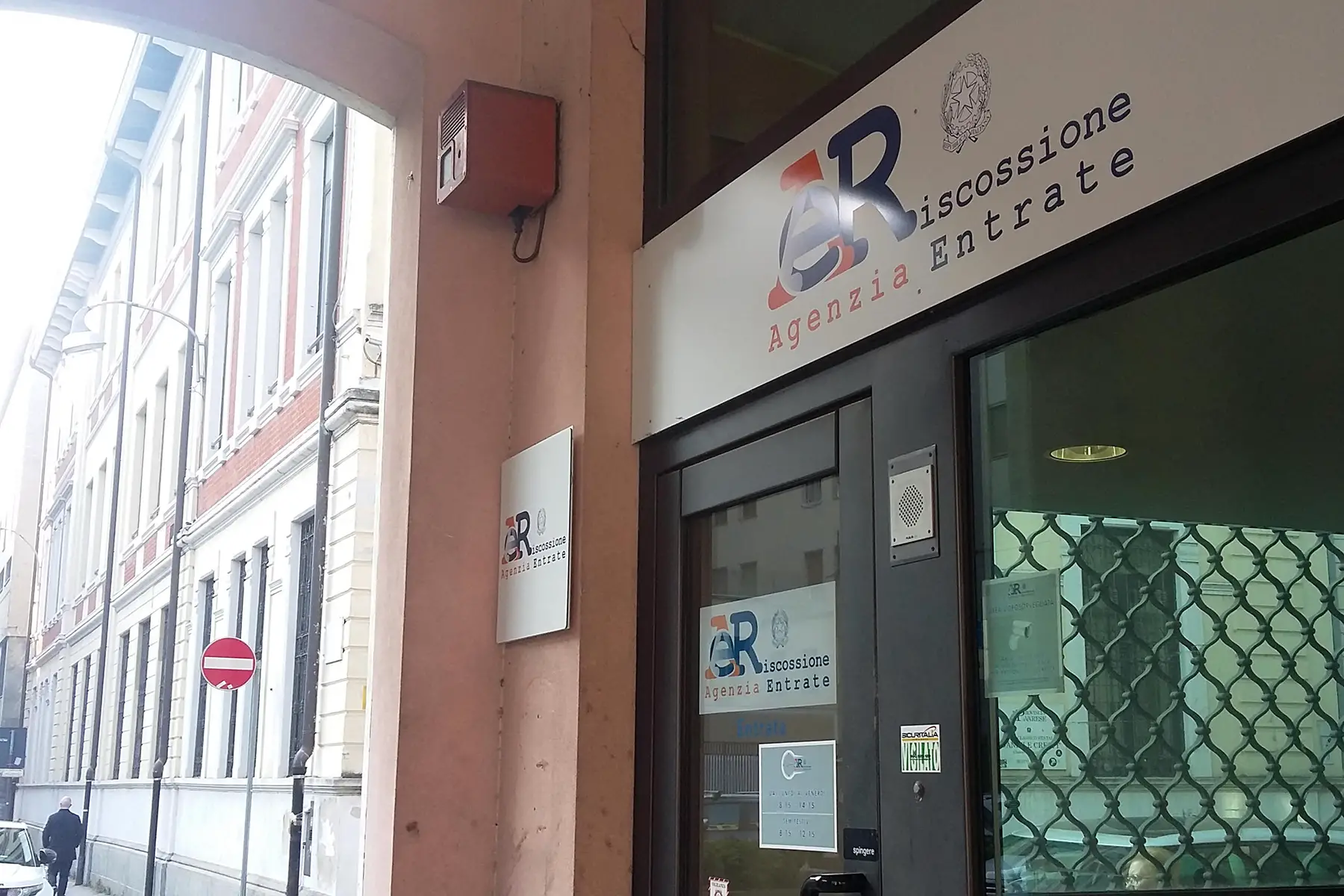
Getting professional help for taxes in Italy
It’s important to seek professional advice when dealing with estate or inheritance tax in Italy – depending on your situation you may need to talk to tax advisors, lawyers, and estate planners. You may also need advice in your home country to make sure you’re covering all your duties.
While there are fees to pay for professional support, it’s important to note that mistakes could be costly – and navigating an unfamiliar tax landscape without help can be extremely stressful. Get the help you need promptly to make things as simple as possible for yourself, and to give you peace of mind that you’ve got everything in order.
Conclusion
Italian inheritance tax is clearly structured, but may not work in the same way as the inheritance, estate or gift taxes in your home country. This means it’s essential to get professional local advice if you’re the beneficiary of a will when living in Italy, or inherit assets in Italy as a non-resident.
This guide covers many of the important points to know about to start your research – and remember, if you need to repatriate funds from Italy, or pay tax in Italy from elsewhere in the world, you could save money on fees if you use Wise.
Wise is well set up for large international transfers offering high limits, mid-market rate currency exchange, and fee discounts when sending larger amounts. Spend less on administration, and get a smooth international payment with Wise.
FAQs
What are the tax rules for inheritance?
Italian inheritance tax offers exemptions on tax to set limits depending on the degree of relation of a beneficiary to the deceased, with varied taxation levels from 4% – 8% of amounts inherited in excess of these exemptions.
What is inheritance tax?
Inheritance tax is the tax paid on the assets left when someone dies. In Italy this tax is paid by each beneficiary, rather than being deducted from the value of the estate prior to assets being allocated to beneficiaries.
Is there inheritance tax in Italy?
Yes. Italian law has inheritance taxes, but there are generous exemptions for the close family members of the deceased. Get professional advice if you inherit as an expat in Italy or as a non-resident inheriting Italian assets.
When do you pay inheritance tax?
In Italy inheritance tax is owed after the declaration of estate has been submitted by the heir, and subject to payment deadlines. Get professional support to make sure you navigate the tax system smoothly and are able to manage your inheritance within Italian law.
Useful resources
- Italian Revenue Agency – information for individuals
- Italian Revenue Agency – how to declare an estate
- Italian Revenue Agency – inheritance tax rates and payment
- Italian Revenue Agency – double taxation relief
- Italian Revenue Agency – CGT (in Italian)
- FATCA – IRS reporting requirements for foreign assets for US persons
- International Bar Association – Italian estate planning



Did you find this guide helpful?