


Caisse Primaire d’Assurance Maladie (CPAM) shows up early in expat life in France, on healthcare forms, visa paperwork, and reimbursement questions. CPAM is the local public health insurance office that handles much of the practical admin behind healthcare in France, including files, reimbursements, and proof of cover. Your route can vary by nationality, work status, family situation, and residence status. This guide explains who usually deals with CPAM, how registration works, and what you can do before your Carte Vitale arrives.
This guide is for general information only and is not legal, immigration, medical, or insurance advice.
Key takeaways
- Caisse Primaire d’Assurance Maladie (CPAM) is the local office that manages public health insurance admin in your area.
- Assurance Maladie is the wider French public health insurance system. CPAM is the local body many expats deal with inside that system.
- Protection universelle maladie (PUMa) is the legal framework that can open healthcare rights through work or stable, regular residence in France.
- The Carte Vitale is the health insurance card linked to your rights. It usually comes after your file has been processed.
- Employees, students, retirees, family members, and non-working residents don’t all follow the same route.
- If you’re between systems or still in a waiting period, bridge cover may matter. That is separate from CPAM registration.
Wise: manage your euros while you settle in France
- Hold euros alongside other currencies while you settle in France
- Keep your relocation money in one place, apart from healthcare admin
- See the exchange rate and fees before you convert your money

No commitment required"
What CPAM is and how it fits into French healthcare
CPAM stands for Caisse Primaire d’Assurance Maladie. In plain English, it is the local primary health insurance fund for your area, working inside the French healthcare system.
For expats, CPAM is usually the part of the system you notice first. It can handle file opening, day-to-day admin, reimbursements, and paperwork linked to proof of rights.
CPAM vs Assurance Maladie vs PUMa
People often see all three terms at once and assume they mean the same thing. They don’t. The following table shows how they differ.
| Term | Meaning | What it does in practice |
|---|---|---|
| Assurance Maladie | The French public health insurance system | Covers the wider national system for healthcare rights and reimbursements |
| CPAM | The local office or fund in your area | Handles files, contact, registrations, and many reimbursements |
| PUMa | The legal framework for cover | Lets eligible people access healthcare through work or stable, regular residence |
If you want the official definition of residence-based cover, Service Public’s PUMa guidance is the clearest legal reference. For the wider admin context, Expatica’s guide to the French social security system is a useful background read.
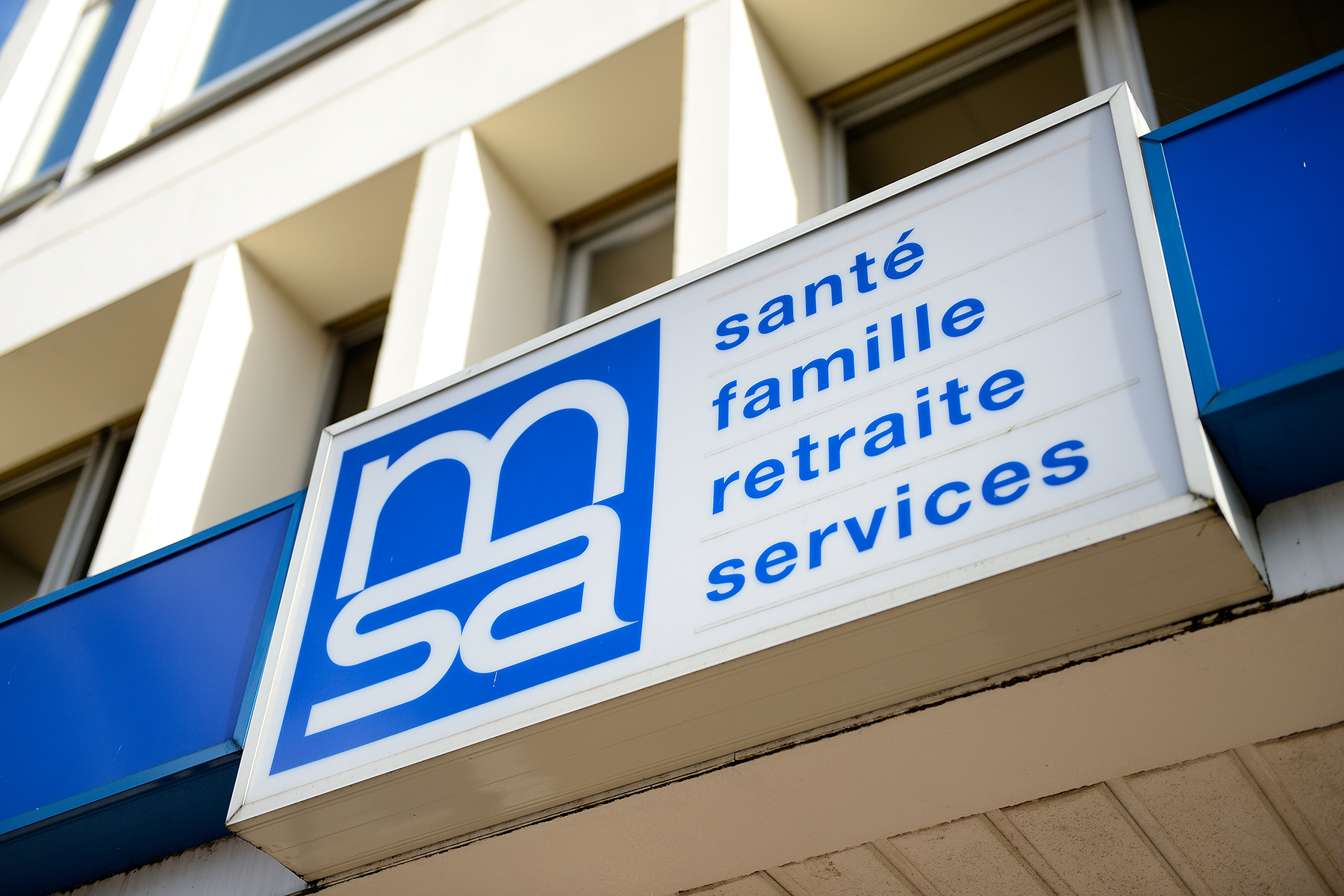
CPAM vs Carte Vitale
CPAM is the administrative body. The Carte Vitale is the card linked to your healthcare rights.
That distinction matters because the card is not the same as the underlying entitlement. Many new arrivals first receive an attestation de droits, which is a certificate proving their rights, or a temporary number while their file is still being finalized.

Who deals with CPAM and when expats usually need it
You usually deal with CPAM when you need to open healthcare rights, prove them, send a paper claim, update your file, or sort out reimbursements. Whether that happens right away depends on your status.
People working in France may move into the system faster once their application is accepted. Others may need a residence-based route, an S1 form, or a waiting period before rights open.
Common expat pathways
- Employees: Your employer usually starts the social security side, and CPAM becomes relevant for finalizing cover and reimbursements.
- Self-employed people: Your activity can open rights from the start, but you still need the admin route that matches your status.
- Students: Some stay covered through the European Health Insurance Card (EHIC), Global Health Insurance Card (GHIC), or S1 form, while others register through the foreign student route.
- Retirees: If another country remains responsible for healthcare, you may register that right with CPAM rather than applying on residence alone.
- Family members: The route depends on age, residence status, and whether you qualify in your own name.
- Non-working residents: If no other system covers you, PUMa may apply once the residence conditions are met.
When your case crosses borders, Cleiss is often the best place to confirm which country is responsible before you send documents.
When readers may need bridge cover first
Some expats arrive before French public cover is fully active. Others need proof of health cover for a visa, or are in a gap between one system and another. In those cases, you may rely on EHIC, GHIC, an S1 form, private insurance, or another temporary arrangement.
If you need broader international health insurance, Cigna International Healthcare is one option to compare for longer-term expats. It doesn’t speed up a CPAM application or change eligibility for French public cover. If your move still depends on pre-arrival insurance proof, check the health-cover requirements tied to your French visa.

How CPAM registration usually works
The broad sequence is usually the same even when the route differs.
Identify the right pathway for your status.
Gather the documents required for that route.
Send or upload the file through the correct channel.
Wait for processing.
Move toward proof of rights and card setup.
What changes is the route itself. A worker, student, retiree, and non-working resident can all be asked for different evidence, even if the end goal looks similar.
Documents, translations, and admin terms to know
Before you pay for translations or send originals, check the instructions for your exact route. Common requests often include:
- ID: Passport, national ID card, or valid residence document
- Proof of address: Such as a tenancy document or utility bill
- Status evidence: Work proof, enrollment, pension paperwork, or residence evidence
- Civil-status documents: Often a birth certificate and, where relevant, marriage certificate
- Bank details: Usually a RIB, or relevé d’identité bancaire, or an International Bank Account Number (IBAN), showing the account details used for reimbursements
- Form S1106: The standard form often used to open health insurance rights
- Titre de séjour: Your residence permit, where required
A real friction point for expats is translation. Some files move smoothly with multilingual civil-status documents, while others trigger a request for a traducteur assermenté, which means a sworn translator. Confirm that rule before paying.
Timelines, temporary numbers, and what you may receive first
CPAM files often move in stages. If you were born abroad and are applying for a French social security number, you may first receive a numéro d’identification d’attente (NIA), written confirmation, or an attestation de droits before you receive a permanent number or card.
Each document has a different job. A temporary number helps identify the file. An attestation proves rights in a practical way. A permanent number is what usually unlocks full account access and the next step toward the card.
Avoid fixed timeline promises. Local workload, document issues, and identity checks can all slow things down. A better habit is to track what stage your file has reached and what document CPAM is waiting for.

What happens after your file is active
Once your rights are active, CPAM becomes part of everyday healthcare admin. That is when reimbursements, bank details, your ameli account, and your healthcare card start to matter in a practical way.
In other words, registration opens the door, but it doesn’t finish the process.
Reimbursements, your bank details, and your ameli account
French public healthcare generally works through reimbursements rather than one single all-inclusive policy. That means your bank details matter early, because claims are usually paid into the account linked through your RIB or IBAN.
Many residents use major local banks such as BNP Paribas, Crédit Agricole, or Société Générale for this. If you’re still sorting out local banking, Expatica’s guide to opening a bank account in France explains the basics.
If you simply need a way to hold euros or manage relocation money while you organize longer-term banking, some newcomers also look at the Wise Account. That is a money-management tool, not a healthcare product, and it doesn’t affect CPAM rules. If you plan to use non-standard account details for healthcare admin, check first that they fit your own setup.
Once available, your ameli account can help with messages, documents, and tracking claims.
The Carte Vitale, médecin traitant, and mutuelle
After activation, the next terms most expats meet are the Carte Vitale in France, the médecin traitant, and the mutuelle.
The Carte Vitale speeds up electronic claims, but it is not the source of your rights. Your médecin traitant is your declared main doctor, and naming one can affect how your care pathway and reimbursements work. If you’re choosing one for the first time, Expatica’s guide to doctors and GPs in France explains what to expect.
A mutuelle is separate again. It is supplementary cover that can help with costs left after public reimbursement. It is not the same as public registration, and it doesn’t replace CPAM. For the wider picture, see Expatica’s guide to health insurance in France.

Common CPAM problems and how to avoid them
- Incomplete files: One missing civil-status or residence document can delay everything. Use the checklist for your exact route.
- Unexpected document requests: Two people with similar situations may still be asked for different supporting papers. Keep copies and respond to the wording you actually receive.
- Status confusion: Students who also work, retirees with cross-border cover, and family members often need a more specific route than they first expect.
- Translation issues: Don’t assume every foreign document needs the same treatment. Check first whether a sworn translation, apostille, or legalization is required.
- Paper claims while waiting: If electronic transmission is not possible yet, ask for a feuille de soins and send it in the correct way. The official ameli page on paper claims explains how.
- Silence after submission: No news doesn’t always mean refusal, but it does mean you should keep postal receipts, scans, and every message together.
If you receive a request you don’t understand, the next step is usually simple: compare it line by line with the form you used, then ask CPAM which document is missing or non-compliant.
How to contact CPAM and where to verify the current rules
Start with official tools, not copied contact details from old forum threads. The most durable route is the ameli contact finder, supported by the ameli English pages, the forms library, and Service Public for the legal rules.
For cross-border situations, Cleiss is usually the right place to confirm whether France or another country is responsible for your cover. For local case handling, CPAM remains the body to contact.
If you need urgent medical care, use the right healthcare or emergency service, not an administrative helpline.
Next steps
CPAM is the local administrative point many expats deal with for French public health insurance, but the route into the system depends on your own status. Keep copies of your documents, track what stage your file has reached, and use official ameli, Service Public, or Cleiss guidance when your situation is unclear. Your healthcare rights can exist before you receive a Carte Vitale, so keep the proof CPAM gives you while the process is still moving. If you’re also managing euros during your move, the Wise Account can help you organize relocation money, but it doesn’t affect CPAM registration or healthcare rights.
FAQ
Frequently asked questions about CPAM in France
How long does CPAM registration take in France? 
There is no single national timeline. Processing depends on your case, your local CPAM, and whether extra identity or civil-status checks are needed.
Can I use healthcare before my Carte Vitale arrives?
Sometimes, yes. Depending on your situation, you may still use an attestation de droits, a temporary number, EHIC, GHIC, an S1 form, or a paper feuille de soins claim. Others may need bridge cover while waiting.
Sources
Expatica’s experts are all about providing the most up to date and accurate information. All guides are fact checked, and whenever we use external sources (like government websites or research papers) we’ll make a note of them here so you can check them out too.
- English-language guidance on French health insurance routes and administration, English pages – ameli.fr
- Current CPAM contact options and local contact routes, Addresses and contacts – ameli.fr
- Application form for membership in the French healthcare system, Form S1106 – ameli.fr
- Official guidance on applying for and using the Carte Vitale, Carte Vitale – ameli.fr
- Rules for Protection universelle maladie and residence-based healthcare rights, Protection universelle maladie (PUMa) – Service-Public.fr
- Official government guidance on the Carte Vitale, Carte Vitale – Service-Public.fr
- Cross-border social security coordination and healthcare rights, Cleiss
- Official French visa information and application guidance, France-Visas
- How to obtain proof of healthcare rights, Obtenir une attestation de droits – ameli.fr
- How paper healthcare claims work, La feuille de soins papier – ameli.fr
- Assurance Maladie guidance on Protection universelle maladie, La protection universelle maladie – ameli.fr
- Identity checks and supporting documents for people born abroad, Vous êtes né à l’étranger et vous demandez votre numéro de sécurité sociale – ameli.fr


