
'%20id='ico-down'%20stroke='%23000000'%20stroke-width='1.5'%3e%3cg%20transform='translate(1092.250000,%20254.750000)'%3e%3cpolyline%20id='Path-2-Copy-4'%20transform='translate(5.500000,%202.750000)%20scale(1,%20-1)%20rotate(-180.000000)%20translate(-5.500000,%20-2.750000)%20'%20points='0%200%205.5%205.5%2011%200'%3e%3c/polyline%3e%3c/g%3e%3c/g%3e%3c/g%3e%3c/svg%3e)


Education
Children's Education
Boarding schools in France
Learn the basics of boarding schools in France, from choosing the best institution for your child to application and scholarship processes.

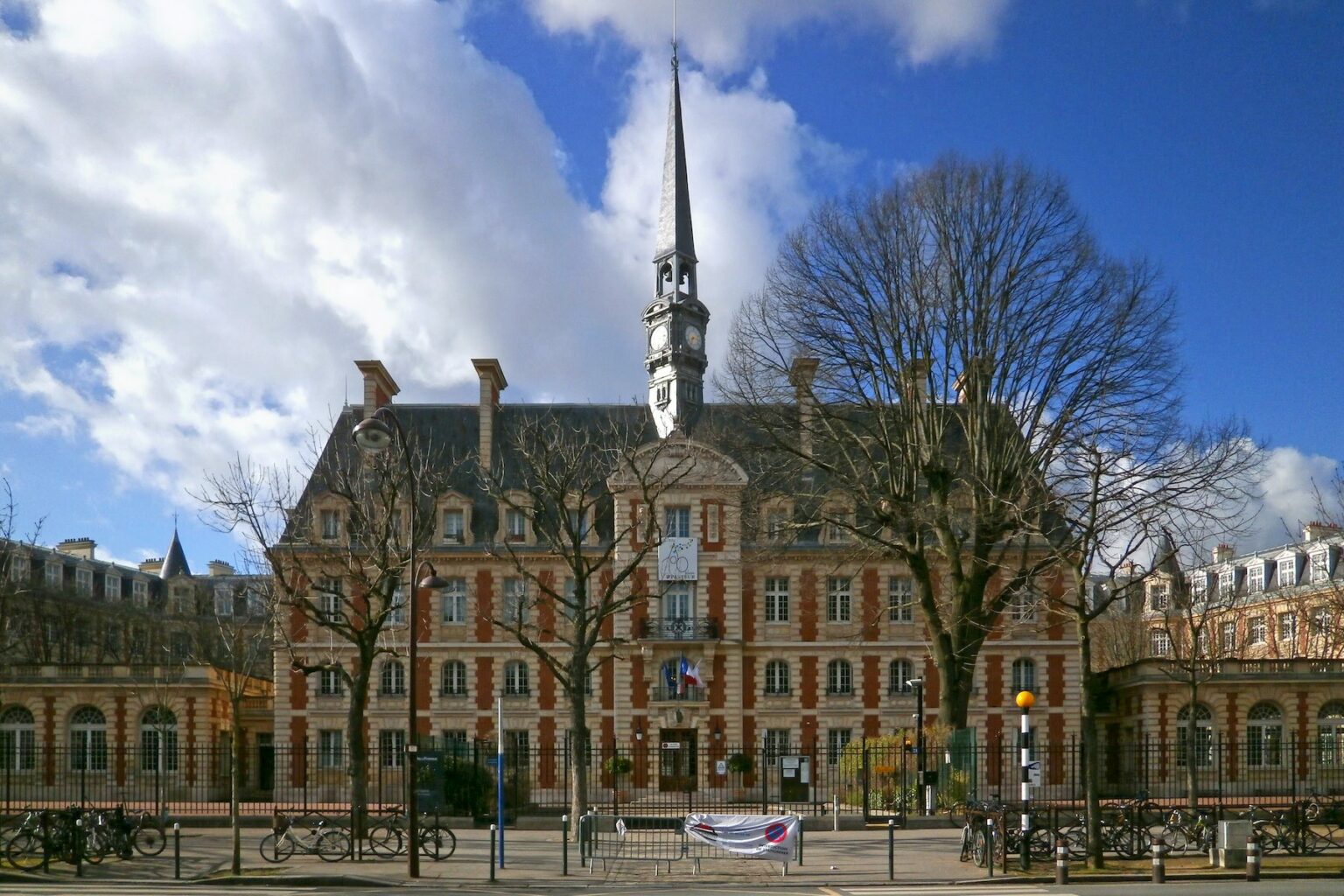
There is so much to consider if you’re thinking of sending your child to a French boarding school. Will it be the right environment for them? How is the school accredited and what programs are available? How much is it likely to cost and what can you expect in the application process?
To help you answer some of these questions and more, we delve into the following topics below:
The French education system and boarding schools
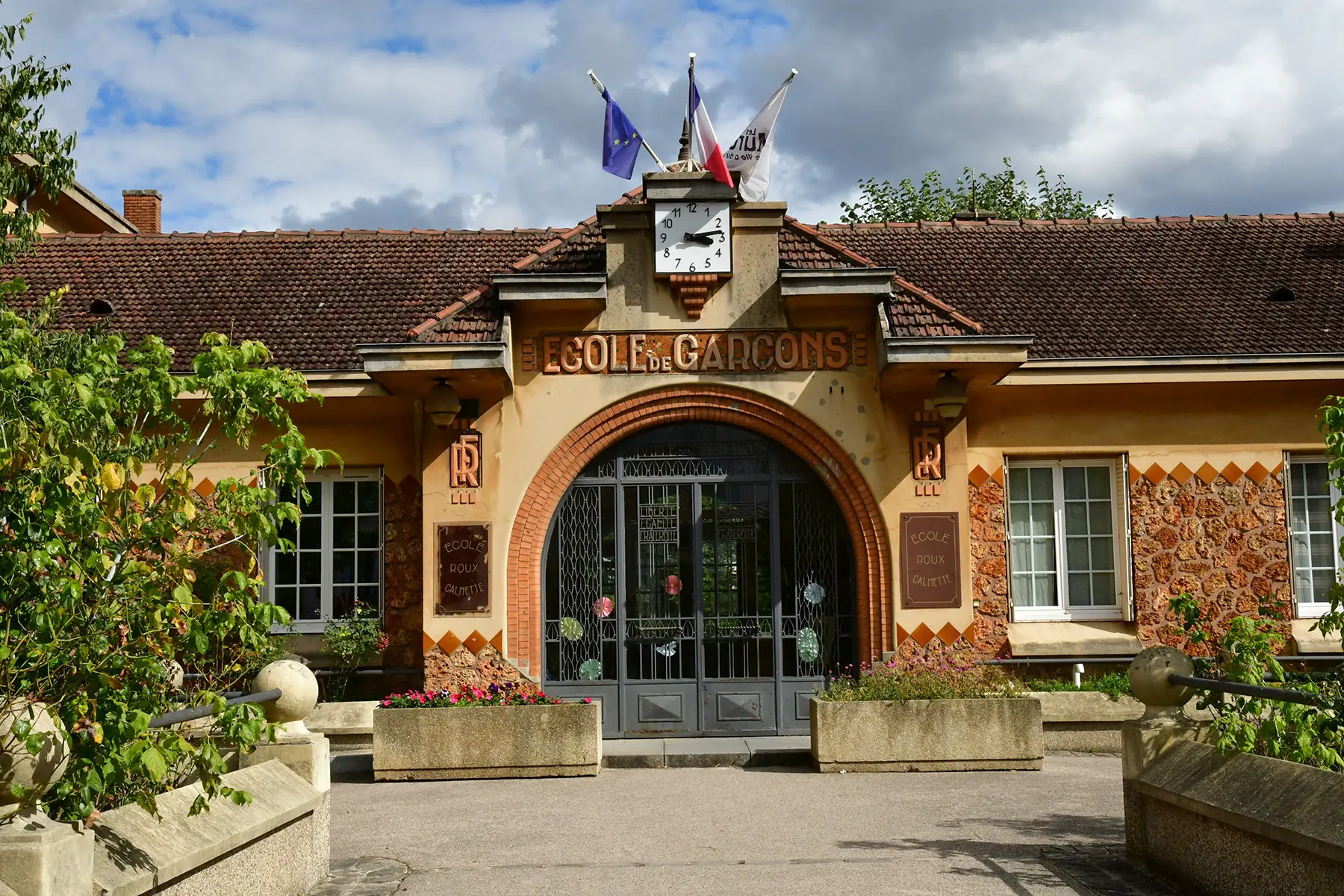
Most pupils in France attend public, state-run schools, some of which offer boarding, mainly for older students. However, around 15% of children in France attend private secondary school. Most of these are Catholic, but some private schools offer other forms of education. These include international and bilingual schools, a minority of which offer boarding facilities, too.
Over 2,000 educational establishments in France offer some form of boarding for students. Around 245,000 students use boarding facilities at some point, although the large majority are students in their final years of technical and general high schools (lycées d’enseignement général et technique). Many students only board during their final year during preparatory classes for the Grandes Ecoles.
In the standard French education system, children are in an academically-focused environment and study to pass the Baccalauréat exams at the end of high school.
By comparison, an international boarding school can include greater choice in the final exams and qualifications to prepare your child for higher studies abroad. Moreover, boarding schools offer more extra-curricular activities so that your child can develop greater artistic and sporting competencies.
What are French boarding schools like?
There are many types of boarding schools in France, both public and private. Some private schools seek to maintain a family-like atmosphere and only host 30 boarders. Others can take in anywhere from 100 to 900 students. Children who attend these large establishments will typically be organized into houses based on age, gender, or both.
France has two main types of boarding structures: semi-permanent and permanent. Semi-permanent boarding structures host children on Monday to Friday nights (sometimes Sunday nights), not weekends or holidays. This option allows children to experience the structure and routine of boarding school during the week while still having weekends and holidays at home.
On the other hand, permanent boarding allows children to stay on-site over the weekend and sometimes over holiday periods. This can be a more practical option for parents who live abroad or frequently travel for work, as it provides full-time care and supervision. Children will spend their weekends and holidays relaxing, socializing, studying under supervision if needed, and going on organized outings.
Some structures still have large dorm rooms, but most now organize accommodation with two to four students per room. Increasingly, older students will have the option of individual rooms. Although there are cleaning staff, students are responsible for the upkeep of their rooms and are expected to make their beds and keep the space tidy.
Why send your child to a French boarding school?
Parents will have different reasons for sending their child to boarding school in France. Beyond the practical aspects of organizing work and family life, boarding schools offer many advantages:
- Academic excellence: they often boast excellent results and university attendance rates
- Extracurricular activities: through a variety of activities, children develop artistic, sporting, and teamwork skills
- Outstanding facilities: most private boarding schools boast state-of-the-art facilities both inside and outside the classroom
- Multicultural environment: your child is more likely to mix with others from different countries, cultures, and backgrounds
- Personal growth and independence: your child can develop independence, self-reliance, confidence, and diverse social skills to prepare them for the future
The best boarding schools in France
The most elite boarding schools in France will be what is known as “hors contrat“. This means that they function independently of the State system and receive no state funding. They are therefore free to organize their own educational program and offer different exams and qualifications, although many still follow the French Bac system.
The following are among the most reputable and high-ranking boarding schools in France:
| School | Location | Number of students | Number of nationalities | Program(s) available | Estimated fees |
| Ermitage International School | near Paris | 1300 | over 50 | IB and French Bac | €21,000–46,000 |
| International Bilingual School of Provence | near Aix-en-Provence | 800 | 76 | IB and IGCSE | €15,000 |
| Bordeaux International School | Bordeaux | 170 | 25 | British and IGCSE | €20,000 |
| École Jeannine Manuel | Lille | 975 | 60 | IB, American, and French | €6,000–24,000 |
| Mouratoglou International School | near Antibes | 200 | 45 | American and French | not public |
| Notre Dame International High School | near Paris | 54 | 19 | American | €20,000 |
| Sainte Victoire International School | near Aix-en-Provence | __ | __ | IB and IGCSE | €10,000–20,000 |
| École des Roches | Verneuil-sur-Avre | 300 | 50 | IB and French Bac | €17,000 |
| Chavagnes International College | near Nantes | __ | __ | British, Catholic | €18,000–24,000 |
How to choose a French boarding school
The following guides serve as a starting point for choosing a French boarding school:
- Internats Guide by Enseignement Privé: lists 50 private boarding schools by region, along with detailed information concerning specifics like housing, pricing, activities offered, and much more
- The Good Schools Guide: lists schools recommended by English-speaking expats. The ones with “A GSI School” banner next to their names have been given a flag of approval and include full write-ups.
- International Schools Database: an online source that allows you to run a specified search of schools
Some of the main factors you may want to consider when picking a boarding school are:
- Location – You may want your child to be close to your home, or near a major city or airport
- Education system – Which curriculum or teaching style best suits your child and their future projects
- Your child’s personality – Will they feel more secure in a small, intimate structure, or would they benefit from a more strict disciplinarian approach? Would they love to be in a school focused on sports or in a more competitive academic environment?
- Nationalities present – Are the teachers mostly French or native speakers of the school’s main language? Are the majority of students from one country or a mix of local and international?
- Main languages spoken – Some schools offer bilingual education, while others offer additional languages as subjects
- Qualifications available – Students could study for different certificates in the same school, particularly in preparation for higher education in a specific country
- Academic results – For secondary education, it’s worth checking the percentage of students who continue to higher education
- Fees – A boarding school can easily set you back €20,000 a year, however, some employers subsidize education fees, and some schools offer scholarships
- Admission and enrollment procedures – Certain schools require academic, language, and personality-focused assessments before registration
- Extracurricular activities and facilities – Schools may offer various clubs, activities, trips, summer camps, or language courses
Checking a school’s accreditation
Several international institutions give accreditation to schools in France. Only a few of those on their lists will be boarding schools, but they are a good gauge of high standards. These include:
- International Baccalaureate (IB): the organization ensures that the school meets the academic and ethical standards of the IB
- Council of International Schools (CIS): provides accreditation based on curriculum, governance, and learning
- New England Association of Schools and Colleges (NEASC): an independent non-profit offering certification to schools in the US and worldwide
- European Council of International Schools (ECIS): gives accreditation to international schools in Europe
- Middle States Association (MSA): the accreditation body for American curriculum schools
How much does boarding school in France cost?
The cost of boarding schools will depend on many criteria, including whether your child is boarding five or seven days a week. Typically, public boarding facilities will only cost €900 to €2,250 per year.
For private schools, those that are “sous contrat” (and thus partially state-funded) tend to cost anywhere between €3,500 and €8,500 per year.
Finally, the most exclusive “hors contrat” (fully independent) schools are also the most expensive: typically €8,000 to €17,000 per year, but sometimes over €20,000.
Be aware that in addition to boarding costs and tuition fees, you may need to cover the following expenses:
- Admission/registration fees
- Extracurricular activities and trips
- Uniforms, books and other material
- Health insurance
- Exam fees
- Additional private tuition (if required)
- Additional boarding services
Financial support and scholarships
If your child is boarding in a private secondary school, then you may benefit from the Prime à l’internat. However, this only applies if your child has a scholarship or bourse (a need-based financial aid program) that depends on parental income. Additional merit grants can be awarded but only to high-achieving boursier students.
Individual schools may offer their own academic or talent-based scholarships. Therefore, it’s worth contacting a few schools to find out if such grants exist. Families with more than one child attending the same school may also be entitled to a discount on fees.
How to apply to a French boarding school
Each private school will have its own admission schedule and process, so it’s best to contact them directly. Admission conditions can vary wildly. For example, some schools may place a focus on academic criteria, while others are happy to offer places to children with learning difficulties.
Private boarding facilities are often limited, so it’s good to apply well in advance. Generally, the process will include the following steps:
- Read up on the school and its admission requirements – Find out if it fits your criteria, talk it over with your child, and then contact the school with an initial request for information
- Visit the schools and meet staff – It’s a good idea to visit at least 2-3 schools during their open days to get a feel for different options. Ask lots of questions about both the academic and social life, and if possible meet other parents and students.
- Schedule a meeting with the school principal – This will allow you to talk specifically about your child and family. It’s important to be open and honest at this stage, to express any difficulties the child has been facing and to build a relationship of trust. Come with a list of questions and evoke any worries you have.
- Fill out the paperwork – Ask for an application form if it’s not on their website and be sure to provide all the necessary paperwork. This will likely include a personal statement outlining your child’s background, interests, achievements, and aspirations.
- A one-on-one with your child – As well as examining your application, the principal will usually meet alone with your child to get an idea of their personality and motivations
- Wait for admission decisions – You can usually find the timeframes for decisions on the schools’ websites
Will your child need a visa?
Your child’s nationality will determine whether or not they require a visa for school-going minors. All EU nationals can live, study, and work in France without a visa. Most other nationals will need to apply for a student visa as soon as their school application has been accepted, since this process in itself can take several months.

Contact the French embassy in your home country for more advice on the visa application process. You will likely need to provide an acceptance letter from the school, proof of financial means and health coverage, a valid passport, and other documents.
Useful resources
- Enseignement Privé – a French website about private education
- Middle States Association (MSA) – the accreditation body for American curriculum schools
- New England Association of Schools and Colleges (NEASC) – an independent non-profit offering certification to schools in the US and worldwide
- Council of International Schools (CIS) – provides accreditation for worldwide international school
- British Council – the UK’s international organization for cultural relations and educational opportunities
- French Ministry of Education – the French government website for education
- The Good Schools Guide – search and compare schools in France
- International Schools Database – database for France’s international schools

Did you find this guide helpful?