
'%20id='ico-down'%20stroke='%23000000'%20stroke-width='1.5'%3e%3cg%20transform='translate(1092.250000,%20254.750000)'%3e%3cpolyline%20id='Path-2-Copy-4'%20transform='translate(5.500000,%202.750000)%20scale(1,%20-1)%20rotate(-180.000000)%20translate(-5.500000,%20-2.750000)%20'%20points='0%200%205.5%205.5%2011%200'%3e%3c/polyline%3e%3c/g%3e%3c/g%3e%3c/g%3e%3c/svg%3e)


Moving
Relocation
Moving to Switzerland from the UK: a Swiss guide
Moving to Switzerland from the UK is still possible, but post-Brexit rules mean you need the right route before you pack. This guide shows what to sort before departure and during your first 90 days.

It is for UK citizens moving for work, family, study, or retirement. This guide reflects official Swiss and UK sources checked in August 2026, but canton rules and personal circumstances can change the detail.
It is general information only, not legal, immigration, tax, or financial advice. Read on for the legal reality, route options, first-step admin, costs, and money setup.
Key takeaways
Here are the main points to know before you decide.
- UK citizens can still move, but most are third-country nationals unless they already hold acquired rights.
- A 90-day visit is not permission to live or work in Switzerland.
- Register with your commune within 14 days and start permit steps early.
- Swiss basic health insurance is usually compulsory within 3 months.
- Plan money early for deposits, first costs, and the gap before income. Large sums, held funds, and first-week spending may need different tools.
Can UK citizens move to Switzerland after Brexit?
Yes, UK citizens can move to Switzerland after Brexit, but most are now treated as third-country nationals. The main exception is acquired rights for some people already lawfully resident before 1 January 2021.
Visa-free travel, residence rights, and work permission are different things. Expatica’s Switzerland visa and immigration guide is a useful starting point, then check SEM rules and your canton.
- Visiting up to 90 days is not permission to live in Switzerland.
- Working usually needs prior authorisation and most UK citizens cannot arrive first and job hunt later.
- Study, family, and retirement each have their own test.
- Your commune and cantonal migration office apply the rules in practice.

Which route fits your move?
Most UK movers need to identify one route before they do anything else. The paperwork, budget, and canton checks follow from that choice.
In Swiss terms, an L permit is short-stay, a B permit is residence, and a C permit is longer-term settlement.
| Route | Who it suits | Key requirement | What to verify |
|---|---|---|---|
| Work | Professionals with a Swiss job offer | Employer-backed permit and suitable qualifications | Sponsorship and labour market rules |
| Study | Students with confirmed admission | Recognised place, funds, accommodation | Visa timing, work limits, registration |
| Family reunification | Spouses/partners and dependent children | Relationship proof, housing, financial means | Which relatives qualify and any language or income conditions |
| Retirement or residence without gainful activity | Self-funded movers, often aged 55+ | Funds, health cover, ties to Switzerland | Canton criteria and evidence |
The work route
This is the most common route and the hardest to assume. Employer sponsorship, labour market preference, and your qualifications matter, so if you do not yet have an offer, read Expatica’s finding jobs in Switzerland before treating a move-first plan as realistic.
Family, study, and retirement routes
- Family reunification usually means the relationship, suitable housing, and enough income.
- Study routes normally need admission, funds, accommodation, and a lawful plan.
- Retirement or residence without gainful activity is narrower for UK citizens and depends heavily on the canton.
What to sort out before you leave the UK
Confirm route and canton. Start with the overview that matches your route, then verify the final rule with SEM, ch.ch, and your canton.
Gather documents. Passport, civil-status papers, work or study documents, and printed copies still save time.
Check qualifications. Regulated jobs may need recognition before you work.
Budget for upfront costs. Rent, deposits, temporary housing, insurance, and first-week spending often hit before income. For a wider picture, see Expatica’s cost of living in Switzerland guide.
Plan housing in stages. In Zurich and Geneva, short-term housing can be more realistic than a long lease from abroad.
Plan the health cover gap. Allianz Worldwide Care, Cigna Global, April International, and Feather Insurance are options to research for temporary or expat-focused cover, but they are not automatic substitutes for Swiss basic insurance unless you qualify for an exemption.
Prepare your first CHF spending. If you need to move a deposit or setup money from the UK, compare live transfer tools such as Wise. A data eSIM such as HolaFly can also help with commune emails, insurer logins, and account checks while travelling.
What to do in your first 90 days in Switzerland
Your first 90 days break into three admin blocks: registration in the first 14 days, health and billing setup in the first month, and follow-up tasks after that.
Register and activate your residence status
Register with your commune within 14 days of arrival, even in temporary accommodation.
Bring your passport, address proof, and route papers so the permit process can start. A commune is your local municipality, while the canton is the regional authority above it.
Check local instructions before you go. Expatica’s registering at your address in Switzerland guide is useful, but your commune and cantonal migration office give the final word.
Set up health insurance, banking, and bills
Next, sort the systems that affect daily life. Swiss basic health insurance is usually mandatory within 3 months of arrival, and the health insurance in Switzerland guide plus the Swiss healthcare system guide explain how it works.
Watch the franchise, the annual deductible you pay before most reimbursements begin. For salary payments and local bills, compare UBS, PostFinance, and Raiffeisen on account-opening rules, fees, and digital access.
Choose your canton, language region, and budget
Your canton, city, and language region shape rent, schooling, permit practice, and daily admin more than the country as a whole does.
Ask what matters most in real life: English-speaking sectors, lower housing pressure, family fit, or a French-speaking environment. Postcard appeal matters less than the job market, the housing market, and the language you will use with schools, landlords, and officials.
| Place | Main language | Best-fit reader type | Relative cost pressure |
|---|---|---|---|
| Zurich | German | Finance, tech, big expat networks | Very high |
| Geneva | French | International organisations, diplomacy, NGOs | Very high |
| Basel | German | Pharma, cross-border commuters, smaller city feel | High |
| Lausanne | French | Students, research, Lake Geneva lifestyle | High |
| Zug | German | High earners, small-city pace, business-friendly setting | Very high |

Typical setup costs to budget for
- Rental deposit and any agency or temporary housing costs
- First health insurance premium and any backdated amount
- Transport passes, airport transfers, and early admin trips
- Furniture, kitchen basics, winter gear, and first-week groceries
- Buffer money before your first salary or pension reaches Switzerland
How to manage money between the UK and Switzerland
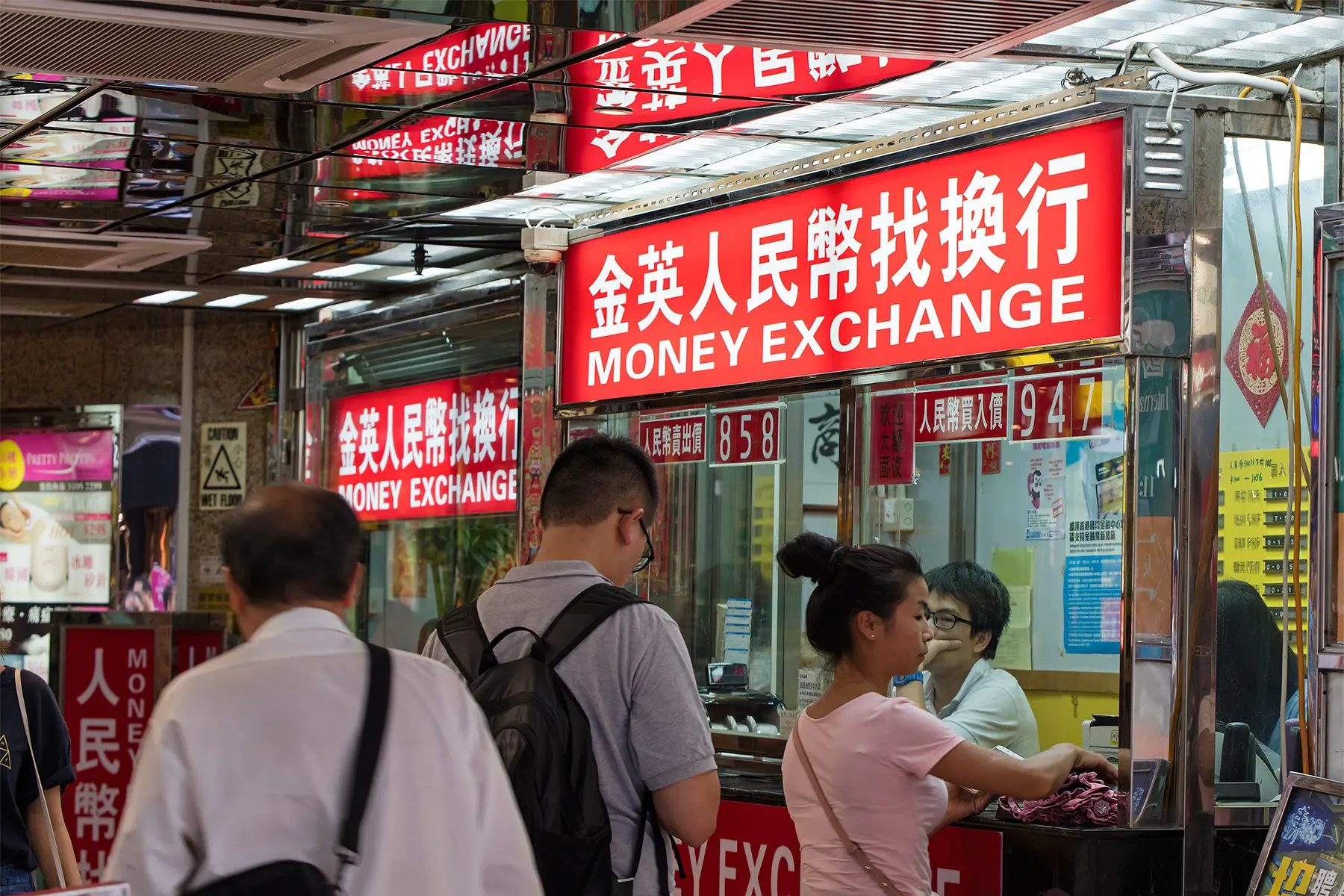
A Swiss move creates three money jobs: sending a deposit, holding GBP and CHF during the switch, and paying day-to-day costs before your local setup is running.
If you need all three, compare tools by task. Wise is one option for international transfers, the Wise account can hold and convert GBP and CHF, and the Wise card can cover arrival spending.
For Switzerland, these services are provided cross-border by Wise Payments Limited, an institution licensed in the United Kingdom by the FCA.
| Need | Usually best tool | Why |
|---|---|---|
| Send rental deposit | International transfer | Better for larger one-off payments where total cost matters |
| Hold UK and Swiss funds | Multi-currency account | Lets you stage conversion instead of changing everything at once |
| Pay during first week | Travel card | Handy for transport, food, and small purchases before local banking is settled |
When to use a transfer, a multi-currency account, or a travel card
- Use an international bank transfer for a landlord deposit or other larger bill from the UK.
- Use a multi-currency account if you want to hold GBP and CHF and convert in parts.
- Use a travel card for trains, groceries, and first-week spending before salary payments and local direct debits run.
FAQ
Frequently asked questions about moving to Switzerland from the UK
Can I move to Switzerland without a job offer? 
Usually not through the work route. For most UK citizens, a Swiss job offer triggers the permit, while family, study, and retirement follow different rules.
How long can UK citizens stay in Switzerland without a visa?
UK citizens can usually visit Switzerland for up to 90 days in any 180-day period. That covers short stays only, not the right to live or work.
Do I need Swiss health insurance straight away?
Yes, Swiss basic insurance is usually required within 3 months of arrival, unless a recognised exemption applies. Premiums can still be backdated, so delaying the paperwork rarely helps.
Can I keep my UK bank account when I move?
You often can, but check the terms, overseas access, and whether the bank still supports customers resident abroad. A UK account on its own may not be enough for Swiss rent, salary, and bills.
Do I need to speak German, French, or Italian to move?
Not always. But language can shape work options, housing, school choices, and daily admin, so match your language plan to your canton.
Useful resources
- GOV.UK: Living in Switzerland – Best starting point for British guidance on healthcare, tax, pensions, driving, and official support.
- SEM: FAQ for UK nationals – Post-Brexit rules, acquired rights, work, family reunification, and edge cases.
- SEM: UK nationals coming to Switzerland to work – Core source for work permits and labour market rules.
- ch.ch: Working in Switzerland as a foreign national – Plain-English overview of permits, registration, and insurance.
- ch.ch: Permits for living in Switzerland – Useful for permit categories and renewals.
- ch.ch: Health insurance in Switzerland – Primary source for compulsory cover rules.
- Swiss health premium comparison tool – Official place to compare basic insurance premiums.
- Swiss Federal Tax Administration – Useful for tax checks and double-taxation questions.
- ch.ch: Exchanging your driving licence – Best source for licence exchange after arrival.
- Cantonal immigration and labour market authorities – Essential for route and canton checks.



Did you find this guide helpful?