
'%20id='ico-down'%20stroke='%23000000'%20stroke-width='1.5'%3e%3cg%20transform='translate(1092.250000,%20254.750000)'%3e%3cpolyline%20id='Path-2-Copy-4'%20transform='translate(5.500000,%202.750000)%20scale(1,%20-1)%20rotate(-180.000000)%20translate(-5.500000,%20-2.750000)%20'%20points='0%200%205.5%205.5%2011%200'%3e%3c/polyline%3e%3c/g%3e%3c/g%3e%3c/g%3e%3c/svg%3e)


Education
Higher Education
Higher education in Switzerland: a guide to Swiss universities
If you are considering applying to a university in Switzerland, this helpful guide outlines your options in different cantons, disciplines, and more.

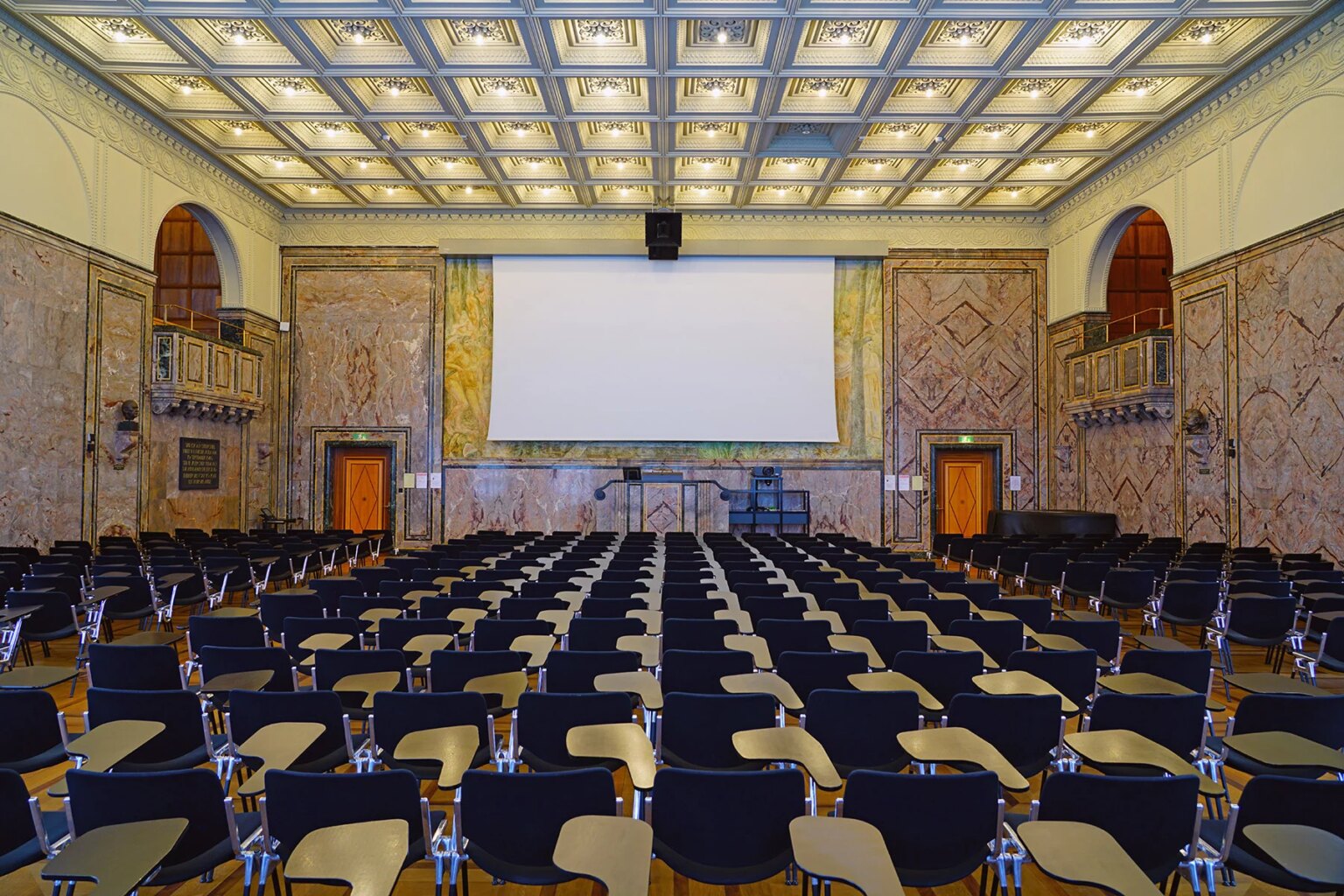
Fortunately for students, Switzerland has one of the best education systems in the world, and this includes higher education. As such, universities in Switzerland rank among the best globally, and many welcome international students. Universities in Switzerland offer a wide range of courses at the bachelor’s, master’s, and doctoral levels and in four different languages. Furthermore, many of them are open to international students. This, combined with the comparatively low tuition fees, makes them a very appealing option for international students.
If you are looking to study in Switzerland, this helpful guide explains everything you need to know about universities in Switzerland, including the following:
University of St. Gallen
Looking for a leading education in business, economics, law, or international affairs? The University of St. Gallen is one of the world’s best business schools, offering a range of expat-friendly study, including bachelor, master, and doctoral programs. For top-tier higher education in Switzerland, get in touch with the University of St. Gallen today.

Studying in Switzerland
Universities in Switzerland attract students from all over the world. Because of this, of the 270,475 students that went to university in the 2020/2021 academic year, 25.7% were foreign. However, in total, about a third of undergraduate and around half of postgraduate students in Swiss universities are now from abroad.
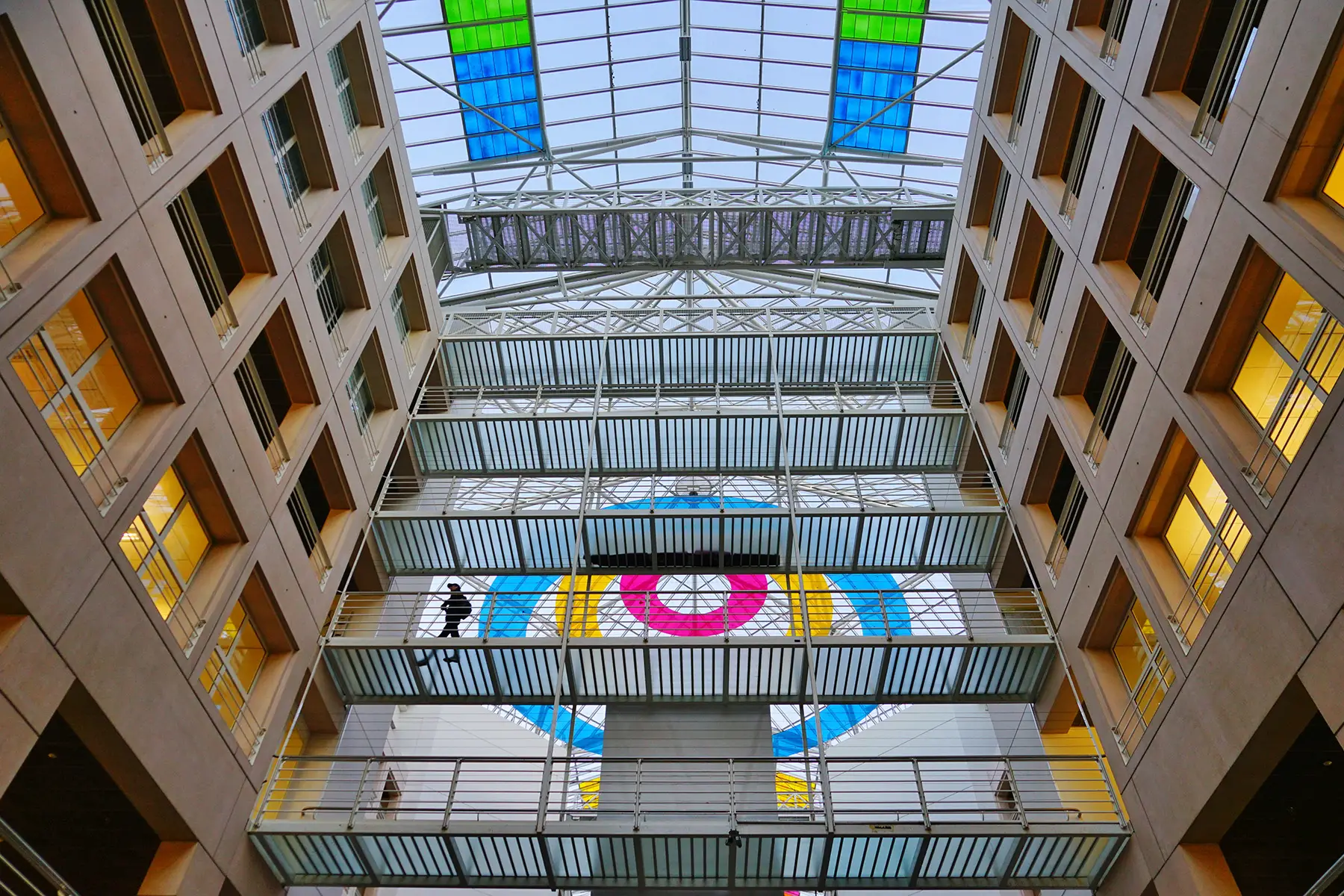
Bachelor programs are usually taught in the national language of the region. As such, depending on the canton in which the university is located, courses may be taught in German, French, or Italian. Some universities also offer bilingual courses, while others also offer English-language programs; for instance, at ETH Zurich, some degree courses are in German for the first year and then in English later on. Master’s programs, however, are often taught in English. At universities in Switzerland, the academic year consists of two semesters, each of which lasts for 14 weeks.
Universities in Switzerland
Universities in Switzerland are among the best in the world. In fact, the Times Higher Education World University Rankings 2021 includes 11 Swiss universities. Additionally, Switzerland’s two federal technology institutes are the world’s two most international universities. This is partly because Switzerland has the greatest proportion of international staff and publications with international co-authors, which both sit at 62%.
Types of universities
Although there are relatively few public universities in Switzerland (just 12), they are world-class. There are also some private schools throughout the country, however, these tend to be much smaller and not as popular.
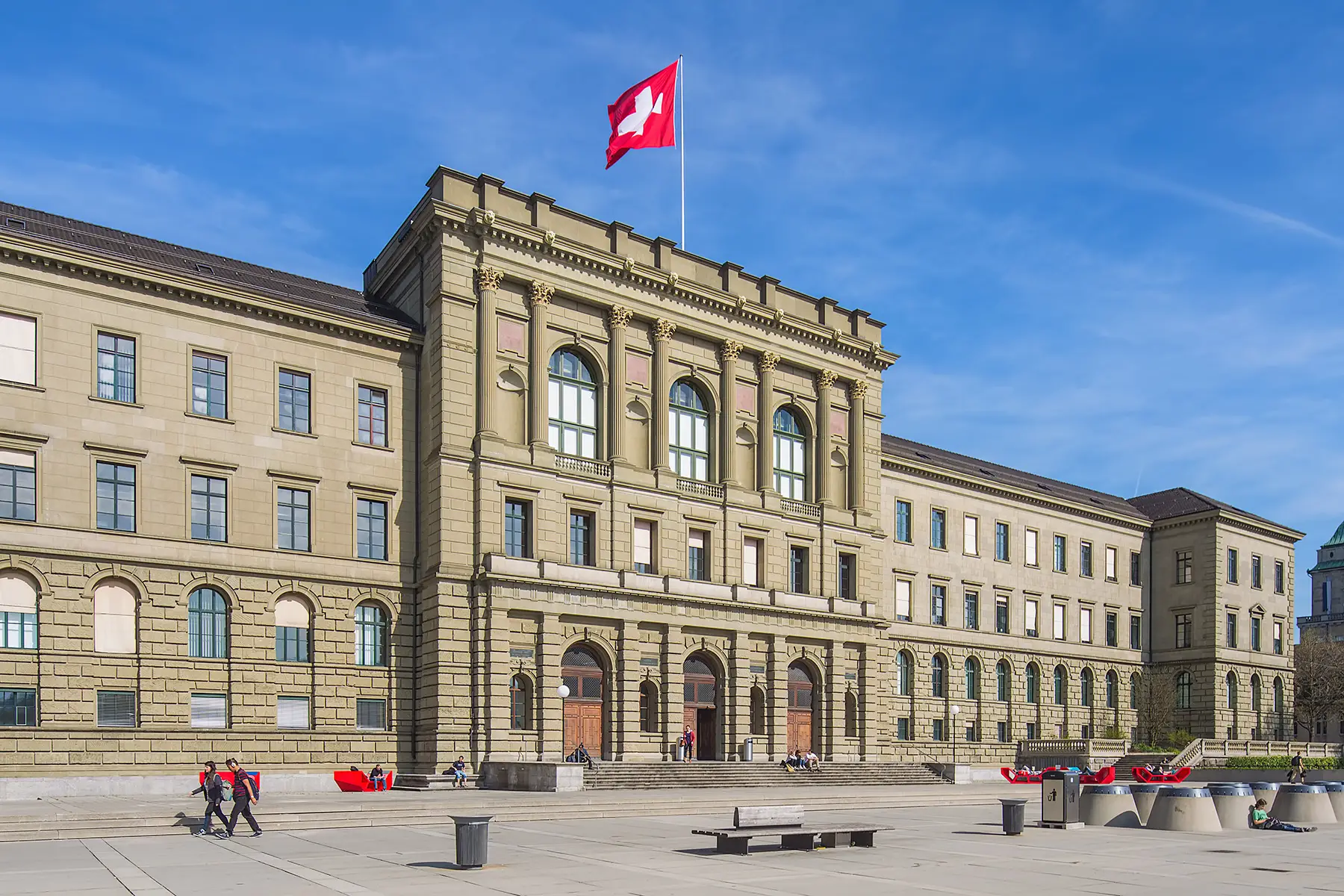
There are 12 doctoral or research universities in Switzerland. There are also eight universities of applied sciences (UAS), as well as 20 universities of teacher education (UTE). Most universities are state-funded, but one of the UAS is private and 14 UTEs are independent.
Most public universities have faculties that specialize in different disciplines and these faculties are of very high quality. That said, for some subjects – such as business or hospitality – students choose to attend specialist schools instead.
Best universities in Switzerland
ETH Zurich
Arguably the best university in Switzerland, ETH Zürich takes the 14th spot on the Times Higher Education University Rankings list. Created in 1855 as the Federal Polytechnic school, it is now one of the world’s top schools for science and technology. It is also a leading research institution. Because of this, the school follows the principles of freedom, responsibility, entrepreneurship, and open-mindedness. In addition, students can enroll in 16 departments including architecture, biology, chemistry, and physics.
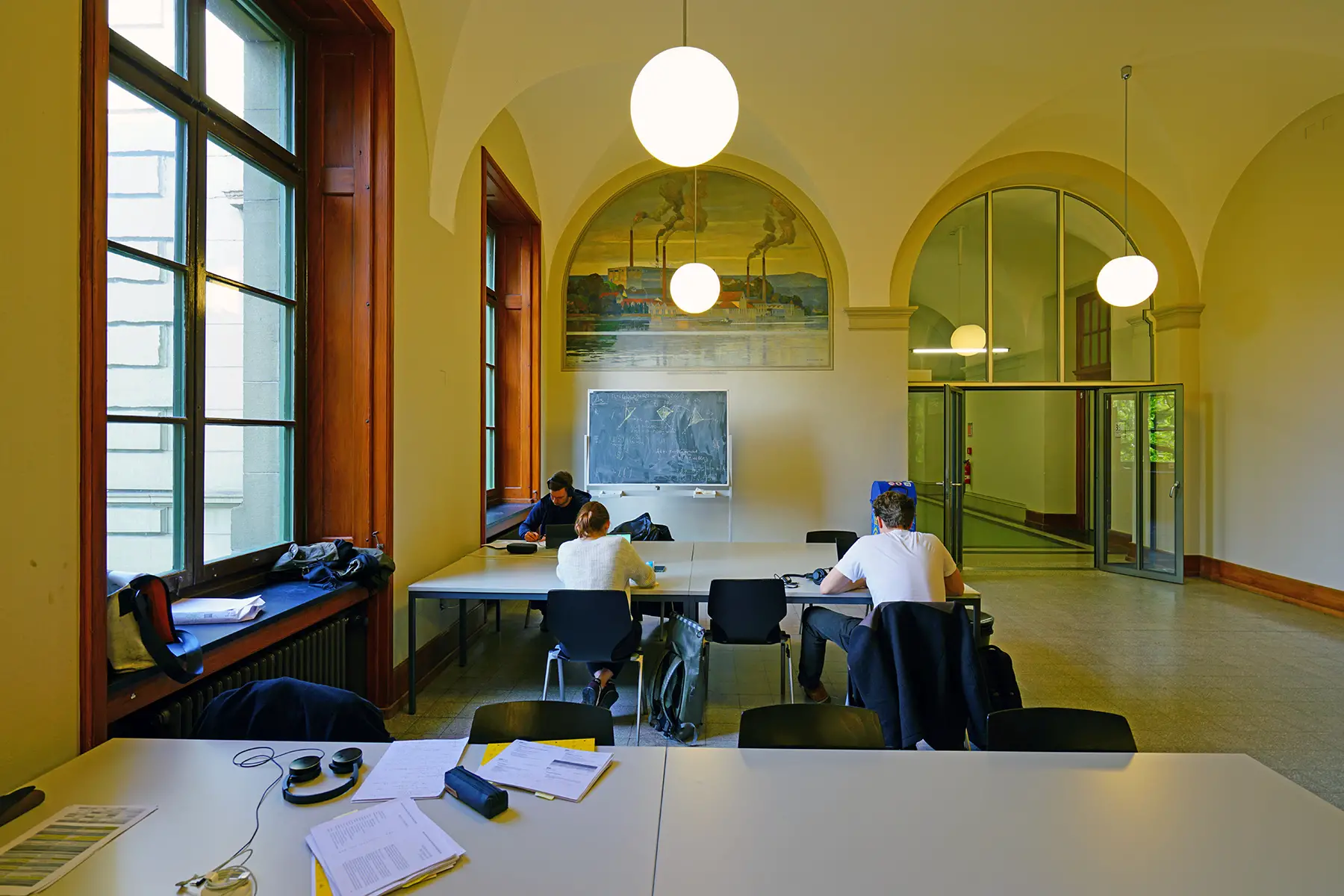
ETH Zürich is home to 22,200 students from over 120 different countries. Furthermore, 40% of the student body are international students. The university has also produced many notable figures, including Albert Einstein, Wernher von Braun (pioneer of rocket and space technology), and numerous Nobel laureates, Fields Medalists, and Pritzker Prize winners.
École Polytechnique Fédérale de Lausanne (EPFL)
This Lausanne institute was ranked 42nd on the Times Higher Education World University Rankings list. This may be because it offers 13 specific courses of study in engineering and natural sciences. It also spearheads ambitious research studies, including the Human Brain Project. The school also displays a strong commitment to sustainability. In fact, there are numerous initiatives on campus. These include measures for food and waste management, responsible purchasing, biodiversity, and sustainability research.
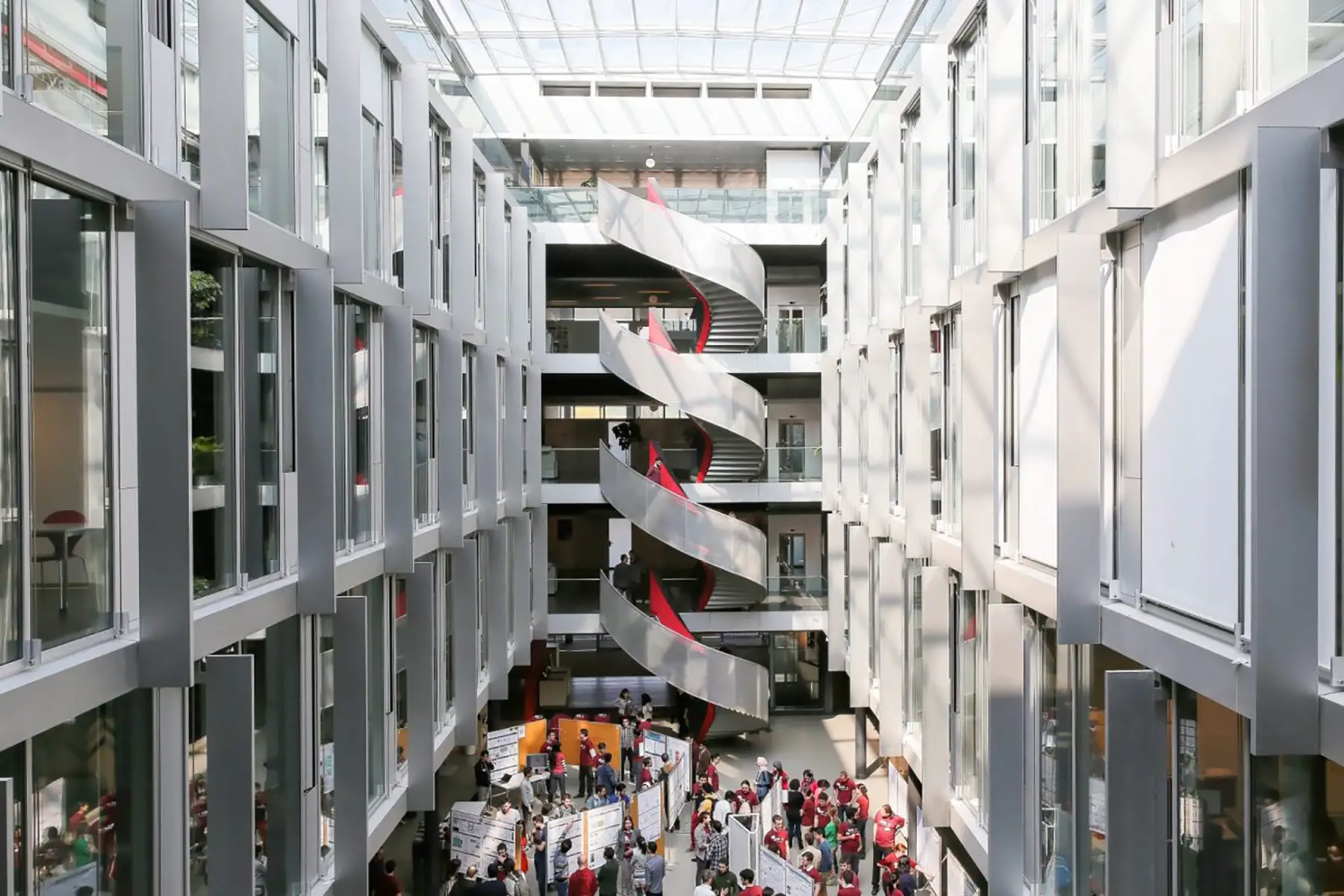
However, there is no selection process for undergraduate admissions. As such, any student who applies can do their first year here. At the end of this, though, they have to take exams. However, at this point, around 50% of students fail and drop out. Nevertheless, the vibrant student body includes 5,870 international students from over 112 countries. Many of these have also gone on to make a mark on their various industries. In fact, notable alumni include Mattia Binotto (CTO of Scuderia Ferrari), George de Mestral (inventor of Veltro), Eric Favre (inventor of Nespresso), and Daniel Borel (co-founder of Logitech).
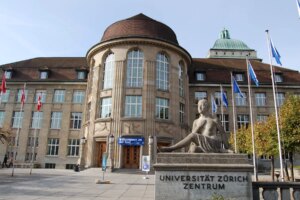
Universität Zürich
Another one of the top universities in Switzerland, this institution ranks 73rd on the Times Higher Education World University Rankings list. However, the school is very specific in its curriculum. As such, there are just seven faculties; Philosophy, Human Medicine, Economic Sciences, Law, Mathematics and Natural Sciences, Engineering, Computer Sciences and Robotics, Theology, and Veterinary Medicine. Despite this, it offers the widest array of subjects and courses in Switzerland.
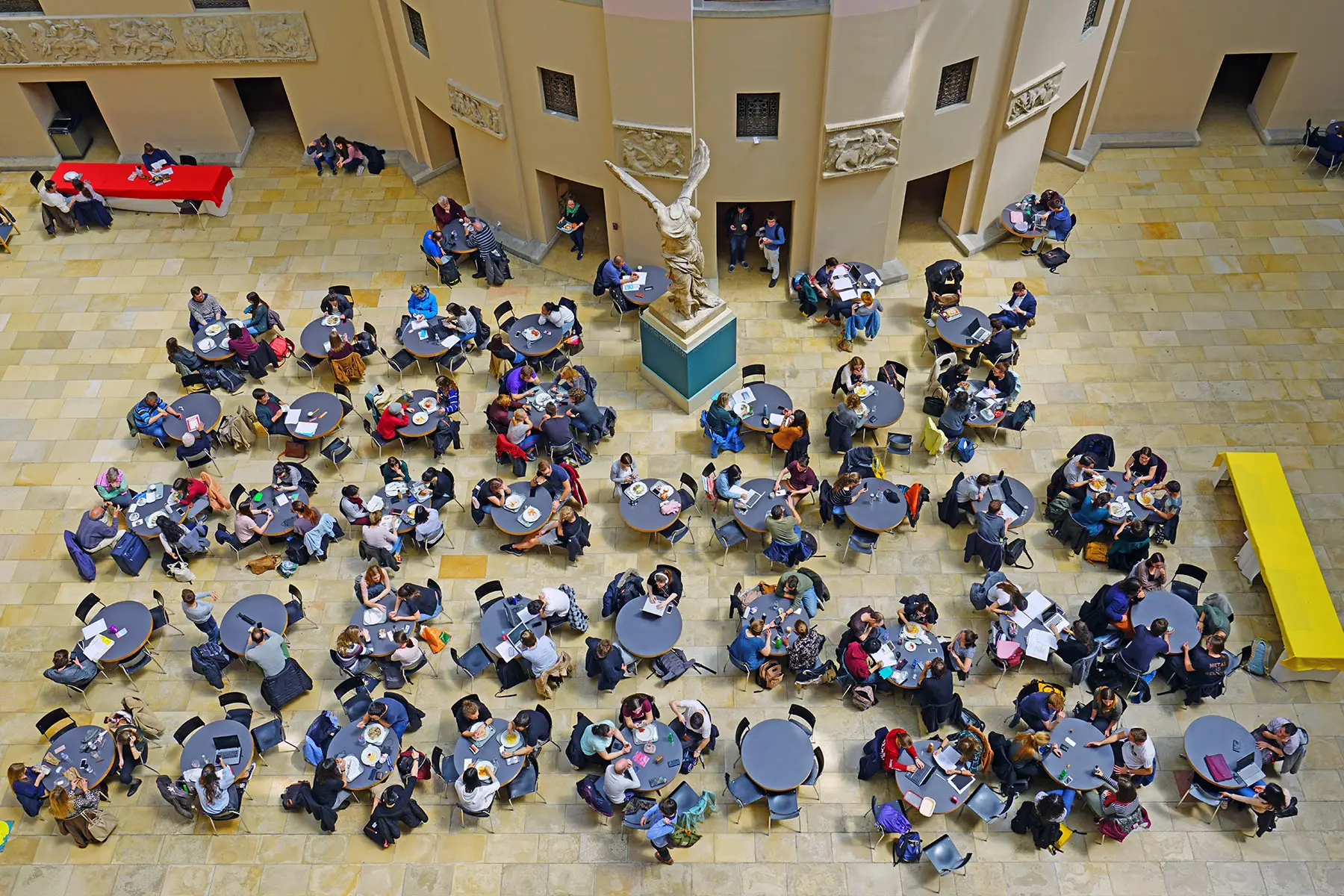
It is also quite an international school, with over 4,000 international students. As such, many notable figures have studied here. This includes Thomas Gottstein (CEO of Credit Suisse), Wilhelm Röntgen (inventor of X-rays), Jakob Kellenberger (President of the International Committee of the Red Cross), and numerous Swiss Presidents.
Universität Basel
Founded in 1460, Universität Basel is the oldest university in Switzerland. It is also one of the oldest surviving universities in the world. Over the years, it has developed a wide-ranging academic program. As such, it has faculties in theology, law, medicine, humanities, social sciences, sciences, psychology, and business and economics. It also offers several interdisciplinary courses.
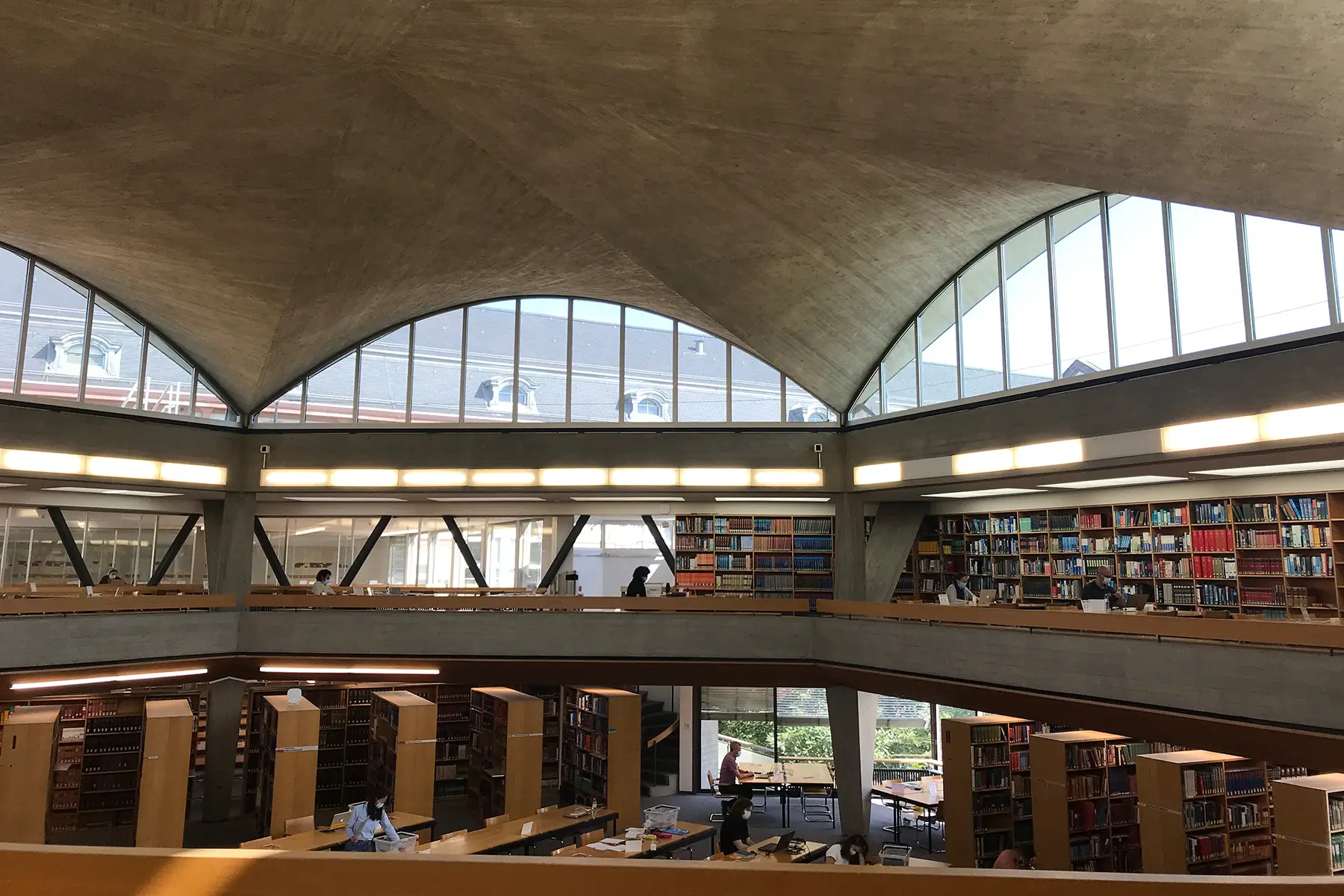
Of the university’s 12,811 students, over 27% are international, giving it some multicultural flavor. Of the many students that have graduated from the university are Erasmus of Rotterdam, Paracelsus, Friedrich Nietzsche, Carl Jung, and Jeanne Hersch. In addition, it has produced 10 Nobel Prize winners and two Swiss presidents.
Universität Bern
Set in the Swiss capital of Bern, this university traces its roots to the 16th century. However, it officially became a university in 1834. Notably, it is largely responsible for the evolution of women’s studies. In fact, the first female student – Catharina Gontscharoff – enrolled in 1870. And the university’s Female Students’ Society was established in 1899. However, now the university offers a full range of academic courses. Because of this, it has become one of the best universities in Switzerland – and the world.
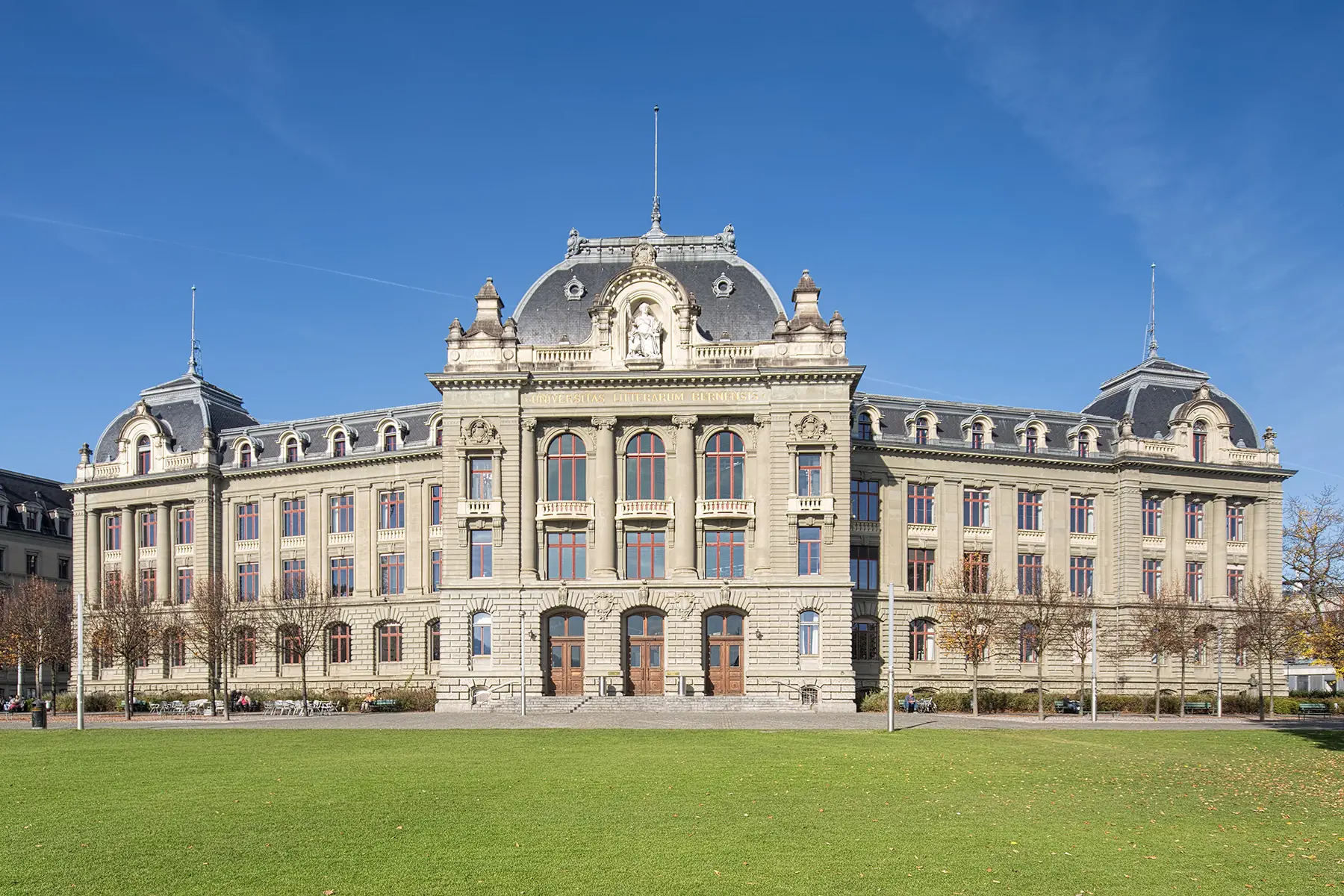
Interestingly, this city university doesn’t have just one campus. Instead, its faculties are spread across Bern’s Länggasse area. In fact, some of its buildings have quite a history; the Faculty of Theology, for instance, is in a former chocolate factory. Of the 18,576 students in the university, approximately 16% are from overseas. Nevertheless, its alumni include many international students; including British spy novelist John le Carré, German philosopher Walter Benjamin, as well as notable Swiss figures such as Daniel Vasella (CEO of Novartis) and Werner Munzinger (Africa explorer).
Specialist universities in Switzerland
Although there are some specialist universities in Switzerland, most students attend particular faculties at public universities. This is because the main 12 universities have very high-quality faculties in medicine and business, for example. However, there are some exceptions. For hospitality training, for instance, students would go to a specialist school.
Medical schools in Switzerland
- EPFL: Part of the Swiss Federal Institute of Technology in Lausanne, this is a world-class research and technical university. It offers high-quality training and research in various medical disciplines and sciences.
- ETH Zürich – Faculty of Medicine: Part of one of the top universities in Switzerland, this offers numerous courses in medicine and technical sciences. It aims to improve prevention and treatment in clinical medicine.
- James Lind Institute (JLI): This school is one of Switzerland’s few independent institutions. Notably, JLI is an accredited higher education school that offers live, online classroom sessions. As such, students can enroll in a wide range of courses. This includes clinical research, healthcare management, public health, and drug safety.
- University of Basel Medical School: This medical faculty has been around since 1460. It offers numerous medical disciplines including Human Medicine, Dentistry, Nursing, and Sport.
- University of Geneva Medical School: A leading research institution, this medical school partners with many organizations such as the World Health Organization (which is also based in Geneva). The faculty combines theoretical education with intensive research and strong practical components.
- University of Lausanne – Faculty of Biology and Medicine: This faculty focuses on Medicine, Life Sciences, Geosciences, and Nursing. It also specializes in practical experience in caring for patients and clinical research.
- University of Zurich – Faculty of Medicine: This is one of the best medical research institutions in Europe and has a great reputation. It also offers programs in medicine, immunology, biology, genetics, and neuroscience. Furthermore, it is a member of the League of European Research Universities.
Business schools in Switzerland
- ETH Zürich – Faculty of Business, Economics, and Informatics: This school has some of the best economics, banking, finance, and business administration courses in the country. Therefore, students can engage in a wide range of study that includes accounting, entrepreneurship, management, marketing, operations, and strategy.
- Geneva Business School: Another one of the rare independent universities in Switzerland, this school offers business courses at the undergraduate, postgraduate, and doctoral levels.
- HEC Lausanne – Faculty of Business and Economics: Part of the University of Lausanne, this is an internationally-recognized business program. This is partly because its courses focus on qualitative training and research.
- IMD Business School: This is an independent business school with a global reach. As such, it specializes in numerous programs such as business management, family businesses, and more.
- Universität St. Gallen School of Management: The Financial Times’ European Business Schools Ranking claims that this is one of the top business schools in the EU. This is probably because it promotes integrative thought, action, innovation, and entrepreneurship.

Hospitality schools in Switzerland
- Business and Hotel Management School Lucern: Located in Lucerne, this relatively new school offers full hospitality courses. As such, these combine theoretical classes with practical internships. Its programs include Hotel Management, Culinary Arts, and Hospitality.
- César Ritz Colleges: Focusing on hospitality, business, and culinary arts, this institution has been a leading name in hospitality education since 1982. The wide range of programs include Hotel and Restaurant Management, Culinary Arts, Global Hospitality, and Tourism, and combine practical and academic training.
- Ecole Hôtelière de Lausanne: Located in Lausanne, this school is a pioneer in Swiss hospitality education. It is also very international, with students and alumni coming from 120 countries. The school also has campuses in Singapore and Chur-Passugg, and has a Michelin-starred restaurant.
- ELH Swiss School of Tourism and Hospitality: This famous school is housed inside a 19th-century spa-hotel in Chur-Passugg. As well as offering an array of professional degrees, the school teaches in English. Programs cover everything from Tourism to Hospitality and Restaurant Management.
- Gilon Institute of Higher Education: This is one of the best hospitality universities in Switzerland. It has staff who are former business owners, managers, and teachers. There are two fine-dining restaurants at campuses in Gilon and Bulle, as well as a campus in London.
- Hotel Institute Montreux: Set by a lake in Montreux, this university’s programs combine traditional Swiss hospitality training and modern American business studies.
- Les Roches Global Hospitality Management: Since its founding in 1954, this has become the leading hospitality school in the world. It offers degrees in everything from hospitality and tourism to event management. It is also an international university, with a diverse student body and campuses in Switzerland, Spain, and China.
Music schools in Switzerland
- Cantorum Basiliensis (Basel)
- Conservatorio della Svizzera Italiana (Lugano)
- Haute Ecole de Musique de Lausanne (Lausanne)
- Hochschule der Künste Bern – Faculty of Music (Bern)
- Hochschule Luzern – Faculty of Music (Lucerne)
- Musik-Akademie Basel, Musikhochschulen (Basel)
- Schweizer Akademie für Musik und Musikpädagogik (Aarau)
- Zürcher Hochschule der Künste – Music Department (Zurich)
Universities in the Swiss cantons
German-speaking cantons
- Bern University of Applied Sciences (BFH)
- École Polytechnique Fédérale de Lausanne (EPFL)
- Federal Institute of Technology, Zurich (ETH Zürich)
- Kalaidos University of Applied Sciences
- University of Applied Sciences Northwestern Switzerland (FHNW)
- University of Basel
- University of Bern
- University of Lucerne
- University of St.Gallen
- University of Zurich
- University of Applied Sciences Eastern Switzerland (FHO)
- University of Applied Sciences Lucerne (HSLU)
- Zurich University of Applied Sciences (ZHAW)
Italian-speaking canton
- Scuola universitaria professionale della Svizzera italiana (SUPSI)
- Università della Svizzera italiana (USI)
French cantons
- Haute école spécialisée de Suisse occidentale (HES-SO)
- Les Roches-Gruyères University of Applied Sciences (HES-LRG)
- University of Fribourg
- University of Geneva
- University of Lausanne
- University of Neuchatel
Useful resources
- Times Higher Education – information on the top universities in Switzerland, based on the Times Higher Education’s World University Rankings
- Studyportals – information about how to apply to an international university in Switzerland


Did you find this guide helpful?