
'%20id='ico-down'%20stroke='%23000000'%20stroke-width='1.5'%3e%3cg%20transform='translate(1092.250000,%20254.750000)'%3e%3cpolyline%20id='Path-2-Copy-4'%20transform='translate(5.500000,%202.750000)%20scale(1,%20-1)%20rotate(-180.000000)%20translate(-5.500000,%20-2.750000)%20'%20points='0%200%205.5%205.5%2011%200'%3e%3c/polyline%3e%3c/g%3e%3c/g%3e%3c/g%3e%3c/svg%3e)


Finance
Insurance
Car insurance in the UAE
From policy add-ons to filing claims, this article covers the ins and outs of car insurance in the United Arab Emirates (UAE).


Driving in the UAE can be challenging, especially when considering the possible scenarios of vehicle collisions or roadside breakdowns. Luckily, having car insurance is a legal requirement, so you can safely import your car or buy a new one in the country.
Discover all there is to know about car insurance in the UAE, including:
Car insurance in the UAE
Accidents can happen anytime, especially when you’re distracted or the vehicle behind you fails to maintain a safe distance. Getting behind the wheel in the UAE will feel a little less daunting, with the right insurance.
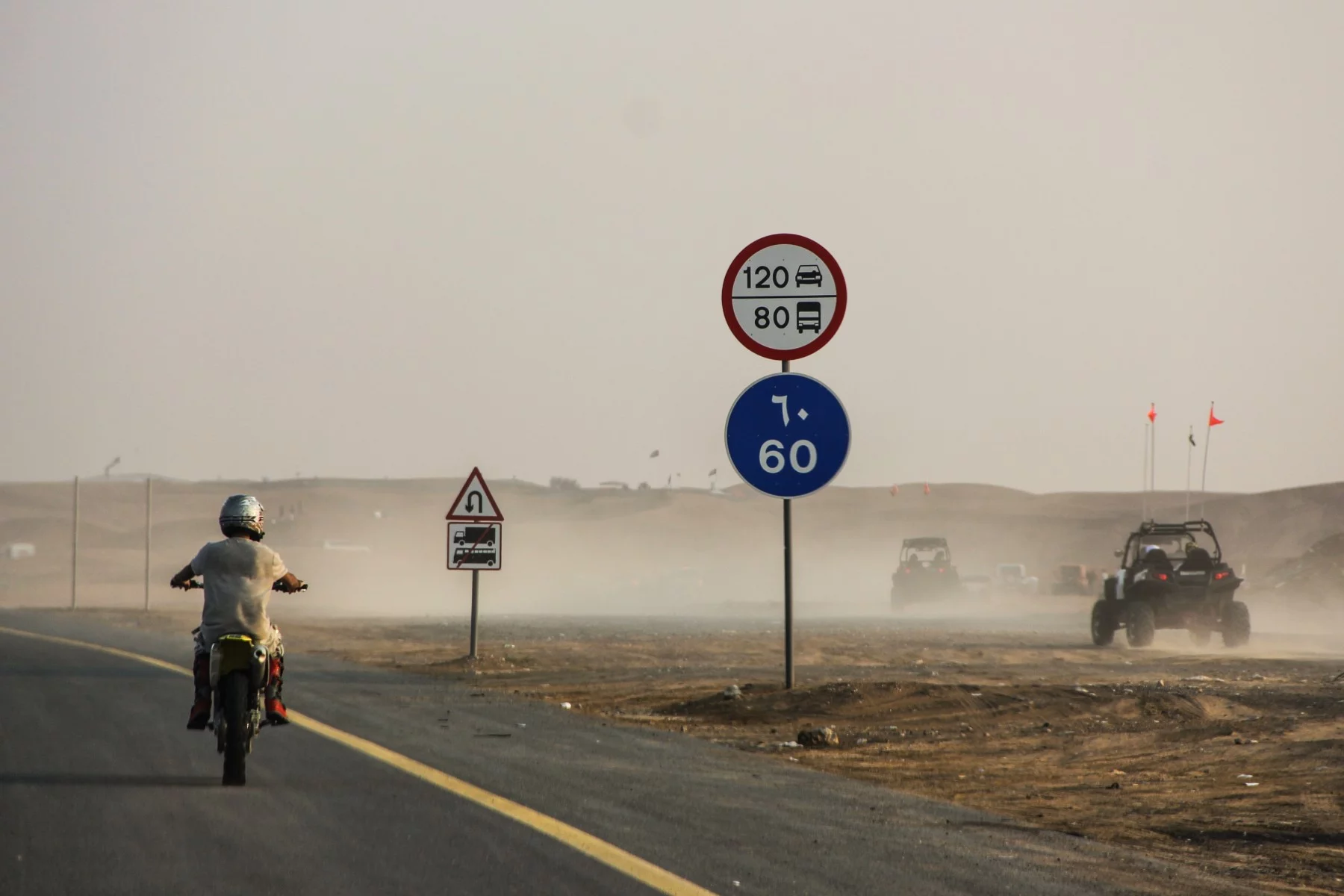
Governed by the Roads and Transport Authority (RTA), car insurance is mandatory in the United Emirates. Driving without insurance can result in a penalty of AED 500, four black points, and a seven-day vehicle retention period. Black points are demerits given for traffic violations. Your driver’s license will be suspended, if you’ve accumulated 24 points in 12 months.

You’re required to have at least third-party Liability insurance. This policy covers third-party claims in case of an accident. However, many in the UAE opt for a more expensive comprehensive insurance policy. This will also cover the loss of, or damage to, your vehicle.
Insurance providers in the UAE provide one-car and multi-car policies, covering the car, not the driver. That said, some companies will only cover those with valid UAE driving licenses. That means that if you borrow someone’s car and have an international driver’s permit (IDP), the insurance provider will not provide any coverage.
International car insurance
There are plenty of companies in the Gulf States that offer multinational car insurance policies, which is convenient whether you drive to Oman or Qatar for business or a weekend beach trip. Before you hit the road, it’s recommended to go over your policy coverage.
As a general tip, if your foreign car insurance covers the UAE, jot down the emergency or claims contact numbers and have all the information ready in case of an accident.
Car insurance companies
When looking for a reputable insurance company, compare different providers across services and costs. Since no reliable comparison sites are available, you’ll have to do your own research.
Some great options to start with include:
- Alliance Insurance
- AXA Insurance
- Qatar Insurance Company
- RSA Insurance
- Sukoon Insurance (previously Oman Insurance)
How to choose a car insurance provider
The car you drive and the premium you’ll have to pay aren’t the only factors to consider choosing an insurance provider.

While comparing insurers, make sure to consider the following:
- Does the company have good reviews?
- Do any of your friends recommend them?
- What coverage does the policy offer?
- Does the insurer offer add-ons appropriate for your circumstances?
- How easy is their claims process?
- Does the provider reward long-term loyalty through a bonus or rebate?
Types of car insurance
There are only two types of car insurance that matter in the UAE. These are Third-Party Liability and Comprehensive Insurance.
Their premiums depend on several criteria, including:
- The car model and make, and the year it was issued
- The driver’s age and experience
- If the car (or driver) has ever filed a claim before

Younger drivers may pay higher premiums and penalties because they are considered higher risk. Likewise, owners of new cars, sports cars, and drivers without clean records can expect higher fees.
Third-party liability insurance (TPL)
By law, you are required to get TPL coverage. This protects you from claims you are liable for, including injury, loss of life, or damage to vehicles and property. The policy does not cover your car repair costs or medical care.
For example, if you cause an accident, your insurer will only cover the expenses of fixing the other person’s car, and any medical bills they might incur, not yours. If you were both liable for the accident, the other party’s insurance would cover your bills.
As this type of policy is relatively more affordable, it is a great choice for drivers on a budget. Moreover, it will be the only option available if your car is seven years or older.
Comprehensive insurance (CI) coverage
Many drivers in the UAE opt to get a more expensive CI policy. This covers third-party claims, as well as damage to their own vehicle.

CI policies also protect you from other damage and loss, including fire, burglary, vandalism, and theft. In some cases, insurers will include agency repair for cars up to 2 years old.
Car insurance add-ons
Any driver looking for additional coverage in the UAE can get an add-on to their policy. Popular options include:
- Theft and fire – insures the vehicle against fire, acts of nature, theft, or vandalism. Typically included CI insurance but can be added to TPL policies.
- Roadside assistance – provides protection and support in case of roadside breakdowns. Services can include towing, tire replacement, and battery jump-starts. Depending on your insurer, you can add this to a TPL or CI policy.
- Gulf Cooperation Council (GCC) coverage – offers coverage throughout the GCC member countries (i.e., Bahrain, Kuwait, Oman, Qatar, and Saudi Arabia). You can add this to a TPL or CI policy, depending on your insurance provider.
- Personal effects coverage – protects valuable belongings in the car against theft or damage. Depending on your insurer, this add-on is available for TPL and CI policies, .
- Replacement rental car – allows you to rent a car for free or at a reduced rate, when your own vehicle needs to remain in the workshop for longer than a day. This add-on is usually only available with a CI policy.
- Off-road coverage – protects you against damage sustained by driving off-road (e.g., when you go dune-bashing). While some insurance policies already include this, other companies offer it as an add-on.
Bonuses and penalties
In some cases, insurance providers offer bonuses or serve penalties. For example, if you haven’t had an accident during the last year, your insurer might give you a No Claims Bonus in the form of a discount on your premium. Conversely, your premium might go up, if you have caused an accident in the past year.
Because each insurance company is different, it is best to reach out to see if there is a bonus that you might qualify for.
Applying for car insurance
While most people will take out their insurance online, some companies require you to attend their office in person. You can check with your preferred insurer to see their application process.

Though requirements may vary slightly, you will generally need the following documents:
- Driver’s license
- Valid passport or Emirates ID
- Valid visa if you are an international
- Car registration details
After you’ve been approved, you will receive your policy number and insurance card. Note that you should always keep your insurance card on your person. Do not leave it in the car in case of a break in or theft.
How to make a car insurance claim
If you are in an accident, you should always ensure that everyone is safe first. If anyone needs medical attention, call an ambulance at 998.

You should also call the police at 999, as you cannot file an insurance claim without a police report.
Other important aspects of filing an insurance claim are:
- Writing down the contact information of the other person
- Taking photos of the involved vehicles and the damage
Your insurance provider can explain the claims process in more detail, including the next steps.
Roadside assistance
If your vehicle breaks down, you can call roadside assistance. Keep in mind that your insurance provider might only cover some breakdown services.
Several companies offer roadside assistance in the UAE, including:
- AAA – a well-known name in roadside assistance, AAA offers 24/7 support for car troubles such as flat tires, lock-outs, and dead batteries
- TRAC – this company offers various services for stranded customers, including towing, pull-outs, flat tires, and fuel delivery
- International Motoring Club (IMC) – if you are stranded, you can call this company for support, including for towing, flat tires, and lock-outs
- Roadside Assistance Dubai – this company provides support to drivers needing towing, flat tire repairs, or jump-starts
You can contact the companies individually to learn about their prices and conditions.
Canceling a contract or changing provider
The process of annulling a contract or switching providers in the UAE depends on several factors. Canceling a contract before it has expired can often lead to a penalty. Remember to call your insurer to find out the fees and notice period involved.

Since car insurance is mandatory, it’s more likely that you’ll change providers rather than cancel your policy. Often, your new provider will contact the old company on your behalf. When you are shopping around for policies, make sure to ask them about their cancellation process.
Making an insurance complaint
In case of mishandling, you can file an online complaint with the Insurance Authority. This governmental agency handles all grievances about insurance companies.
However, before it reaches this point, you can make a complaint to your insurance provider itself. Most companies have a grievance process and will try to resolve the dispute amicably.
Useful resources
- Roads and Transport Authority – the government body that oversees car insurance requirements in the UAE
- Emirates Vehicle Gate (EVG) – governmental website that details Black Points Penalties
- Insurance Authority – the governing body that handles disputes against UAE insurance companies



Did you find this guide helpful?