
'%20id='ico-down'%20stroke='%23000000'%20stroke-width='1.5'%3e%3cg%20transform='translate(1092.250000,%20254.750000)'%3e%3cpolyline%20id='Path-2-Copy-4'%20transform='translate(5.500000,%202.750000)%20scale(1,%20-1)%20rotate(-180.000000)%20translate(-5.500000,%20-2.750000)%20'%20points='0%200%205.5%205.5%2011%200'%3e%3c/polyline%3e%3c/g%3e%3c/g%3e%3c/g%3e%3c/svg%3e)


House + Home
Housing Basics
Buying land in Thailand: rules for foreigners (2026)
Foreigners generally cannot buy Thai land outright in their own names, and establishing that boundary early saves buyers time and money. While lawful structures exist, they vary significantly in security and long-term inheritance outcomes.


Unlike broader property guides, this breakdown focuses strictly on land rules, due diligence, legal costs, and the practicalities of cross-border money transfers, providing a clear, practical roadmap to help you navigate Thai property ownership safely without the usual sales fluff.
Key takeaways
- Direct land ownership is generally prohibited: Foreigners cannot own land outright, so your strategy must rely on compliant legal structures rather than shortcuts.
- Land use can still be secured: Long-term registered leases and rights offer legal control without land ownership.
- Houses and land are treated separately: Foreigners can legally own a building or villa in their own name, even if the land underneath is leased.
- Buying through a Thai spouse carries risks: While common, this route requires careful planning around land declarations, divorce protection, and inheritance.
- Exchange rates can directly hit your budget: Transfer timing, bank conversion spreads, and exchange rate fees can significantly alter your total purchase cost.
Send high-value payments with Wise
If you’re transferring large sums for an investment or paying application fees in a foreign currency, compare exchange rates and transfer fees.
Wise uses the mid-market rate with transparent fees, and can help you hold and convert multiple currencies, send money internationally, and pay overseas expenses.

Can foreigners buy land in Thailand?
Foreigners can’t buy land in Thailand in the usual freehold sense, but they may use specific legal structures to secure land use or related rights.
What the law allows
Thai land law starts with a simple rule that foreigners cannot own land in their own names. The Department of Lands enforces this restriction, so holding a direct land title deed as a foreign national is off the table.
That does not mean you are out of options entirely. It just means any legal structure, whether a long term lease, usufruct, or building ownership, must be vetted against your situation, the specific plot, and the local Land Office rules before you pay a deposit.
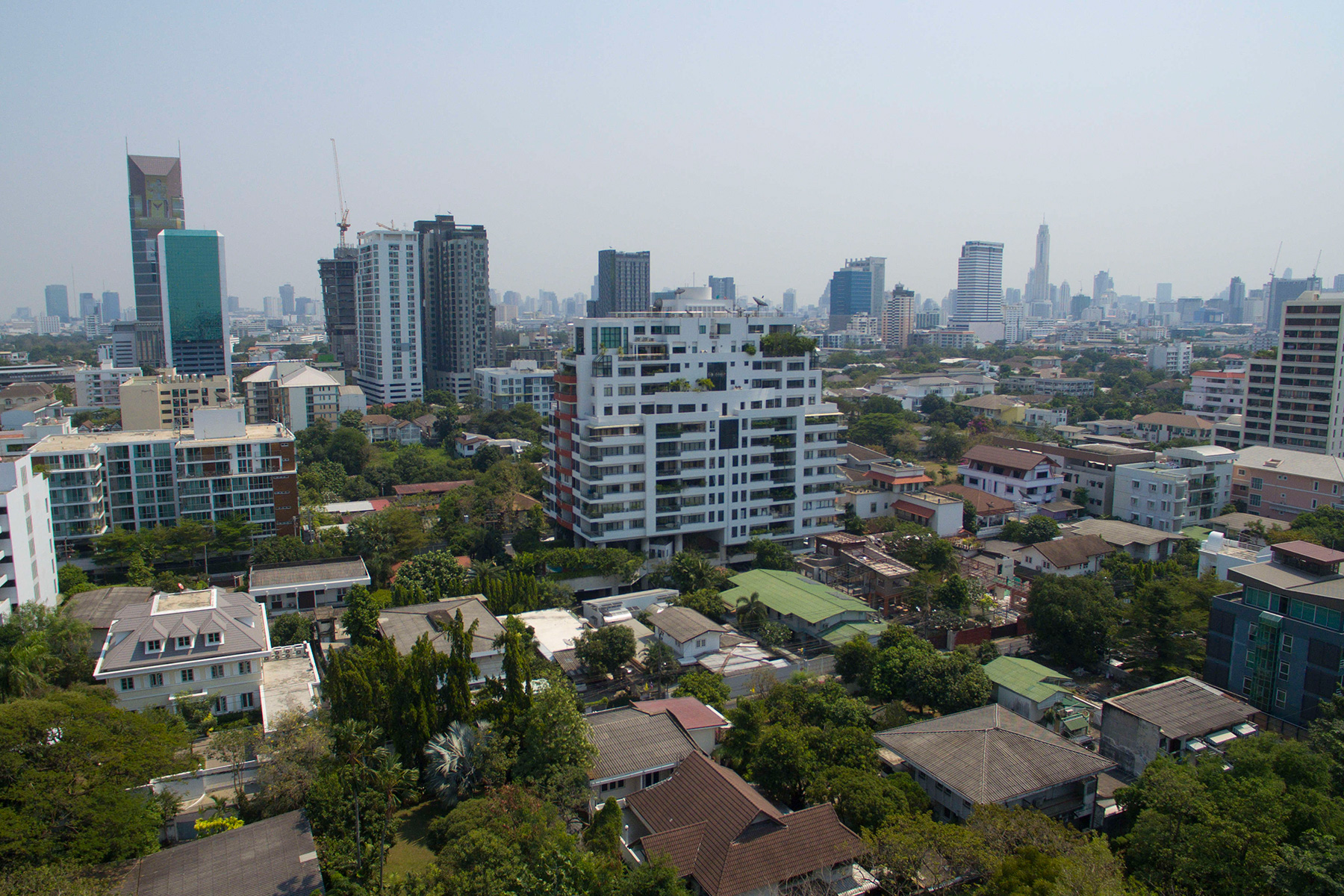
Land, house, and condo ownership explained
Buying property in Thailand means very different things depending on what you are actually purchasing. Land, a house built on top of that land, and a condominium unit each operate under entirely separate legal rules and ownership structures.
| Asset type | Can a foreigner usually own it? | Common structure | What to verify |
|---|---|---|---|
| Land | Usually no | Lease or registered right | Title, access, registration |
| House on land | Often yes | Own structure, not land | Building right, registration |
| Condo unit | Often yes | Foreign freehold condo | 49% foreign quota, remittance |
| Land plus house | Not usually outright | Layered rights | Control, inheritance, exit |
Legal routes expats use to secure land rights
Each legal route offers a different level of control, registration strength, and long-term security. Choosing the right option depends on whether you prioritize simplicity, inheritance rights, or building ownership.
Leasehold, superficies, and usufruct
Most expats looking to secure land rights in Thailand start with a registered 30-year lease. However, a contract clause promising a 30-year renewal is not a legal guarantee, as future extensions depend entirely on whether the owner agrees and re-registers the lease at that time.
Other legal options provide different protections:
- Superficies: A registered right that lets you own a building built on land owned by someone else.
- Usufruct: Gives you the right to possess, use, and earn income from the land for a fixed term or for life. Unlike a lease, a usufruct is an actual property right attached to the land rather than just a rental contract.
Whatever path you take, only rights formally registered on the official land title deed at the Land Office offer true legal protection. Private side letters and unrecorded promises carry zero weight under Thai property law.

Writer
Tarah
Insider Tip
If an agent says a “30+30+30” lease is guaranteed, ask which part is actually registrable at the Land Office, and have the Thai-language clause reviewed independently.
Buying with a Thai spouse or partner
This is one of the most common real-world setups, but the land usually belongs to the Thai spouse, not the foreign partner. That means the real issues are control, inheritance, divorce, and whether the foreign partner has any separate registered right over the plot or the house.
One thing worth knowing is that proof of funds can matter here too, especially if both partners believe they are making a joint purchase. A lease, superficies, usufruct, will, or other agreement may help define rights, but none of them automatically makes the arrangement safe or suitable. Independent legal advice matters for both people, not just the foreign buyer.
Thai company, BOI, and rare exceptions
A genuine Thai company is not a casual personal-buying shortcut. If a company is used, it should be a real business with real shareholders and a real commercial reason for holding land. Nominee shareholder structures can be unlawful and should be avoided.
For business-linked cases, the Board of Investment says promoted entities may request land ownership permission under Section 27 for promoted activities, in an amount the BOI considers appropriate. There are also narrow investment-linked exceptions discussed under Thai land law, but these are specialist scenarios.Company structures, BOI routes, or special exceptions require specialist legal advice and proper business justification. Be cautious of claims that these routes are simple or guaranteed.
Costs, taxes, and currency planning
The land price is only the starting number. Buyers also need to confirm fees, tax treatment, legal costs, and the true cost of moving money into Thailand.
Buyer costs and ongoing taxes
You should check transfer fees, registration costs, legal fees, and whether stamp duty or specific business tax affects the deal. Current rates and who pays can vary by transaction, and allocations are often negotiated, so confirm them before completion with your lawyer, the Land Office, and the relevant authorities.
If you may need finance, borrowing for land can be narrower than for condos, especially for foreigners, so Expatica’s Thailand mortgage guide is a useful next read. Lending eligibility, terms, and availability vary by financial institution and individual circumstances.
| Cost item | Often linked to | Who may pay | What to confirm |
|---|---|---|---|
| Transfer fee | Registration day | Buyer, seller, or split | Current rate and split |
| Stamp duty or specific business tax | Deal structure | Often seller side, but negotiable | Which tax applies |
| Legal fees | Due diligence and contracts | Usually buyer | Scope and Thai translation |
| Annual land and building tax | Use of the plot | Owner or right holder | Current local treatment |
Rates and costs shown are indicative and subject to change. Verify current fees with the Land Office, legal advisors, and relevant authorities before proceeding.
Planning large transfers to Thailand
Large international transfers can change the real cost of a purchase in two ways. First, some providers charge a low transfer fee but widen the exchange rate, which means more of your budget disappears during conversion. Second, receiving processes can differ between major local banks such as Bangkok Bank, Kasikornbank, and Siam Commercial Bank, so timing and paperwork are crucial.
If you also need local payment admin, opening a bank account in Thailand can involve branch-specific documents. Wise international transfers and the Wise multi-currency account may help some readers manage large cross-border payments, supported currencies, and transfer records with transparent fees, but check current regional availability, receiving details, and product support before you rely on it.
How to buy land in Thailand step by step
Once you know which route may be lawful for you, the next task is sequencing the checks in the right order.
Check the title deed, zoning, and access
Title quality is critical because not every land document gives the same certainty. Chanote is generally the strongest everyday title deed for buyers because the boundaries are fully surveyed. Nor Sor 3 Gor can still be bought and sold, but it usually needs extra care over boundary accuracy, access, and upgrade potential.
You also need to confirm road access, easements, utilities, and zoning or buildability with the local Land Office and the local municipality or Tambon Administrative Organization. Thai land is usually measured in rai, ngan, and square wah. One rai equals 4 ngan, one ngan equals 100 square wah, and one square wah equals 4 square metres.
For example, if a buyer agrees to a deposit on a rural plot with a view, the smart order is to verify the title deed, legal access road, and building restrictions before converting money into baht. A pretty plot can still be a bad purchase if access is informal or utility connections are unclear.
| Title deed type | Typical certainty | Common use | What to verify |
| Chanote | Strongest | Sale and build planning | Encumbrances, exact plot |
| Nor Sor 3 Gor | Medium to strong | Some land sales | Boundary check, access |
| Lower-grade occupation papers | Weaker | Higher-risk situations | Specialist legal review |
Writer
Tarah
Insider Tip
A sea-view or rural plot can still be a bad buy if road access is informal or utility connections are unclear, so ask your lawyer to verify access rights before you focus on the view.
If you are still unsure about the area, renting in Thailand for a few months can expose flooding, access, and neighbourhood issues before you commit.
Review contracts, pay the deposit, and register
Have the sale contract and any lease, superficies, or usufruct documents reviewed in Thai and in English before you sign.
Do not pay a deposit until the core title, access, zoning, and identity checks are complete.
Check that the buyer name, seller name, plot details, payment stages, and registration steps match across the contract and transfer paperwork.
Keep receipts, SWIFT records, bank confirmations, signed contracts, and Land Office registration evidence in one file.
If the purchase is part of a wider relocation, fold it into your moving to Thailand checklist so visa, address, and money paperwork stay in the right order.
Biggest mistakes foreign buyers make
The biggest losses usually come from weak structure, weak paperwork, or moving too fast.
Nominee structures and verbal promises
Nominee structures, off-registry side deals, and verbal assurances are where risk rises sharply. If somebody tells you a Thai company exists only to “hold the land for you”, or says a promise does not need registration because “everyone does it”, step back.
Ask for everything in writing, in a registrable form where relevant, and reviewed independently. If the seller, agent, or company arranger avoids basic questions about shareholders, access rights, or Land Office registration, that is often your signal to walk away.
Unclear renewal clauses and weak due diligence
Smaller oversight mistakes often trigger the biggest financial losses because buyers misinterpret their paperwork. Remind yourself of these key distinction points:
- Lease renewal clauses are not automatic extensions under Thai law.
- A clear sea view does not guarantee legal road access to your plot.
- A signed sales contract cannot cure a flawed or lower-grade title deed.
- Low Land Office transfer fees often hide high bank currency conversion costs.
- Buying through a spouse or company setup never eliminates the need for independent legal advice.
Use Wise to move money for your Thailand land purchase
Wise works well for keeping transfer costs transparent and predictable, provided your paperwork matches local Land Office requirements. Because Wise routes payouts through local partner banks in Thailand, the funds arrive as Thai Baht rather than a standard foreign wire. That makes double-checking your bank paperwork the most important step.
A few practical steps will keep your transfer straightforward:
- Check the paperwork route with your bank first
Contact your Thai bank beforehand to confirm they can issue an international transfer letter for local Wise payouts. - Compare Wise rates against a standard bank wire
Wise gives you clear upfront fees and real-time exchange rates, which helps when planning deposit payments or final closing funds. - Keep your transaction names completely identical
Make sure the sender name on Wise, the buyer name on your sale contract, and your Thai bank account details match character for character. - Save every receipt as you go
Download your Wise PDF receipts and keep them together with your Thai bank credit slips and sale agreement for your legal team.
FAQ
Frequently asked questions about buying land in Thailand
Can foreigners buy land in Thailand? 
Usually not in direct freehold ownership, which is the starting point of Thailand land ownership rules. Instead, foreigners tend to look at leases, superficies, usufruct, spouse-linked arrangements, or specialist business routes, each with different risks and limits.
Is a 30-year lease enough when buying land in Thailand?
A 30-year lease can give useful control if it is properly drafted and registered, but it is still not the same as ownership. Renewal wording should not be treated as automatic, and the Thai-language contract should be reviewed independently before signing.
What title deed should I look for in Thailand?
Many buyers look first for Chanote because it usually gives the strongest title certainty and clearly surveyed boundaries. Even then, you still need a qualified professional to verify the specific plot, access rights, and any encumbrances.
Can I own a house in Thailand if I cannot own the land?
Often, yes. A foreigner may be able to own the structure while holding separate land rights through a lease or superficies, but the setup must be structured and registered properly.
How do I transfer money to Thailand for a land purchase?
Plan the transfer before the contract deadline, compare both fees and exchange rates, and confirm receiving-bank requirements in advance. Wise may be one option for international transfers and multi-currency money management, but it is not a substitute for legal advice on the purchase itself.
Useful sources
Information checked September 2026
- Department of Lands, Thailand: Official starting point for land administration and Land Office information.
- The Land Code vocabulary, Department of Lands: Useful for official English terminology on alien land rights and land documents.
- BOI land ownership guidance: Official Section 27 guidance for promoted entities.
- BOI announcements: Check current investment promotion notices and land-related changes.
- Thai Revenue Department, stamp duty: Official wording on stamp duty as an instrument tax.
- Siam Legal, buying land in Thailand: Expert legal overview for route comparison and due diligence questions.
- Thailand Law Online, property ownership overview: Specialist explainer on foreign ownership structures and land rights.


Did you find this guide helpful?