The catch is that inclusions and pricing can vary a lot by building, city, and stay length. This guide explains how serviced apartments in Thailand work, what they usually include, which areas suit different types of expat, and what to check before you pay a deposit.
Pay your Thailand deposit with Wise
Serviced apartments often ask for a deposit and advance rent in Thai baht. With a Wise account, you can convert your money and send baht to the landlord’s Thai bank account.
- Convert to Thai baht at the mid-market exchange rate, with fees shown upfront.
- Send baht to a Thai bank account to pay your deposit or rent.
- Hold baht alongside other currencies in one account.

Key takeaways
| Question | Short answer | What to verify |
| Who are serviced apartments best for? | New arrivals, mobile professionals, and expats who want flexibility | Minimum stay, deposit rules, and cancellation terms |
| What’s usually included? | Furniture, housekeeping, and often internet | Utilities, laundry, breakfast, and parking |
| What are the biggest extra costs? | Electricity, water, deposits, and guest fees | Per-unit utility rates and refund timing |
| What are the main booking risks? | Signing blind and assuming all inclusions are standard | House rules, inventory, and payee details |
| When might another option be better? | If you already know the area and want the lowest monthly cost | Compare with a condo or longer lease |
What counts as a serviced apartment in Thailand?
A serviced apartment is usually a furnished apartment or residence with hotel-like services such as reception, housekeeping, and sometimes laundry or breakfast. In Thailand, the label can cover everything from a small studio with limited extras to a premium residence that feels close to a hotel.
A serviced apartment may suit you if you want a ready-to-live-in place for a few weeks or months, but you should still check exactly what is included before you assume the price is all-in.
| Type | Typical features | Best for |
| Serviced apartment | Furnished, housekeeping, reception, flexible stays | New arrivals and short-to-medium stays |
| Hotel | Daily service, minimal setup, shorter stays | Very short visits or stopovers |
| Condo | More independence, often lower monthly rent, fewer services | Longer stays and people who know the area |
Where serviced apartments work best in Thailand
Where you stay matters just as much as what you pay. The same budget can buy very different levels of convenience depending on whether you are in central Bangkok or a smaller expat market.
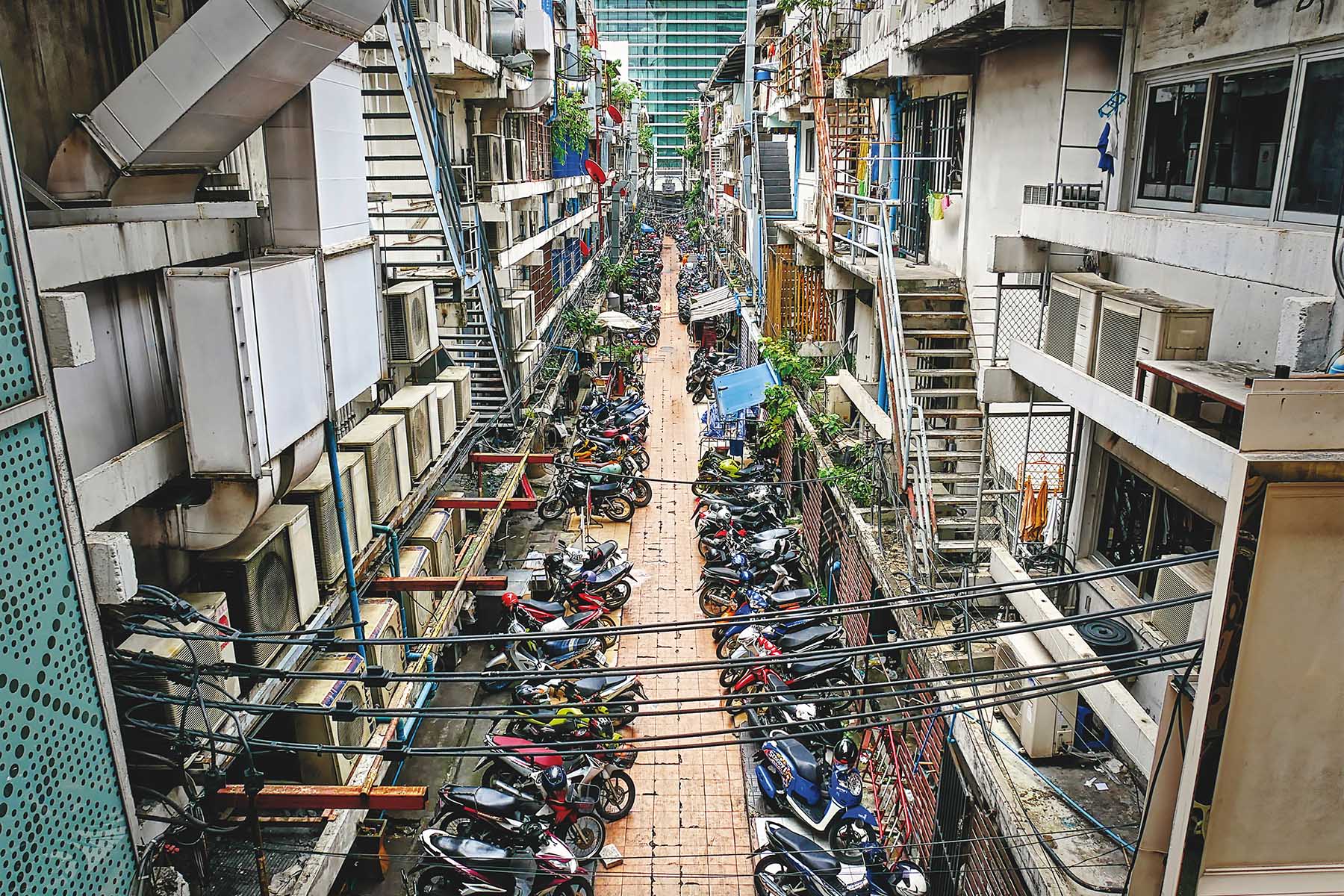
For many new arrivals, the best choice depends on work location and access to public transportation. A building that looks close to a station on a map may still be inconvenient if the route involves a long walk down a narrow side street, called a soi, or limited late-night transportation options.
Bangkok and major business districts
Bangkok offers the widest range of options and the most international-style buildings. Areas such as Sukhumvit, Sathorn, Silom, and Ploenchit tend to suit people who want strong transport links and quick access to offices, restaurants, attractions and daily services.
Away from these major areas, you may find better value and more space, but you should balance that against commute time, traffic, walkability and whether the location feels safe at night. Expatica’s directory lists serviced apartment providers in Thailand.

Writer
Jen
Insider Tip
A building that looks close to a BTS station on a map can still require a long walk down a narrow soi, turning what is supposed to be a five-minute walk into 15 or 20 minutes in the heat. Sidewalks along these streets are often uneven, blocked by food carts and parked scooters, or missing entirely, which makes the trip harder with luggage or after dark. Before you book, check whether the apartment runs a shuttle to the station and how you’ll get back after the BTS stops running around midnight.
Chiang Mai, Phuket, Pattaya, and secondary markets
Chiang Mai can suit remote workers and longer exploratory stays, especially if you value a slower pace and a lower cost base than central Bangkok. Phuket works well if you’re choosing a base for the beach lifestyle.
Pattaya and Chon Buri can appeal to people moving for work in the wider eastern corridor or to those who want an easier coastal base. Secondary markets such as Rayong can suit company-linked stays or assignment-based moves. The key is to match the city to the reason you are there. For a wider comparison, see Expatica’s guide to the best cities to live in Thailand.
What will you pay, and what is included?
In Thailand, the real cost of a serviced apartment may include rent in advance, a deposit, regular cleaning, utilities, and sometimes fees for parking, laundry, or extra guests.
Before you decide, ask for the total monthly cost, not just the room rate. A place that looks affordable at first glance can become much more expensive once electricity and other extras are added. For wider budgeting, see the cost of living in Thailand.
Monthly rent, deposits, and minimum stays
Pricing usually changes depending on how long you stay. A nightly rate is usually highest, while weekly or monthly bookings can be more affordable.
As a guide, serviced apartments listed on Thailand-Property in central Bangkok areas such as Lumpini and Khlong Tan ranged from around 34,000 to 500,000 Thai baht a month in October 2026, depending on size and building.
If you are staying only a month or two, a serviced apartment may be worth the premium because it reduces admin and gives you time to settle in. If you already know where you want to live long-term, a condo or standard rental could cost less.
| Stay length | Typical pricing pattern | Common trade-off | What to ask |
| Nightly | Highest per-night cost | Maximum flexibility | Minimum stay and cancellation rules |
| Weekly | Lower than nightly, still flexible | Fewer discounts than monthly | Cleaning and utility inclusions |
| Monthly | Better value, more stable | Often still pricier than a condo | Deposit, advance payment, and utility policy |
| Longer stay | Can be negotiated | More commitment required | Contract length and refund terms |
Utilities, cleaning, and extra charges
Some serviced apartments include housekeeping, internet, or even breakfast. Others charge separately for nearly everything beyond the room itself.
Electricity is one of the most common surprise costs. Under the Metropolitan Electricity Authority residential tariff, energy charges range from about 2.35 to 4.36 Thai baht per unit from the September 2026 billing cycle, plus a service charge, the Ft (fuel adjustment) charge and value-added tax.
Outside Bangkok, Nonthaburi and Samut Prakan, the Provincial Electricity Authority sets rates. Serviced apartments can charge their own per-unit rate, so ask for it in writing.
Other items to check include water, parking, laundry, guest fees, pet fees, and late checkout charges. Water is billed per unit by the Metropolitan Waterworks Authority in Bangkok or the Provincial Waterworks Authority elsewhere, though buildings may apply their own rate.
Writer
Jen
Insider Tip
Under rules from Thailand’s Office of the Consumer Protection Board, landlords leasing three or more residential units can’t charge more than the official electricity and water rates. Hotels, dormitories and serviced apartments fall outside these rules, so a serviced apartment can set its own per-unit electricity rate. Ask for the per-unit rate in writing and compare it with government tariffs.
Serviced apartment vs condo vs hotel: Which is better?
The right choice depends on how long you plan to stay and whether flexibility or lower rent matters more to you.
| Option | Stay length | Setup effort | Typical inclusions | Best for |
| Serviced apartment | Short to medium term | Low | Furniture, housekeeping, reception | New arrivals and flexible stays |
| Condo | Medium to long term | Medium | Basic furnishing, sometimes pool/gym | Longer stays and lower monthly cost |
| Hotel | Very short term | Very low | Daily service and reception | Stopovers and temporary visits |
If you are arriving in Thailand for the first time, a serviced apartment is often the easiest transition option. It buys you time to learn the area and test the commute. You can also use that time to learn how much space you really need.
If you already know the neighborhood and want to minimize cost, a condo may eventually make more sense. Online housing portals in Thailand list long-term rentals.

What should you check before you book or sign?
Preparation will help you avoid the biggest mistakes before move-in day.
Do not rely on photos alone. Make sure the written terms match the property description and that you understand how deposits and refunds work.
Contracts, house rules, and legal basics
- Ask about guest policy, especially if you expect visitors.
- Check pet rules if you are moving with an animal.
- Confirm the cleaning schedule and whether it is included.
- Find out when the deposit is refunded and under what conditions.
- Ask for the inventory list if furniture or appliances are included.
- Check cancellation rules and notice periods.
- Verify whether the stay is suitable for the length you want, especially for short bookings.
Stay length also affects whether a booking is legal. Under Thailand’s Hotel Act B.E. 2547, accommodation provided for a fee for less than one month counts as a hotel, and running one requires a license from the Department of Provincial Administration.
Many buildings set a 30-day minimum stay for this reason. If you’re booking for less than 30 days, ask whether the building holds a hotel license.
Red flags during viewing and on move-in day
- The air conditioning looks old or poorly maintained.
- There is a mold smell or visible stains.
- The building manager gives vague answers about electricity charges.
- Inventory photos are missing or incomplete.
- The payee name is unclear or differs from the contract.
- Promises made verbally are not written into the agreement.
If something feels unclear, ask for it in writing before you pay any deposit.
How to pay deposits, rent, and everyday costs
Payment methods in Thailand vary by property. Some serviced apartments accept card payments, while others prefer local bank transfers or a combination of deposit and advance rent.
Before you pay, confirm the payee name, currency, due date, and refund route. If the building prefers a transfer from one of the banks in Thailand, ask whether the account is in the property’s own name and how they handle receipts.
Things to check before sending money:
- Whether the deposit is refundable
- Whether the first payment is in Thai baht or another currency
- Whether card payments are accepted
- Whether bank transfer proof is enough to secure the booking
- How long refunds usually take
Using Wise for your first Thailand accommodation payments
Once you know the amount, the payee and the currency, Wise can help with paying a deposit or first month’s rent. With a Wise account, you can hold and convert Thai baht alongside other currencies at the mid-market exchange rate, with fees shown upfront, and send baht to a Thai bank account.
The features available depend on where your Wise account is registered:
- Registered outside Thailand: send money to Thai bank accounts and spend with the Wise card in Thailand.
- Registered to a Thai address: also pay individuals and businesses by scanning PromptPay QR and Thai QR codes. Wise cards linked to a Thai address can’t be used for cash withdrawals at ATMs in Thailand.
Fees, limits and features can change, so check Wise’s pricing in Thailand and the Wise Help Center article on accounts in Thailand before you pay.
FAQ
Frequently asked questions about serviced apartments in Thailand
Are serviced apartments cheaper than hotels in Thailand? 
Not always on the sticker price, but often on the total value. For longer stays, serviced apartments can work out better once you factor in space, kitchen access, and included services.
What is usually included in serviced apartment rent in Thailand?
Furniture, housekeeping, and internet are common but not guaranteed. Utilities, breakfast, parking, guest fees, and laundry may be extra, so always check the full list.
Can foreigners rent serviced apartments in Thailand without a Thai bank account?
Often yes, especially for professionally managed short or medium stays. Still, payment methods vary, so confirm whether card payment or transfer is required.
Is a serviced apartment or condo better for a six-month stay in Thailand?
It depends on your priorities. A serviced apartment is usually easier and more flexible, while a condo may be cheaper if you already know the area and want lower monthly costs.
Are short-term apartment rentals always legal in Thailand?
No. Under the Hotel Act, renting out accommodation for less than a month generally requires a hotel license, and some condominium buildings restrict short stays in their own rules. Stays of 30 days or more are usually treated as standard residential leases. Before booking a short stay, check that the property is licensed.
Sources
- Office of the Consumer Protection Board (OCPB)
- OCPB Complaint Center
- Department of Provincial Administration (DOPA)
- Immigration Bureau
- Metropolitan Electricity Authority (MEA)
- Provincial Electricity Authority (PEA)
- Metropolitan Waterworks Authority (MWA)
- Provincial Waterworks Authority (PWA)
- Wise – Pricing
- Wise Help Center – Wise accounts in Thailand