
'%20id='ico-down'%20stroke='%23000000'%20stroke-width='1.5'%3e%3cg%20transform='translate(1092.250000,%20254.750000)'%3e%3cpolyline%20id='Path-2-Copy-4'%20transform='translate(5.500000,%202.750000)%20scale(1,%20-1)%20rotate(-180.000000)%20translate(-5.500000,%20-2.750000)%20'%20points='0%200%205.5%205.5%2011%200'%3e%3c/polyline%3e%3c/g%3e%3c/g%3e%3c/g%3e%3c/svg%3e)


Education
Language Learning
Study Arabic in Saudi Arabia
Looking to study Arabic in Saudi Arabia? Get to know the ins and outs, including in-person lessons, online options, and children’s classes.

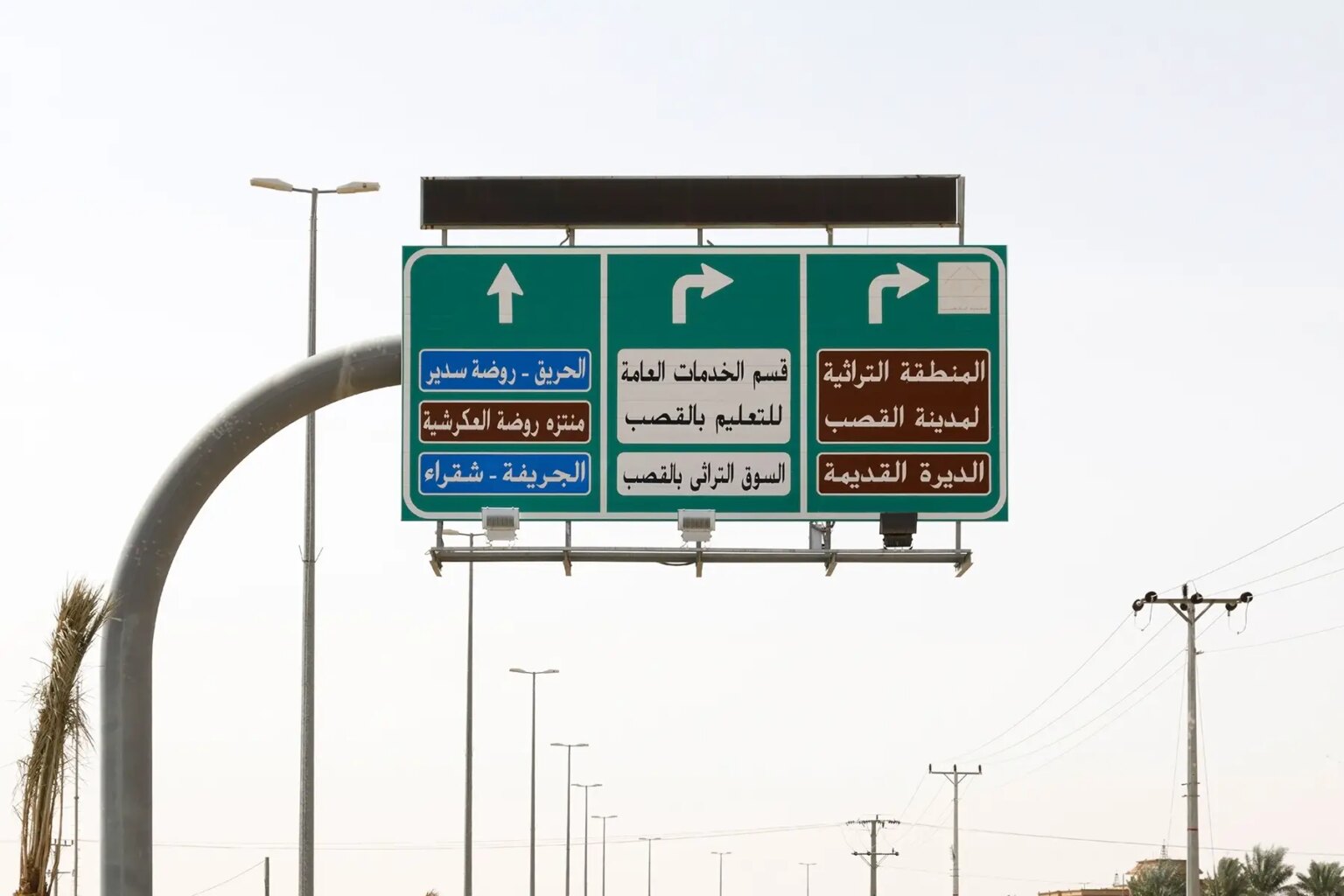
By most accounts, Arabic is a challenging language to learn. From its alphabet to its different dialects, to its rich history, the language is complex. That said, for expats considering a move to the Kingdom, it may be a good idea to learn at least the basics. Having some knowledge of the language will be a tremendous benefit in a country where most people speak Arabic.
Read on to find different ways to learn Arabic in Saudi Arabia, from classroom studying to mobile apps.
Why learn the Arabic language?
Arabic has about 420 million native speakers around the globe. With its rich history, culture, and reach, it is a fascinating and useful language to learn. In fact, it’s the fifth-most spoken language in the world. For expats moving to or living in Saudi Arabia, learning some of the language is extremely helpful. This is because, in contrast to some other Gulf countries like Qatar or the UAE, most of the people (67.7%) who live in the Kingdom are Saudi locals. So, it is far more likely that you will run into people who do not speak English. This is especially important to keep in mind if you have interactions with the police or government officials – you want to make sure you can somewhat understand what is happening.
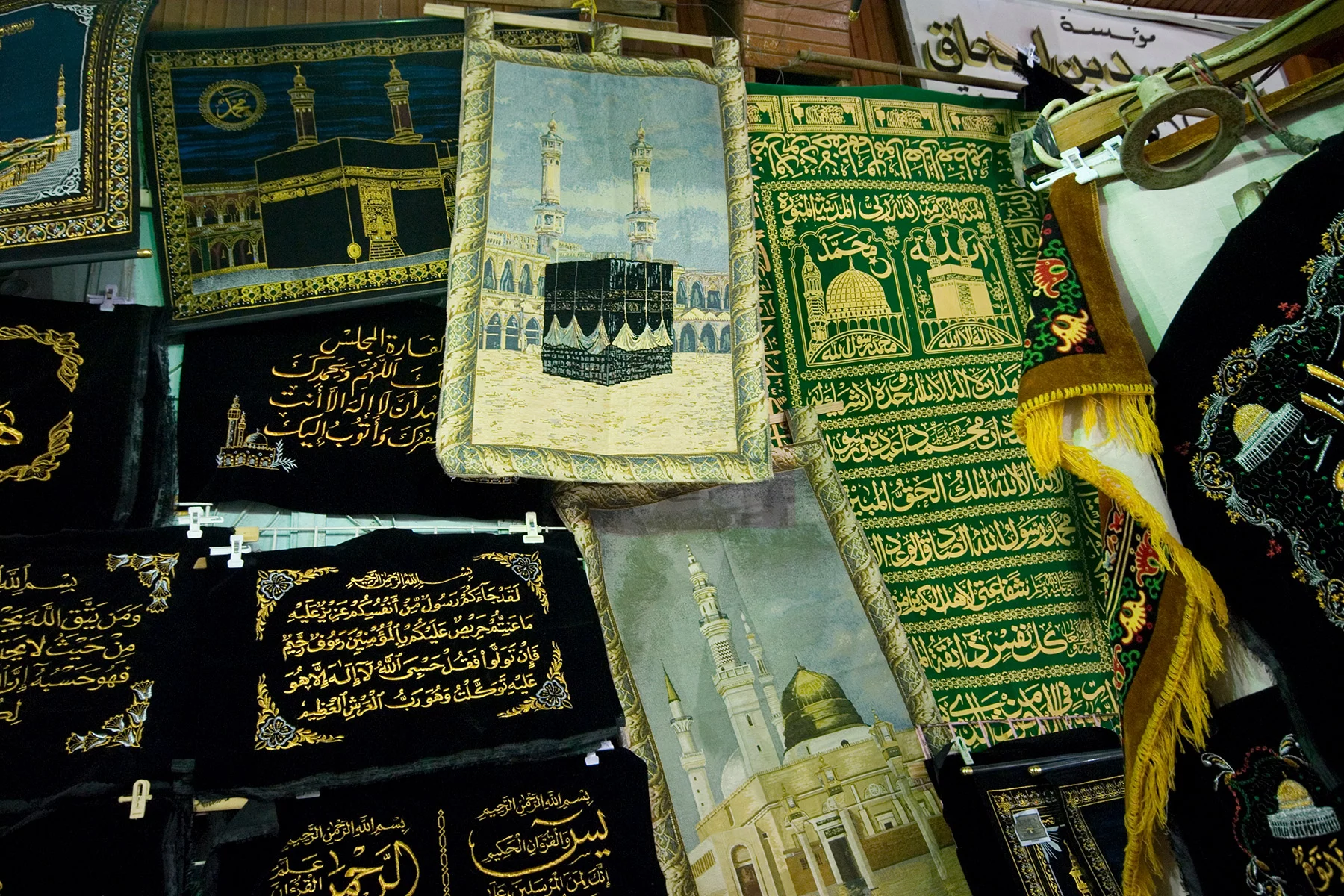
Learning Arabic is also a great way to get to know Saudi culture and people – picking up some pleasantries here and there may help you form friendships. That said, depending on your native language, Arabic can be a difficult language to learn; in fact, most native English speakers need an estimated 2,200 hours to master it! Though there are no firm figures, many expats in Saudi Arabia do not pick up Arabic. However, those up for the challenge find a great deal of value in doing so.
Arabic dialects
As Arabic has almost half a billion speakers across a large region, it has many linguistic variations. The language is divided into three main forms: Qur’anic Arabic is the Arabic used in the Qur’an and during prayer. Modern Standard Arabic, also called fus-ha, is the language used in formal settings such as the media and government correspondence. Although most native speakers understand fus-ha, they rarely use it. Instead, most Arabic speakers use Colloquial Arabic, the Arabic of daily living, which varies significantly across different countries and regions. For example, Arabic spoken in Saudi Arabia sounds quite different from the Arabic spoken in Syria.
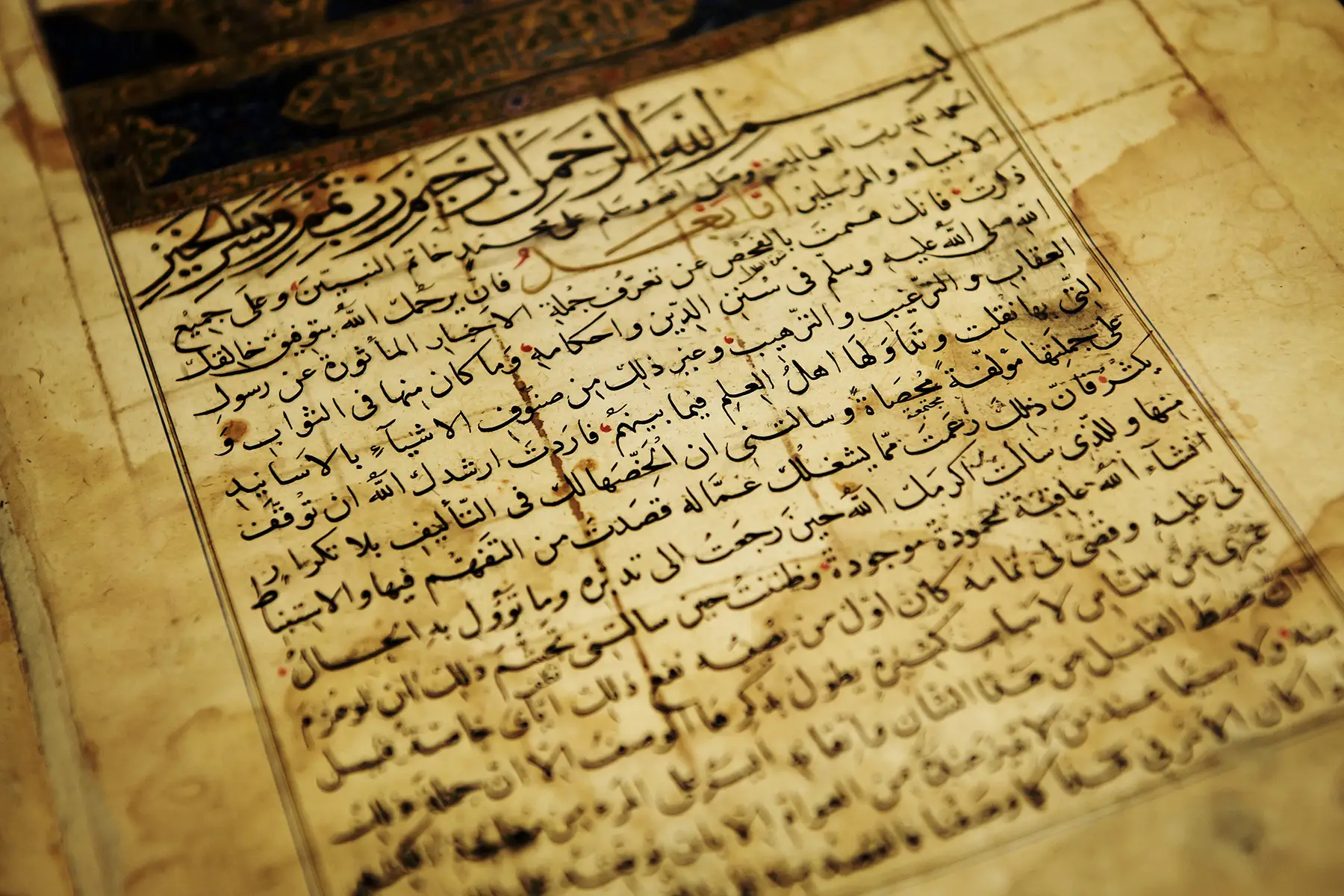
The form of Arabic spoken in Bahrain, Qatar, the UAE, and parts of Oman, Saudi Arabia, Iran, Iraq, and Kuwait is Gulf Arabic, or khaleeji. This form has its own conjugations and particularities specific to the Arabian Gulf region. Saudi Arabia is also home to speakers of other dialects, including najdi and hijazi. Within these linguistic groupings, the types of Arabic spoken in Saudi Arabia share some similarities with the language in other parts of the region, but they also have specific grammatical and vocabulary quirks that set them apart.
Learning Arabic before moving to Saudi Arabia
While you’re waiting for your residence permit to be processed, you could use this time to learn some introductory Arabic. This would be a great, hands-on way to begin understanding Saudi culture and prepare you with some local pleasantries to use upon arrival. And, more generally, learning a new language offers a ton of benefits, including getting you excited for your big move.
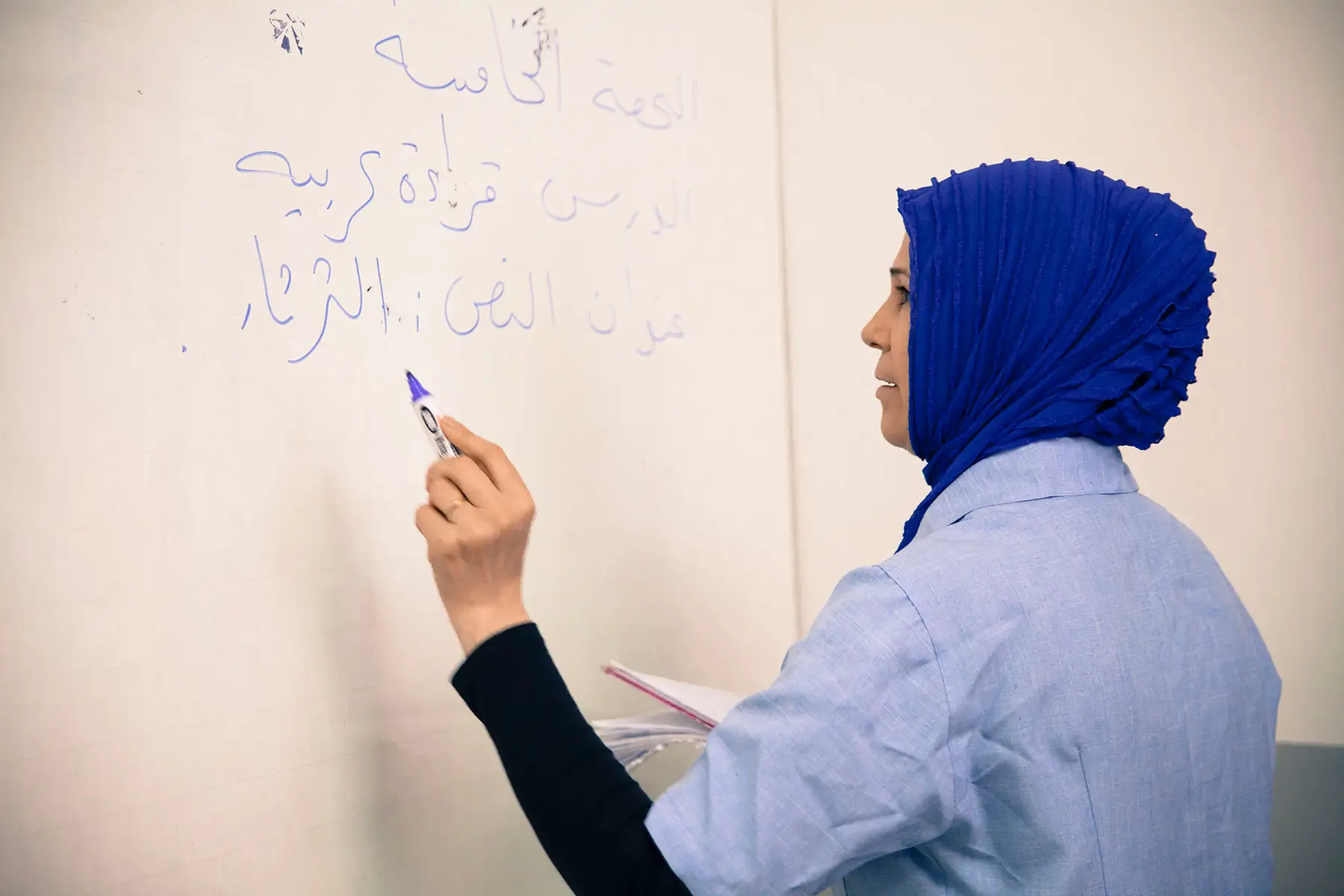
If you’d like to learn some Arabic before arrival, here are some good places to start:
- Contact your local mosque – Arabic is the language of the Qur’an, so many mosques offer introductory Arabic. Though the Arabic may be Qur’anic Arabic, this is a great way to start learning the alphabet and grammatical structure of the language.
- Check out offerings at your local university – As Arabic is such a popular language to learn, many universities and colleges offer classes.
- Try Arabic Online – Designed for casual language learners, Arabic Online offers free introductory classes.
- Visit Arab Academy – One of the oldest online Arabic schools, Arab Academy has courses ranging from beginner to advanced.
- Try out uTalk – If you want to have fun while picking up some Arabic, try this games-based language-learning system which gets its users speaking Gulf Arabic on day one.
Learning Arabic in Saudi Arabia
After arriving and settling into life in the Kingdom, it might be a good idea to learn some Saudi Arabic. Indeed, learning a language once you’re immersed in the culture is one of the most efficient ways to learn. You can put all of your theoretical vocabulary and grammar into practice to navigate this new world. Learning Arabic in Saudi Arabia also allows you to directly study the dialects that are most useful in the country – keep in mind that there are three different dialects of Saudi Arabic:
- Najdi is spoken in the center of the country and is the most dominant dialect.
- Hijazi is spoken in the western part of the country.
- Khaleeji Arabic is spoken in eastern Saudi and throughout the wider Gulf region.
Language schools in Saudi Arabia
If you plan to study Arabic in Saudi Arabia, here are a few good places to start:
- Arabius – offering private, group, and organizational classes, Arabius is expat-run and offers beginner and intermediate-level lessons.
- I Can Talk Arabic – founded in 2012, I Can Talk Arabic offers online and in-person classes, either self-guided or with an instructor.

University Arabic lessons in Saudi Arabia
- King Saud University (KSU) – Located in Riyadh, the Arabic Language Institute at KSU offers self-guided Arabic learning tools. This program is free.
- King Abdulaziz University (KAU) – KAU’s Arabic Language Institute is in Jeddah and offers Arabic classes for male and female students – keep in mind classes are gender-segregated. Please contact KAU directly to ask about fees.
- Effat University – Effat University in Jeddah offers Arabic as a foreign language. Classes begin in fall, spring, and summer sessions. To find out about fees, contact the university.
- King Abdullah University of Science and Technology (KAUST) – KAUST’s Community Arabic Program (CAP) introduces expats to reading and writing Arabic and the colloquial hijazi dialect.
Learning Arabic for free in Saudi Arabia
If you’re planning to use free tools to learn Arabic, your best options are online resources and apps. While most language schools charge for their online and in-person classes, using websites and apps will allow you to follow your interests and go at your own pace.
Learn Arabic online
If you prefer learning languages online, you will have plenty of options in Saudi Arabia. This is true, in part, due to the COVID-19 pandemic, which forced many businesses to develop online services. Therefore, if you find a language school you like, it’s worth reaching out to them about online classes. Here are some good options to get you started:
- Talk in Arabic – This online resource offers language-learning tools in Saudi dialects – students can access native-speaker audio as well as high-quality learning videos. Pricing options vary based on whether you pay monthly or yearly.
- Madinah Arabic – Madinah Arabic offers free basic Arabic classes and connects learners to native Arabic tutors. Contact them directly for pricing.
- Apprentus – If you’re looking for an online tutor, Apprentus lets you search for tutors in your area offering Arabic instruction. Most offer online courses, though some also provide in-person lessons.
Other handy online Arabic-learning resources
- Saudi Dialects – This online tool teaches hijazi and najdi dialects of Saudi Arabic through flashcards and e-books.
- Gulf Arabic Learner’s Dictionary – This app is a great dictionary for those interested in picking up more khaleeji Arabic vocabulary.
- Language Learning with Netflix – This plug-in is a great passive language-learning tool. While you’re watching your favorite show, it simultaneously shows you two sets of subtitles, in the language you speak and the language you’re learning.
Learn Arabic with a computer or smartphone app
If you prefer a self-paced method of language learning, an app or computer software could be a good bet. Here are some options to start learning or perfecting your Arabic.
- Pimsleur – Pimsleur is a very popular language-learning software. Users can access it in CD form, via the app, and online. Keep in mind that Pimsleur only offer Modern Standard Arabic, which is quite formal.
- Rocket Languages – Rocket languages make learning Arabic through your phone or computer both fun and innovative. It gets good reviews, but keep in mind that they only offer Egyptian Arabic.
- Rosetta Stone – One of the most popular language-learning tools, Rosetta Stone offers effective software. They also provide free trials.
App options
If you’d rather use an app to learn Arabic, here are some recommendations:
- Drops – Drops offers quick, bite-sized sessions of conversational Arabic. It’s a good fit for those who want to learn the language casually. Drops has both free and paid options.
- Duolingo – An incredibly popular language-learning app, Duolingo offers free plans for you to ease your way into Arabic.
- Memrise – If you are serious about learning Arabic, Memrise has extensive grammar, vocabulary, and conversational Arabic instruction. They also offer free and paid options.
- Tandem – For those looking to learn through community, Tandem pairs you with a language partner, and you teach each other your languages. Tandem has both free and paid plans.
Learning the Arabic language outside of the classroom
For those hoping to learn the language without spending time in a classroom, there are plenty of options for creative language learning. A good first step is to take stock of the people you interact with – in your gym, grocery store, or office – who may already speak Arabic. They may be open to becoming conversation partners or helping you with your Arabic in their free time. Could you attend some local festivals and resolve to practice your Arabic with everyone you can? Absorbing the Arabic language and Saudi culture is helpful, no matter how you do it.
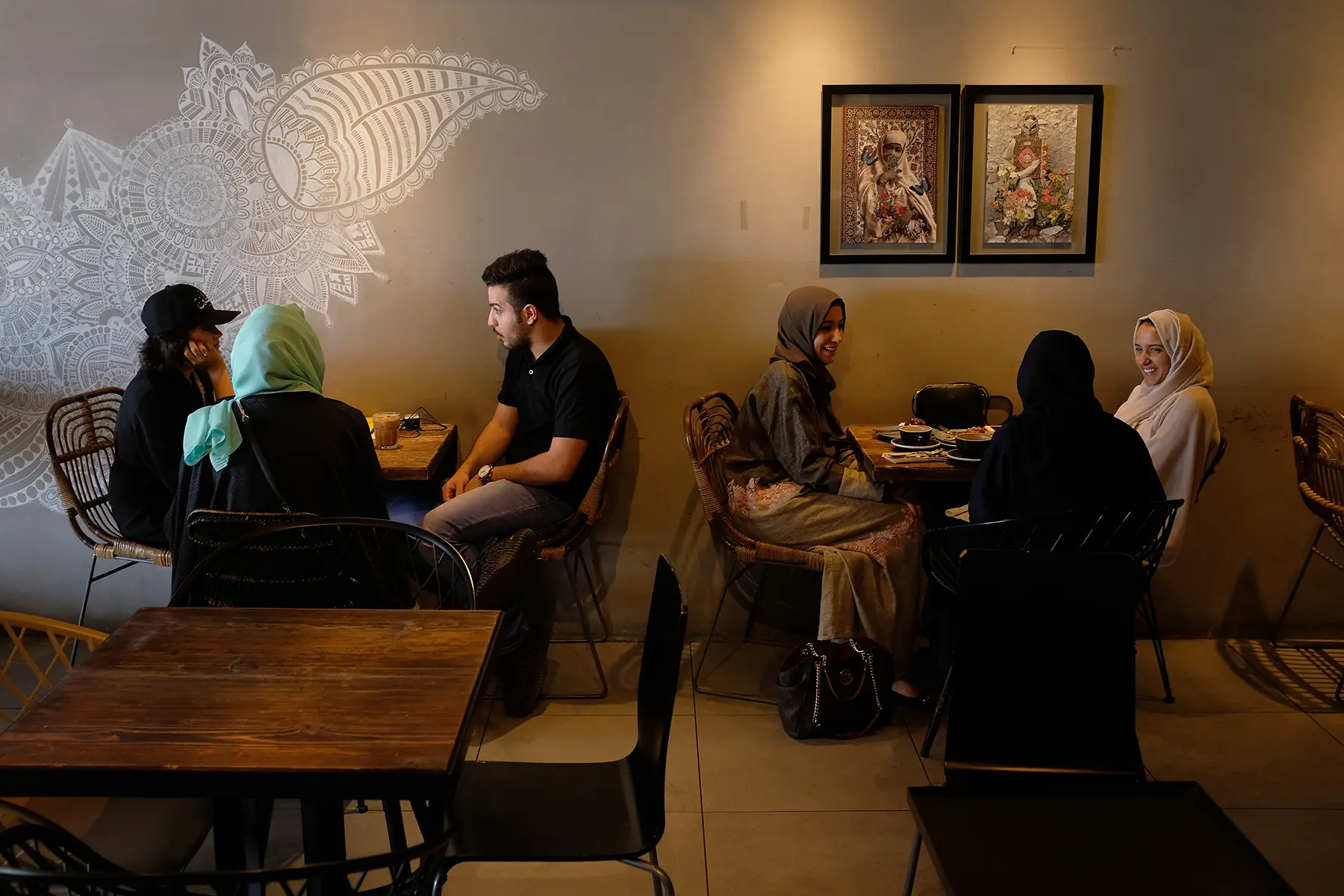
If you have children, find out if any of their friends’ families speak Arabic. If so, organize a joint playdate that will benefit both you and your little one. Take a look at your hobbies and see if there are any that you can do socially, with Arabic speakers. Is there a knitting or parents’ club that you could join? Keep in mind that every social group that involves local Saudis is likely to be gender-segregated. If a social situation sounds too daunting, you could start by watching your latest series with Arabic dubbing or subtitles.
Don’t forget, you can always seek a learning community among new friends. Try searching for a group on Meetup.com that brings together locals and expats. Or, if you’re in search of a language buddy, use a website like My Language Exchange to find someone who wants to learn your language and teach you theirs. Just remember that there is no wrong way to begin learning a language.
Arabic learning for children in Saudi Arabia
Although all international schools in the Kingdom must offer Arabic language classes, many students find it challenging to absorb the language fully without dedicated study or immersion. The good news is that there are plenty of ways to passively learn a language. And, for those interested in enrolling their children in formal Arabic study, here are some excellent places to start.
- King Abdullah University of Science and Technology (KAUST) – For children ages six to nine, the Community Arabic Program for Kids emphasizes language learning through roleplay, singing, and storytelling.
- Arabic for All – Arabic for All offers online Arabic content for children in the form of age-appropriate audio lessons and study books.
Learning the language for business and professionals in Saudi Arabia
In many industries in Saudi Arabia, it can be common to work extensively with Saudi locals. In this case, it might be a good idea to consider learning some professional Arabic to improve your career options. Gulf Arabic is a great place to get to grips with business Arabic. They offer language instruction focusing on grammar, vocabulary, conversational, and business setting vocabulary.
Official language examinations and qualifications in Saudi Arabia
Unfortunately, there is currently no globally accepted Arabic language certificate. That said, there are certainly ways to measure your language proficiency. In Canada, language proficiency is measured across 12 levels by the Canadian Language Benchmarks. In the United States, however, many use the guidelines of the American Council for the Teaching of Foreign language, which tracks fluency across five grades. Finally, those in Europe rely on the Common European Framework for Reference for Language, which measures language fluency across six levels. These are all useful ways to track your Arabic learning progress.
Useful resources
- Arabic Online – Provides free online classes for those interested in casual Arabic learning
- King Abdullah University of Science and Technology – Offers a Community Arabic Program for beginners to start trying out the language
- Talk in Arabic – A great online learning resource that teaches vocabulary in various Saudi dialects

Did you find this guide helpful?