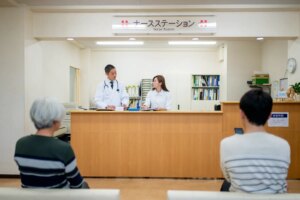
That may come as a surprise if you’re used to a different system at home. In Japan, the normal route is clinical assessment first, then prescription, then pharmacy pickup.
This article is for general information only and is not medical advice. In a medical emergency in Japan, call 119.
Key takeaways
- Antibiotics are generally not available over the counter in Japan.
- A doctor decides whether antibiotics are needed and which medicine to prescribe.
- Antibiotics for urinary tract infections require a prescription.
- Amoxicillin is not sold over the counter in Japan.
- Visitors and residents can obtain antibiotics following a medical assessment and prescription.
- Your total bill may include a consultation, tests, dispensing fees, and medication.
Wise account for healthcare payments in Japan
- Convert money to Japanese yen for medical expenses.
- Manage money in different currencies.
- Check exchange rates and fees before converting.

Can you buy over-the-counter (OTC) antibiotics in Japan?
No, you generally can’t buy over-the-counter antibiotics in Japan. Antibiotics are prescription-only medicines, so a pharmacy can only dispense them after a doctor has prescribed them. This includes common oral antibiotics.
A doctor decides whether you need an antibiotic and which one is right for you. That matters because not every cough, sore throat, or urinary symptom needs one. Internationally accredited organizations such as the UK’s NHS say antibiotics don’t work for viral infections such as colds and flu, and are no longer routinely used to treat sore throats.
What antibiotics can you get from a pharmacy in Japan?
At a pharmacy in Japan, you can only get the antibiotic named on your doctor’s prescription. Some clinics provide prescriptions in-house, so you may not always need to go to a separate pharmacy.
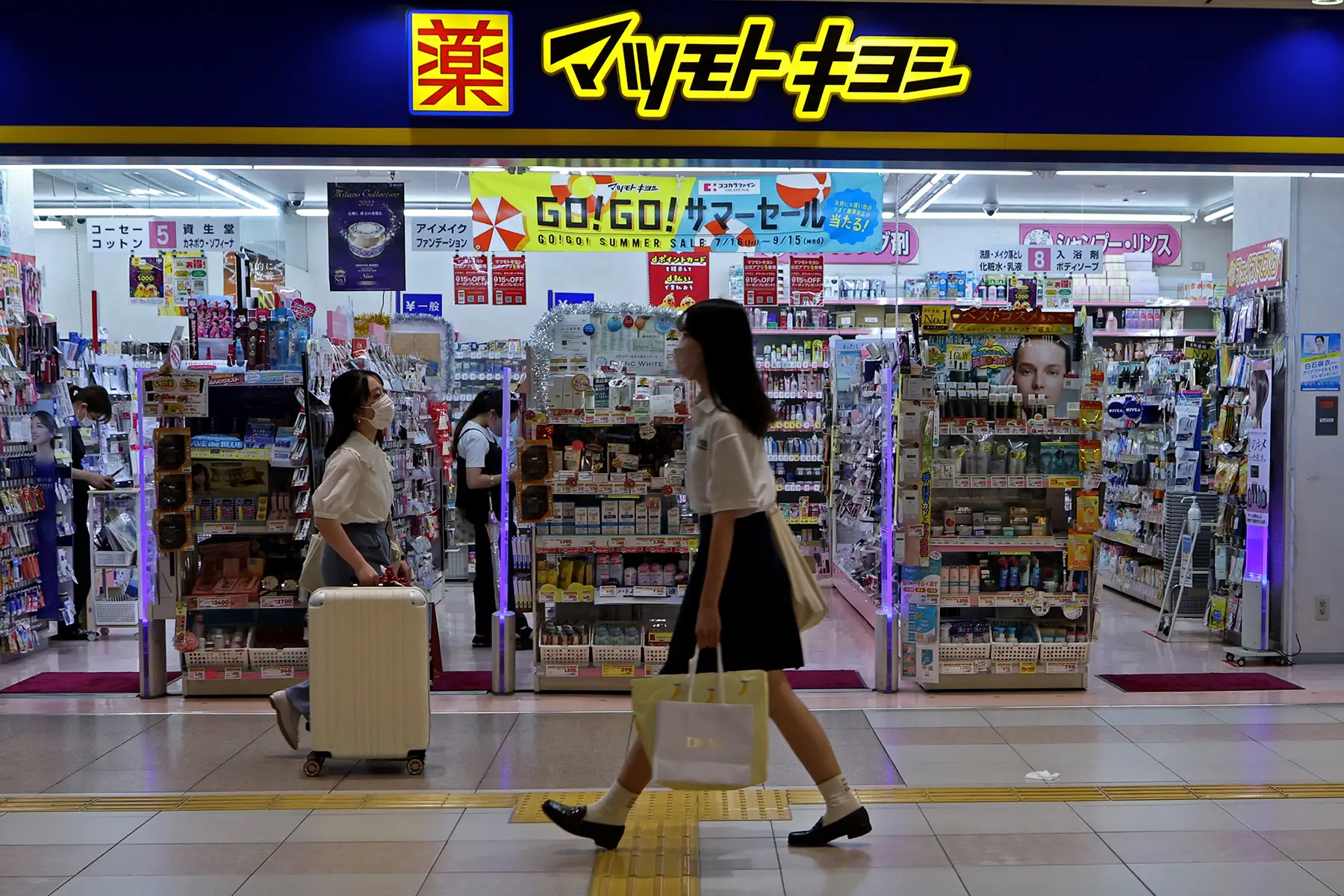
Pharmacies and drugstores also sell other OTC products, such as treatments to ease symptoms while you wait for an appointment. These products are not antibiotics and don’t replace one.
Once you have your antibiotic, take it as directed on the packet or leaflet, or as your doctor or pharmacist instructs.

Can you get UTI antibiotics over the counter in Japan?
No, you generally can’t get antibiotics for a urinary tract infection (UTI) over the counter in Japan. Antibiotics for a UTI need a doctor’s prescription, so you have to be assessed before a pharmacy can dispense one.
Japan does have OTC products that ease urinary discomfort, such as burning or irritation. These products are not antibiotics and don’t treat the infection itself. The PMDA (Pharmaceuticals and Medical Devices Agency) regulates OTC and prescription medicines separately.
When should you see a doctor for UTI symptoms?
See a doctor as soon as you notice UTI symptoms, and get help straight away if you have any of these signs:
- Fever
- Flank or back pain
- Blood in your urine
- Vomiting
- Confusion
- Severe weakness
- Rapidly worsening symptoms
- Pregnancy-related concerns
A UTI can start mildly and then get worse, so it’s better to get checked than to self-diagnose. Having UTI symptoms doesn’t automatically mean you need antibiotics, and the doctor will decide after assessing you.
Is there an OTC version of amoxicillin in Japan?
No, there is no over-the-counter version of amoxicillin in Japan. Amoxicillin is a prescription antibiotic, and PMDA product information lists amoxicillin-based products as drugs used under a doctor’s prescription.
Amoxicillin belongs to the penicillin group of antibiotics. A doctor may prescribe it after assessing your symptoms and medical history, including any allergies. You can’t buy it directly without a consultation.
How to get antibiotics in Japan
To get antibiotics, you need to see a doctor in Japan, get assessed, and take the prescription to a pharmacy. This is the same route for residents and visitors.
See a doctor
Get assessed
Receive a prescription if appropriate
Collect the antibiotics from a pharmacy or dispensing counter
What happens at the clinic?
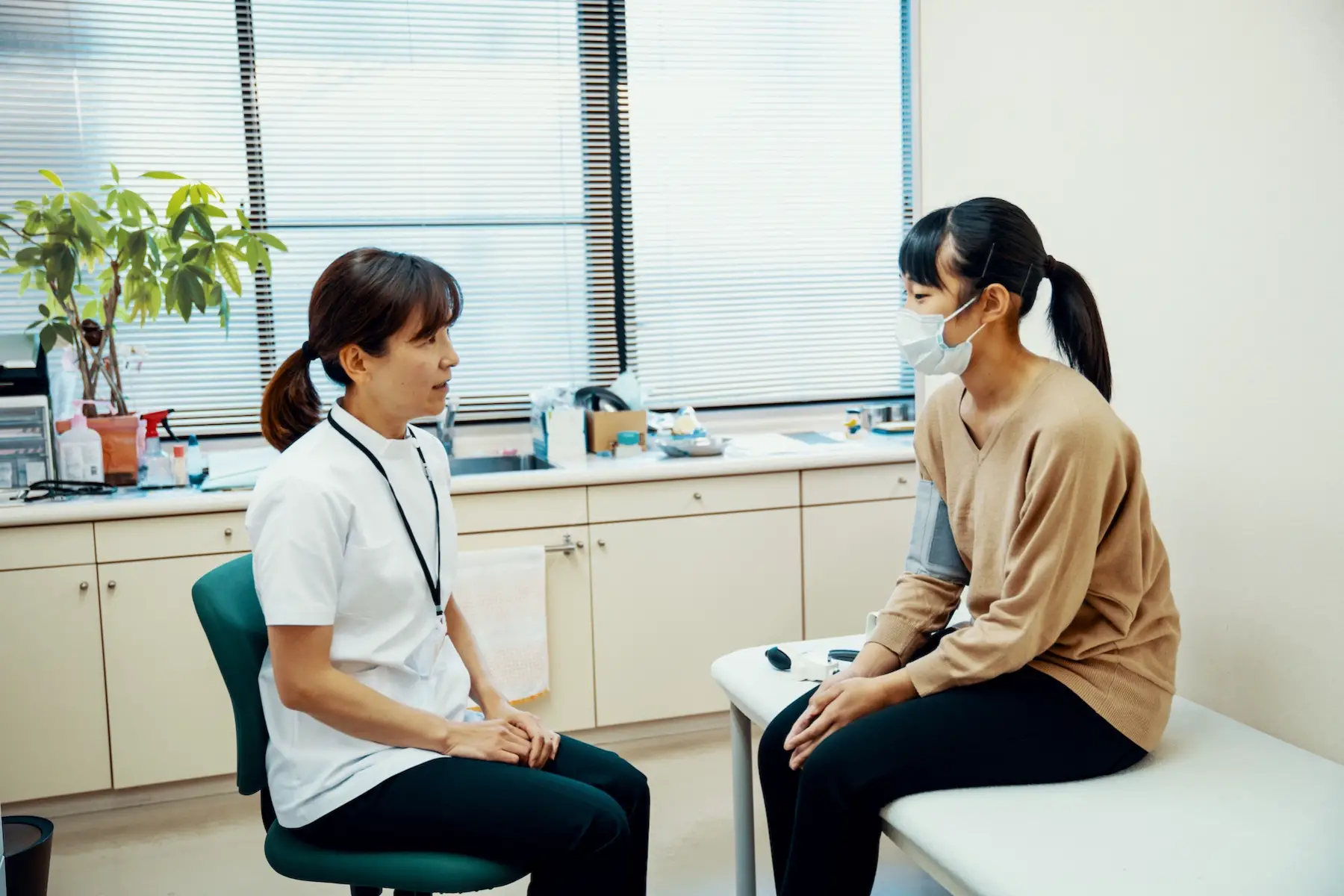
The doctor asks about your symptoms, when they started, whether they’re getting worse, and whether you have allergies or other health issues. If infection is possible, they may also ask about fever, pain, or urinary symptoms.
The doctor then decides whether you need antibiotics, so you can’t request a specific one by name. A sore throat, cough, or urinary irritation doesn’t always mean a bacterial infection, so it’s best to follow your doctor’s advice on whether antibiotics are needed.

What happens after the prescription?
Take the prescription to a pharmacy or dispensing counter. Some clinics provide prescriptions in-house, and payment at a pharmacy is made separately.
Bring the following:
- Visitors: Your passport and any insurance details
- Residents: Your insurance information and a list of your current medicines and allergies
If you travel with your own medicines, check the rules on bringing medication into Japan.
How much do antibiotics cost in Japan?
The cost of antibiotics in Japan depends on your whole visit, not just the medicine, so there is no single flat price.
You usually pay for:
- The consultation
- Any tests the doctor recommends
- The prescription dispensing fee
- The antibiotic itself
With Japanese public health insurance, your out-of-pocket cost is often lower than for private or uninsured patients. You generally pay a copayment covering both the medication and the pharmacy’s dispensing fees.
If you’re visiting Japan, you may need to pay upfront in yen and claim later through travel insurance or private coverage. If you need to convert money to yen for medical costs, or claim back in another currency, Wise may help you convert currency at the mid-market exchange rate. Check the fees and the exchange rate shown before you convert, and keep your receipts for your claim.
Health insurance for long stays in Japan
If you’re staying in Japan for longer, a private health plan can cover consultations, prescriptions, and private care on top of public insurance. Cigna Global is one option to compare for broader health coverage, especially if you want support with consultations, prescriptions, or private care.
Compare Cigna Global plans before you settle in, so you know what is covered if you need antibiotics or a doctor’s visit.
What are the closest OTC options while you wait for an antibiotic prescription?
There is no OTC substitute for antibiotics in Japan, but you can use OTC products to ease symptoms while you wait for your appointment. These products relieve discomfort and don’t treat a bacterial infection. Ask the pharmacist which product suits your symptoms.
Keep these limits in mind:
- Symptom relief is not treatment
- Feeling better doesn’t mean the infection has gone
- Worsening symptoms need a doctor, so don’t assume an OTC product is enough
If your symptoms get worse while you wait, see a doctor straight away.
FAQ
Frequently asked questions about over-the-counter antibiotics in Japan
Can a pharmacist prescribe antibiotics for children in Japan? 
No, a pharmacist can’t prescribe antibiotics for children in Japan. A doctor has to assess the child first. The pharmacy then dispenses what the doctor has prescribed.
Can tourists get antibiotics in Japan?
Yes, tourists can get antibiotics in Japan, but only with a prescription from a doctor. Tourists can’t buy antibiotics over the counter, so see a clinic or hospital first. You may need to pay upfront and claim later through travel insurance or private coverage, so keep your passport and insurance details with you.
Sources
Expatica’s experts are all about providing the most up to date and accurate information. All guides are fact checked, and whenever we use external sources (like government websites or research papers) we’ll make a note of them here so you can check them out too.
- Guidance on antibiotic medicines, bacterial infections, and appropriate use, NHS – Antibiotics
- Medical assistance and healthcare information for travelers in Japan, Japan National Tourism Organization – Medical guide for travelers
- Japanese pharmaceutical regulation and medicine information, Pharmaceuticals and Medical Devices Agency – English
- Japanese healthcare administration and public health information, Ministry of Health, Labour and Welfare – English