
'%20id='ico-down'%20stroke='%23000000'%20stroke-width='1.5'%3e%3cg%20transform='translate(1092.250000,%20254.750000)'%3e%3cpolyline%20id='Path-2-Copy-4'%20transform='translate(5.500000,%202.750000)%20scale(1,%20-1)%20rotate(-180.000000)%20translate(-5.500000,%20-2.750000)%20'%20points='0%200%205.5%205.5%2011%200'%3e%3c/polyline%3e%3c/g%3e%3c/g%3e%3c/g%3e%3c/svg%3e)




'%20fill='%23000000'%3e%3cg%20id='icons'%20transform='translate(56.000000,%20160.000000)'%3e%3cpath%20d='M144,7339%20L140,7339%20L140,7332.001%20C140,7330.081%20139.153,7329.01%20137.634,7329.01%20C135.981,7329.01%20135,7330.126%20135,7332.001%20L135,7339%20L131,7339%20L131,7326%20L135,7326%20L135,7327.462%20C135,7327.462%20136.255,7325.26%20139.083,7325.26%20C141.912,7325.26%20144,7326.986%20144,7330.558%20L144,7339%20L144,7339%20Z%20M126.442,7323.921%20C125.093,7323.921%20124,7322.819%20124,7321.46%20C124,7320.102%20125.093,7319%20126.442,7319%20C127.79,7319%20128.883,7320.102%20128.883,7321.46%20C128.884,7322.819%20127.79,7323.921%20126.442,7323.921%20L126.442,7323.921%20Z%20M124,7339%20L129,7339%20L129,7326%20L124,7326%20L124,7339%20Z'%20id='linkedin-[%23161]'%3e%3c/path%3e%3c/g%3e%3c/g%3e%3c/g%3e%3c/svg%3e)
'%20fill='%23000000'%3e%3cg%20id='icons'%20transform='translate(56.000000,%20160.000000)'%3e%3cpath%20d='M335.821282,7259%20L335.821282,7250%20L338.553693,7250%20L339,7246%20L335.821282,7246%20L335.821282,7244.052%20C335.821282,7243.022%20335.847593,7242%20337.286884,7242%20L338.744689,7242%20L338.744689,7239.14%20C338.744689,7239.097%20337.492497,7239%20336.225687,7239%20C333.580004,7239%20331.923407,7240.657%20331.923407,7243.7%20L331.923407,7246%20L329,7246%20L329,7250%20L331.923407,7250%20L331.923407,7259%20L335.821282,7259%20Z'%20id='facebook-[%23176]'%3e%3c/path%3e%3c/g%3e%3c/g%3e%3c/g%3e%3c/svg%3e)

International money transfers in France
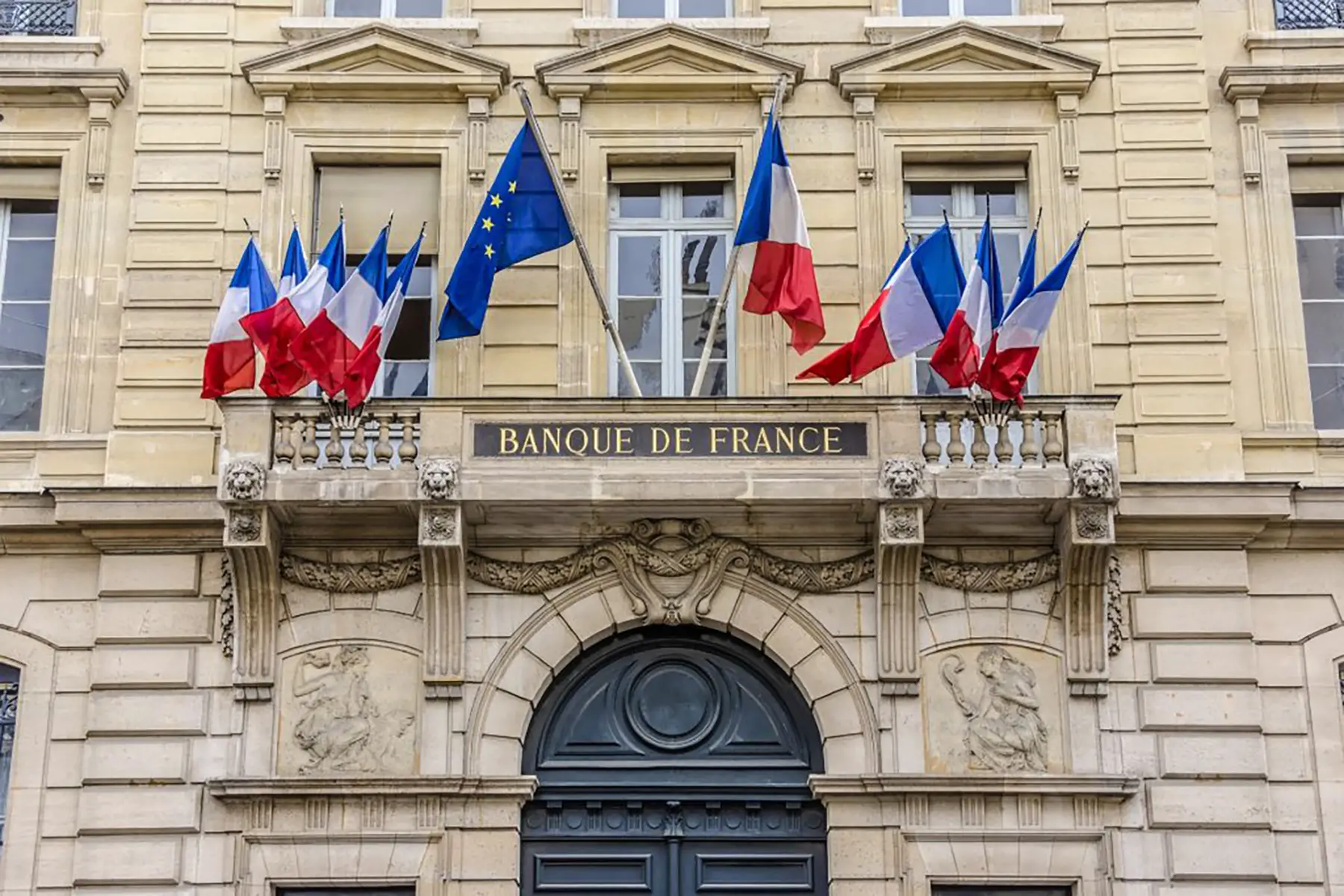
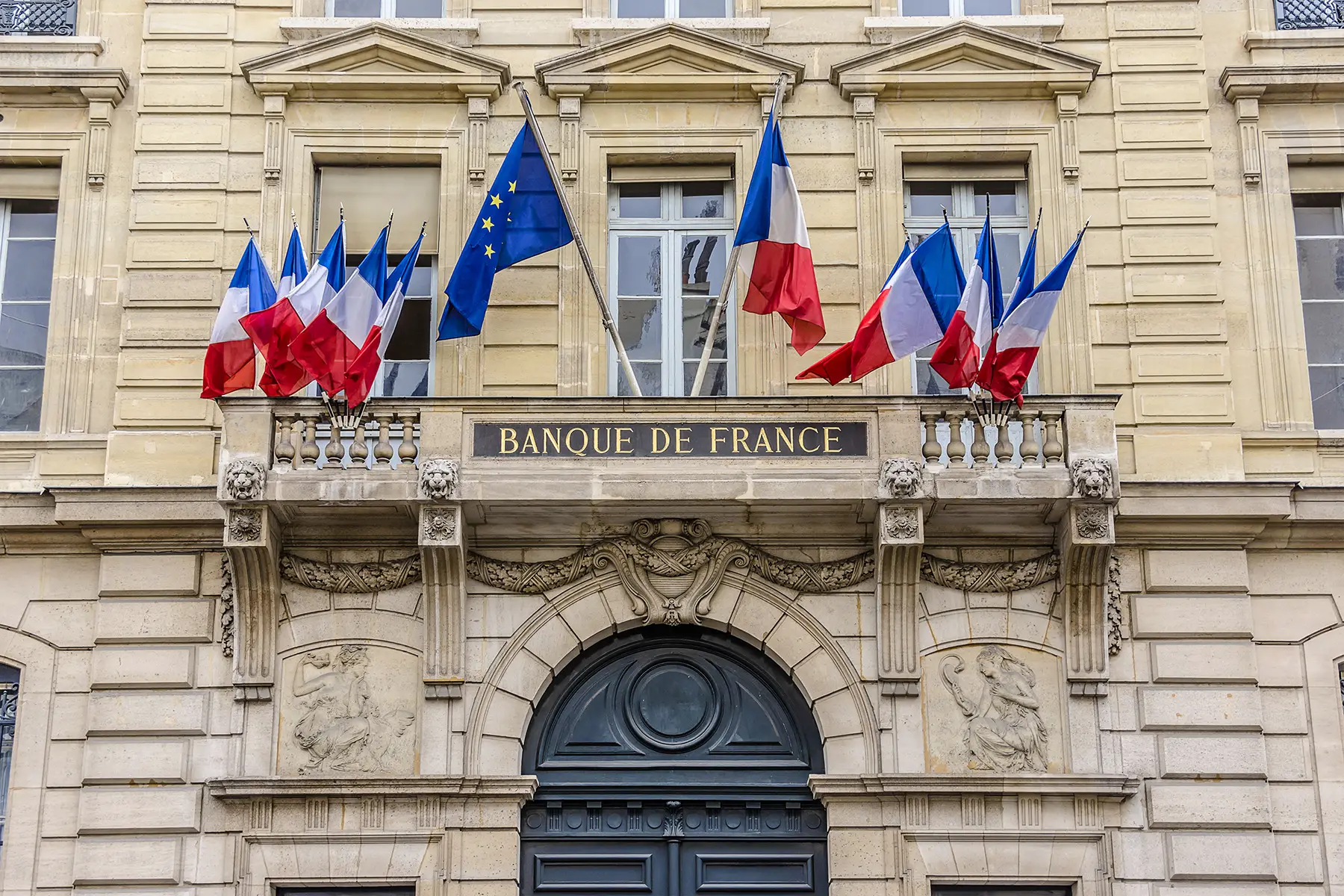
France’s banking sector is supervised at both national and euro-area level. The Prudential Supervision and Resolution Authority (Autorité de Contrôle Prudentiel et de Résolution – ACPR), which is backed by the Banque de France, supervises banks, insurers, and payment institutions in France. Under the Single Supervisory Mechanism, the European Central Bank (ECB) directly supervises significant banks and works with national authorities such as the ACPR on other institutions. Banque de France is part of the Eurosystem, while the European Banking Authority (EBA) helps develop the common EU regulatory and supervisory framework.
As a major European economy, France attracts talent from across the globe. Many expats also choose to retire in France. Whether working or enjoying their golden years, internationals make money transfers in France daily. The World Bank’s latest available data show that France received about US$38.8 billion in personal remittances in 2024 and paid about US$19.7 billion in 2024. These datasets are periodically revised, so check the World Bank links for the latest available figures.
Online international money transfer services in France
Online money transfer providers in France, such as PayPal or OFX, can offer convenient digital transfers. Delivery time, fees, available currencies, and payment methods depend on the provider, destination, funding method, and compliance checks, so review the full quote before confirming a transfer.
Fees vary between providers. For example, PayPal does not charge for domestic personal transactions that do not involve a currency conversion. For international personal transactions from France, PayPal’s consumer fee schedule lists a 5% fee, subject to a minimum of €1.99 and a maximum of €3.99, with separate currency-conversion charges where applicable. Check the current fee schedule before sending because pricing can change.

Wise uses the mid-market exchange rate and displays the transfer fee before you pay. As of August 2026, Wise’s France pricing page advertises sending fees starting from 0.2%, with the actual fee depending on the currencies, amount, and payment method. Compare the final quote for your specific transfer, as fees can change.
A Wise account lets you hold and manage more than 40 currencies and provides account details for receiving selected currencies. Receiving costs depend on the currency and payment type: some local receipts are free, while certain SWIFT receipts have fixed fees. Wise reports that 74% of transfers arrive in under 20 seconds and 95% in less than a day, although actual delivery time varies by route and payment method.

For international money transfers, some services could prove cheap and convenient, such as:
International money transfers in France by traditional bank
Most people first think of their bank when sending money abroad. Bank transfers are an easy option, but they are not always the most cost-effective or convenient method. On the upside, bank-to-bank transfers are known for being highly secure. However, as banks also offer a full range of financial services they can’t offer the same amount of support and focus as dedicated money transfer services in France.
Banks can have less competitive exchange rates or higher transfer fees than specialist transfer providers. For non-euro payments, the total cost can include a transfer fee, correspondent-bank charges, and currency-conversion costs or an exchange-rate margin. These costs vary by bank, route, amount, and channel, so compare the total amount the recipient will receive rather than relying only on the headline fee.
International bank transfers are possible online, in a branch, or via phone. These transfers clear within a few days.
Transfers within and outside SEPA
Euro transfers to accounts in the Single Euro Payments Area (SEPA) use harmonized payment schemes. SEPA currently covers 41 European countries, including several outside the EU and EEA. However, EU rules requiring equal charges for comparable domestic and cross-border euro payments do not automatically apply in non-EU/EEA SEPA countries.
For transfers from France to accounts outside SEPA, banks normally use international or correspondent-bank arrangements and may apply transfer, intermediary, receiving-bank, and foreign-exchange charges. Banque de France notes that non-SEPA international transfers are generally more expensive than SEPA transfers. French government guidance says they typically take around four working days, although actual timing varies by route and bank.
Cost of international bank transfers in France
French banks set most fees themselves, and international-transfer pricing can change by bank, amount, currency, destination, and channel. Check your bank’s current tariff guide before sending.
For common retail banking fees, France’s official public bank-fee comparator covers around 150 institutions representing more than 98% of the market. It includes SEPA transfer charges. For non-SEPA international transfers, check the bank’s full tariff guide for transfer, correspondent, receiving, and foreign-exchange charges.
How long do international bank transfers take in France?
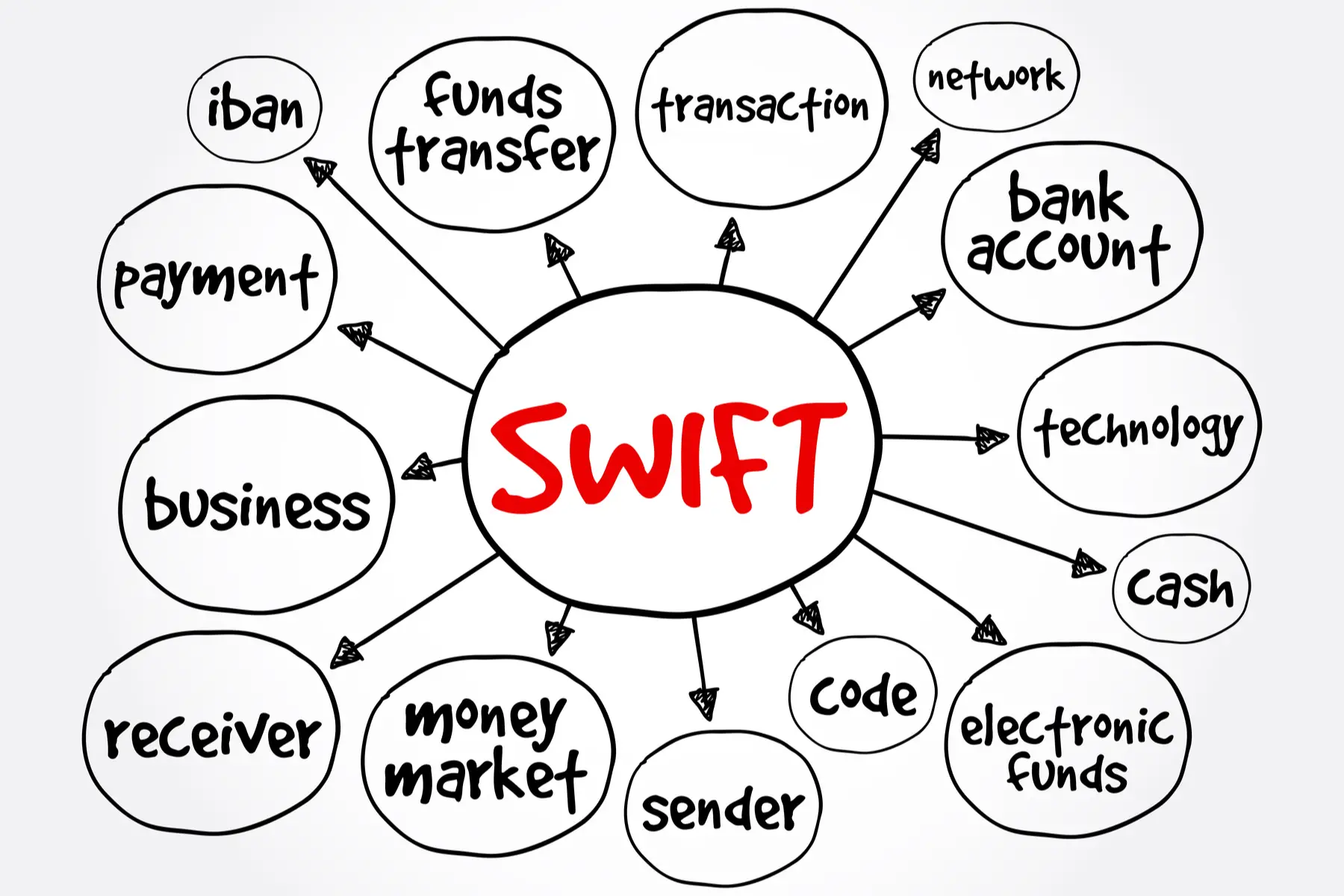
Many non-SEPA bank transfers use SWIFT, a secure financial messaging network. SWIFT does not hold customer funds or manage customer accounts; the actual transfer is carried out by the banks and any correspondent banks involved. Timing therefore depends on the route, currency, banks, and compliance checks. French government guidance says a non-SEPA international transfer generally takes around four working days.
For a standard SEPA credit transfer, the maximum execution time is one business day after the payer’s bank receives the order, or up to two business days for a paper order. Instant euro transfers can make funds available within 10 seconds, 24/7/365. In France, instant-transfer charges cannot be higher than those for a corresponding standard transfer; for banks, the obligation to enable sending instant euro transfers and beneficiary verification took effect on 9 October 2025.
How to make an international money transfer by bank
The details you need depend on whether the payment is a SEPA or non-SEPA transfer.
For a SEPA transfer, you generally need the recipient’s name (or business name) and IBAN. Since 9 October 2025, French banks verify whether the beneficiary name matches the IBAN before a SEPA transfer.
- For a non-SEPA transfer, your bank may also require the recipient’s address, IBAN or local account number, the bank’s BIC/SWIFT code, and sometimes the bank’s address.
- For larger or unusual payments, the bank may ask for the purpose of the transfer or supporting documents.

Your bank may also require strong authentication, identity checks, or supporting documents depending on how you initiate the transfer, the amount, and the destination. Follow your bank’s current instructions rather than assuming the same branch requirements apply everywhere.
How to receive an international money transfer in France through a bank
To receive a SEPA transfer in France, provide the sender with your name and French IBAN, which appears on your RIB (bank account details). For a non-SEPA transfer, the sender may also need your bank’s BIC/SWIFT code, your address, or the bank’s address, depending on the sending bank and destination.
For non-SEPA transfers, charges can be allocated using OUR, SHA, or BEN instructions, and correspondent or receiving-bank fees may also apply. Check the sender’s bank instructions and your own bank’s tariff guide before agreeing who pays the costs.
International money transfers via online and mobile banking in France
The growth of digital banking has been one of the most significant financial trends in Europe in recent years. France, one of Europe’s largest economies, has seen a big shift towards online banking. Most French banks now advertise digital services. New challenger banks have also entered the market. Like bunq a mobile-only bank that offers services to expats in Europe.

Many of the big banks offer digital as well as in-person services. Online banking is now mainstream across Europe: Eurostat reports that 74% of EU internet users used online banking services in 2025, up from 56% in 2015. Usage varies by country and age group, so Eurostat’s latest digitalisation data are a better reference for comparing France with other EU countries than older 2020–2021 snapshots.
There are a variety of mobile banking options in France, including:
- Popular national banks such as BNP Paribas, Société Générale, and CIC all offer mobile services and apps.
- Online or digital banks such as bunq, N26, and Revolut offer several language options, including English.
- Digital wallets such as Apple Pay and Google Wallet are available in France with supported cards from participating issuers.
While online banking offers convenience, it’s important to note that banks often charge high fees and unfavorable exchange rates for international transfers. For example, when sending money abroad in a different currency, a bank might charge a fixed fee PLUS an exchange rate markup.
Specialist payment providers such as Wise can offer a different cost structure from traditional banks. Wise uses the mid-market exchange rate and shows the transfer fee before confirmation; as of August 2026, advertised sending fees from France start from 0.2%, depending on the currencies, amount, and payment method. Compare the full quote with your bank for the specific route rather than assuming one option is always cheaper.
Wise
Send money abroad with Wise’s mid-market exchange rate and see exactly what you’re paying with transparent and competitive fees before you transfer. Start sending and receiving money internationally today and experience how quickly your funds can arrive.

Money transfer service charges
Costs vary significantly between traditional banks, mobile banks, and specialist transfer providers. Compare the transfer fee, exchange-rate markup, funding method, and delivery time for your exact route rather than assuming one type of provider is always cheaper.
Some accounts with mobile-only banks are available for free, however, more advanced plans come with a monthly fee attached. Many mobile banks offer global ATM withdrawals, P2P payments, and international money transfers either free or low cost. Some limit the number of free transactions per month, however.
For euro bank transfers in France, instant transfers cannot be priced higher than comparable standard transfers. Other charges may still apply for currency conversion, card funding, ATM use, or account-plan limits, depending on the provider.
Wire transfers in France
Many people are familiar with international money transfer operators such as Western Union. These international wire transfers are particularly useful when a recipient doesn’t have access to a bank account, is in a remote area, or needs cash quickly. One example is in the case of a stolen wallet, where the recipient needs immediate funds.
Money transfer operators can be convenient because many let you transfer online, through an app, or at an agent location. Fees, exchange rates, and delivery times vary by destination, amount, payment method, and payout method. Check the full quote, including the amount the recipient will receive, before confirming. Cash pickup may be available in minutes on some routes, while bank deposits or bank-funded transfers can take longer.
Both Moneygram and Western Union have a strong presence in France and can be considered trustworthy outlets. However, if you’re simply using a newsagent or shop that offers the service as opposed to a dedicated Western Union or Moneygram outlet, make sure they have the official signage of one of the two before handing any cash over.
How wire transfers work
Requirements vary by operator and route. At an agent location, the sender will normally need a valid government-issued ID and the recipient’s details; an operator may also ask for source-of-funds or purpose information depending on the amount and route.
For cash pickup, the recipient generally needs valid government-issued ID and the operator’s transfer reference number. Always follow the provider’s official instructions, as document requirements can vary by country, amount, and payout method.
The reference code
For Western Union, the tracking number is the 10-digit Money Transfer Control Number (MTCN). The recipient typically needs the MTCN, the sender’s full name and country, the expected amount, and valid government-issued ID for cash pickup. Other operators use their own tracking or reference numbers, so do not assume that MTCN applies to every service.
Keep the reference number private and share it only with the intended recipient. Use the operator’s official tracking service to confirm when a transfer is ready for collection.
Wire transfer fees
Fees and delivery times vary by route and method. Check the quote before sending using Western Union’s France fee information, Ria France, or MoneyGram France. A receipt confirms that the transfer was initiated; it does not guarantee that cash is immediately available or that a bank deposit has settled.
Foreign exchange brokers in France
Some foreign exchange brokers also offer money transfers in France. However, before you use any broker, look online for the mid-market rate, also known as the interbank rate. This is the real exchange rate that banks use to transfer money between themselves and serves as a good guide. You can find it on Google Finance, Reuters, and XE, among other sites so that you know the exchange rates and know what you should expect.
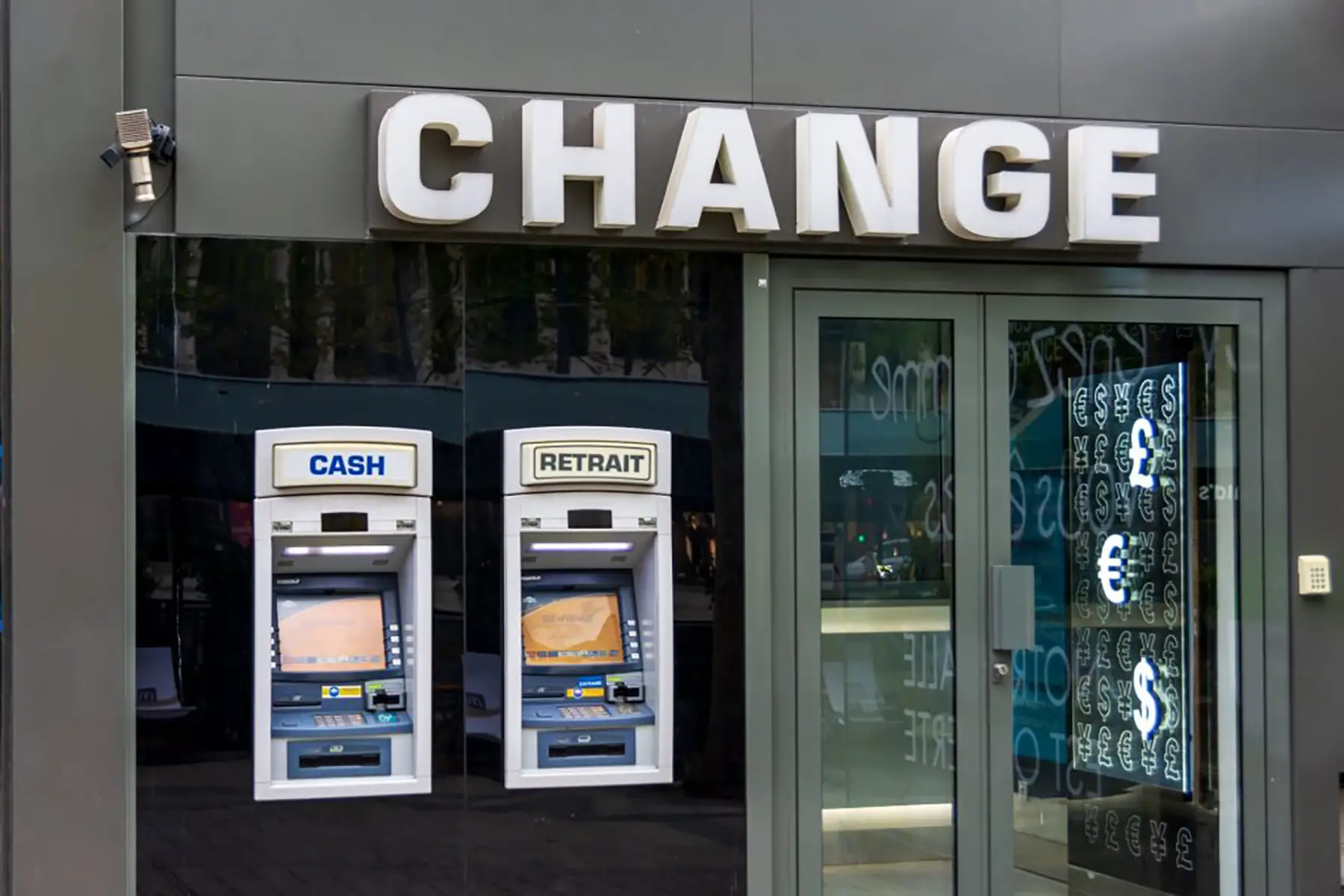
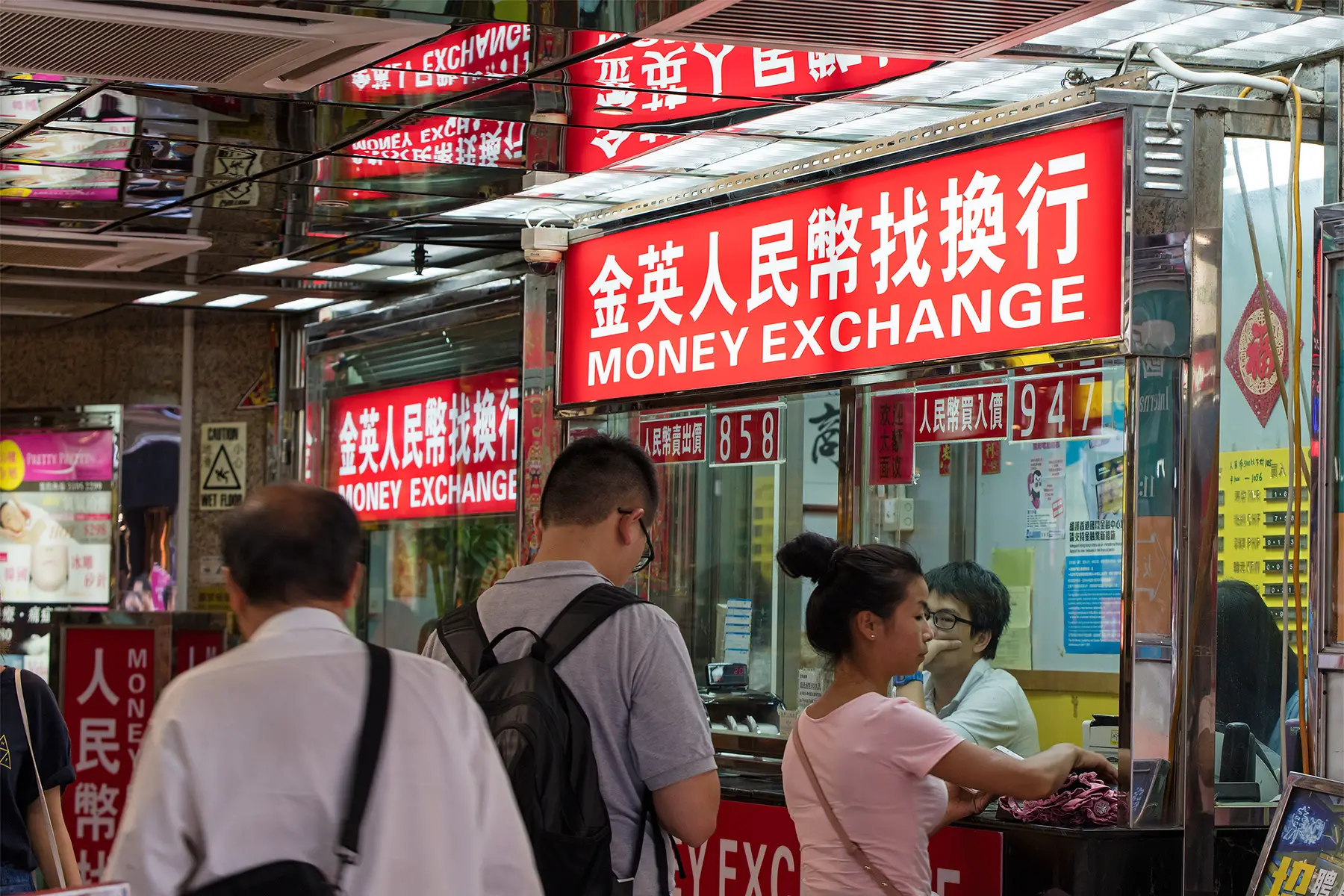
Foreign exchange brokers, or bureaux-de-change, can be found throughout France. Some travel sites caution against using foreign exchange kiosks in ports, airports, ferries, and other traveler-oriented locations. This is because they frequently take substantial commissions, or use an exchange rate that is well below the official rate.
How money transfers work at forex brokers
Some currency-exchange businesses and money transfer operators let you start transfers in person, online, or through an app. Ria, for example, offers transfers from France online and through its app, with in-person options available through its network. Agent relationships can change, so use the provider’s official locator rather than relying on an old third-party agent page.
So how does it work?
The exact process depends on the operator and payout method. Typically, you provide the recipient’s details, complete any required identity checks, choose how to pay and how the recipient will receive the money, review the fees and exchange rate, and then receive a tracking or reference number.

If you use an in-person agent, the process will usually include the following:
- Confirm the amount, destination, and payout method.
- Provide the recipient details and the valid ID or source-of-funds information required by the operator.
- Review the fee, exchange rate, and amount the recipient will receive before paying.
- Keep the operator’s tracking or reference number and use its official status tracker before collection.
For cash pickup, the recipient must follow the operator’s requirements, usually including valid government-issued ID and the transfer reference. Western Union calls its reference an MTCN, while other providers use different tracking numbers. Do not rely on a fixed 20-minute promise: availability depends on the provider, route, payment method, payout method, and compliance checks.
Conclusion
France offers plenty of safe ways to send and receive money internationally, but the “best” option depends on where you’re sending, how fast you need it, and whether you care more about speed or total cost. For euro transfers within SEPA, standard or instant SEPA payments are often the simplest route. For transfers outside SEPA or involving currency conversion, compare the full cost (fees plus exchange-rate markup), and consider specialist online providers or FX brokers for better transparency—especially for larger amounts. If your recipient needs cash quickly or doesn’t have a bank account, cash-transfer operators can work well, but double-check fees, the exchange rate, and the expected delivery time before confirming.
Useful resources
- Banque de France – guidance on SEPA transfers and payment methods: SEPA transfer guidance
- ACPR – supervision of banks and payment institutions in France: ACPR supervision
- European Central Bank (ECB) – SEPA scope and participating countries: SEPA overview
- European Central Bank (ECB) – instant euro payments: instant payments
- French public bank-fee comparator – compare common retail banking charges: Tarifs bancaires
- SWIFT – information on the international financial messaging network: SWIFT
- World Bank – personal remittances received and paid by France: received and paid
- PayPal France – current consumer fees: PayPal consumer fees
- Wise France – current pricing and transfer information: Wise pricing
- Western Union France – transfer fees and rates: fee information
- MoneyGram France – online transfer quotes and delivery estimates: MoneyGram France
- Ria France – transfer options and pricing: Ria France
- Exchange-rate references – check market rates using Google Finance, Reuters, or XE.


