
'%20id='ico-down'%20stroke='%23000000'%20stroke-width='1.5'%3e%3cg%20transform='translate(1092.250000,%20254.750000)'%3e%3cpolyline%20id='Path-2-Copy-4'%20transform='translate(5.500000,%202.750000)%20scale(1,%20-1)%20rotate(-180.000000)%20translate(-5.500000,%20-2.750000)%20'%20points='0%200%205.5%205.5%2011%200'%3e%3c/polyline%3e%3c/g%3e%3c/g%3e%3c/g%3e%3c/svg%3e)



Paying for art across borders?
If you’re buying from a non-euro country (or paying a deposit to a seller abroad), the exchange rate and transfer fees can materially change your total cost. A Wise account can help you convert currencies with transparent fees and send international bank transfers more easily.

Key takeaways
Start here for the main risks, costs, and checks to consider before reading the full guide.
- Galeries : Idéal pour un premier achat avec accompagnement, mais pensez à la TVA, la livraison, l’encadrement et le stockage. Vérifiez la facture, la provenance, les détails d’édition et les documents d’authenticité; le paiement transfrontalier est généralement limité sauf vendeur à l’étranger.
- Enchères : Adapté si vous êtes à l’aise avec la compétition, mais le coût final peut grimper avec les frais acheteur, la TVA, l’expédition et l’assurance. Lisez les conditions de vente, vérifiez le prix de réserve, demandez le rapport d’état et essayez de voir le lot; le paiement transfrontalier est souvent moyen à élevé.
- Achat direct auprès de l’artiste : Bon choix pour construire une relation et acheter de manière plus personnelle, mais anticipez expédition, encadrement et échéances de paiement. Confirmez l’identité de l’artiste, la taille de l’édition (si tirage) et obtenez une facture; le transfrontalier augmente si l’artiste est hors de France.
- Achat en ligne à l’international : Offre plus de choix, mais ajoute fréquemment TVA à l’import, formalités douanières, assurance et coûts de change. Vérifiez les conditions du vendeur, la provenance et les risques de transport; le paiement transfrontalier est généralement élevé.
- Offres fractionnées / poolées : À envisager uniquement si vous comprenez la structure (frais, contraintes de sortie, cadre légal), car l’illiquidité peut être importante. Clarifiez qui détient l’œuvre, vos droits réels et comment vous pouvez sortir/revendre; la dimension transfrontalière varie selon la plateforme.
This guide is for information only, not financial, legal, tax, or customs advice. Check current French VAT, import, export, inheritance, and resale rules with official sources and a qualified adviser before you act.
Decide whether art fits your goals
Art can sit somewhere between a passion purchase and an asset, but in practice it can be slow to sell, difficult to price, and costly to own. You may need storage, insurance, condition checks, and patience before any resale is possible.
Art may suit you if you want something you will live with, can afford to hold for a long period, and do not need to turn it back into cash quickly. If your priority is easy access to money or simple price tracking, more liquid options may be a better fit.
- You value personal enjoyment as much as any possible future resale.
- You can keep the money committed for a long period.
- You are comfortable with uneven pricing, specialist research, and slower exits.
- You have room in your budget for insurance, shipping, and possible restoration.
- You will treat pooled or investment-style art offers cautiously and check their legal status before paying.
Example only: if you have €8,000 set aside and may need it for a home deposit within three years, art is likely a poor fit. If the same €8,000 is genuinely long-term money and you also want to own the work, the trade-off may be easier to accept.

Choose how you want to buy art in France
The French art market gives you three main entry points: galleries, auctions, and direct artist purchases. Auctions often run through a maison de ventes, or auction house, and the most suitable route depends on your experience, budget, and tolerance for surprises.
| Route | Cost visibility | Paperwork | Negotiation flexibility | Risk level |
|---|---|---|---|---|
| Galleries | Usually clear before you agree | Strong if the gallery is organised | Often possible | Lower |
| Auctions | Often clear only after premiums and extras are added | Formal, but you must read the terms | Rare | Higher |
| Direct artist purchases | Can be flexible but inconsistent | Depends on the artist and any gallery support | Often highest | Medium |
This comparison is a practical overview rather than a rating. The quality of paperwork, service, and buyer protection depends on the seller and the terms of the sale.
Buy through galleries
For many first-time expats, galleries can be a lower-friction place to start. Prices are usually discussed upfront, staff can explain the artist and the work, and the sale can move at a calmer pace than an auction.
Ask for the invoice, provenance trail, edition details if the work is a print or photograph, and a certificat d’authenticité when relevant. If you are comparing galleries in Paris, also confirm deposit terms, release timing, and whether framing or delivery is included.
Buy at auctions in France
Art auctions in France can look cheaper than galleries because the hammer price is only the winning bid. Your final invoice can also include the buyer’s premium, VAT, shipping, insurance, and storage. Paris auction-house terms also make clear that condition reports are indicative and do not replace your own inspection.
Before you bid at Drouot or another Paris salesroom, read the terms carefully and view the lot in person if you can. Public previews are a useful opportunity to spot restoration, framing damage, paper issues, or colour changes that catalogue photos may hide.
- Check the buyer’s premium and any VAT wording before you register.
- Ask whether there is a reserve, meaning a confidential minimum price below which the lot will not sell.
- Request the condition report, but treat it as a starting point rather than proof that the work is problem-free.
- Confirm collection, storage, and payment deadlines because late pickup can add fees.
- Check whether the lot has import, export, or materials restrictions that could affect shipping.

Build a realistic budget for a France-based purchase
The artwork price is rarely the full price you pay. A gallery quote or auction estimate can be only the starting point, so calculate the total landed cost in euros before you transfer any money.
The same purchase can cost more or less depending on the exchange rate and fees applied by the provider. If the funds start outside the eurozone, compare the full euro amount quoted by your bank and any specialist provider before paying. A Wise account may help if you need to hold, convert, or send another currency, but its role may be smaller if you are already paying locally in euros from a French account.
Quick check: what will this artwork cost you in euros?
Before you pay a deposit or place a bid, estimate your total “landed” cost—price plus shipping, VAT, and currency conversion. Wise can help you compare conversion costs and send the final amount in the required currency.
| Line item | What it covers | Why it matters | Check before paying |
|---|---|---|---|
| Artwork price | Gallery price or hammer price | It is only part of the bill | Is the figure final or before extras? |
| Buyer’s premium | Auction-house commission | It can materially change the invoice | What percentage applies to this sale? |
| TVA | French value added tax | The rate depends on the transaction | Who is the seller, and what category is the work? |
| Shipping and insurance | Packing, transit, and cover | Large works and fragile media add complexity | Who books transport, and when does risk pass? |
| Framing, storage, restoration | Optional or post-sale extras | They matter for works on paper and older pieces | Are they already included? |
| Currency conversion and transfer costs | Exchange-rate spread plus transfer fee | They are easy to overlook when paying from another currency | What is the final euro outflow? |
The table identifies common cost categories rather than fixed charges. Confirm every line item on the gallery quote, auction conditions, invoice, and shipping agreement before paying.

| Additional cost | How it may be charged |
|---|---|
| Shipping and insurance | Usually quoted separately by the auction house or a specialist fine-art carrier. |
| Storage charges | May apply when the lot is not collected within the deadline stated in the auction house’s sale conditions. |
Shipping and storage may be invoiced separately and are not always shown on the original auction purchase statement. Check the auction house’s payment, collection, and delivery terms before bidding.
Check provenance, condition, and paperwork before you pay
Provenance means the ownership history of a work, and it matters because it can help you assess authenticity and resale risk. Condition matters just as much because repairs, tears, overpainting, foxing, or later restorations can affect value, insurability, and future saleability.
Do not rely only on the seller’s description. Common mistakes include paying before you see the paperwork, treating an invoice as complete proof of authenticity, and ignoring edition size on prints and photographs, where rarity and numbering can change the economics of the work.
Which documents should you ask for?
- Invoice: records the seller, buyer, price, and date, but does not by itself prove authenticity.
- Certificate of authenticity: a certificat d’authenticité may support attribution but is only as strong as the issuer.
- Provenance details: show earlier ownership and may reveal gaps or red flags.
- Condition report: describes visible issues but does not replace your own inspection or an independent conservator.
- Edition number and total edition size: help explain rarity for prints or photographs.
- Exhibition or publication history: may strengthen context but does not guarantee value.
- Import or export paperwork: where relevant, shows how the work moved across borders.
Understand the France-specific tax and regulatory questions
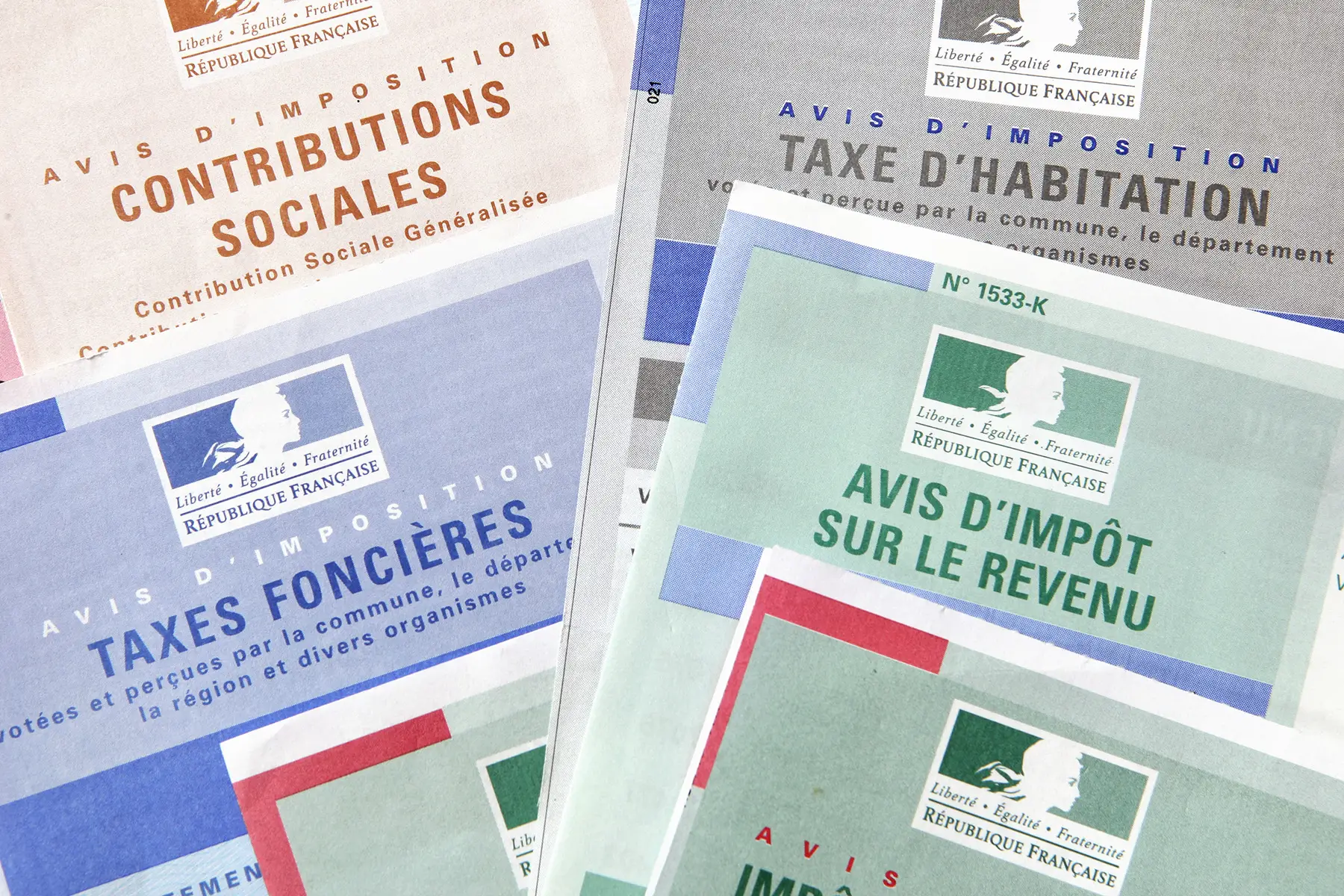
France treats buying, importing, and reselling art differently, and the outcome depends on who buys, who sells, where the work comes from, and whether you act privately or through a business. For the wider tax picture, see Expatica’s guide to French taxes, but confirm the art-specific rules with official sources and a qualified adviser.
- Buying in France: check whether the sale attracts reduced or standard TVA, France’s value added tax.
- Importing: check customs, transport, and which party is responsible for declarations and VAT.
- Holding through a business: separate rules can apply, including possible deductions that do not exist for private collectors.
- Reselling: the tax treatment may depend on whether you can prove the purchase date and price.
- Inheritance or gifts: family transfers can trigger different French rules, so estate planning matters for valuable collections.
- Fractional or pooled art offers: treat them cautiously and verify the legal status of the offer before sending money.
The AMF warns that atypical investments can be high-risk, illiquid, or fraudulent.
If you import art into France
If you import artwork into France from outside the country, the paperwork and tax position can change quickly. At the time of writing, official French guidance says that importing qualifying works of art, collectors’ items, and antiques into metropolitan France is generally subject to 5.5% TVA, while other operations can be taxed differently and must be checked.
Confirm the Incoterm in writing. This trade term sets out who arranges shipping, insurance, customs, and risk in transit. Also confirm whether the work is already in the EU or is entering from outside it because this changes the practical process and who may owe import charges.
If you later resell the work
Official tax guidance distinguishes between a flat tax that can apply to certain sales and an optional plus-value, or capital-gain, regime where the seller is eligible, exercises the option, and can provide the required evidence of the acquisition date and price.
That is why invoices, catalogues, shipping records, and inheritance paperwork matter. The same guidance indicates that a long holding period can reduce the taxable gain under the capital-gains route, so keeping a clear paper trail may save stress later. Do not try to calculate your bill from a blog post; check the current rules and get qualified advice.
Use a Wise account for cross-border art payments
Wise is most useful when an artwork is priced in a foreign currency or the seller is based outside France. If you’re paying a Paris gallery from a local euro account, you may not need it.
For cross-border purchases, a Wise account can help you hold and convert currencies with transparent fees and send an international bank transfer when a deposit or final invoice is due.
Before you send an international art payment, confirm:
- the invoice currency and the exact amount due (deposit vs final balance)
- the seller’s bank details and required payment reference (auction houses often require a bidder/lot reference)
- the payment deadline and what happens if it arrives late
- who pays transfer fees and whether the seller requires “full amount received”
- what proof you need to keep for your records (invoice + transfer confirmation can matter for resale/tax)
Paying an overseas gallery, artist, or auction house?
Cross-border art purchases often involve a deposit first, then a final invoice later—sometimes in a different currency. With Wise, you can hold the currency you need and send an international transfer when the payment deadline arrives.
Conclusion
Art can be a rewarding purchase in France, but it is not a simple or liquid investment. Start with a clear budget, choose a buying route that matches your experience, and assess the full landed cost rather than the headline price. Check provenance, condition, authenticity documents, and sale terms before sending money. Keep invoices and transport records because French import and resale rules may make them important later. For cross-border purchases, compare the complete currency-conversion and transfer cost, then confirm tax, customs, and legal questions with qualified advisers.
FAQ
Investing in art in France
Do you pay VAT when buying art in France? 
Yes, but VAT on art in France depends on the transaction. Official guidance treats imports, EU purchases, and other sales differently, so check the seller type, the origin of the work, and the current French rules before paying.
How much money do you need to start investing in art?
There is no universal minimum. The more useful question is whether you can cover the full cost, not only the ticket price, without using emergency savings or debt. Prints and lower-priced works may be a more realistic entry point than headline auction lots.
Can expats in France buy art abroad and ship it to France?
Yes, but check import VAT, customs paperwork, shipping risk, insurance, and payment costs before sending money. Confirm in writing who books the transport, who carries the risk in transit, and what happens if the work arrives damaged or delayed.
Sources
- Service Public Entreprendre: French VAT rates in the arts sector, including the 5.5% rate for qualifying imports into metropolitan France, checked on 10 July 2026.
- Service Public Entreprendre: tax deduction rules for businesses buying original works by living artists, checked on 10 July 2026.
- Direction générale des douanes et droits indirects: import VAT, who pays it, and how it operates in France, checked on 10 July 2026.
- Direction générale des douanes et droits indirects: special VAT exemption cases for approved cultural institutions importing artworks, checked on 10 July 2026.
- BOFiP: flat-tax framework for precious objects, art, collectors’ items, and antiques, including the €5,000 threshold and scope rules, checked on 10 July 2026.
- BOFiP: official tax guidance on the VAT rules applying to works of art, collectors’ items, and antiques, including the reduced 5.5% rate for qualifying sales, intra-EU acquisitions, and imports in France, checked on 6 August 2026.
- BOFiP: option to use the ordinary capital-gains regime and the need to prove the acquisition date and price, checked on 10 July 2026.
- AMF: risks associated with atypical and investment-style offers, checked on 10 July 2026.
- Drouot Estimations: auction sale conditions covering buyer’s premiums, payment, previews, release, and condition reports, checked on 10 July 2026.


