


If you have just moved to France with an American Express card, the question is practical: will it cover day-to-day life as well as travel? Sometimes yes, often no.
France is very card-friendly, but daily payments still revolve around Cartes Bancaires (CB), the domestic card network, plus Visa and Mastercard. A card that works smoothly at Galeries Lafayette in Paris may still be refused at a neighborhood café, bakery, or market stall.
This guide uses official French and American Express sources, to separate policy from everyday reality. It covers acceptance, fees, alternatives, and simple fallback planning.
This guide is for general information only and is not financial advice.
Key takeaways
- You can use Amex in France, but most expats should keep another network ready.
- Acceptance is strongest in hotels, department stores, larger supermarkets, and travel bookings.
- Small cafés, bakeries, market stalls, and some independent businesses may refuse it or enforce card minimums.
- A France-issued Amex used for euro purchases in France will not usually create a currency-conversion cost, but foreign-issued cards may add foreign exchange (FX) charges.
- A Visa or Mastercard covers most gaps, and a Wise Account can also suit expats who need euro spending and cross-border money management.
Can you use American Express in France?
Yes. The catch is that acceptance changes a lot by merchant type and location, so Amex works better as a secondary card than as your only payment method for daily life in France.
Where Amex is most and least likely to work in France
The following table compares where Amex is most and least likely to work in France, together with practical backup recommendations.
| Setting | Likely acceptance | Backup recommendation |
|---|---|---|
| Hotels and department stores | High | Helpful, but not urgent |
| Large chains and supermarkets | Medium to high | Carry another card |
| Small cafés and market stalls | Low to medium | Visa or Mastercard, plus cash |
| Rural independents and local administrative payments | Low | Plan a different payment method |
Where Amex is most likely to work
American Express is easiest to use where international customers are common and basket sizes are higher. That often means hotels, department stores, bigger supermarkets such as Carrefour or Monoprix, airline and travel bookings, and some chain restaurants.
If you want to check a specific area, the American Express merchant map can help, though it is not exhaustive. In central Paris, Amex is usually more predictable in department stores and travel touchpoints than in independent lunch spots.
- Hotels and serviced apartments
- Department stores such as Galeries Lafayette
- Bigger grocery chains and some gas stations
- Airline, rail, and travel bookings made online
Where you may need another card or cash

Acceptance often drops in smaller cafés, local bakeries, market stalls, pharmacies, independent shops, and outside the biggest cities. Some merchants also set a minimum card amount or simply skip Amex, as long as the payment conditions are shown clearly in advance.
Do not assume your Amex will cover every coffee, baguette run, or quick pharmacy stop. Small everyday transactions are where expats get caught out most often.
- Coffee and bakery stops
- Open-air markets and pop-up events
- Rural or village businesses
- Low-value card payments
Wise for everyday spending in France
- Hold euros for everyday spending in France
- Manage money across currencies in one app
- Save on conversion: Mid-market rate with transparent, upfront fees

How card payments work in France
If you are still getting used to how to pay in France: cards, cash and SEPA, Amex makes more sense once you see the wider payment culture. Cards are common, but local network habits still shape what works at the till.

What CB, contactless, and minimum card amounts mean in practice
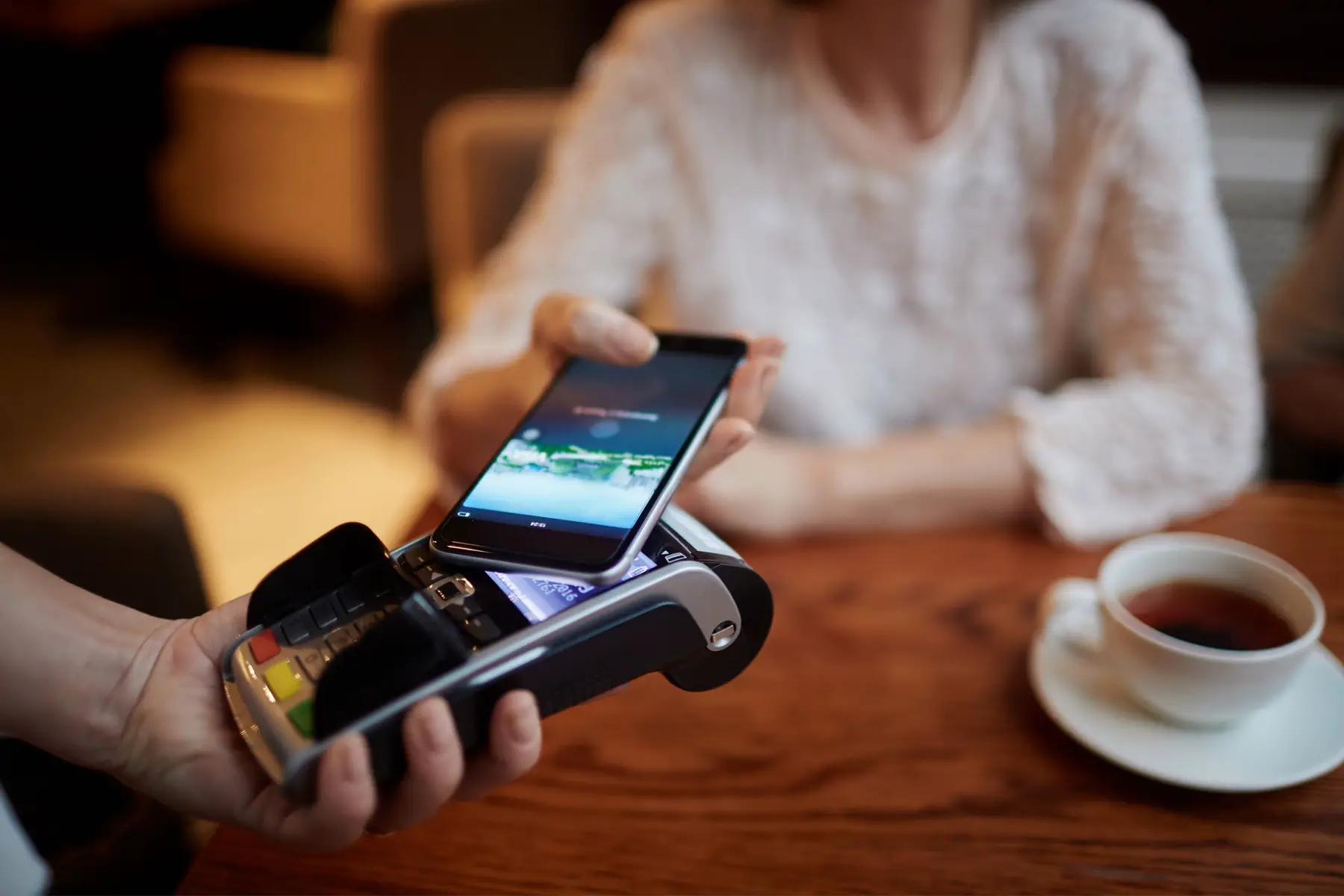
Cartes Bancaires, or CB, is the domestic card network many French merchants are set up for first. A terminal de paiement électronique (TPE) is the card machine at the till, and it may default to the networks the merchant has chosen to accept.
Official French guidance, last checked in October 2026, still sets the standard no-PIN contactless ceiling at €50. For payments above €50, additional authentication may be required. Depending on the terminal and card, you may be asked to enter your PIN or insert your card instead.
- CB: The French domestic card network, often co-badged with Visa or Mastercard on local cards
- Contactless payment: Tap to pay, usually without a PIN up to €50 on a standard card
- TPE: The in-store payment terminal
- Minimum card amount: A floor the merchant sets for card use, if customers are told in advance
Check the accepted logos before you order or pay. That one quick look can save an awkward decline.
Why acceptance can vary by merchant
A card decline does not always mean your account has a problem. French merchants choose which networks they accept, and their terminal settings, contracts, and costs all play a part.
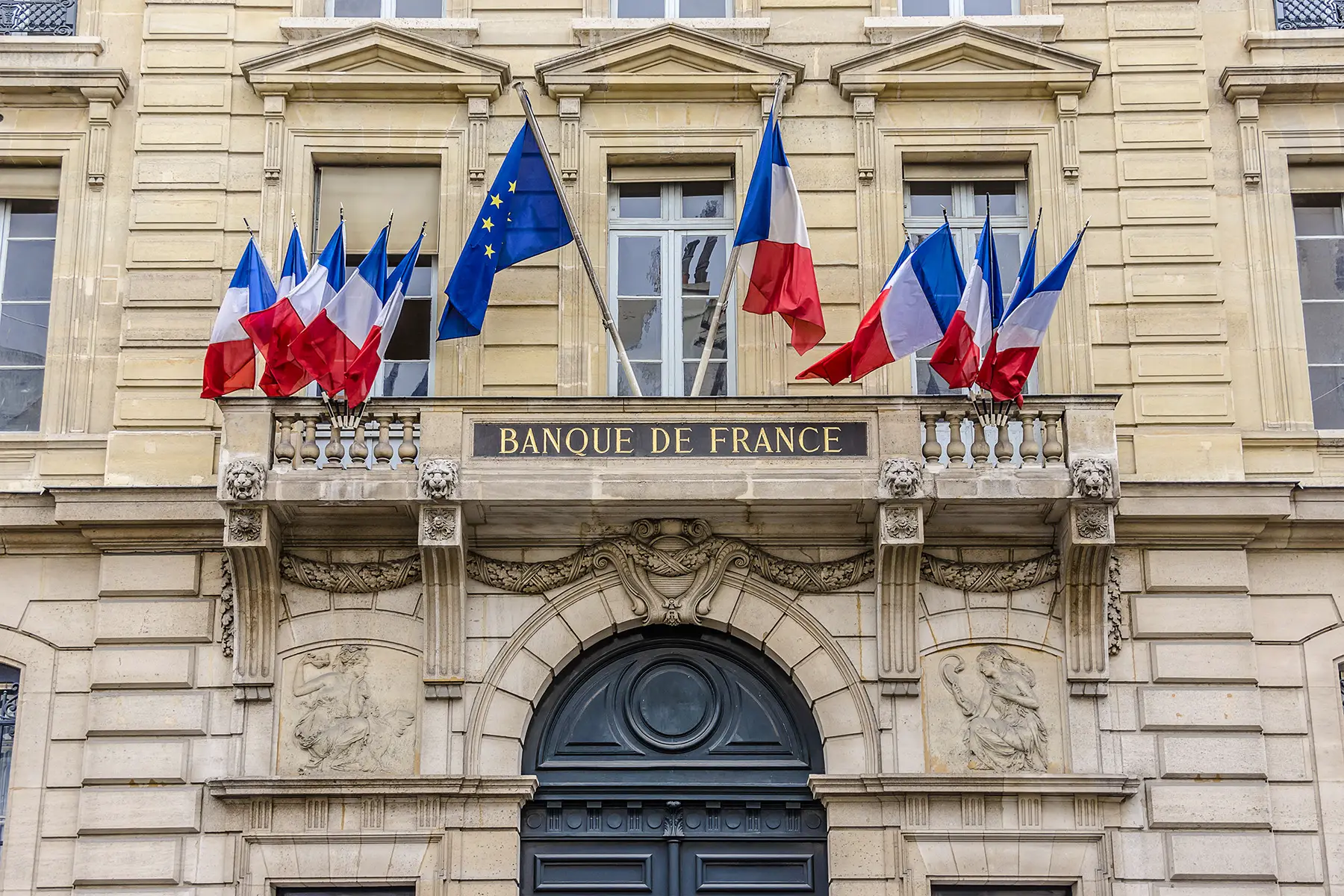
Banque de France notes that CB has long been central to the local market, which helps explain why Visa and Mastercard usually feel easier in everyday France than Amex. This is mainly about merchant setup, not card quality.
What fees should you check before using Amex in France?
Expats often compare completely different Amex products as if they follow one rulebook. The useful split is between France-issued Amex cards, which follow American Express France terms, and foreign-issued cards, which follow the pricing and FX rules of the country that issued them.
FX fees and exchange rates
For euro spending in France, a France-issued Amex is the simpler case. American Express France, last checked in October 2026, says purchases made in the euro area do not attract its currency-conversion commission, while spending outside the euro area does.
A foreign-issued Amex can look very different. A common setup is a percentage conversion fee on top of the issuer’s exchange-rate method, so the same Paris purchase can cost more on a UK or US card than on a France-issued one.
The following table compares common card-payment situations and the extra costs you should check.
| Situation | What to check | Extra cost risk |
|---|---|---|
| France-issued Amex used in France | Whether the purchase is in euros | Usually low for card purchases |
| Foreign-issued Amex used in France | Foreign transaction fee and issuer FX method | Often medium to high |
| Merchant offers payment in your home currency | Decline it unless you have compared the cost | Often high |
| Online booking charged outside France | Statement currency and issuer terms | Varies |
Cash withdrawals and dynamic currency conversion
Cash withdrawals are usually the expensive part of using Amex. Once you combine any issuer cash-advance fee, possible immediate interest, and a separate ATM operator charge, even a small withdrawal can add up fast.
For France-issued Amex cards, cash withdrawals may require activation of the Express Cash service and a minimum period of card membership. Check your card’s terms for eligibility, limits, and fees before withdrawing.
Dynamic currency conversion (DCC) is the prompt that asks whether you want to pay in your home currency instead of euros. In most cases, choose euros, because that leaves the conversion to your card issuer rather than the shop or ATM.
- Check whether your issuer treats cash as a special transaction type
- Read the ATM screen for operator fees before you confirm
- Choose euros unless you have already compared the rate
- Keep cash withdrawals for backup use, not routine spending
What to do if your Amex is not accepted
Most expats do not need a complicated workaround. They need a payment setup that keeps groceries, transport, bills, and small purchases moving without last-minute surprises.
Best backup card and cash strategy for daily life
For most people, the first fallback should be a Visa or Mastercard, because those networks fit more naturally with France’s everyday card culture. Cards from major local banks such as BNP Paribas, Crédit Agricole, and Société Générale are built around what merchants expect to see.
Cash still helps with small purchases and technical outages, even in a country that likes cards. If you have just arrived, carrying one extra card and €20 to €50 in cash will usually cover the annoying gaps.
- Carry one Visa or Mastercard alongside Amex
- Keep a small cash buffer for low-value purchases
- Check the logos before you order or fill up
- Expect more limits outside big cities
When a Wise Account can help as a backup payment setup
A Wise Account can make sense when your need goes beyond one extra card. For expats who want to hold euros, top up a second spending balance, move money between countries, or separate French day-to-day spending from another currency, it is one option worth comparing. Our guide to using Wise in France as an expat explains the wider setup.
- Hold EUR for French spending
- Keep a second card ready in the same app
- Move money between France and another country
- Review conversion costs before you spend


How to stay safe when paying in France
Acceptance and fees are only part of the picture. If your card is lost, blocked, or used fraudulently, quick action matters just as much as having the right network in your wallet.
Lost card, fraud, and customer support steps
Freeze or block the card in your issuer app or through its emergency line as soon as you notice the problem.
Check recent transactions straight away and note anything you do not recognize.
Contact the issuer through the official app, website, or number on the back of another card, not a message link.
Ask how replacement timing works in France, because support routes and delivery speed can differ by issuer and country of issue.
If the card was stolen, keep any police report or reference number in case your issuer asks for it.
Common payment mistakes expats make
Most Amex problems in France are predictable. People run into trouble when they treat France like their home card market, where every café, terminal, and transport machine behaves the same way.
France is modern and card-friendly, but its payment habits are still local. The easier move is to plan for those habits rather than fight them at checkout.
- Using Amex alone: Carry a second network
- Accepting DCC: Choose euros unless you already know the comparison
- Ignoring minimum card amounts: Check the till area before you order
- Expecting every contactless payment to behave the same way: Be ready to insert the card and use your PIN
Should you get a French Amex or keep a foreign-issued card?
Some readers are not just checking acceptance. They are trying to work out whether a local Amex product will suit life in France better than the card they already have.
Eligibility, local cards, and transfer expectations
France-issued Amex cards come with their own billing model, benefits, language support, and eligibility rules. They may feel quite different from a UK or US Amex relationship, even though the brand is the same.
If you decide to build a more local setup, you may also need a RIB, or relevé d’identité bancaire, which is the bank-details document often used for a virement SEPA, a euro bank transfer within the Single Euro Payments Area, or a prélèvement automatique, which is a direct debit. If that part is new to you, Banking in France for expats (2026) explains the broader local setup.
When another option may fit better
If most of your spending is ordinary France spending, a French Visa or Mastercard may simply be easier to live with. That is especially true if you need local direct debits, regular supermarket use, smaller merchant acceptance, or frequent domestic travel.
- Choose a French Visa or Mastercard if daily merchant acceptance matters most
- Keep a foreign Amex if rewards and travel perks matter more than everyday use
- Compare a cross-border setup if you move money between currencies often
If you want wider card comparisons, Expatica’s guide to best credit cards in France in 2026 is a useful next step. If your bigger issue is cleaner euro spending across countries, compare that with Expatica’s guide to using the Wise card in France before you decide.
The bottom line
American Express can be useful in France, especially for travel and purchases at larger merchants, but it is less predictable for everyday spending. Keep a Visa or Mastercard and some cash available, check your issuer’s fees, and choose euros when paying unless you have compared the conversion costs. If you also manage money between France and another country, a Wise Account is an option worth comparing for holding euros and managing different currencies.
FAQ
American Express in France
Is American Express widely accepted in France? 
Acceptance is mixed rather than universal. Larger city merchants are more likely to take it, while many smaller everyday businesses are not.
Can I use American Express on public transport in France?
Sometimes, but it depends on the operator, city, station, and ticketing method. Check the current payment options on the official RATP, SNCF, or local transport page before relying on Amex for your route.
Does France prefer Visa or Mastercard over American Express?
For everyday merchant acceptance, usually yes. France’s day-to-day card culture sits closer to CB, Visa, and Mastercard, so those networks tend to work more smoothly at smaller businesses.
What fees can apply when I use Amex in France?
That depends mainly on where the card was issued. Possible costs include foreign transaction or conversion fees, exchange-rate differences, cash-withdrawal or cash-advance charges, ATM operator fees, and merchant-side DCC prompts.
Should I carry a backup payment method in France?
Yes, especially for small local purchases and independent merchants. The simplest mix is a Visa or Mastercard plus a little cash, and some expats also compare a Wise Account when they want a second euro spending option.
Sources
Expatica’s experts are all about providing the most up to date and accurate information. All guides are fact checked, and whenever we use external sources (like government websites or research papers) we’ll make a note of them here so you can check them out too.
- Find nearby merchants listed as accepting American Express. The map is not exhaustive., American Express France Maps
- France-issued card guidance on euro-area use, support, and travel-related fees., American Express France – Using your card abroad
- Currency-conversion differences against European Central Bank reference rates., American Express France – FX/ECB comparison
- Card networks, contactless rules, and payment-card basics in France., Banque de France – Payment card FAQ
- Payment-card safety, fraud, and steps to take when problems occur., Banque de France – Payment cards
- The standard €50 no-PIN contactless card limit and additional authentication., Service-Public – Contactless payment
- Rules on accepting or refusing cards, checks, and cash, including minimum payment amounts., economie.gouv.fr – Payment acceptance rules
- Merchant-side card acceptance, payment terminals, and payment-processing arrangements., economie.gouv.fr – Card payments for merchants


