
'%20id='ico-down'%20stroke='%23000000'%20stroke-width='1.5'%3e%3cg%20transform='translate(1092.250000,%20254.750000)'%3e%3cpolyline%20id='Path-2-Copy-4'%20transform='translate(5.500000,%202.750000)%20scale(1,%20-1)%20rotate(-180.000000)%20translate(-5.500000,%20-2.750000)%20'%20points='0%200%205.5%205.5%2011%200'%3e%3c/polyline%3e%3c/g%3e%3c/g%3e%3c/g%3e%3c/svg%3e)





This guide explains where to buy physical gold in Switzerland, how bars and coins differ, what to check before choosing a dealer, and how VAT, wealth tax, payment, and storage may affect your purchase. Rules and costs can change, so verify the latest requirements before you buy.
Why buy gold in Switzerland?
Switzerland has a long-established reputation for precious metals trading and refining, which helps explain its appeal to international gold buyers looking to invest in Switzerland.
For many buyers, the appeal is practical. Switzerland offers access to a wide range of internationally recognized gold bars and coins, specialist precious metals dealers, and professional storage services. Residents and expats may both be able to buy gold, although identification, payment, and other requirements can vary by seller and transaction.
Is it legal to buy gold in Switzerland?
Yes. Buying and owning physical gold in Switzerland is generally legal for residents and foreigners, although identification, payment, customs, and other regulatory requirements can apply depending on the transaction.
Legality is only the starting point. If you live in Switzerland, owning gold can also have tax implications, including potential reporting for cantonal wealth tax. You should also consider how and where you will store and insure it.
What counts as investment gold?
Under Article 23(2)(12) of the Swiss VAT Act, VAT-exempt gold includes certain government-minted gold coins and gold for investment purposes with a minimum fineness of 995 thousandths. Qualifying investment gold includes specified cast ingots and stamped slabs that meet requirements on fineness and recognized markings, as well as certain sealed gold granules.
Not every gold product receives the same treatment. Jewelry, souvenir products, and some collectible items may fall outside these VAT-exempt categories and therefore be treated differently.

Where can you buy gold in Switzerland?
You can buy physical gold through banks, specialist bullion dealers, and online sellers in Switzerland. The best route depends on whether you care most about familiarity, product choice, price comparison, delivery, or storage.
| Channel | Best for | What to check |
|---|---|---|
| Banks and major financial institutions | Buyers who want familiar providers and standard products | Product range, premiums, buyback terms, storage, and fees |
| Bullion dealers and shops | Buyers who want more choice in bar sizes and coin types | Fineness, manufacturer, invoice, premiums, and reputation |
| Online dealers | Buyers who want convenience and fast comparison | Delivery insurance, storage terms, buyback policy, and contact details |
Banks and well-known financial institutions
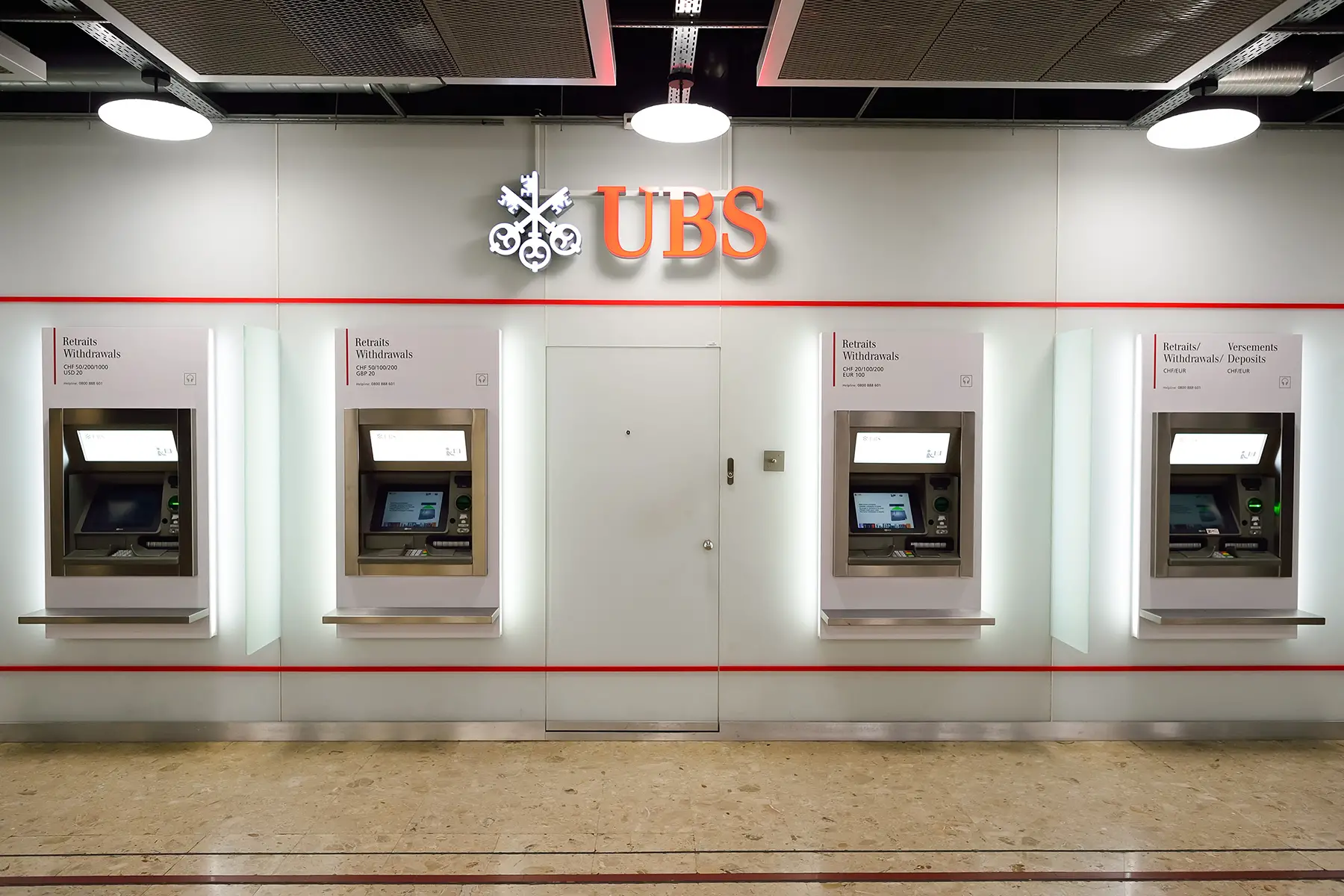
Some buyers start with a Swiss bank because dealing with an established financial institution can feel more familiar than using a specialist bullion dealer. Banks such as UBS and Zürcher Kantonalbank (ZKB) offer physical precious metals, including gold, although the products and purchasing methods available vary.
Bank channels may offer a different range from specialist bullion sellers. If you want particular coin types or bar sizes, compare product availability, premiums, storage options, and buyback terms before choosing where to buy.
Gold dealers and bullion shops
For many buyers, a specialist precious metals dealer is another straightforward option. Dealers may offer a broad choice of weights, refiners, and coin types, making it easier to find a product that matches your budget.
Before paying, check the exact product description, fineness, manufacturer or mint, price premium, and invoice terms. For bars, choosing products from recognized refiners can also make authentication and eventual resale easier.
Save on currency exchange when funding gold with Wise
Converting foreign currency to Swiss francs for a gold purchase can incur additional bank markups. With Wise, you can hold CHF and convert money at the mid-market exchange rate with low, transparent fees, ensuring more of your money goes directly toward your investment.

Online gold dealers
If you want to buy gold in Switzerland online, convenience and price comparison are major advantages. However, you should check the seller carefully before placing a high-value order.
Look for clear company and contact details, transparent pricing, secure payment methods, insured delivery, and clear storage or buyback terms where applicable. For high-value purchases in particular, make sure you understand who is responsible for the gold at each stage between payment and delivery.
What should you buy: bars, coins, or other forms?
The choice usually comes down to cost, resale flexibility, and how you plan to store the metal.
Gold bars
Bars often suit larger purchases because the premium per gram can be lower than with coins. If your goal is straightforward exposure to gold rather than collectability, bars are often the simpler fit.
Smaller bars can be less efficient on price. A 1 g or 5 g bar may be more affordable and easier to resell in small amounts, but you will often pay a higher premium per gram for that flexibility.
Gold coins
Coins can make sense if you want to hold gold in smaller, easily tradable units. For example, selling one or two coins may be more convenient than selling a single large bar, although small gold bars can offer similar flexibility.
Widely traded gold coins, such as the Canadian Maple Leaf, can also be relatively easy to compare across dealers because their weight, purity, and specifications are standardized. Historic Swiss gold coins such as the Vreneli are also widely recognized in Switzerland, although their pricing can reflect factors beyond their underlying gold content.
How to compare premiums and spreads
It is common for two dealers to show the same spot price but have very different final costs. The spot price is a reference for the underlying metal rather than necessarily the price you will pay. Your purchase price includes the seller’s premium, while the price you receive when selling will depend on the dealer’s buyback price and the resulting buy-sell spread.
Compare the total price in CHF for the same product rather than just the gold quote shown on the homepage. Then check the dealer’s current buyback price for that product, because an attractive purchase price can be offset by a less competitive resale offer.

How to check a gold dealer before you buy
A short trust check can reduce the risk of overpaying, encountering a scam, or buying from an unsuitable seller.
- Confirm the dealer’s legal business name, contact details, and clear product specifications.
- Check how delivery, storage, and buyback work before sending money.
- Keep a full invoice and any relevant packaging, seal, certificate, or serial-number information.
- Search official warning pages where relevant.
Verify credentials and reputation
Check FINMA’s warning list and authorised institutions search where relevant. This can be particularly useful if a company offers financial or investment services alongside physical bullion.
However, selling physical gold does not by itself mean that a dealer must be authorised by FINMA, and absence from FINMA’s warning list does not prove that a business is trustworthy. Normal commercial checks still matter. Look for transparent pricing, verifiable company details, reachable customer support, and paperwork that matches the product you are actually buying.
Check buyback policies and fees
Buying is only half the decision. If you later want to sell, an uncompetitive buyback price or additional fees can reduce your return.
Check whether the dealer buys back products purchased elsewhere, whether assay, handling, or shipping costs can apply, and how the buyback price is calculated. Comparing the dealer’s current selling and buying prices for the same product can also give you an idea of the spread.
Watch for counterfeit and scam risks
A Swiss address alone does not prove a dealer is trustworthy. Fraudulent websites can imitate legitimate businesses or use convincing-looking Swiss contact details, so verify who you are dealing with before transferring money.
Treat high-pressure sales tactics, payment instructions that unexpectedly direct money to an unrelated or private account, unclear company details, and missing product specifications as warning signs. For a physical gold purchase, make sure you understand who receives your payment, what exactly you are buying, and what documentation you will receive.
How to pay for gold in Switzerland
Your payment method can affect cost, speed, and how easy the purchase is to document later.
Cash, bank transfer, or card?
Cash may be an option with some dealers, but it can be less practical for larger purchases, and identity or compliance checks may apply depending on the transaction. Bank transfer is another common option because it creates a clear payment record and can be practical for higher-value purchases.
Some dealers also accept cards, although availability, transaction limits, and fees vary. Before you pay, confirm which payment methods the dealer accepts, when the gold price is locked in, what fees apply, and whether delivery or collection can take place only after the funds have cleared.

Why a multi-currency account can help
If you are funding a purchase from abroad, the gold itself may not be your only cost. Exchange rate markups and transfer fees can quietly raise the amount you pay before the dealer receives any CHF.
Compare the full cost of conversion and transfer, not just the headline exchange rate. If you hold money in more than one currency, you may also want to compare multi-currency accounts in Switzerland before arranging the payment.
If you use a specialist provider, like Wise, to fund your purchase, check the fees, terms, transfer limits, and availability for your location first. You can also read how to use Wise in Switzerland as an expat and Expatica’s guide to Swiss money transfers for broader cross-border payment information.

Is gold taxed in Switzerland?
Keep in mind that VAT-exempt does not mean tax-free in every sense.
VAT on investment gold
Under the Swiss VAT Act, certain qualifying gold is exempt from VAT in Switzerland. This includes specified government-minted gold coins and qualifying investment gold with a minimum fineness of 995 thousandths.
The exemption is not universal. Gold products that do not meet the relevant legal requirements may be treated differently, so check the product specifications and current VAT rules before you buy.
Wealth tax and declaration obligations
If you are a tax resident in Switzerland, physical gold can form part of your taxable wealth. Switzerland’s cantons and communes levy wealth tax on individuals, generally based on net assets, although allowances, valuation rules, and tax rates vary by canton and personal circumstances.
Depending on your tax status, you may therefore need to declare physical gold or other precious-metal holdings on your Swiss tax return.
How to store gold safely
Storage is where convenience, control, cost, and security start to pull in different directions.
Home storage
Home storage gives you direct access and control over your gold. It may suit smaller holdings if you have appropriate home security and have checked whether your insurance provides adequate cover for precious metals.
Keep purchase records, photographs, serial numbers, and certificates or other authenticity documents separately from the gold itself. If all your gold and its records are kept in one place, theft, fire, or other damage could make both recovery and an insurance claim more difficult.

Bank safe-deposit boxes and vaults
Many buyers prefer a bank safe-deposit box or a private vault because it keeps the metal away from the home. These options can provide a high level of physical security, but they also involve storage fees and rules about when and how you can access your holdings.
Do not assume that the contents of a safe-deposit box are automatically insured. Check the provider’s liability and insurance arrangements, as well as access hours, withdrawal procedures, and any additional cover you may need.
If your gold is stored by a dealer or specialist vault rather than in your own safe-deposit box, also check exactly how ownership is recorded, whether your gold is specifically allocated to you, what insurance applies, and how quickly you can take physical possession or arrange a sale.
Step-by-step: how to buy gold in Switzerland
If you are not sure where to start, keep the process simple.
Decide your budget and format. Choose how much you want to spend in CHF, then decide whether you prioritize lower premiums, easier partial resale, or a balance of both. Larger bars generally have lower premiums per gram, while smaller bars and coins can give you more flexibility if you later want to sell only part of your holding.
Compare dealers and prices. Compare the same product across several reputable sellers. Look at the total purchase price, premium, delivery or storage costs, and buyback policy. Make sure you compare the same weight, fineness, refiner or mint, and coin type where applicable.
Confirm payment, delivery, and storage. Before sending funds, confirm when the price is fixed, which payment methods and fees apply, how delivery is insured, what identification is required, and where you will store the gold. Keep your invoice, product specifications, and any relevant certificate, packaging, seal, or serial-number information.
FAQ
Frequently asked questions about buying gold in Switzerland
Is it legal for foreigners to buy gold in Switzerland? 
Usually, yes. Swiss law generally allows foreigners to buy physical gold, although dealer identification, payment, customs, storage, and tax-reporting requirements may apply depending on the transaction and where you live.
Is gold tax-free in Switzerland?
Qualifying investment gold can be exempt from VAT in Switzerland, but that does not mean every gold product is tax-free. If you are tax-resident in Switzerland, physical gold may also form part of your taxable wealth, with rules varying by canton and personal circumstances.
Can I buy gold online in Switzerland?
Yes. Before paying an online dealer, check the seller’s legal identity, product specifications, total price, delivery and insurance arrangements, and buyback terms. You can also consult FINMA’s warning list where relevant, although absence from the list does not guarantee that a seller is trustworthy. If you need to convert money into CHF first, compare the full cost and terms of your transfer method as carefully as the dealer’s price.
Sources
Expatica’s experts are all about providing the most up to date and accurate information. All guides are fact checked, and whenever we use external sources (like government websites or research papers) we’ll make a note of them here so you can check them out too.
- Official legal text covering the Swiss VAT treatment of qualifying investment gold, Federal Act on Value Added Tax — Fedlex
- Official guidance on declaring income and assets and cantonal wealth tax, Tax return — ch.ch
- FINMA database of companies and individuals associated with potential unauthorised financial services, Warning list — FINMA
- Official directory of institutions and financial products authorised or supervised by FINMA, Approved Institutes — FINMA


