
'%20id='ico-down'%20stroke='%23000000'%20stroke-width='1.5'%3e%3cg%20transform='translate(1092.250000,%20254.750000)'%3e%3cpolyline%20id='Path-2-Copy-4'%20transform='translate(5.500000,%202.750000)%20scale(1,%20-1)%20rotate(-180.000000)%20translate(-5.500000,%20-2.750000)%20'%20points='0%200%205.5%205.5%2011%200'%3e%3c/polyline%3e%3c/g%3e%3c/g%3e%3c/g%3e%3c/svg%3e)


Healthcare
Healthcare Basics
Coronavirus in Austria: COVID-19 information and support
Stay up to date with coronavirus in Austria with our guide to COVID-19 restrictions, testing, vaccination schedules, and more.
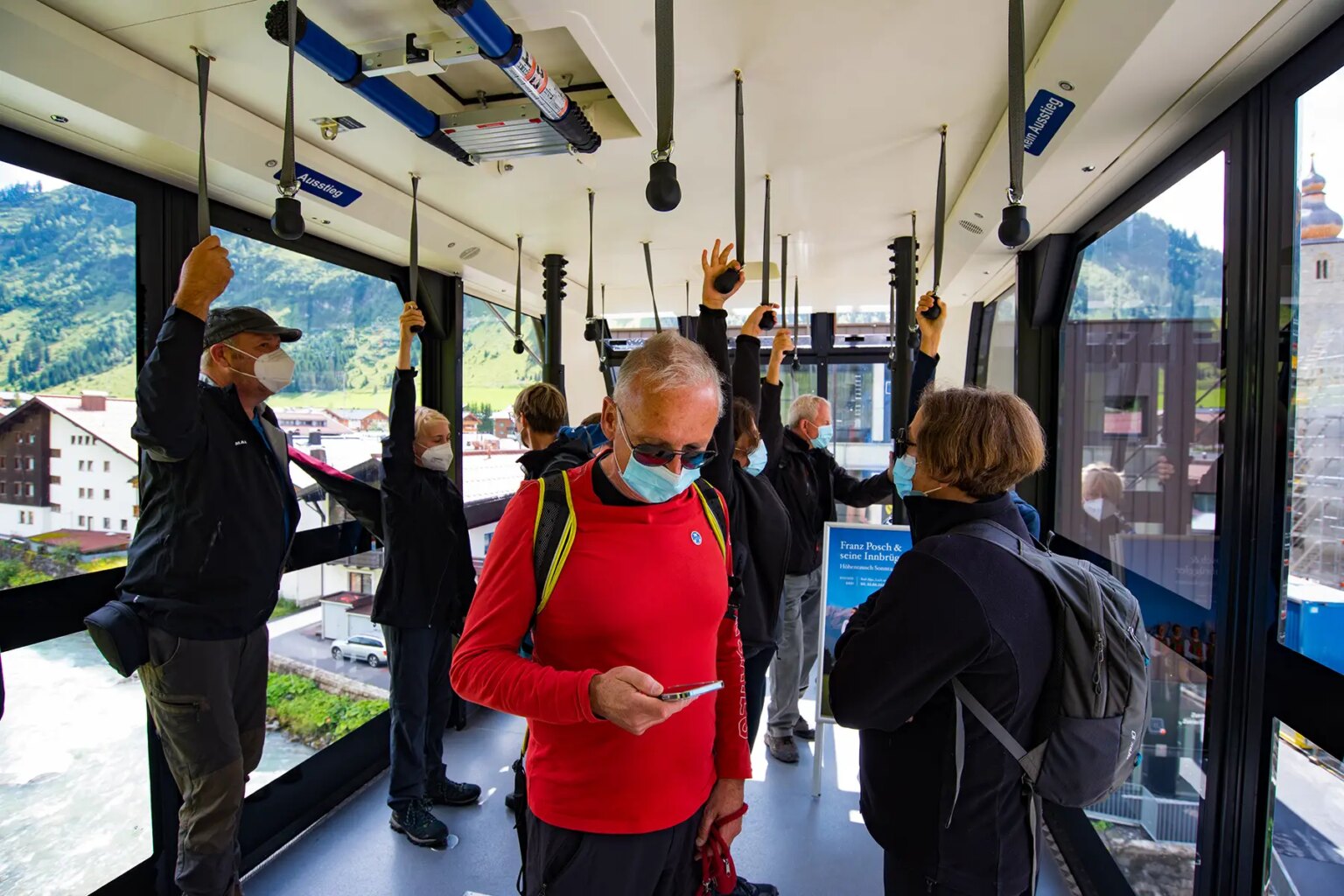
The first Austrian coronavirus cases were detected in Innsbruck on 25 February 2020, followed by the first death a few weeks later. Following that, the Austrian government implemented a number of measures to contain the virus. This included border closures, a complete lockdown, and the compulsory wearing of facemasks (indoors and outdoors). Since the initial lockdown, the Austrian government has eased or tightened these restrictions depending on the country’s infection rates.
After mass vaccinations started in 2021, Austrian society has been slowly opening back up, with most restrictions eased. Read more about the current status of the pandemic in Austria on Sozialministerium (Federal Ministry of Social Affairs, Health, Care, and Consumer Protection). However, to give you a brief overview of where to get a range of coronavirus information in Austria, this guide includes sections on the following:
Cigna Global
Enjoy peace of mind while living in Austria with Cigna Global’s long-term international health insurance plans (12+ months). Get tailored coverage, direct billing with many providers, complex case management, and global care on demand, with access to a network of 1.5+ million doctors, specialists, and therapists.

Coronavirus in Austria
In Austria, the Bundesministerium für Soziales, Gesundheit, Pflege und Konsumentenschutz (Sozialministerium for short) is the ministry responsible for healthcare, including managing the coronavirus situation.
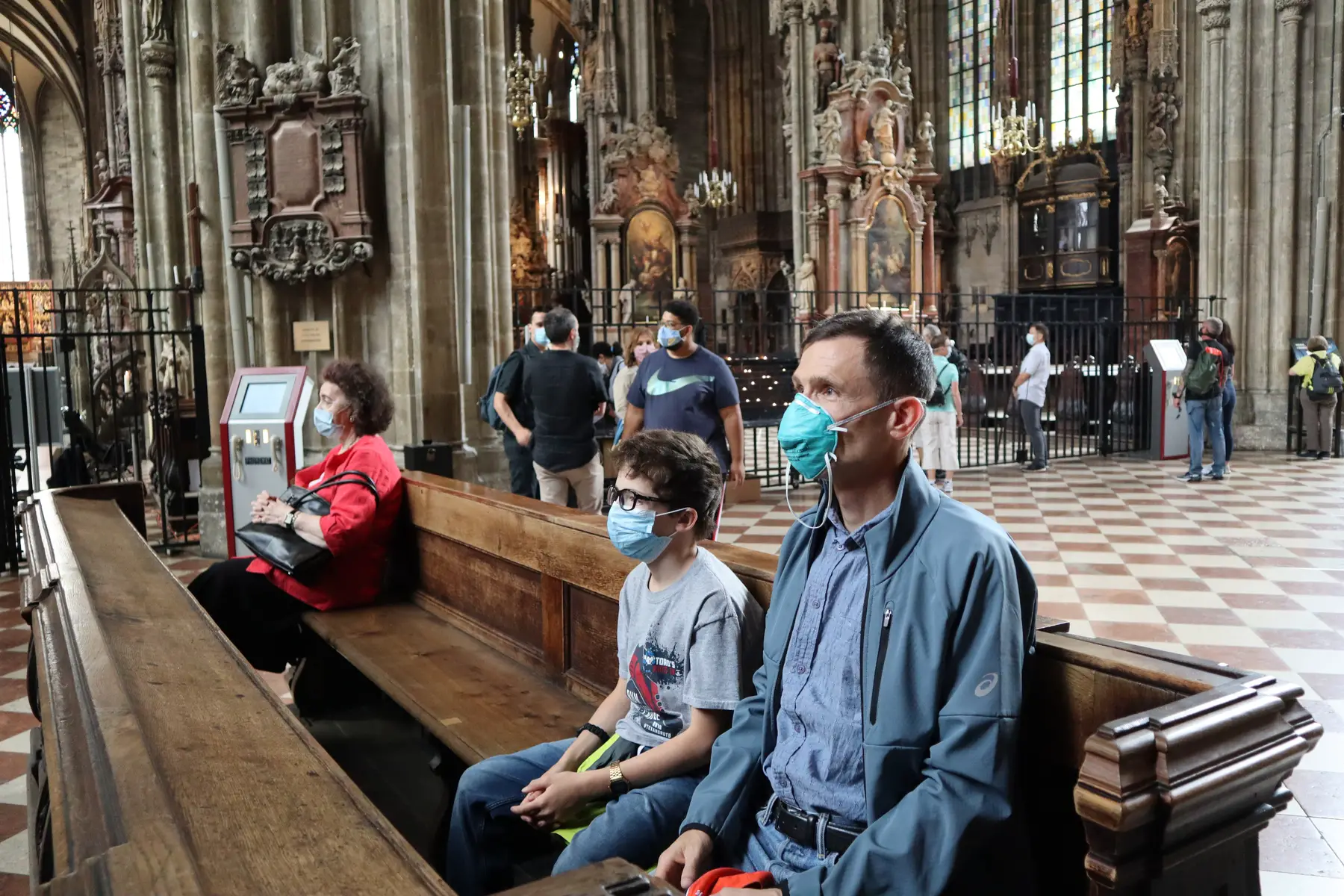
Austria is a federal republic formed by nine federal states or Bundesländern. Governmental responsibilities are divided between the Bundesstaat (federal government of Austria) and the Bundesländern (independent states). However, all rules and measures taken to prevent the spread of the coronavirus are compulsory in all Bundesländern. The website Oesterreich.gv.at is a collaborative government and agencies platform to find all the information, support, and services you need if affected by the coronavirus in Austria.
COVID-19 rules and measures in Austria
The Austrian government provides statistics on COVID-19, such as cases, infection rates, deaths, and hospitalization. You can also find details for your Bundesland (federal state) on this website. The Austrian four-stage Corona traffic light system provides information on the risk of spread and the systemic risk (i.e., risk of overloading the health care system with COVID-19 patients) in the region.
Austria has used a combination of measures to combat the spread of COVID-19. Since the outbreak in February 2020, the country has seen lockdowns, closure of all but essential businesses, border closures, and a mask mandate. These measures were designed to help protect lives and ensure the Austrian healthcare system was not overwhelmed. Fortunately, Austria’s approach has proved relatively successful, with its infection rates remaining low when compared to many other European countries, such as the UK and neighboring Italy.
Lockdown in Austria
Austria has been through three hard lockdowns and several light ones. The first hard lockdown – 16 March 2020 – mandated citizens to stay home and only leave for essential work, grocery shopping (and other essential stores), or doctor visits. Moreover, it required citizens to limit their socializing; either within a household bubble or meet one other person outdoors.
The government relaxed and tightened these rules depending on the infection rates. As a result, when the infection rates increased again, Austria imposed two more hard lockdowns in November and December 2020.
Facemasks in Austria
Austria first introduced facemasks on 6 April 2020. Citizens had to wear a mask indoors, in shops, supermarkets, on public transport, and even outdoors in public spaces. However, the government amended this requirement and updates its guidelines regularly.
Notably, only FFP2 masks have been accepted in supermarkets, petrol stations, banks, pharmacies, hospitals, nursing homes, and public transport. This requirement is mandatory for all visitors.
However, in retail shops, masks have been mandatory for unvaccinated persons and only a recommendation for vaccinated or recently recovered persons. Furthermore, masks are unnecessary for restaurants, bars, and other hospitality venues where entry tests restrict entry. Entry tests are explained further down in this article.
Social distancing and self-isolation in Austria
Austria keeps to the 1.5m social distancing rule between people. The public health authorities also recommended abstaining from handshaking and embracing. It further encourages strict hygiene through frequent handwashing, disinfecting surfaces, and only coughing or sneezing into a tissue or your elbow.
If you suspect you have COVID-19 symptoms, self-isolate at home. In some instances, the local Gesundheitsbehoerde (health authority) can order isolation or quarantine. The Sozialministerium website outlines all the updated rules. In addition, if you must quarantine and need support (e.g., buying food), you can contact Team Oesterreich, a subsection of the Red Cross.
COVID entry tests: Austria’s 3G rule
Austria introduced an entry test system, also known as the 3G rule. This rule restricts entry where large groups congregate in small spaces or where services require close proximity. The three Gs refer to vaccinated (geimpft), tested (getestet), and recovered (genesen). These groups are perceived at a lower risk of contracting and spreading COVID-19. There may be slight variations in how these entry tests are performed, but public venues requiring entry tests include:
- Restaurants and hotels
- Indoor and outdoor events (e.g., theatres, concerts, football stadiums)
- Leisure and sports facilities (e.g., spas, pools, gyms)
- Services requiring close proximity (e.g., hair and beauty salons, massage therapists)
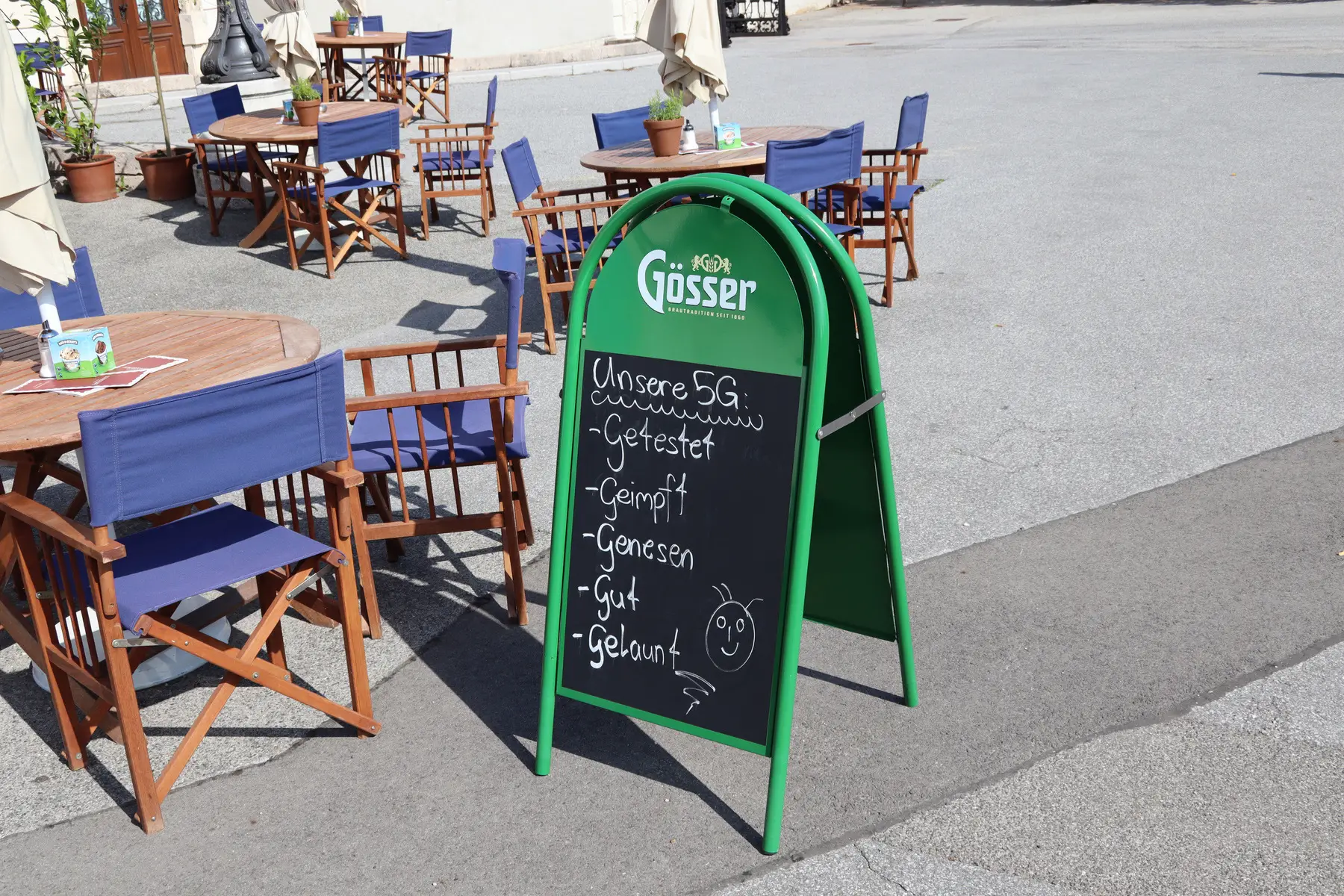
You need to show proof of one of these three certificates to gain entry:
- Proof of full vaccination
- A negative COVID-19 test result
- Proof of recovery from the coronavirus
The requirements for bars and clubs are stricter: only proof of full vaccination or a negative PCR test is accepted. Please note that children from 12 years – 6 years in Vienna – may also need to show one of these certificates to gain entry into certain venues.
Apps for COVID-19 in Austria
The digital age changed the way we gather information, look after our health, and, specifically, store and display our tests or vaccination status. Austria has developed three important apps to download onto your mobile devices.
Green Pass app
Austria has implemented a green pass requirement (i.e., 3G rule/entry tests), which certifies vaccination or recovery status or a negative test result. The Green Pass App displays QR codes, which venues scan for entry. This digital certificate is also required for traveling.
Stopp Corona app
Austria uses contact tracing in public spaces to identify people who may have come into contact with an infected person. Subsequently, it notifies them of their potential risk of contracting the coronavirus. As such, Austria uses the Stopp Corona app, provided by the Austrian Red Cross.
Coronavirus testing in Austria
There are three types of tests in Austria to determine whether you have an active virus infection: rapid antigen tests, polymerase chain reaction tests (PCR), and self-testing kits. Additionally, there are also antibody tests that indicate whether antibodies are present in your bloodstream from an earlier infection or the vaccine.
Rapid antigen tests
Rapid antigen tests are administered by trained staff and consist of a nose and throat swab. Austria is leading Europe in offering these tests free of charge at Teststraßen (testing centers), participating pharmacies, or dedicated laboratories. The coronavirus test centers are only available in Vienna. You need to book an appointment. Generally, the results are available within 15 to 30 minutes.
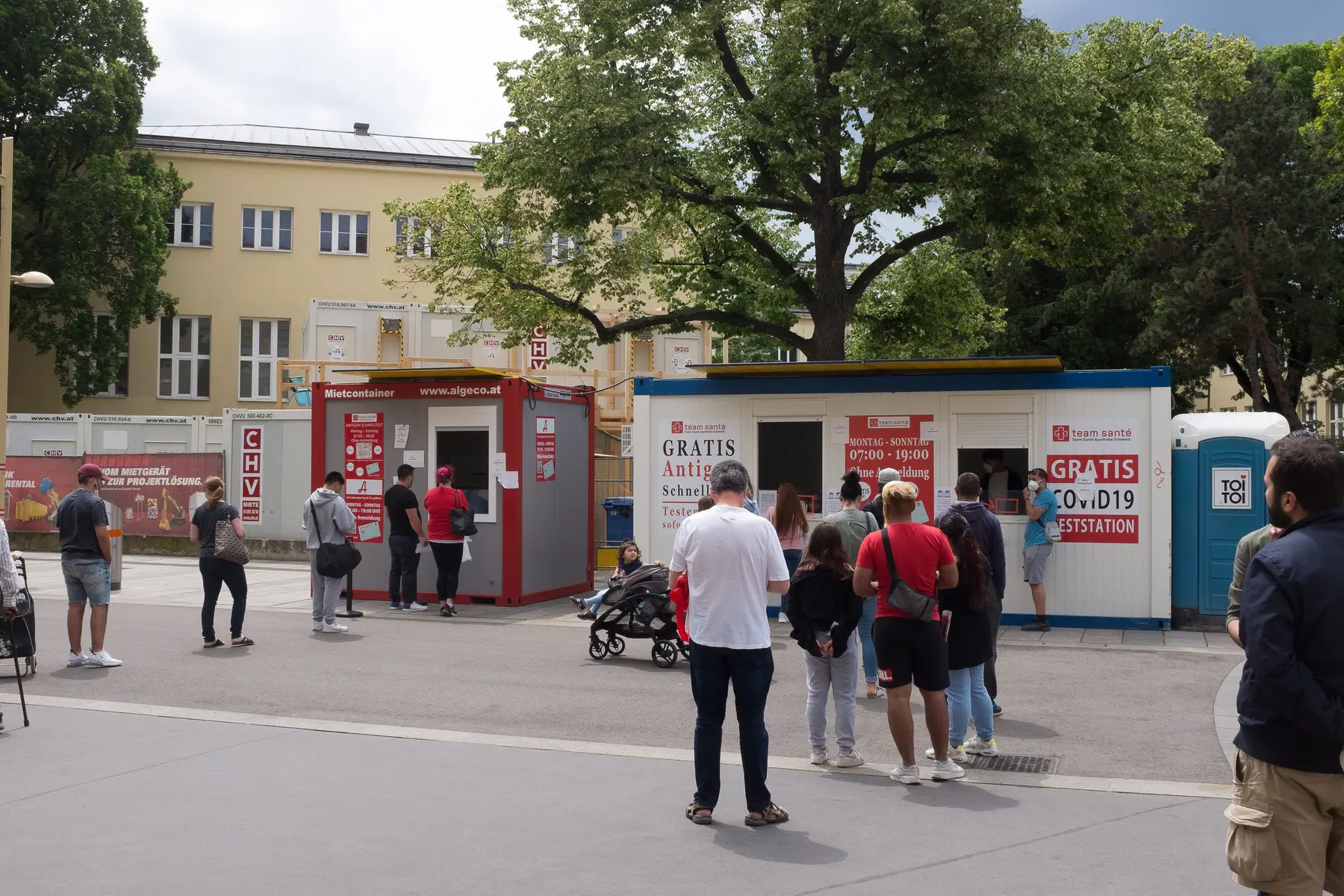
In Austria, access to restaurants, bars, cinemas, theatres, and public spaces where people congregate is only allowed if you present an entry test certificate as described earlier in the article.
PCR Tests
PCR tests are mainly for people with COVID-19 symptoms or who have been in close contact with someone who has tested positive. The test is administered via a nose and throat swab. In some cases, you can do a saliva or gargle test. The tests are free of charge in pharmacies and laboratories, and the results are available within 24 to 48 hours. However, if you have no symptoms or need the test certificate for travel purposes, you have to pay. The cost starts from €70.
Self-testing kits
Self-testing kits, known as wohnzimmertests or living room tests, are available free of charge from participating chemists until 31 October 2021. Carefully follow the instructions to swab your tonsils and inside your nasal cavity and test the sample accurately.
Antibody tests
These tests determine if there are antibodies – against the coronavirus – present in your bloodstream. Normally, there will be antibodies present when you are fully vaccinated or have recovered from the COVID-19 virus. Laboratories do a fingerprick test, and you have the result after only a few minutes.
If you test positive for coronavirus in Austria
When your result is positive after self-testing, you must immediately call the Corona-Gesundheitshotline (corona health hotline) at 1405 or your local health authority (Gesundheitsamt). However, if you tested positive at a chemist or laboratory, they will contact the health authority. Subsequently, the health authority will contact you.

If you test positive, self-isolate immediately and inform all your recent contacts. Moreover, quarantine can last between 10 to 14 days, and you must book follow-up tests. Only visit your doctor or the hospital if, after the second week, you still have a high fever or are struggling to breathe.
COVID-19 vaccinations in Austria
Austria’s vaccination program started on 27 December 2020 with an 84-year old. Since then, millions of Austrians have received their jabs, with vaccination centers set up across the country. You can view the most recent updated vaccination statistics in Austria on the Our World in Data portal.
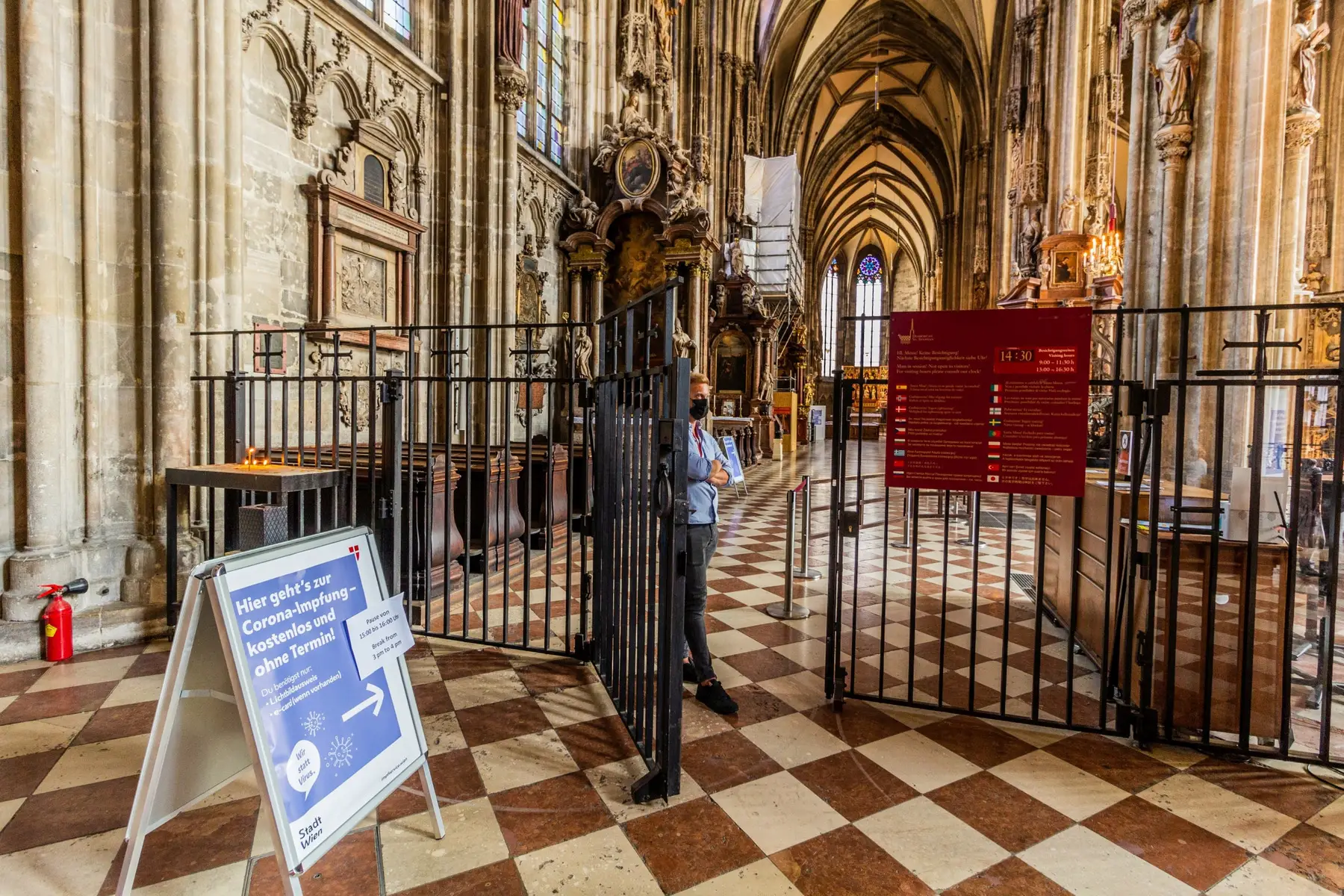
Although Austria quickly rolled out its vaccination program compared to some other European countries, it still remains some way off achieving a Durchimpfung (fully vaccinated population).
Approved vaccines in Austria
Austria approved these four vaccines:
- BioNTech/Pfizer (Comirnaty)
- Moderna (Spikevax)
- Oxford/AstraZeneca (Vaxzevria)
- Janssen/Johnson & Johnson
Except for Janssen, all other vaccines require a second dose within 8 to 12 weeks of the first. However, you cannot choose which vaccine to have. Vaccines are free of charge, and the rollout is scheduled according to age and health risk, as clearly shown in this graphic.
Each Bundesland is responsible for the organization of its vaccine program. However, it depends on the availability of the various vaccines. In Oberoesterreich, for example, medical consultancies offer vaccinations even for those who are not registered with a specific doctor. Still, you will likely need to book an appointment.
International travel during coronavirus in Austria
According to the COVID-19 Entry Regulation 2021 (COVID-19-Einreiseverordnung 2021), Austria focuses on three types of verification that you are not infected: proof of vaccination, a recent negative test, or proof of recovery from the coronavirus. Before embarking on your trip to Austria, you must check the most recent travel restrictions by the Sozialministerium. Also, remember to check the COVID-19 entry restrictions for each country if you travel from Austria.
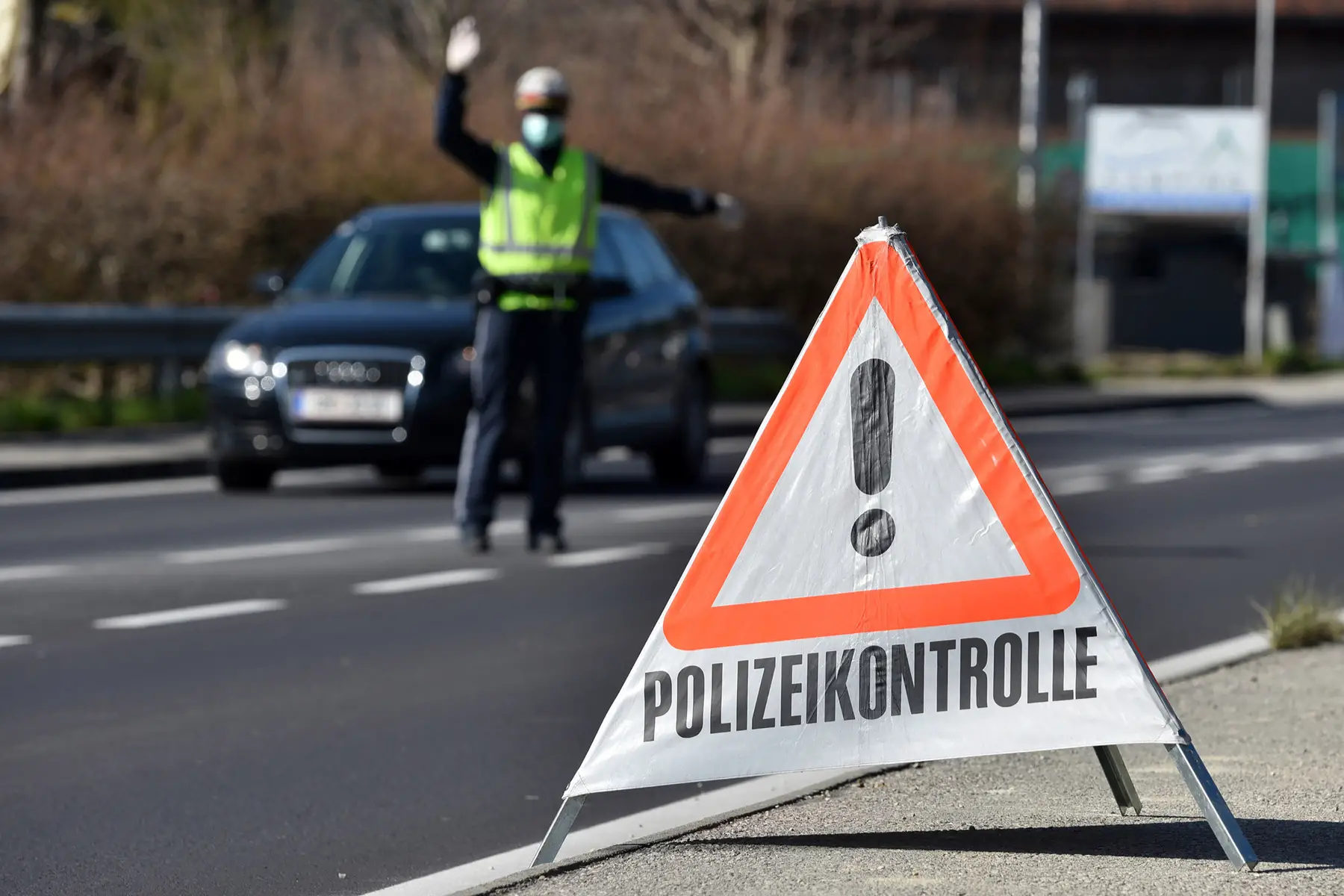
Similar to neighboring Germany, restrictions depend on where you have traveled from. Countries are categorized in relation to their current coronavirus situation and are marked as high-risk or safe. Most of Austria’s European neighbors and some non-European countries have been placed on the safe list. However, this information is subject to change and you should also check ahead of travel to avoid disappointment.
Travel from safe countries
You need to have spent at least 10 days in one of these safe countries before entering Austria to be eligible for the following restrictions. All travelers (from age 12) entering Austria from a safe country do not need to quarantine but must provide one of three documents:
- Vaccination certificate
- Valid for 360 days after second or third booster jab
- For single-dose vaccines – valid for 270 after jab
- Recovery certificate
- Antibody test result – valid for 90 days from the test date
- Medical certificate of recovery – valid for 180 days after COVID-19 infection
- Negative test certificate
- Antigen – no older than 24 hours before entry
- PCR – no older than 72 hours before entry
Note: All certificates must be in German or English
Travel from high-risk countries
In addition, if you travel from a high-risk area or country with variants of concern, you are also obliged to:
- Register via the pre-travel clearance (PTC) portal before entering the country. Keep proof of your registration for inspection (digitally or a paper copy).
- Proof of a negative PCR (not antigen) test certificate – no older than 72 hours. This rule counts for unvaccinated, vaccinated, and recovered persons.
- Quarantine immediately at your home or suitable accommodation for 10 days. You can only leave quarantine early (on the fifth day) with proof of vaccination or a negative PCR test result.
Traveling from all other countries
Travelers from all other countries may enter Austria, but the requirements differ depending on their vaccination or recovery status:
- Fully vaccinated or recovered (with proof) – no need for quarantine or pre-travel clearance (PTC) registration
- Unvaccinated with negative PCR certificate – must quarantine (10 days) and complete the pre-travel clearance (PTC) registration
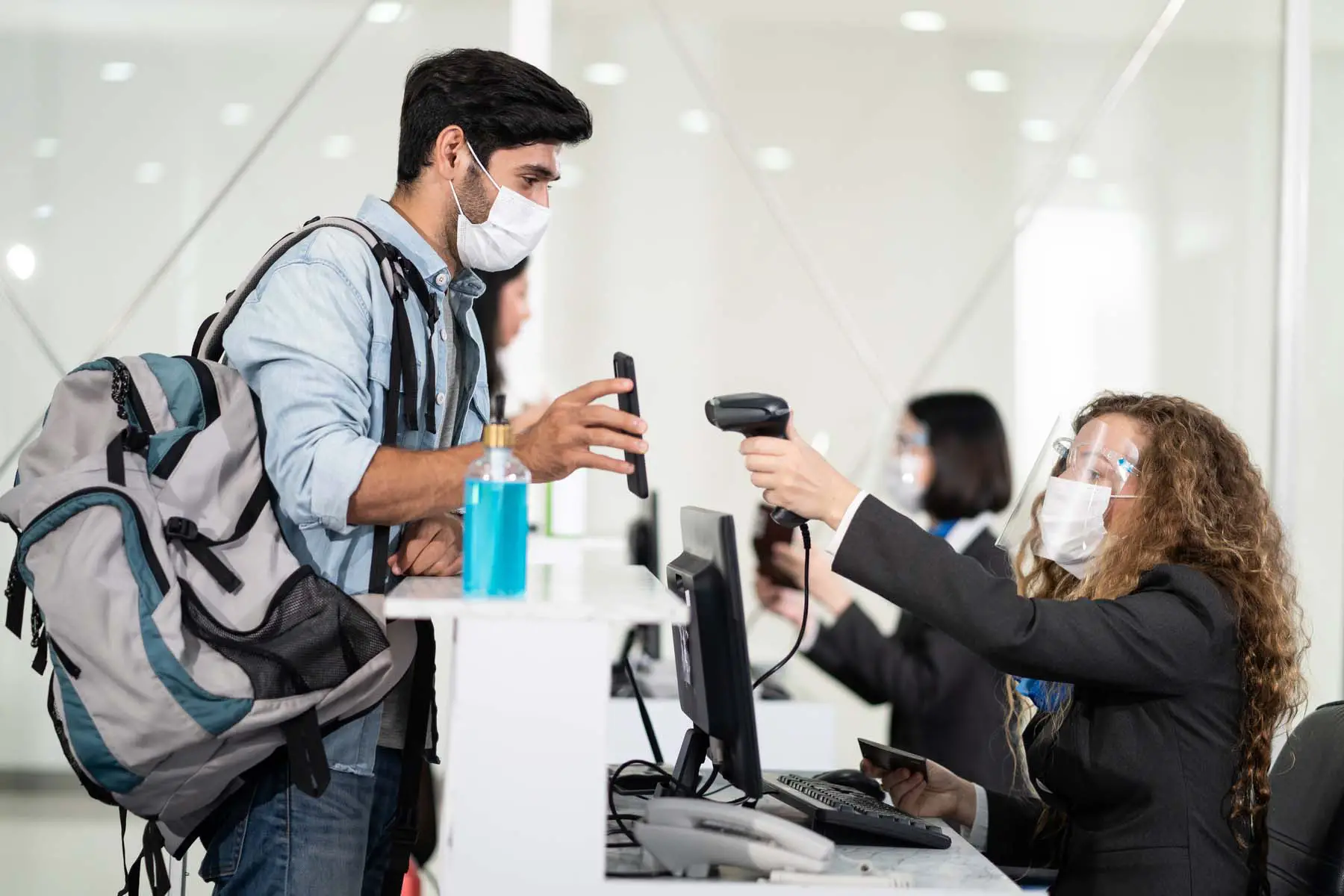
You can visit the government’s official portal to find out about exceptions and any frequently asked questions about the international travel restrictions to Austria.
Long COVID support in Austria
Having recovered from the coronavirus does not guarantee a return to full health. Globally, many people suffer from long COVID. According to the US Centers for Disease Control and Prevention (CDC), if your coronavirus symptoms last for longer than a month, you may have Long COVID. Worryingly, there have also been reports of children suffering from Long COVID, even if their initial illness was mild.
Common symptoms of long COVID
There are a number of symptoms related to long COVID. However, due to the lack of information and research into the condition, there is no definitive list. However, common symptoms may include:
- Difficulty breathing or shortness of breath
- Tiredness or fatigue
- Symptoms worsened by physical or mental exertion (i.e., post-exertional malaise)
- Difficulty thinking or concentrating (i.e., brain fog)
- Changes in menstrual period cycles

For some, the symptoms are so debilitating, they cannot fully return to work. As a side note, your health insurance provider may also advise you where to seek help.
Resources for people suffering from long-COVID-19
Very little support and information were available until January 2021, when the Long COVID Austria initiative was founded. As a result, this initiative offers support and information to sufferers. There are other self-help groups the Steiermark (Styria area). Additionally, you can also access information about financial aid and other support, if you cannot continue working, through the Arbeiterkammern (Austrian Employment Agency). Fortunately, there are more initiatives underway to create help centers for long COVID sufferers.
Support for businesses, the self-employed, and freelancers in Austria
Due to the pandemic, Austria’s economy has suffered, especially small businesses forced to close, such as restaurants, bars, and hairdressers.

The Austrian government has established various funds and grants to help and support businesses financially. However, support for the self-employed and freelancers has not been as readily available in some circumstances. As a result, the Corona Härtefall Fond supports sole traders with a minimum of €500 compensation. The Corona Hilfsfond has dedicated the amount of €15 billion for companies with cash flow problems due to the coronavirus in Austria, which includes state guarantees for company loans. You may also find it useful to read more about becoming self-employed in Austria.
Education and COVID-19 in Austria
Schools and universities opened fully in May 2021. However, there are many national regulations with some variations between states.
Generally, these measures include:
- FFP2 masks: when moving around on campus, but pupils and teachers may remove their masks in the classroom while keeping a 1.5m distance
- The 3G-rule: pupils receive a corona testpass in the form of a sticker to gain entry depending on –
- vaccination status (fully)
- negative test result (antigen – 48 hours, PCR – 72 hours)
- antibody test result (90 days) or proof of recovery (180 days)
- Classrooms and buses: must have improved ventilation systems
During school and university closures, homeschooling and online learning became the norm. Parents who remained home to teach their children can access Betreuungszeit, which is four weeks of paid leave without consent from their employers. Read more about the legal aspects of homeschooling in Austria.
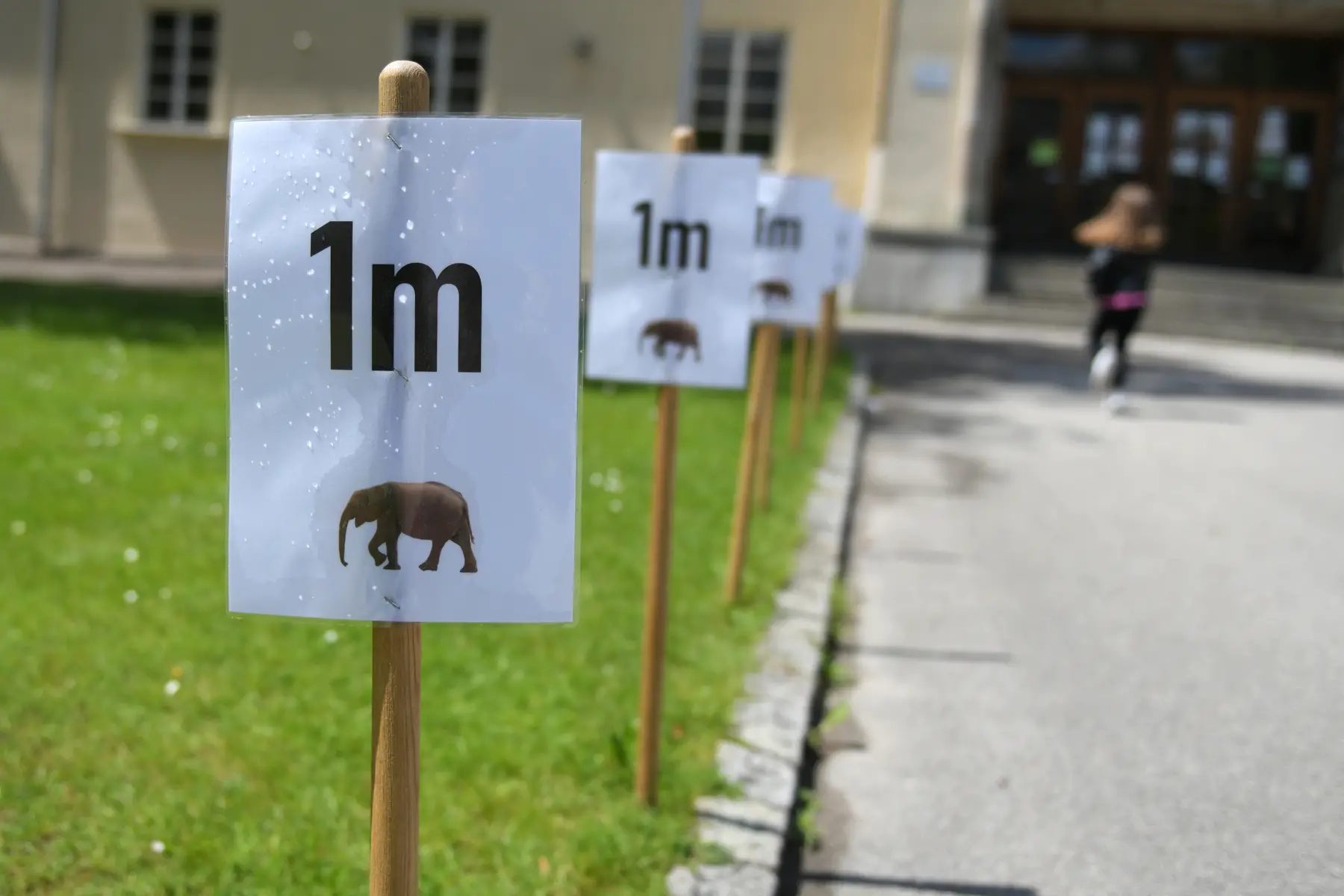
Additionally, as digitalization became a priority in Austrian schools, fifth graders and higher received free laptops to enable online learning. Fortunately, many good apps are available for home education. You may also want to read more about the education system in Austria.
Support for vulnerable people in Austria
In Austria, as in other countries, older adults are especially vulnerable to infection and severe illness from COVID-19. As such, the lockdowns seriously affected seniors, especially those without families or neighbors helping out with essential errands, such as groceries or doctor visits. Although the Austrian Red Cross or Caritas helped, most support came from private initiatives. Caritas organizes numerous projects across Austria supporting people in need. Another general but practical initiative to consider may be Senioren helfen Senioren (seniors help seniors).


Did you find this guide helpful?