
'%20id='ico-down'%20stroke='%23000000'%20stroke-width='1.5'%3e%3cg%20transform='translate(1092.250000,%20254.750000)'%3e%3cpolyline%20id='Path-2-Copy-4'%20transform='translate(5.500000,%202.750000)%20scale(1,%20-1)%20rotate(-180.000000)%20translate(-5.500000,%20-2.750000)%20'%20points='0%200%205.5%205.5%2011%200'%3e%3c/polyline%3e%3c/g%3e%3c/g%3e%3c/g%3e%3c/svg%3e)


Finance
Insurance
Travel health insurance for a Schengen visa
Applying for a Schengen visa from the UK may require travel medical insurance, depending on your nationality and trip details. Your policy should cover medical care, repatriation, the Schengen area, and your full travel dates. This guide explains who needs cover, how GHIC/EHIC fits in, and common mistakes.


Key takeaways
| Question | Short answer | Why it matters | What to check |
|---|---|---|---|
| Who needs the insurance? | Applicants who need a short-stay Schengen visa generally need travel medical insurance. | Living in the UK does not by itself determine whether you need a visa. | Check your passport nationality, trip purpose, and length of stay. |
| Minimum cover | At least €30,000 for emergency medical care, hospital treatment, and repatriation. | A lower limit may not meet the visa requirement. | Make sure the certificate states the amount clearly. |
| What should the certificate show? | Your name, dates, territory, cover amount, and repatriation wording. | Visa staff assess the documents in your application. | Bring the formal certificate or policy schedule. |
| Is a GHIC or EHIC enough? | No, not on its own for a Schengen visa application. | It does not replace visa-compliant travel insurance. | Check NHS guidance and the insurer’s policy wording. |
| When should you buy it? | Once your itinerary is settled and before submitting your application. | The dates and territory must match the trip. | Read a sample certificate and the refund terms before paying. |
Visa requirements and policy terms can change. Confirm the final requirements with the relevant consulate or visa centre and check the policy documents before buying.
Do you need a Schengen visa from the UK?
The first question is whether you need a visa at all. In practice, the answer depends on your passport nationality, the purpose of your trip, and how long you plan to stay.
UK passport holders and visa-free short stays
If you hold a UK passport and are travelling for a short tourist or business stay, you will usually not need a Schengen visa for visits of up to 90 days in any 180-day period. Travel insurance can still be sensible, but it is usually not a visa document in that situation.
If your trip involves study, work, family reunification, or a stay of more than 90 days, check the relevant national visa rules and official consular guidance for your destination country.
UK residents who may still need a visa
This guide is mainly for people who are legally resident in the UK but hold a passport that requires them to obtain a visa for a short Schengen stay. This can include expats, international students, workers, and family members based in the UK.
UK residence alone does not determine whether you need a visa. Check these three points:
- Your passport nationality
- Your trip purpose
- Your planned length of stay
Start with the European Commission’s Schengen visa overview, then confirm the local checklist with the consulate or visa centre handling your application.
What insurance is required for a Schengen visa?
For a short-stay Schengen visa, the policy must meet minimum requirements for the cover amount, territory, dates, and repatriation. The cover should apply for the whole trip and across the Schengen countries included in your application.
Minimum cover, countries, dates, and repatriation
Your policy should generally meet all four of these requirements:
- At least €30,000 of cover: this is the minimum amount for expenses connected with urgent medical care, emergency hospital treatment, and medical repatriation.
- Validity throughout the Schengen area: the certificate should not limit cover to only one destination when your itinerary includes several Schengen countries.
- Cover for the full stay: the policy dates should include the entire period shown in your application.
- Repatriation cover: the wording should include medical repatriation and cover in the event of death.
The certificate should make these points clear. If the territory, dates, or repatriation wording is vague, the consulate or visa centre may ask for further evidence.
For a multiple-entry visa, the insurance evidence required at the application stage may focus on your first intended visit, although you must also have appropriate cover for later trips. Check the current consular instructions for your application.
What your insurance certificate should show
The certificate is the main proof of insurance in your application, so it needs to be easy to read. It should generally show your full name, policy number, coverage dates, territorial scope, cover amount, and wording that clearly includes emergency medical care and repatriation.
For example, Ana lives in London and holds a passport that requires a short-stay Schengen visa. She plans to spend 10 days in Spain and three days in France. Spain is her main destination, so she would normally apply through Spain, and her insurance certificate should cover the full itinerary across both countries.

What the policy covers and common exclusions
Meeting the visa requirement is only the first step. You also need a policy that is useful if something goes wrong during your trip.
Why a GHIC or EHIC is not enough
A UK GHIC or UK EHIC can help you access medically necessary state healthcare in some countries, but it is not the same as visa-compliant travel insurance. NHS guidance states that these cards do not replace travel and medical insurance and do not cover services such as private treatment, medical repatriation, or mountain rescue.
Schengen visa insurance has a separate purpose: it provides medical cover and documentary proof for your visa application. For more background on the card and its limits, read Expatica’s EHIC explainer and the official NHS GHIC and EHIC guidance.
Common exclusions to check before buying
Some policies appear compliant at first glance but still contain important limitations. GOV.UK’s foreign travel insurance guidance recommends checking the policy wording carefully, including exclusions and requirements to declare existing conditions.
Review these points before you pay:
- Pre-existing conditions that have not been declared
- Activities such as winter sports, scooter use, or other higher-risk activities
- Alcohol- or drug-related incidents
- Limits on private treatment or emergency transport
- Territorial wording that excludes a destination or transit country on your route
A policy can meet the visa requirements but still exclude a claim when its conditions are not followed. The certificate matters for the application, while the full wording determines how the cover works in practice.
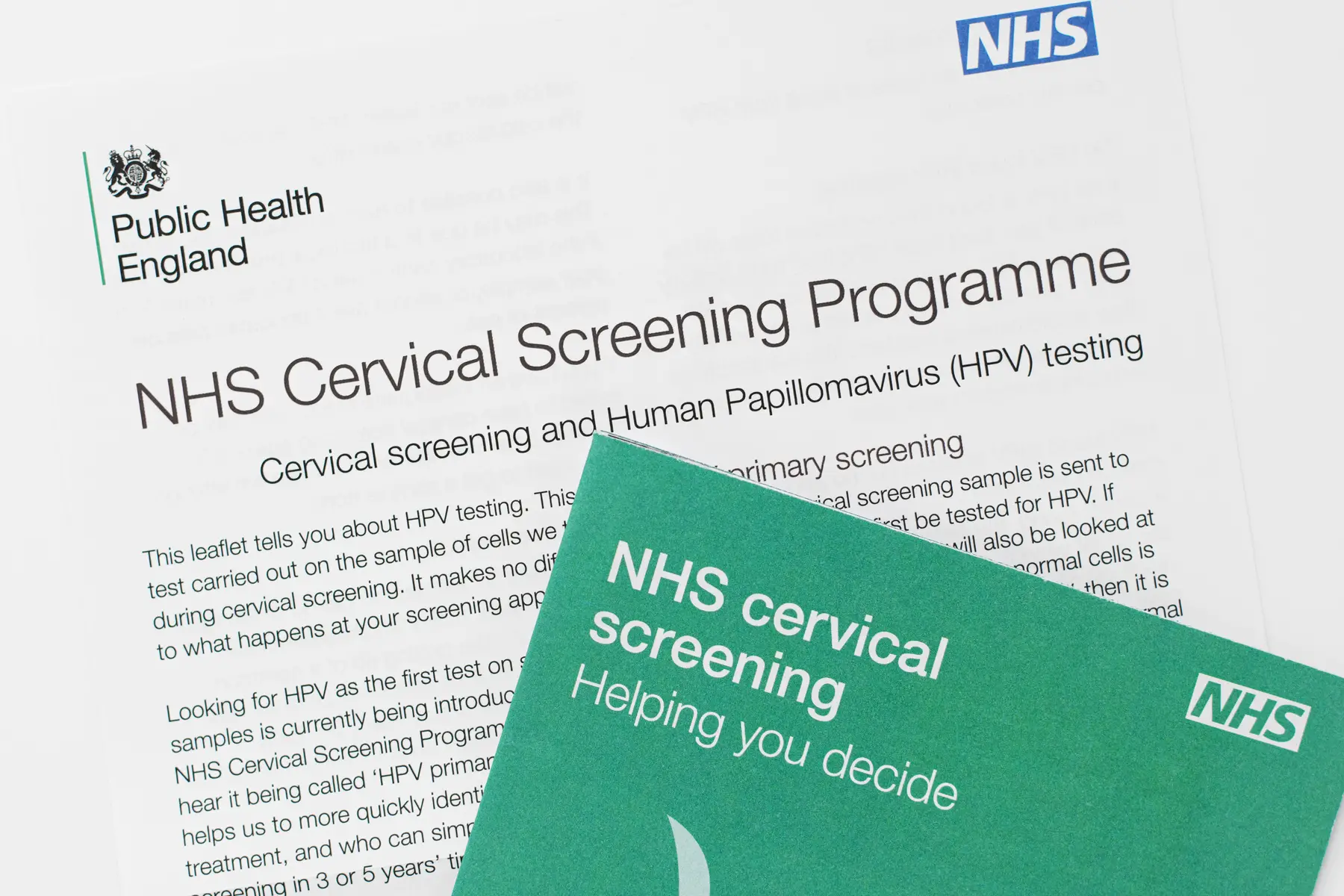
For a refresher on how public healthcare works in the UK before you compare overseas cover, see the related guide below.
How to choose a compliant policy
Price matters, but the lowest quote is not always the most suitable choice. A cheap plan can still have unclear certificate wording, restrictive refund terms, or support that is difficult to reach.
Compare cover, refund terms, and support
Look beyond the headline premium. The cost of Schengen visa insurance in the UK varies according to factors such as age, trip length, destination, medical history, and optional extras. UK insurers may quote in GBP even though the visa requirement is stated in EUR.
| Feature | Why it matters | What to check | Common pitfall |
|---|---|---|---|
| Excess or deductible | A lower premium can mean higher out-of-pocket costs. | Whether you must pay part of an emergency claim yourself. | Looking only at the headline price. |
| Visa refusal refund | Not every provider offers one. | Whether a refund is available, what evidence is required, and whether an administration fee applies. | Assuming refund terms are standard. |
| Emergency assistance | You may need help outside UK business hours. | 24-hour contact methods and available support languages. | No clear emergency number in the documents. |
| Territorial wording | Your trip may involve more than one country. | “Schengen area” or equivalent wording covering the complete itinerary. | A certificate that names only one destination. |
| Date flexibility | Travel plans can change. | Whether the start and end dates can be amended. | Buying too early with fixed dates and restrictive amendment terms. |
Prices, benefits, refund conditions, and support arrangements vary by provider and can change. Read the current policy wording before buying.
Refund terms can sound broader on a sales page than they are in the policy wording. Read the conditions before checkout, especially when your application timing is tight.
Verify the policy before paying
Check a sample certificate rather than relying only on the marketing page. Confirm that the name on the certificate matches your passport, the dates cover your intended stay, the territory includes every Schengen country on your route, and the document clearly refers to emergency medical cover and repatriation.
Also check whether the embassy, consulate, or visa centre for your main destination requires any additional wording or documents.
Wise for managing Schengen travel costs
A Wise account can help you hold and convert GBP and EUR when paying for travel insurance, accommodation, transport, and other trip expenses.

How to add the policy to your visa application
Once you know the insurance requirement applies to you, the remaining work is mainly administrative. A clear checklist can help you avoid last-minute corrections.
Document checklist for your appointment
Check that you have:
- The insurance certificate or full policy schedule
- Your name and personal details exactly as they appear in your passport
- Cover dates matching the full trip
- Territorial wording covering the Schengen area or every destination country
- Supporting trip documents, such as your itinerary or booking evidence
- The latest checklist from the consulate or visa centre for your main destination
As a general rule, apply through the country where you will spend the longest time. If your stays are equal, apply through the country you will visit first.
Mistakes that can delay your application
Small administrative errors can lead to questions or requests for new documents. Check for these common problems before submitting your application:
- Policy dates that start after departure or end before your return
- Certificate wording that does not clearly cover the Schengen area
- Missing medical repatriation wording
- Assuming a GHIC or EHIC is enough as proof of insurance
- Buying a long-stay or expat plan when you need short-stay visa cover

When short-stay travel insurance is not enough
Short-stay visa insurance solves one specific problem. If you are relocating, studying for a long period, or managing ongoing treatment, you may need a different type of cover.
Travel insurance versus international health insurance
Short-stay travel insurance is usually designed for temporary trips. International health insurance is broader and may suit expats, relocating families, people studying abroad for longer periods, or anyone who needs ongoing access to care rather than emergency-only trip protection.
Cigna Global is one international health insurance provider you can review for longer-term cover, but do not assume that any policy is valid for a Schengen visa unless the exact certificate and wording meet the requirements described in this guide.
Conclusion
Schengen visa travel insurance is not simply a general travel policy: the certificate must show the required cover, territory, dates, and repatriation wording clearly. First confirm that you need a visa, then compare the certificate and full policy wording before paying. A GHIC or EHIC can complement your travel arrangements but does not replace the insurance required for a visa application. Before your appointment, check the latest document list from the consulate or visa centre for your main destination.
FAQ
Travel health insurance for a Schengen visa
Can UK citizens use a GHIC instead of Schengen visa insurance? 
No. A GHIC can help with medically necessary state healthcare in some countries, but it does not replace travel insurance or meet the separate insurance document requirement for a Schengen visa. Many UK passport holders do not need a visa for short visits, so check whether the visa requirement applies to you first.
How much insurance is required for a Schengen visa?
The minimum cover is generally €30,000 for expenses connected with urgent medical care, emergency hospital treatment, and repatriation. The policy must also cover the full stay and be valid throughout the Schengen area.
Can I use regular private health insurance for a Schengen visa?
Possibly, but only when the policy meets the Schengen travel medical insurance requirements and the insurer can provide a suitable certificate. Check the territory, dates, emergency treatment, cover amount, and repatriation wording before relying on an existing plan.
Does travel health insurance guarantee Schengen visa approval?
No. Insurance is one document in the application and does not guarantee approval. The consulate also assesses the other evidence required for your trip and circumstances.
What happens if my visa is refused after I buy insurance?
Some providers offer refunds after a visa refusal, but the conditions vary. Check the refund terms before buying and keep the refusal letter, policy certificate, and proof of purchase if you need to make a request.
Sources
- European Commission: general Schengen visa rules, where to apply, and required supporting documents, checked on 14 July 2026.
- EUR-Lex: Visa Code provisions on travel medical insurance, territorial validity, duration, and minimum cover, checked on 14 July 2026.
- Council of the European Union: visa-free short stays for UK citizens after Brexit, checked on 14 July 2026.
- GOV.UK: guidance on travel insurance cover, exclusions, pre-existing conditions, and repatriation, checked on 14 July 2026.
- NHS: UK GHIC and UK EHIC cover and limitations, checked on 14 July 2026.



Did you find this guide helpful?