'%20id='ico-down'%20stroke='%23000000'%20stroke-width='1.5'%3e%3cg%20transform='translate(1092.250000,%20254.750000)'%3e%3cpolyline%20id='Path-2-Copy-4'%20transform='translate(5.500000,%202.750000)%20scale(1,%20-1)%20rotate(-180.000000)%20translate(-5.500000,%20-2.750000)%20'%20points='0%200%205.5%205.5%2011%200'%3e%3c/polyline%3e%3c/g%3e%3c/g%3e%3c/g%3e%3c/svg%3e)


Health
Primary Care
Kids Dentist in Thailand: A 2026 Guide for Expat Parents
Finding a kids dentist in Thailand can be a straightforward process once you know which clinics suit children, how booking works, and when a problem needs urgent care.


This guide is for general information only and does not replace professional dental or medical advice. It explains how expat families can choose care, handle emergencies, check costs, and sort insurance or payment from abroad.
Cigna Global
Enjoy peace of mind while living in Thailand with Cigna Global’s long-term international health insurance plans (12+ months). Get tailored coverage, direct billing with many providers, complex case management, and global care on demand, with access to a network of 1.5+ million doctors, specialists, and therapists.

Key takeaways
| Question | Quick answer |
|---|---|
| Where do expat families usually go? | Many expat families use private clinics, hospital dental departments, or children’s hospitals for faster access and easier English support. |
| When is a paediatric dentist worth it? | Usually for very young children, nervous patients, dental trauma, complex decay, bite concerns, or when a clinic needs stronger behavioural support. |
| What counts as urgent? | Heavy bleeding, facial swelling, fever with dental pain, trauma, a knocked-out permanent tooth, trouble swallowing, or breathing problems need urgent professional care. |
| What should you bring? | Your child’s passport or ID, insurance card, allergy and medical details, and any previous X-rays or dental notes. |
| How does insurance work? | Cover varies by public route, Social Security support, and private policy terms. Routine dental benefits often have limits, exclusions, or waiting periods. |
| When might Wise help? | If you need to move money into Thailand for treatment, top up a Thai account, or reimburse a family member paying locally. |
How children’s dental care works in Thailand
Thailand offers children’s dental care through public and private routes. What works best for your family depends on residency, employment, language needs, and how quickly your child needs to be seen.
If you’re trying to navigate the Thai dental system for the first time, start with Expatica’s guides to Children’s healthcare in Thailand and The healthcare system in Thailand.
You might be wondering whether public care is enough. While it is possible to use the public system in certain circumstances, in practice, many expat parents still choose private providers. This is because of English-speaking staff, shorter waits, and weekend access, which can be more important than the lowest price when a child is in pain.
| Route | Who typically uses it? | Speed | Practical trade-off |
|---|---|---|---|
| Public coverage | Thai citizens and some residents under UHC or UCS | Slower | Lower cost, but more variable access and English support |
| Social Security support | Employed residents under the Social Security Scheme | Moderate | Limited dental support, so extra costs can still apply |
| Private clinic or hospital | Expats wanting faster or more specialised care | Faster | Higher out-of-pocket cost unless insured |
Public, private and insurance routes
Thailand’s Universal Coverage Scheme, often called UHC or UCS, is primarily for Thai nationals, with some exceptions. The Social Security Scheme supports many employed residents through payroll contributions. Private insurance sits on top of this and can help with private clinics or hospitals, but benefits depend on your plan, waiting periods, and dental add-ons.
One thing worth knowing is that public access and Social Security support do not automatically mean broad paediatric dental cover. Many expat families still use private care for speed, clearer communication, or access to a trusted paediatric dentist for more complex cases.
Where expat families usually go
In Bangkok, many families go straight to private hospitals, private dental hospitals, or child-focused clinics. Outside the capital, expats often use a good general clinic for routine care and travel to a bigger city if a child needs sedation support, trauma care, or a paediatric specialist.
This is different from adult routine dentistry, where a standard local clinic may be enough.
How to choose a kids dentist in Thailand
Finding the right provider is about getting the right fit for your child’s age, symptoms, and stress level. A general dentist may be fine for a calm older child with a simple filling, while a paediatric dentist or hospital dental department is often better for first visits, a child who’s scared of the dentist, trauma, or more complex treatment.

Before you book, verify the treating dentist with the Dental Council of Thailand. That extra step matters because a polished website does not tell you whether the named practitioner is licensed, whether the clinic is genuinely child-ready, or whether English-speaking paediatric dentist support is available on the day you need it.
Signs of a child-friendly clinic
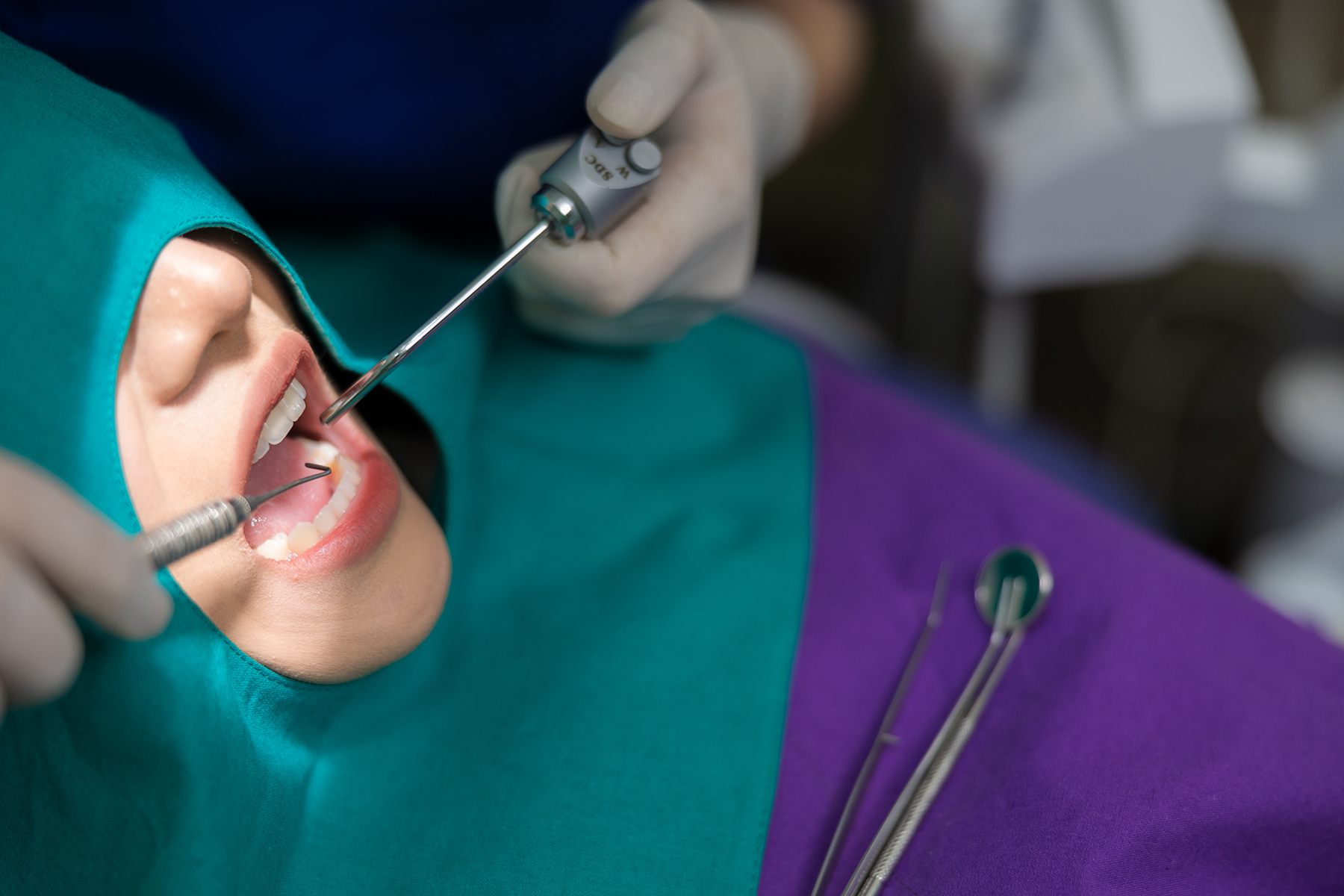
A child-friendly clinic should do more than hang bright posters on the wall. Look for staff who:
- explain each step in simple language
- ask about fear or sensory issues
- explain how they handle a nervous child before discussing treatment
Ask whether the first visit is mainly an examination and planning visit, whether X-rays are only used when clinically needed, and how sedation is discussed if it comes up. If every answer sounds like the clinic normally treats adults first and children second, then it might not be the best option for you.
How to verify credentials and English-language support
You’re within your rights to ask for the dentist’s full name, not just the name of the clinic. Then you can check the Dental Council of Thailand register. If the clinic says a paediatric specialist will see your child, ask whether that dentist has paediatric training and whether they will be on site for your appointment.
Test language support before booking. You can do this by calling, emailing, or messaging on Line. Ask a couple of practical questions, such as whether same-day treatment is possible, whether the dentist speaks English, and whether the clinic can issue an itemised receipt for insurance. It should be pretty obvious by then whether you’ll get the support you need.
Clinic shortlist checklist
- Is the clinic used to treating children of your child’s age?
- Is a paediatric dentist available if needed?
- Is the named dentist registered with the Dental Council of Thailand?
- Can reception and the treating team communicate clearly in English?
- Are opening hours realistic for evenings or weekends?
- Is there a hospital backup route for trauma or sedation?
- Will the clinic give a written estimate before treatment?
- Can they provide a tax invoice or itemised receipt?
Where to look in Bangkok and other expat hubs
As the capital and largest city, Bangkok is the biggest market for kids dentists. It’s no surprise it has the widest mix of hospital dental departments, private children’s hospitals, and specialist dental hospitals. Chiang Mai, Phuket, and Pattaya can still work well for routine care, but choice usually narrows once you need complex treatment or more paediatric support.
| City | Good for | Limits to check first |
|---|---|---|
| Bangkok | Specialists, hospital dentistry, same-week options | Traffic and higher prices |
| Chiang Mai | Routine care and some urgent treatment | Smaller specialist pool |
| Phuket | Routine care in expat-heavy areas | Fewer complex paediatric options |
| Pattaya | Convenient routine treatment | Confirm emergency backup and weekend cover |
Bangkok choices
Bangkok is often the default hub for expat parents because it gives you more provider types in one city. Examples include hospital-based paediatric dental departments such as Samitivej and Bumrungrad, and dental hospitals such as BIDH, but these should be treated as examples, not rankings.
It’s also worth noting that weekend appointments can fill up quickly at popular hospitals. At the time of review, Samitivej listed dedicated paediatric dental hours including weekends, which is why calling the dental department directly can be faster than waiting for a general enquiry form reply.
Chiang Mai, Phuket and Pattaya choices
These cities can work very well for checkups, cleaning, simple fillings, and some urgent care. If your child needs trauma treatment, sedation, or a paediatric specialist, check whether the clinic has backup through a larger hospital rather than just relying on a local option alone.
Allianz Care
Allianz Care is a world leader in providing international health insurance. Their various premiums provide professionally designed solutions for a variety of expat lifestyles. So, wherever your life takes you, make sure you have the right health protection for you and your family with Allianz Care.
What a dentist appointment for kids is like
Parents might worry that a dentist appointment for kids in Thailand will feel confusing or rushed. In practice, the flow is usually simple if you confirm the booking channel, the documents needed, and whether treatment may happen on the same day.
- First, decide if the issue is routine, urgent, or an emergency.
- Next, book by phone, website, or Line, and ask whether you are seeing a general dentist or paediatric dentist.
- At check-in, expect to show ID, insurance details, and sometimes pay before or immediately after treatment.
- Last, ask for the treatment plan, written estimate, follow-up timing, and reimbursement paperwork before you leave.

Writer
Jason
Insider tip
In Bangkok, the quickest weekend paediatric slots often come from calling the dental department directly or messaging via Line, not from waiting for a general web form reply.
What to bring and how to book
Bring your child’s passport or other ID, insurance card, allergy list, medication details, and any previous dental notes or X-rays. When you book, ask whether there is a deposit, whether the clinic can do same-day treatment, and if it can issue a tax invoice or itemised receipt for reimbursement.
If your child has other health needs, keep this Guide to doctors and GPs in Thailand handy. It could be useful if you need a referral or broader support after the dental visit.
What happens at the first visit?
The first visit is often a check-in, examination, discussion with the parent, and a plan for next steps. If your child is nervous, a good clinic will slow the pace, explain tools simply, and tell you whether treatment should happen that day or at a second visit.
The dentist might suggest X-rays if they can’t see the full problem or if trauma is involved. Routine cleaning is often straightforward, but more complex care may be staged so the child is not overwhelmed.
What emergency dental care for children looks like
If your child has a dental injury or severe symptoms, do not wait for a routine callback if the problem could affect breathing, swallowing, or infection control.
Use this quick route:
- If there is heavy bleeding, facial swelling, fever, significant trauma, trouble swallowing, or breathing problems, go to the nearest hospital emergency department.
- If a permanent tooth has been knocked out, seek urgent care straight away.
- If the problem is painful but stable, call a private clinic or hospital dental department for the earliest urgent slot.


When to seek urgent care immediately
Seek urgent professional care now if your child has uncontrolled bleeding, facial swelling, fever with dental pain, a knocked-out permanent tooth, major trauma, or any trouble swallowing or breathing. Do not wait for a normal appointment if symptoms suggest infection is spreading or the airway could be affected.
Costs, insurance and paying in Thailand

Money worries often slow parents down, especially when they’re not sure what dental insurance plans include in Thailand. Prices vary by city, branch, provider type, and treatment scope, so you should ask for a written estimate before treatment starts.
| Care type | Typical pricing pattern | What to confirm |
|---|---|---|
| Routine visit | Usually lower | Consultation fee, cleaning, X-rays |
| Specialist paediatric visit | Usually higher | Specialist fee, sedation policy, follow-up |
| Hospital-based care | Often highest | Department fees, emergency charges, pharmacy costs |
Some insurers will settle the bill directly with the dentist, but many families still pay first and claim later. Make sure you ask for a tax invoice or itemised receipt, as well as copies of prescriptions and treatment notes. The National Health Security Office provides public support information.
What Cigna and Allianz policies may and may not cover
You need to check whether your plan covers routine dental, major dental, emergency dental, or none of the above. Waiting periods, annual limits, exclusions, and pre-authorisation rules are common, so never assume a cleaning, crown, trauma visit, or specialist treatment is included just because the policy says “dental”.
For private family cover, expat-focused options many readers compare include Cigna Global, Allianz Care, and Expatica’s health insurance quotes tool. Use them as comparison starting points, then read the dental wording carefully and cross-check with Expatica’s Guide to getting health insurance in Thailand.
Paying a Thai clinic from overseas using Wise
If you need to send money into Thailand before treatment, or reimburse a partner or family member who paid locally, Wise can be a useful option. Check the live fee, exchange rate, and estimated transfer timing at wise.com/th/pricing before sending, and compare it with options from major local banks such as Bangkok Bank, Kasikornbank, and Siam Commercial Bank.
For most expat families, finding a kids dentist in Thailand becomes much easier once you match the urgency, clinic type, and payment plan before you book.
FAQ
Frequently asked questions about kids dentists in Thailand
How much does a kids dentist in Bangkok cost? 
Kids dentist Bangkok prices vary by clinic type, treatment complexity, and whether you use a hospital-based provider or a standalone clinic. Ask for a written estimate before treatment, because consultation fees, X-rays, specialist time, and follow-up can be billed separately.
When should my child first see a dentist?
The American Academy of Pediatric Dentistry advises a first visit by age one or within six months of the first tooth appearing. In Thailand, that early visit can help with prevention, feeding advice, and reducing fear before pain becomes the reason for the first appointment.
Can I get an emergency kids dentist appointment in Thailand?
Same-day urgent appointments are often possible in Bangkok and other major cities. If your child has trauma, swelling, fever, breathing difficulty, or uncontrolled bleeding, go to a hospital instead of waiting for a routine clinic slot.
Do paediatric dentists in Thailand speak English?
English-speaking care is generally easiest to find in Bangkok and other expat hubs, especially in private hospitals and international-facing clinics. Even so, you should confirm language support with the actual dental department before you book, not just with the main reception.
Does insurance cover children's dental treatment in Thailand?
Sometimes, but it depends on the public route, Social Security support, and the exact private policy wording. Routine care, specialist treatment, and emergency dental care may be handled differently under the same plan.
Sources
- Expatica, Dentists and dental care in Thailand
- Expatica, Children’s healthcare in Thailand
- Expatica, The healthcare system in Thailand
- Expatica, Guide to getting health insurance in Thailand in 2026
- Dental Council of Thailand
- National Health Security Office
- American Academy of Pediatric Dentistry, FAQ for parents
- Samitivej Hospitals, Pediatric Dental Clinic
- Bumrungrad, Pediatric Dentistry

Did you find this guide helpful?