
'%20id='ico-down'%20stroke='%23000000'%20stroke-width='1.5'%3e%3cg%20transform='translate(1092.250000,%20254.750000)'%3e%3cpolyline%20id='Path-2-Copy-4'%20transform='translate(5.500000,%202.750000)%20scale(1,%20-1)%20rotate(-180.000000)%20translate(-5.500000,%20-2.750000)%20'%20points='0%200%205.5%205.5%2011%200'%3e%3c/polyline%3e%3c/g%3e%3c/g%3e%3c/g%3e%3c/svg%3e)


Health
Primary Care
How to find a dentist in Bangkok: an expat guide
Keeping your smile healthy in a new city should be simple and stress-free. If you are relocating to the capital and want to know how to compare treatment costs, and secure high-quality oral care, learn how to find a trusted dentist in Bangkok.

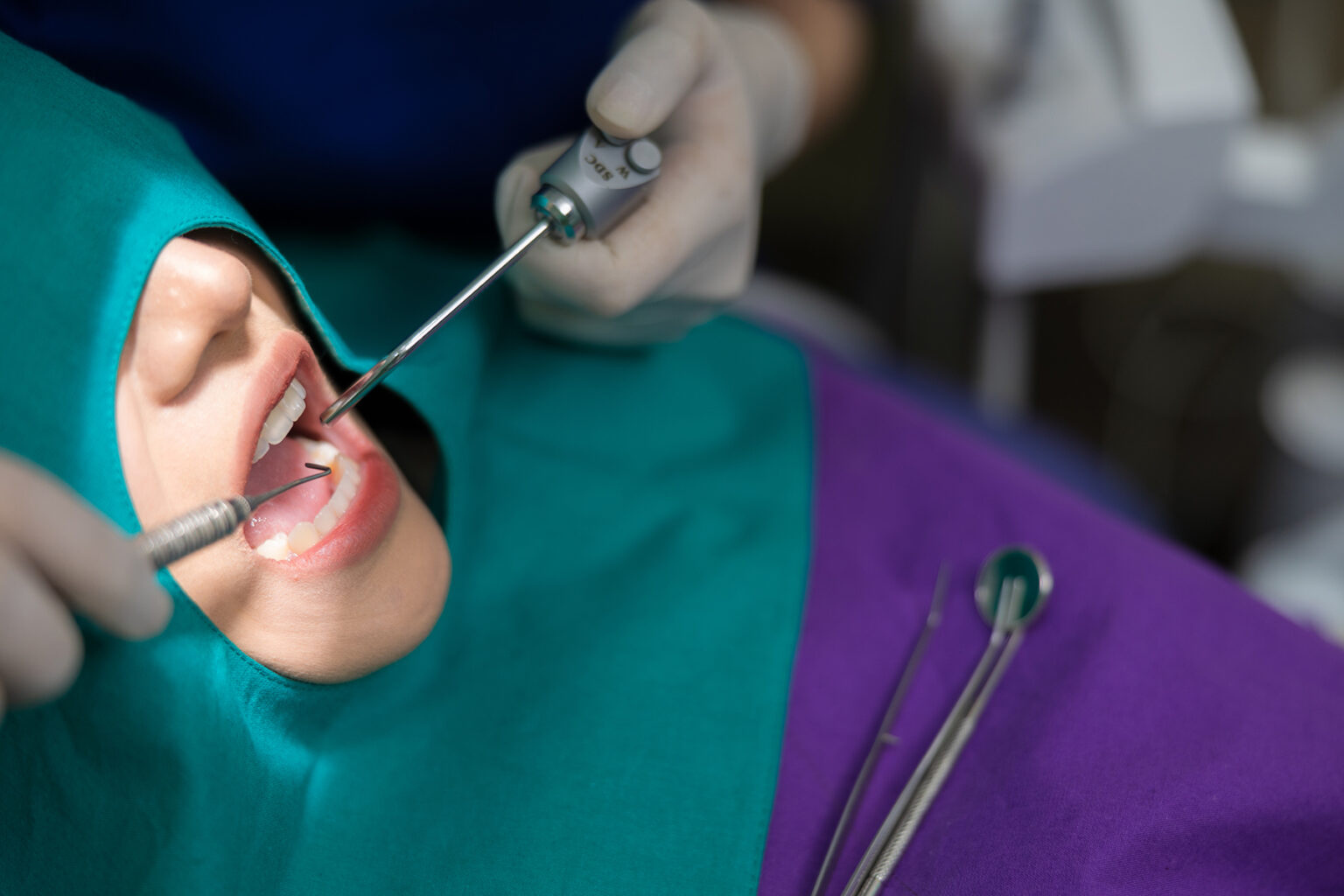
Finding a new healthcare provider is rarely at the top of anyone’s excitement list, but moving to Bangkok comes with a major dental silver lining. The city is widely recognized for its world-class dental facilities, offering highly advanced clinics and procedures at prices that are often significantly lower than in Western countries.
However, navigating the sheer number of local practices can quickly feel overwhelming when you are trying to match your budget, neighbourhood, and language requirements. Our guide simplifies your search, showing you exactly how to spot the best local clinics and navigate your appointments without the stress.
Disclaimer: This article is for general information only and is not medical advice. Always confirm treatment suitability, pricing, credentials, and insurance cover directly with the clinic, hospital, or insurer.
Cigna Global
Enjoy peace of mind while living in Thailand with Cigna Global’s long-term international health insurance plans (12+ months). Get tailored coverage, direct billing with many providers, complex case management, and global care on demand, with access to a network of 1.5+ million doctors, specialists, and therapists.

Key takeaways
- Most expats in Bangkok use private dental clinics or private hospital dental departments.
- English-speaking care is usually easiest in central expat areas and larger hospitals.
- Costs can vary a lot depending on the clinic, the dentist, and the treatment you need.
- Insurance may cover some dental care, but plan terms, waiting periods, and limits matter.
- For complex or urgent issues, a hospital dental department is often the safest choice.
- Always verify the dentist’s license, ask for a written estimate, and check reimbursement rules before treatment.
How dental care works in Bangkok for expats
Bangkok has a large private dental market, so expats usually find it easy to book routine care, specialist treatment, and emergency appointments. Public access is more limited in practice for foreigners unless they qualify through Thai social security or another local entitlement.
Public, private, and social security dental access
If you are eligible for Thai social security, you may be able to claim limited dental reimbursement.
For 2026, key SSO dental benefits include:
- A basic annual allowance of 900 baht per year
- A separate wisdom tooth budget of up to 2,500 baht
- Up to 6,000 baht for denture benefits and 900 baht for repairs
These figures are subject to change. Always verify current SSO benefits directly with the Social Security Office before relying on this information.
In most cases, though, expats choose private care because it is faster, easier to book in English, and offers more choice in location and treatment type. If you are relying on social security, check the latest rules before you go, because reimbursement limits can change.
What private insurance may and may not cover
Private insurance can help with dental bills, but cover varies widely by plan. Routine care, major procedures, orthodontics, and cosmetic dentistry are often treated differently, and some plans require pre-approval or have annual limits.
If you are comparing health cover, this is a natural point to look at providers such as Cigna for health insurance in Thailand, especially if you want a plan that may include dental benefits. Just remember that cover, exclusions, waiting periods, and limits depend on the exact policy and your member details.

How to choose a dentist in Bangkok
The “best” dentist is not the same for every expat. The right choice depends on a variety of factors, including the treatment you need, how soon you need it, where you live, and whether you want to discuss everything in English.

How to verify credentials, safety, and treatment quality
Finding a clinic with a polished website is easy, but verifying the actual qualifications of your treating dentist requires a little extra homework.
Every legally practicing dentist in Thailand must be registered with the Dental Council of Thailand, the official regulatory body where you can easily look up a practitioner’s credentials and license status.
Reliable clinics are completely transparent about their team, openly sharing their dentists’ full names, academic backgrounds, and areas of specialty. Once you narrow down your shortlist, request a detailed, written treatment plan before committing to any major procedure.
A trustworthy team will clearly map out your treatment timeline, explain the necessity of any scans or X-rays, and provide a clear breakdown of the expected aftercare costs. Securing these details in writing ensures you avoid unexpected fees and guarantees that your chosen specialist has the exact training needed for your care.
Quick checklist before booking:
- Does the clinic list the dentist’s full name and qualification?
- Is the treatment plan explained in writing?
- Are pricing and extra fees clear?
- Can the clinic explain the treatment in English?
- Are follow-up and aftercare instructions provided?
- Does the clinic appear to specialise in the treatment you need?
Compare location, language, specialties, and hours
For routine care, choosing a clinic near your home, office, BTS, or MRT stop is often more practical than crossing the city.
Central areas with larger expat populations naturally offer more English language support at the front desk, though ensuring your actual treating dentist can explain the technical steps of your procedure comfortably remains the most important check.
When your dental needs move beyond routine maintenance into specialized territory, like complex dental implants or emergency root canals, shifting your focus toward private hospital dental departments is often the smartest move. A smaller neighbourhood clinic is perfectly fine for cleaning or fillings, but a major hospital offers around-the-clock emergency hours, advanced sedation options, and immediate access to a broader team of specialists if unexpected complications arise.


Editor in Thailand
Tarah
Insider tip
In Bangkok, clinics near major BTS and MRT interchanges often handle more foreign patients, so ask whether both the dentist and the billing desk can explain your quote in English before you book.
Allianz Care
Allianz Care is a world leader in providing international health insurance. Their various premiums provide professionally designed solutions for a variety of expat lifestyles. So, wherever your life takes you, make sure you have the right health protection for you and your family with Allianz Care.
What dentists in Bangkok cost
Bangkok dental costs are often lower compared to some Western cities, but prices vary significantly by clinic, treatment type, and dentist experience. The clinic type, the dentist’s experience, the treatment complexity, and whether you need imaging or lab work all affect the final bill.
If you’re worried about discriminatory pricing as an expat in Thailand, it helps to know that dentists and clinics have to display their prices at their clinic. For additional peace of mind, visit your chosen providers website or give them a call directly to confirm their price list.
Typical routine dental costs in Bangkok
As a rough guide, routine consultations, cleanings, fillings, and X-rays are usually far more affordable than specialist treatment, but the final price should always be confirmed directly with the clinic. Ask whether the quote includes the consultation, imaging, medication, or only the dentist’s fee.
Costs for implants, root canals, crowns, and cosmetic work
Bigger treatments can add up quickly. Root canals, crowns, implants, orthodontics, and cosmetic dentistry may involve several appointments, scans, lab fees, and follow-up visits.
That is why it helps to ask for a full written breakdown before you commit. Cosmetic treatment is often excluded from standard insurance, so read the policy carefully. If you’ve just arrived and are still moving money between countries, Wise can be a practical way to convert funds into Thai baht, hold multiple currencies, or cover upfront dental deposits while you settle in Thailand.
Where to find an English-speaking dentist in Bangkok
English-speaking dental care is incredibly common across the city’s central districts, particularly within larger private practices and dedicated hospital departments.
However, because language fluency can fluctuate between the receptionist handling your booking, the billing team, and the actual treating specialist, confirming your communication needs over the phone before your first appointment is always a smart safeguard.

The Bangkok areas most expats start with
Many expats start their search in Sukhumvit-area neighbourhoods, Silom, Sathorn, Ari, Chidlom, and Ploenchit. The right area depends on where you live and whether you need a routine clinic or a hospital for more complex work.
How to shortlist clinics safely online
Use online reviews as just one part of your decision. Compare Google reviews, clinic websites, dentist bios, treatment specialisations, map location, and appointment options together.
Be cautious of flashy, polished websites that hold back basic information during your online research. If a provider avoids naming their dental team, glosses over the exact steps of their treatments, or hides their pricing behind vague descriptions, it is usually a sign to keep looking. Gathering a handful of consistent signals across multiple platforms ensures you choose a clinic built on genuine medical transparency rather than clever digital marketing.
What to expect at your first appointment
Your first visit depends entirely on whether you are checking in for routine maintenance or rushing in with an urgent problem. While a sudden toothache or broken crown will be treated as an immediate priority, a standard appointment typically follows a predictable process:
- Advanced diagnostics: After a quick registration process, most modern Bangkok clinics use digital X-rays and 3D panoramic imaging during your examination to give you an immediate, highly detailed look at your oral health.
- Chairside consultation: Once the checkup is complete, your dentist will likely sit down with you to discuss their findings and present a treatment plan with costs and priority levels of any recommended work before anything begins.
- Immediate payment: Because local clinics generally expect full payment directly after your consultation, having your credit card or a local banking app ready ensures a seamless checkout, whether you are paying out of pocket or gathering invoices to claim from your insurer later.
What to bring, ask, and confirm before treatment
Bring your passport or ID, any insurance card, previous X-rays or records if you have them, and a list of medications or allergies. Before treatment starts, ask how much it will cost, how many visits you may need, whether imaging is included, and what aftercare is required.
Writer
Tarah
Insider tip
If you may claim from insurance later, ask for an English-language itemized invoice before treatment begins, not after you leave.
Payment, receipts, claims, and follow-up
Some patients pay first and claim later, while others may need pre-approval depending on the clinic and the insurer. Ask which payment methods are accepted before you arrive, and keep every receipt. For crowns, root canals, implants, and surgical work, where follow-up may be needed, this is especially important.
If you are comparing policies, Cigna is one option to look at for health insurance in Thailand, but always confirm whether dental treatment is included, excluded, or limited by waiting periods and annual caps.
Emergency dental care in Bangkok
If you have severe pain, swelling, broken teeth, bleeding, facial trauma, or signs of infection, treat it as urgent. Do not wait too long if symptoms are getting worse.
When to choose a hospital dental department over a local clinic
A local clinic may be enough for a minor urgent issue during opening hours, but a hospital dental department is often the better option for serious swelling, uncontrolled bleeding, trauma, fever, or anything that may need imaging or surgery. If you are not sure where to go, start with a hospital-based department rather than trying to self-manage.
For broader emergency planning, it helps to keep local emergency numbers and nearby hospitals saved on your phone before you actually need them.
FAQ
Frequently asked questions about dentists in Bangkok
How much does a dentist cost in Bangkok? 
Routine care is usually much cheaper than specialist or cosmetic work, but the price depends on the clinic, the treatment, and whether extra services like X-rays or lab work are included. Ask for a written estimate before you book.
Are dentists in Bangkok good?
Yes, Bangkok has many high-standard private dental providers. Quality still varies, so check the dentist’s credentials, treatment plan, and reviews, and verify licensing through the Dental Council of Thailand.
How do I find an English-speaking dentist in Bangkok?
Start with private clinics or hospital dental departments in central Bangkok, then confirm language support when you book. Check whether the dentist, receptionist, and billing staff can all explain the appointment clearly in English.
Can expats use dental insurance in Thailand?
Often, yes, but it depends on whether you are covered through social security, an employer, or a private policy. Dental benefits vary by plan, so confirm limits, waiting periods, exclusions, and whether the clinic can support direct billing or reimbursement paperwork.
Where should I go for emergency dental care in Bangkok?
For minor urgent issues, a local clinic may be enough during opening hours. For trauma, heavy bleeding, severe swelling, or infection, a hospital dental department is usually the safer choice.


Did you find this guide helpful?